 EN

Principles of Carbonation Retention in Beverage Packaging
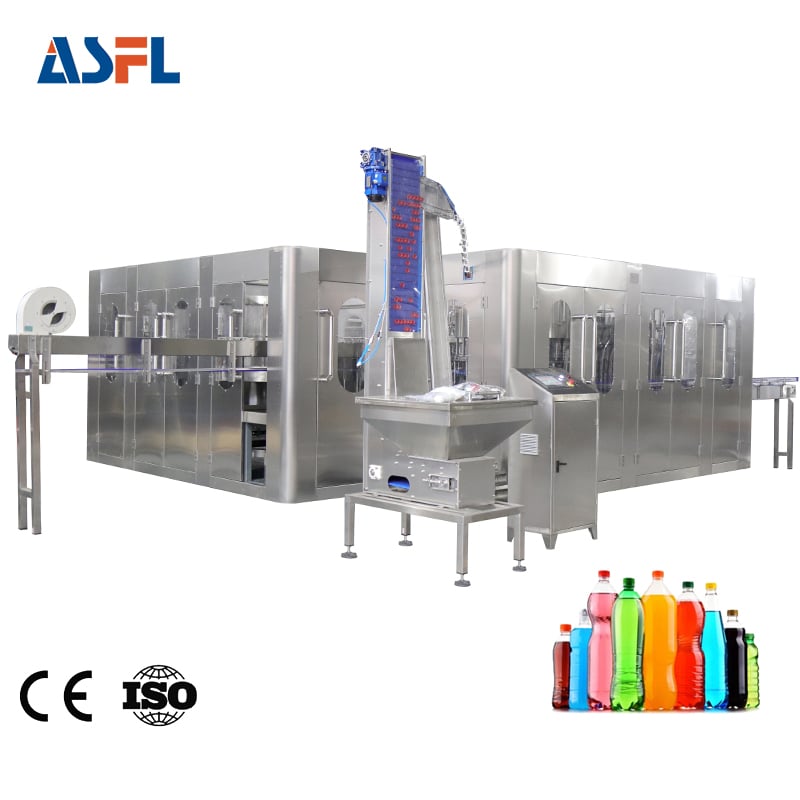
Maintaining precise gas volumes in bottled or canned soft drinks, sparkling waters, energy drinks, and craft beverages is a vital engineering challenge for modern packaging facilities. When evaluating how a carbonated beverage filling machine carbonation system operates, mechanical and process engineers must look closely at fluid dynamics, thermodynamics, and pressure equilibrium. Every high-speed carbonated beverage filling machine carbonation unit relies on specific physical laws to prevent carbon dioxide breakout during the liquid transfer stage. Without a sophisticated maintain carbonation level filler mechanism, dissolved carbon dioxide escapes rapidly the moment liquid hits atmospheric pressure, resulting in flat beverages, inconsistent fill heights, or excessive foaming on the conveyor line. Advanced counter pressure beverage filling systems solve this operational problem by matching container internal pressure precisely with supply tank pressure, ensuring that modern carbonated drink filling technology preserves sensory quality, mouthfeel, and fizz consistency across high-speed production runs engineered by industry specialists like ACE-FILLING. Furthermore, industrial plants require robust hygienic controls and clean-in-place compatibility to prevent biological contamination that can alter gas retention properties over time.
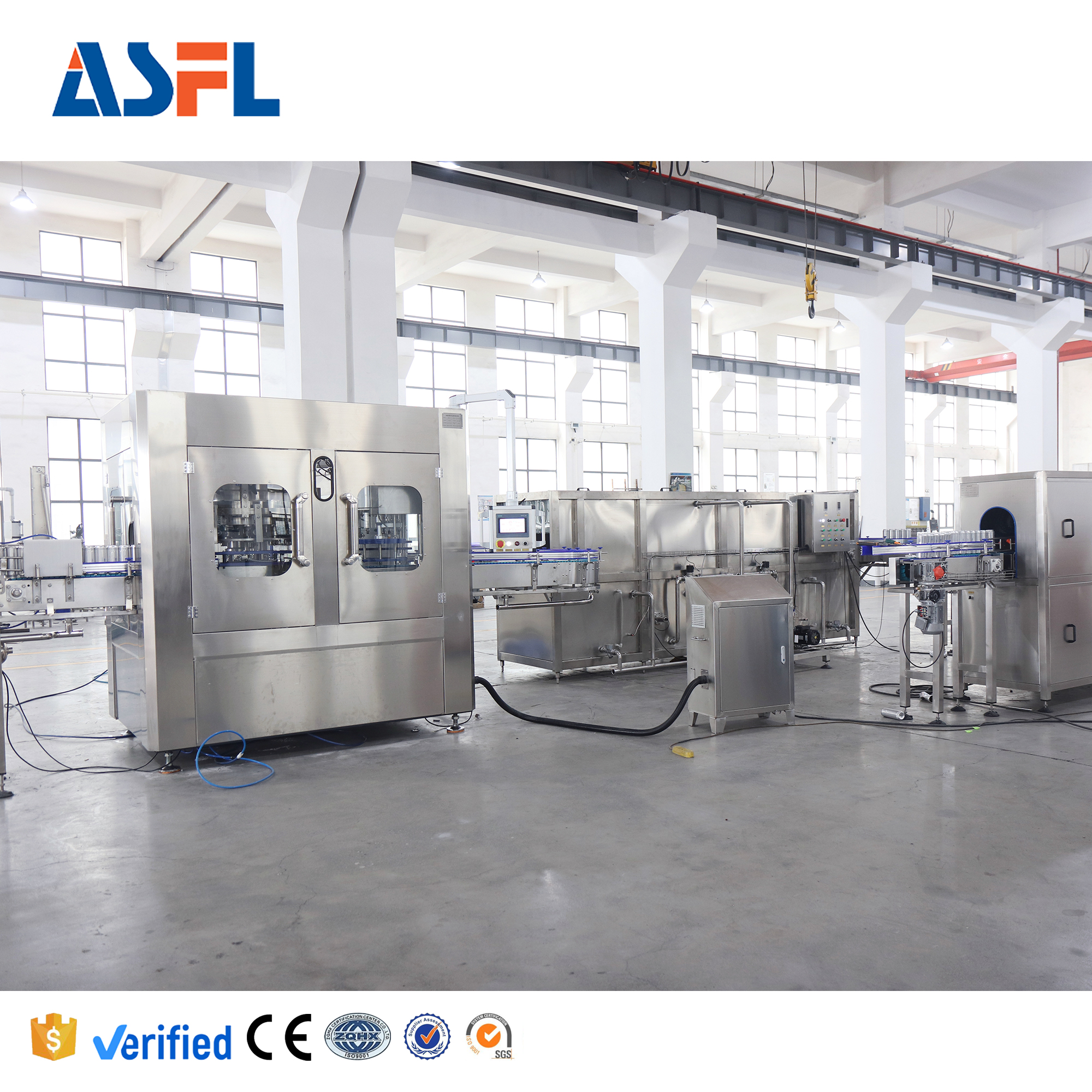
Isobaric Counter Pressure Dynamics and Gas Equilibrium
The core operational method used by any high-performance carbonated beverage filling machine carbonation setup is isobaric filling. In this specialized operational mode, the empty bottle or can is pressurized with high-purity carbon dioxide gas before any liquid product enters the vessel. This gas phase pressure equalization allows the maintain carbonation level filler valves to open smoothly without causing a sudden pressure drop or violent gas turbulence. When utilizing robust counter pressure beverage filling architecture, the carbonated liquid flows gently down the inner wall of the container under a perfectly balanced gas atmosphere. Innovative carbonated drink filling technology eliminates fluid turbulence during this transfer phase, which is critical because physical agitation causes dissolved gas nucleation and rapid carbonation loss. ACE-FILLING designs precision gas distribution manifolds and annular bowls that maintain steady head pressure throughout the entire fluid pathway, guaranteeing superior product integrity.
Temperature Control and Dissolved Gas Stability Parameters
Temperature directly dictates gas solubility in aqueous liquids according to Henry's Law. If product temperature fluctuates inside the main mixing bowl or supply lines, the efficiency of the carbonated beverage filling machine carbonation process drops sharply, leading to variable carbonation levels. A reliable maintain carbonation level filler must work alongside chilled product supply systems kept consistently near zero to two degrees Celsius. Integrating counter pressure beverage filling lines with automated sanitary plate heat exchangers ensures strict thermal stability throughout the production day. Cutting-edge carbonated drink filling technology incorporates real-time thermal sensors and automated proportional valves that adjust bowl pressure if minor temperature shifts occur, safeguarding product consistency across every commercial batch.
The following parameter comparison outlines how engineering factors influence dissolved gas retention:
| Control Parameter | Operational Specification | Impact on Carbonation Retention |
| Product Supply Temperature | 0 to 2 degrees Celsius | Maximizes CO2 solubility in liquid phase, preventing premature gas release |
| Bowl Headspace Pressure | 0.25 to 0.45 MPa balanced pressure | Eliminates pressure differential during initial valve opening |
| Pre-Evacuation Vacuum Level | -0.08 to -0.09 MPa | Removes oxygen pockets and stabilizes carbonation equilibrium |
| Snifting Decompression Profile | Multi-stage progressive exhaust | Prevents violent fobbing and foaming during container depressurization |
Pre-Evacuation and Air Removal Engineering
Oxygen presence in the container neck space is a primary enemy of carbonation stability and product shelf life. Before gas pressurization occurs, a quality carbonated beverage filling machine carbonation sequence executes single or double pre-evacuation cycles. By pulling a deep vacuum inside the container, the system extracts residual ambient air and oxygen molecules. This vital preparatory step enables the maintain carbonation level filler to introduce pure carbon dioxide without oxygen dilution, which would otherwise destabilize the dissolved gas equilibrium. Effective counter pressure beverage filling depends heavily on this meticulous oxygen displacement phase. State-of-the-art carbonated drink filling technology utilizes high-vacuum rotary pumps that eliminate air pockets completely, protecting the beverage from oxidation, off-flavors, and premature carbonation degradation.
Snifting Pressure Management and Foam Reduction
The final critical phase of the automated filling cycle involves snifting, where high-pressure gas trapped in the container neck space is slowly vented down to atmospheric pressure before the sealing and capping stage. If pressure releases too quickly, violent gas breakout occurs, resulting in severe fobbing, product loss, and messy container exteriors. A well-designed carbonated beverage filling machine carbonation system features multi-stage snifting valves that control pressure reduction gradually through specialized micro-channels. This controlled decompression allows the maintain carbonation level filler to finish the packaging cycle cleanly and accurately. Superior counter pressure beverage filling units include adjustable mechanical or electronic snift profiles tailored specifically to different sugar contents, viscosities, and carbonation volumes. By refining this final release stage, advanced carbonated drink filling technology ensures optimal fill heights, clean container finishes, and stable carbonation retention from the factory floor all the way to the consumer. Packaging operators seeking durable equipment can explore system configurations directly at the

 Hot News








