 EN

Technical Architecture of Rotary Bottle Filling Machine vs Linear Liquid Filling Machine
Evaluating a rotary bottle filling machine against a linear liquid filling machine requires a clear engineering understanding of continuous container transport versus intermittent indexed stop-and-go indexing. Choosing between a high-capacity rotary bottle filling machine and a flexible linear liquid filling machine dictates line speed, plant footprint, changeover labor, and total capital expenditure. Modern liquid packaging operations analyze throughput targets, container neck integrity, and liquid viscosity to determine the optimal machine layout.
A high-speed rotary bottle filling machine moves bottles continuously along a pitch circle using synchronized starwheel turrets, manifold liquid bowls, and rotating fill valves. In contrast, an inline linear liquid filling machine stops batches of containers under a static dive-nozzle manifold using pneumatic gate indexers. Conducting a thorough rotary vs linear bottle filling evaluation helps engineering teams optimize floor space while maintaining sanitary compliance. Industrial machinery manufacturers like ACE-FILLING supply both configurations, ensuring that automatic liquid filling line selection aligns precisely with specific brewery, beverage, or pharmaceutical plant specifications.
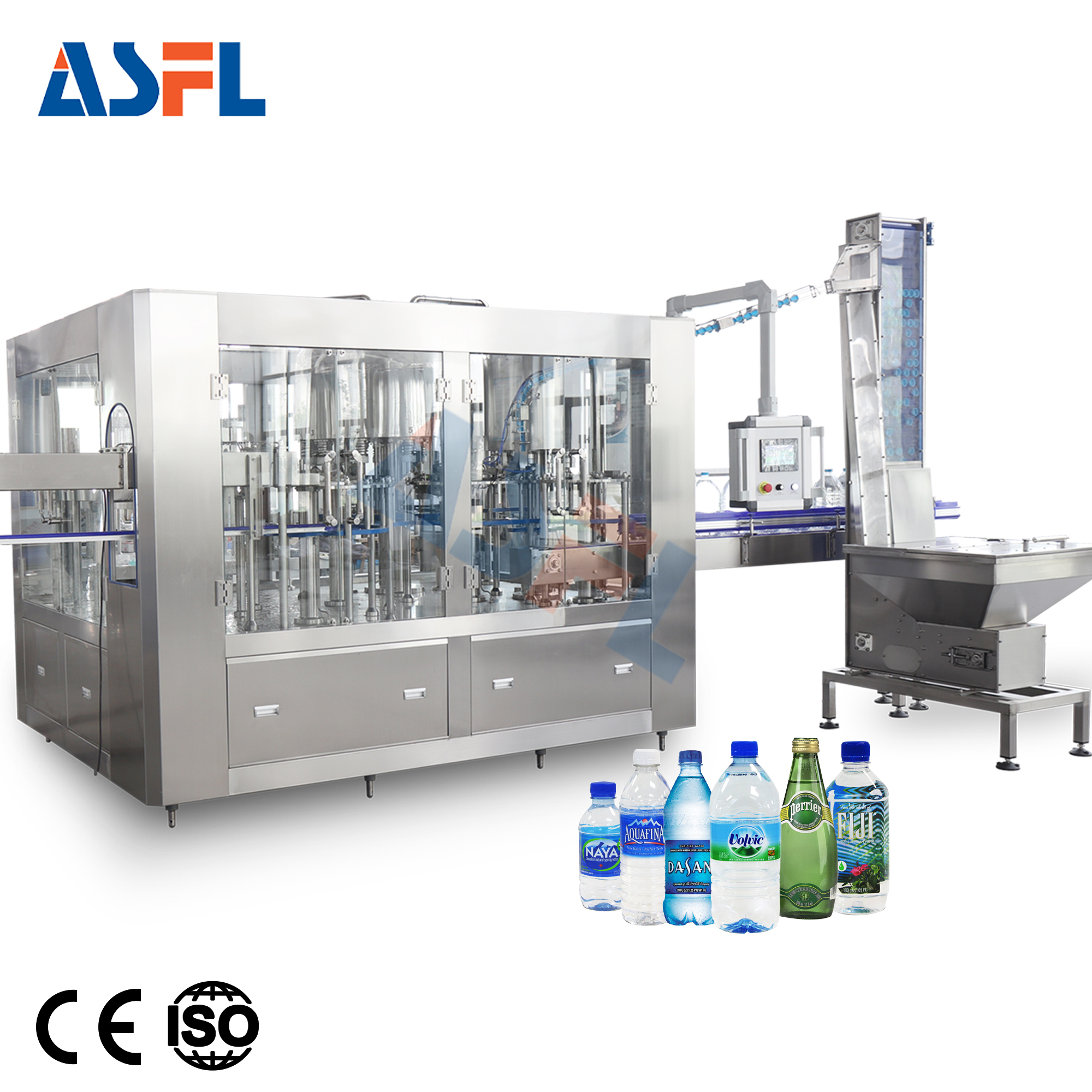
Operational Mechanics and Throughput Comparison
Capacity limits represent the primary technical divide in the rotary vs linear bottle filling decision. A rotary bottle filling machine achieves continuous, ultra-high-speed output by maintaining fluid flow while containers orbit the central carousel. Conversely, a linear liquid filling machine experiences cycle delays during container indexing, nozzle dipping, and bottle discharge.
-
Rotary Motion Dynamics: Continuous circular motion eliminates bottle shock, making a rotary bottle filling machine ideal for high-speed carbonated beverages, spirits, and lightweight PET containers operating above 6,000 bottles per hour.
-
Linear Indexing Dynamics: Intermittent stopping sequences make a linear liquid filling machine highly efficient for small-batch runs, viscous sauces, and multi-format contract packaging operations below 4,000 bottles per hour.
-
Nozzle Configurations: A rotary bottle filling machine typically houses 12 to 72 individual rotating valves, whereas a linear liquid filling machine utilizes 4 to 16 inline filling nozzles fed by servo piston or peristaltic pump blocks.
-
Changeover Efficiency: Simplifying automatic liquid filling line selection for multi-SKU plants often favors inline machines due to tool-less width adjustments across varying bottle profiles.
The following engineering specification matrix contrasts core technical parameters between both machine architectures:
| Mechanical Metric | Rotary Bottle Filling Machine | Linear Liquid Filling Machine | Application Impact |
| Production Speed Range | 6,000 to 48,000 BPH | 1,000 to 5,000 BPH | Governs high-volume vs small-batch operational economics |
| Container Motion Type | Continuous circular transfer | Intermittent inline indexing | Affects liquid sloshing and bottle stability during transport |
| Changeover Time | 30 to 60 minutes (Starwheels required) | 10 to 20 minutes (Tool-less adjustment) | Direct driver in multi-SKU automatic liquid filling line selection |
| Floor Footprint Density | Compact circular footprint | Extended rectangular footprint | Dictates layout geometry in constrained bottling plants |
| Valve & Nozzle Count | 12 to 72 rotating valves | 4 to 16 stationary nozzles | Determines initial capital cost and preventative maintenance scope |
Footprint Geometry and Floor Space Optimization
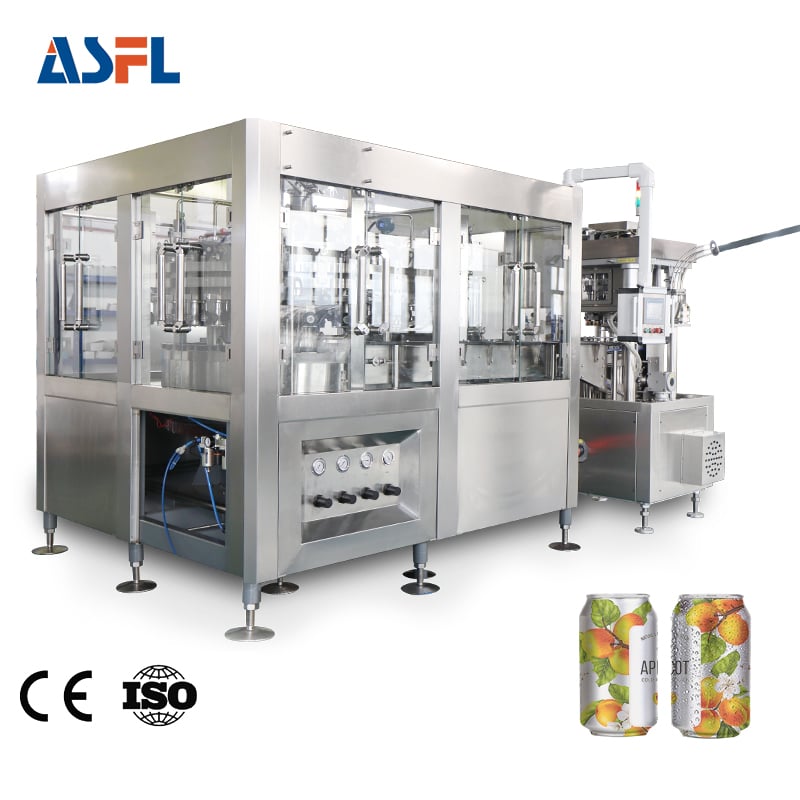
Factory real estate significantly influences whether a production line incorporates a rotary bottle filling machine or an inline linear liquid filling machine. Facilities with compact, square room layouts benefit from the centralized turret configuration of a rotary bottle filling machine, which consolidates rinsing, filling, and capping functions inside a single monoblock enclosure.
Evaluating rotary vs linear bottle filling layouts reveals distinct structural advantages. An inline linear liquid filling machine requires a long conveyor bed to accommodate infeed stoppers, filling stations, and outfeed clearance zones. However, for operations requiring frequent sanitation or specialized ISO cleanroom enclosures, an inline linear liquid filling machine offers straightforward access to all fluid pumps, electrical cabinets, and conveyor drives. Making the correct automatic liquid filling line selection ensures optimal operator access, efficient CIP chemical piping routes, and safe maintenance access corridors.
CIP Sanitization and Maintenance Considerations
Sanitary standards mandated by EHEDG and FDA guidelines govern maintenance routines for both rotary bottle filling machine setups and linear liquid filling machine lines. The internal fluid pathways of a rotary bottle filling machine feature central liquid distribution manifolds, automatic CIP return cups, and enclosed stainless steel rotary unions.
-
Clean-in-Place Automation: A rotary bottle filling machine utilizes closed-loop automated CIP cups that clamp over rotating valves, circulating hot caustic wash solution at 85 degrees Celsius without manual operator intervention.
-
Pump Sanitation Access: A linear liquid filling machine often uses detachable tri-clamp peristaltic or piston pumps, simplifying manual teardown and sterilization for sensitive pharmaceutical or viscous food products.
-
Seal Wear Profiles: Conducting regular rotary vs linear bottle filling maintenance audits prevents seal degradation, micro-leakage, and air ingress in vacuum-assisted pre-evacuation lines.
-
Component Standardization: Rationalizing automatic liquid filling line selection around standardized pneumatic cylinders and FDA-compliant EPDM seals lowers spare parts inventory overhead for bottling plants.
Quality Inspection and Factory Testing Protocols
Ensuring long-term operational accuracy in every rotary bottle filling machine and linear liquid filling machine requires rigorous factory verification before installation. ACE-FILLING subjects each machine to comprehensive quality acceptance protocols to guarantee structural performance and filling precision.
-
Hydrostatic Manifold Testing: All product bowls, fluid manifolds, and filling valves undergo 4-hour pressure testing at 1.5 times working pressure to verify weld integrity.
-
Volumetric Filling Accuracy Validation: High-speed load cells measure fill volume consistency across all stations, ensuring a standard deviation within +/- 0.5% during full-speed testing.
-
24-Hour Continuous Dry Run: Complete machine turrets and conveyor indexing beds undergo 24-hour continuous dry testing to verify bearing temperatures, servo drive synchronization, and mechanical noise limits below 75 decibels.
-
CIP Thermal Expansion Cycle: Automated cleaning manifolds undergo high-temperature fluid circulation trials to confirm thermal expansion tolerance across dynamic valve seals.
Engineers and plant managers evaluating high-performance packaging lines can inspect detailed technical specifications and modular machinery options at the official

 Hot News








