 EN

Technical Rationale and Mechanical Foundations for Simplified Counter Pressure Engineering
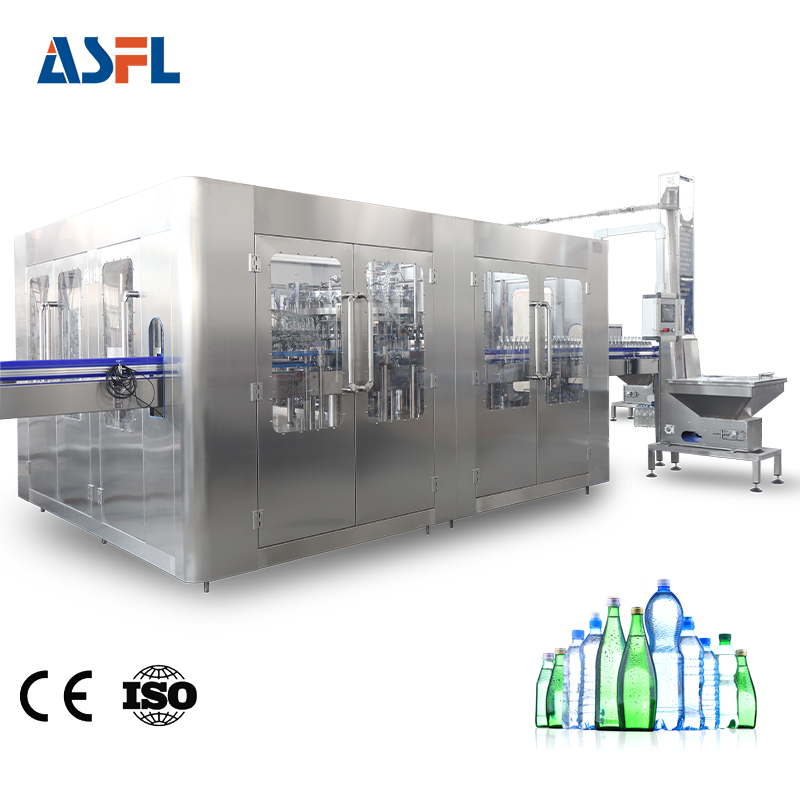
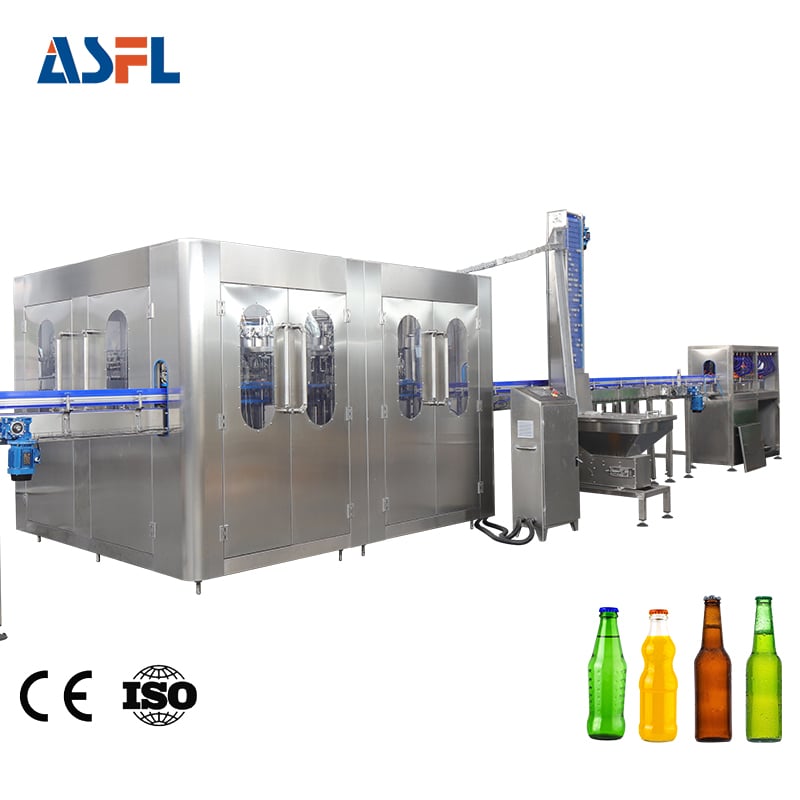
Designing a small carbonated drink filling machine requires balancing high filling precision with minimal mechanical complexity. In large-scale beverage packaging plants, fully automated isobaric fillers utilize complex multi-chamber gas distribution manifolds, dynamic vacuum pre-evacuation lines, and computerized pneumatic valve positioners. However, small craft beverage producers, pilot microbreweries, and regional soda bottlers operate under tighter capital budget constraints and restricted factory floor space. Implementing a simplified counter pressure structure allows equipment design engineers to deliver exceptional dissolved gas stability without inflating initial purchase costs, electrical requirements, or routine maintenance overhead.
A small scale isobaric filler design eliminates non-essential pneumatic actuators and intricate electronic sensors while preserving the fundamental thermodynamic laws governing carbon dioxide liquid absorption. Instead of utilizing separate pneumatic lines for vacuum evacuation, gas pressurization, liquid filling, and multi-stage controlled snifting, a compact carbonated filling technology architecture consolidates these critical steps into a single multi-way mechanical rotary valve or robust manual lever assembly. ACE-FILLING implements these streamlined mechanical fluid pathways to ensure that entry-level bottling lines maintain exact gas equilibrium, prevent product fobbing on conveyors, and deliver consistent volumetric filling accuracy across daily production shifts.
Furthermore, reducing mechanical complexity directly improves plant operational reliability. Heavy industrial filling carousels feature hundreds of wear points that require specialized calibration tools and certified technicians. By contrast, a small carbonated drink filling machine equipped with a simplified counter pressure structure allows operator crews to manage line changeovers, seal replacements, and sanitization cycles effortlessly, making it the ideal technical solution for expanding boutique beverage operations.
Fluid Dynamics, Valve Architecture, and Pressure Equalization Matrix
The fundamental purpose of any simplified counter pressure structure is to eliminate pressure differentials between the overhead liquid supply tank and the internal container headspace before carbonated liquid enters the bottle. In a small carbonated drink filling machine, keeping fluid velocity stable prevents internal liquid turbulence and sudden dissolved gas breakout.
-
Single-Path Gas-Liquid Manifolds: Integrating gas pressurization and liquid return channels into a central concentric valve stem eliminates external hose clutter, making a small scale isobaric filler design far easier to clean and sanitize between product batches.
-
Mechanical Spring-Loaded Valve Seals: Replacing solenoid-actuated pneumatic cylinders with direct-contact mechanical spring assemblies reduces electrical complexity while maintaining continuous, uniform sealing pressure against bottle rims.
-
Calibrated Mechanical Snift Restrictors: Instead of using electronic proportional valves for gas exhaust, compact carbonated filling technology utilizes precision mechanical orifice screws that vent headspace gas at a safe, predictable rate.
-
Direct Pressure Balance Bowls: Mounting small liquid reserve bowls directly above filling heads reduces liquid transfer distances, minimizing product temperature rise and gas release during gravity fluid transfer.
| Subsystem Component | Heavy Industrial Isobaric System | Simplified Counter Pressure Structure | Impact on Small Carbonated Drink Filling Machine |
| Valve Actuation Mechanism | Multi-stage pneumatic solenoid cylinders | Direct mechanical spring or lever mechanism | Reduces overall weight, electrical consumption, and equipment purchase cost |
| Gas Exhaust (Snifting) | Programmable electronic proportional valves | Calibrated fixed mechanical orifice screw | Simplifies small scale isobaric filler design maintenance and fine calibration |
| Pre-Evacuation Circuit | Dual-stage rotary vane vacuum pump manifold | Single passive displacement or venturi tube | Compacts equipment footprint while preserving compact carbonated filling technology standards |
| Product Supply Line | Complex dynamic swivel joint distributor | Direct static flexible sanitary hose manifold | Minimizes internal seal wear points and lowers routine Clean-in-Place maintenance overhead |
| Sealing Interface | High-pressure pneumatic sealing pedestals | Mechanical cam-track or manual bottle lifts | Prevents bottle neck crushing on lightweight glass or thin-walled PET containers |
Cost Efficiency, Footprint Optimization, and Maintenance Benefits
Adopting a simplified counter pressure structure yields immediate economic and operational advantages for boutique beverage producers. A complex industrial isobaric filler requires extensive electronic PLC programming, multiple pressure transducers, and specialized field service engineers for routine repairs. In contrast, a small carbonated drink filling machine featuring mechanical valve actuation can be operated, inspected, and serviced by local plant technicians without expensive proprietary software tools.
-
Lower Initial Capital Investment: Eliminating pneumatic solenoids, vacuum pumps, and high-end PLC modules lowers manufacturing costs, making compact carbonated filling technology accessible for craft startups.
-
Reduced Factory Footprint: The compact footprint of a small scale isobaric filler design enables small bottling facilities to maximize available floor space and integrate washing, filling, and capping within tight floor plans.
-
Simplified CIP Sanitization: Streamlined internal liquid channels without complex valve bypass loops facilitate rapid Clean-in-Place cycles using standard hot caustic washes up to 85 degrees Celsius.
-
Enhanced Mechanical Durability: Fewer moving components directly decrease physical wear, extending dynamic seal lifespan and ensuring reliable daily packaging operations across years of service.
By simplifying the mechanical linkage between the valve stem and bottle lift mechanism, operators can perform complete maintenance overhauls within hours rather than days, drastically improving overall equipment effectiveness and preserving profit margins.
Workflow Execution and Quality Assurance Verification Protocols
To verify that a small carbonated drink filling machine with a simplified counter pressure structure maintains precise gas stability and seal integrity, ACE-FILLING subjects every compact filling unit to rigorous factory testing protocols prior to customer dispatch.
-
Hydrostatic Shell and Valve Testing: Liquid storage bowls and valve bodies undergo a 4-hour hydrostatic pressure test at 1.5 times normal working pressure to verify structural integrity and weld seam durability.
-
Carbonation Retention Verification: Test batches of carbonated water at 4.0 volumes of CO2 are filled at 2 degrees Celsius to verify that dissolved gas loss remains under 0.1 volumes post-capping.
-
Fill Level Consistency Checks: High-precision optical sensors verify that fill height variation across all filling heads remains within +/- 1.5 millimeters during continuous operation.
-
Snift Rate Calibration: Mechanical exhaust restrictors are fine-tuned to ensure smooth pressure release without product fobbing across varying beverage sugar contents and liquid viscosities.
Beverage producers seeking affordable, high-performance counter-pressure packaging lines can explore detailed technical specifications and modular machinery options at the official

 Hot News








