 EN

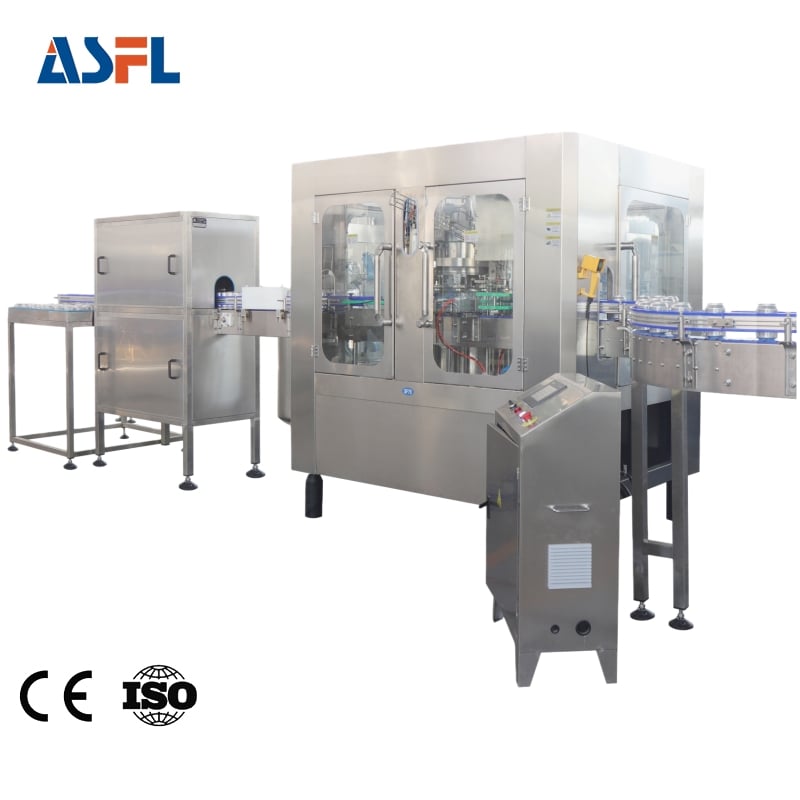
For a craft soda producer, growth rarely arrives as a clean, predictable jump. One seasonal flavor catches on, a local retailer asks for cans, and suddenly the bench-top process that worked for tastings becomes the constraint. That is why a small carbonated drink filling machine is drawing attention: it gives a producer a more repeatable way to package carbonated beverages without assuming that a high-volume line is the next sensible move.
From a liquid-filling selection perspective, the starting point is not speed alone. Carbonation level, serving temperature, package format, changeover needs, sanitation routine, and the handoff to labeling or packing all affect whether a compact system will make production calmer or simply move the bottleneck downstream. A carbonated drink filling machine should therefore be evaluated as part of the process, not as an isolated purchase.
Craft soda has outgrown the improvised filling step
Small producers often begin with short runs and frequent recipe changes. That flexibility is commercially useful, but manual or lightly assisted filling can make consistency difficult once orders expand. Carbonated liquid is especially unforgiving: agitation, warm product, poorly controlled pressure, or an awkward container handoff can lead to foam, inconsistent fill levels, and slower cleanup between flavors.
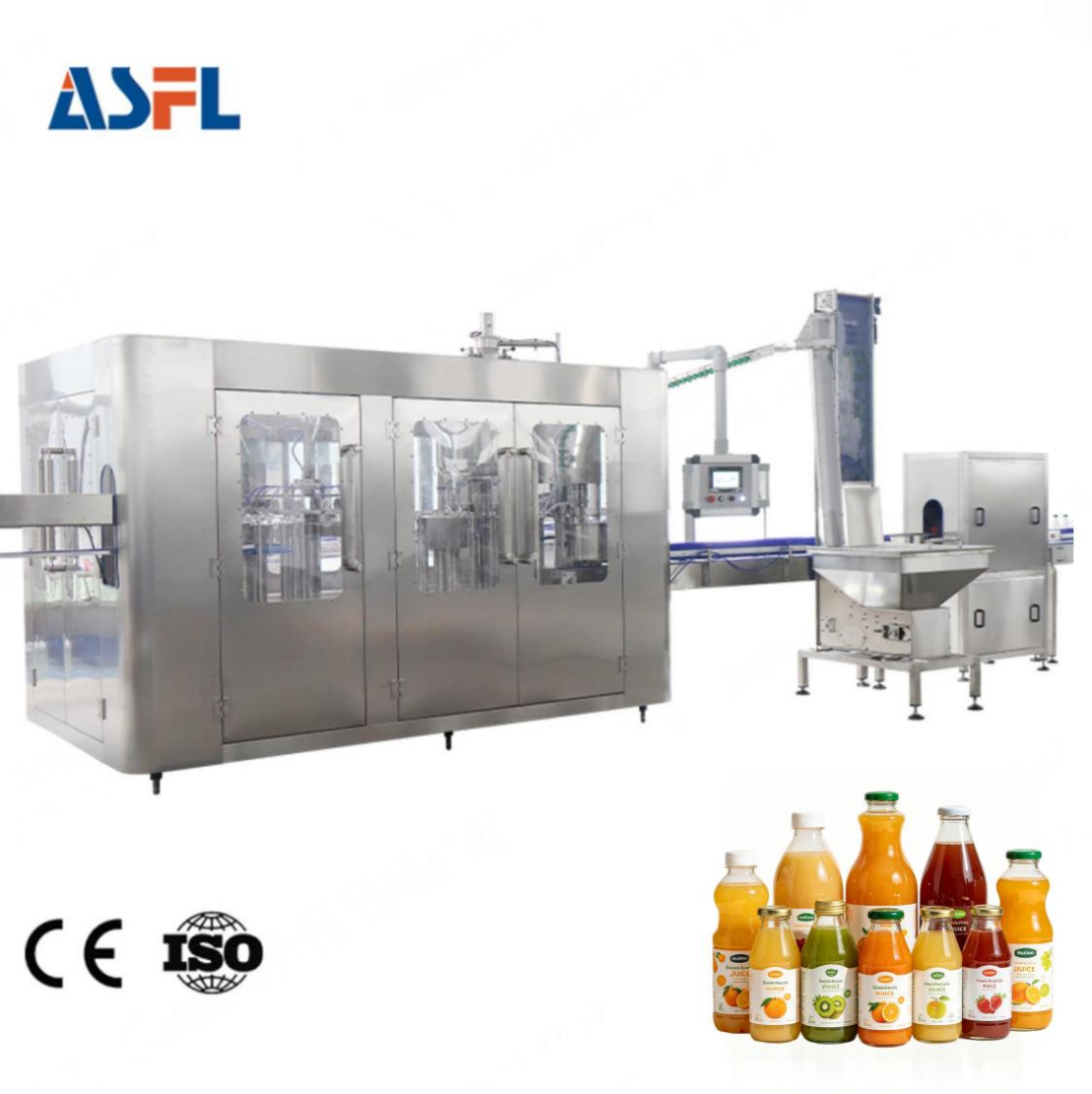
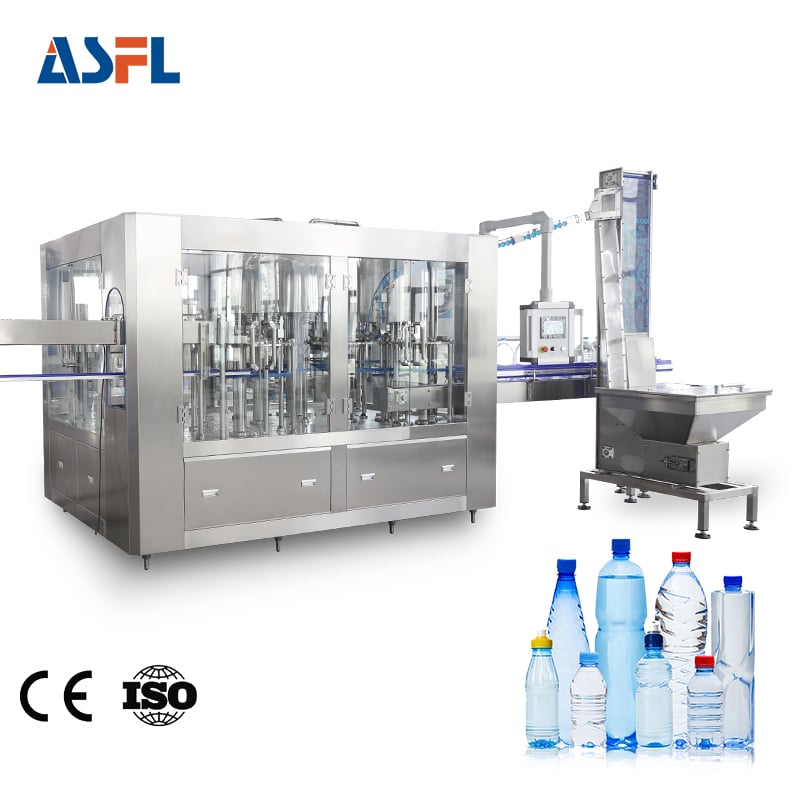
A small carbonated drink filling machine appeals because it can bring key actions into a defined sequence: prepare the beverage, manage the container, fill under appropriate pressure conditions, close the package, and release it for downstream handling. The exact configuration differs by project, but the value is a repeatable workflow that a small team can validate and document.
Why compact equipment fits the craft soda business model
It supports measured capacity growth
Craft soda producers commonly need enough output for a growing local or regional channel, yet they may still run limited batches, rotating flavors, or event-driven production. A small carbonated drink filling machine can be specified around the required run size and expected operating rhythm rather than around the highest theoretical capacity. This matters because oversized equipment may introduce extra floor-space, utility, training, and cleaning demands that do not improve the current production plan.
Capacity should be discussed with the supplier using the actual beverage, container, target carbonation, and operator routine. Published container-per-hour figures are useful starting points, but they do not replace a trial that includes product temperature, foam behavior, stoppages, and changeovers.
It keeps carbonation and foam control in the decision
Many search results for a carbonated drink filling machine point to isobaric filling, CO2 handling, and low-foam operation. Those themes matter because carbonated beverage filling depends on maintaining conditions that limit disruptive gas release while the product moves into the container. A compact machine is not automatically suitable simply because it is marketed for soda; the filling principle and controls must match the beverage and package.
Ask how the system manages product pressure, container preparation, filling valves, and recovery from foaming. For a producer with different carbonation targets across flavors, clarify which settings are adjustable, how repeatable they are, and what must be revalidated after a formula or bottle change.
It makes format changes more manageable
Craft soda can be sold in glass bottles, PET bottles, or cans, often with different neck finishes or lid requirements. A small carbonated drink filling machine may be a better fit when its change parts, guides, and closure equipment are defined around the formats actually planned for the next production period. The practical question is not whether one machine can theoretically accommodate every package; it is whether each change can be completed, checked, and recorded without consuming the day.
Cleanability is a production decision, not an afterthought
FDA notes that current good manufacturing practices exist for carbonated soft drinks, and facilities subject to applicable food rules may also need to consider broader CGMP and preventive-control requirements. Equipment does not confer compliance by itself. Still, a clear cleaning and sanitation approach is an important evaluation point for a carbonated drink filling machine.
Discuss product-contact materials, access to wetted areas, drainability, cleaning-in-place compatibility where relevant, and the records the team can maintain. Small operations benefit from a routine that is thorough enough for their process but realistic for the time between flavor runs. Before deciding, map the cleaning steps alongside production—not only the filling cycle.
Look beyond the filler to the surrounding line
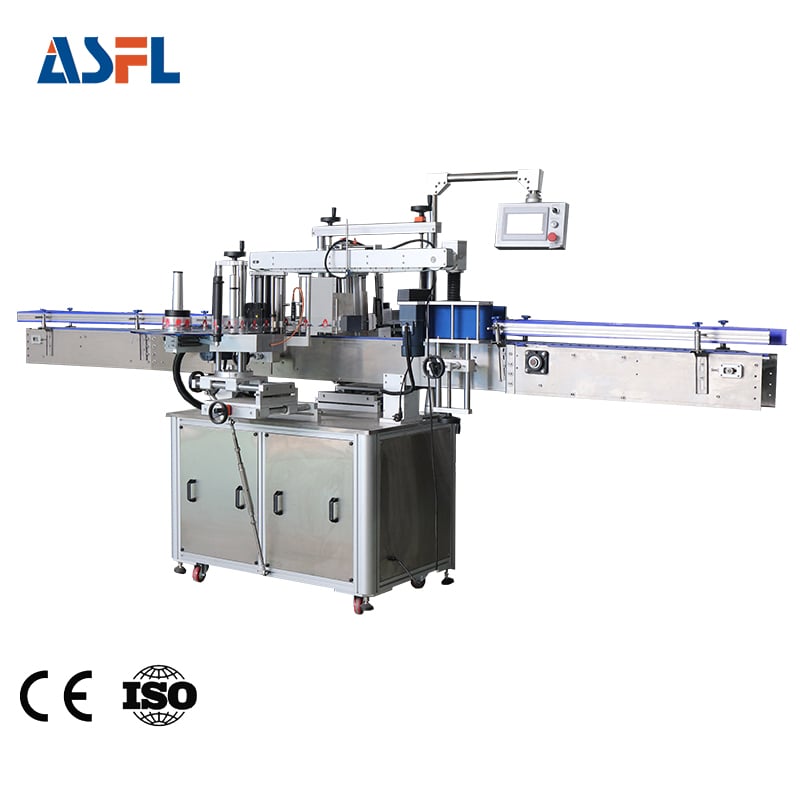
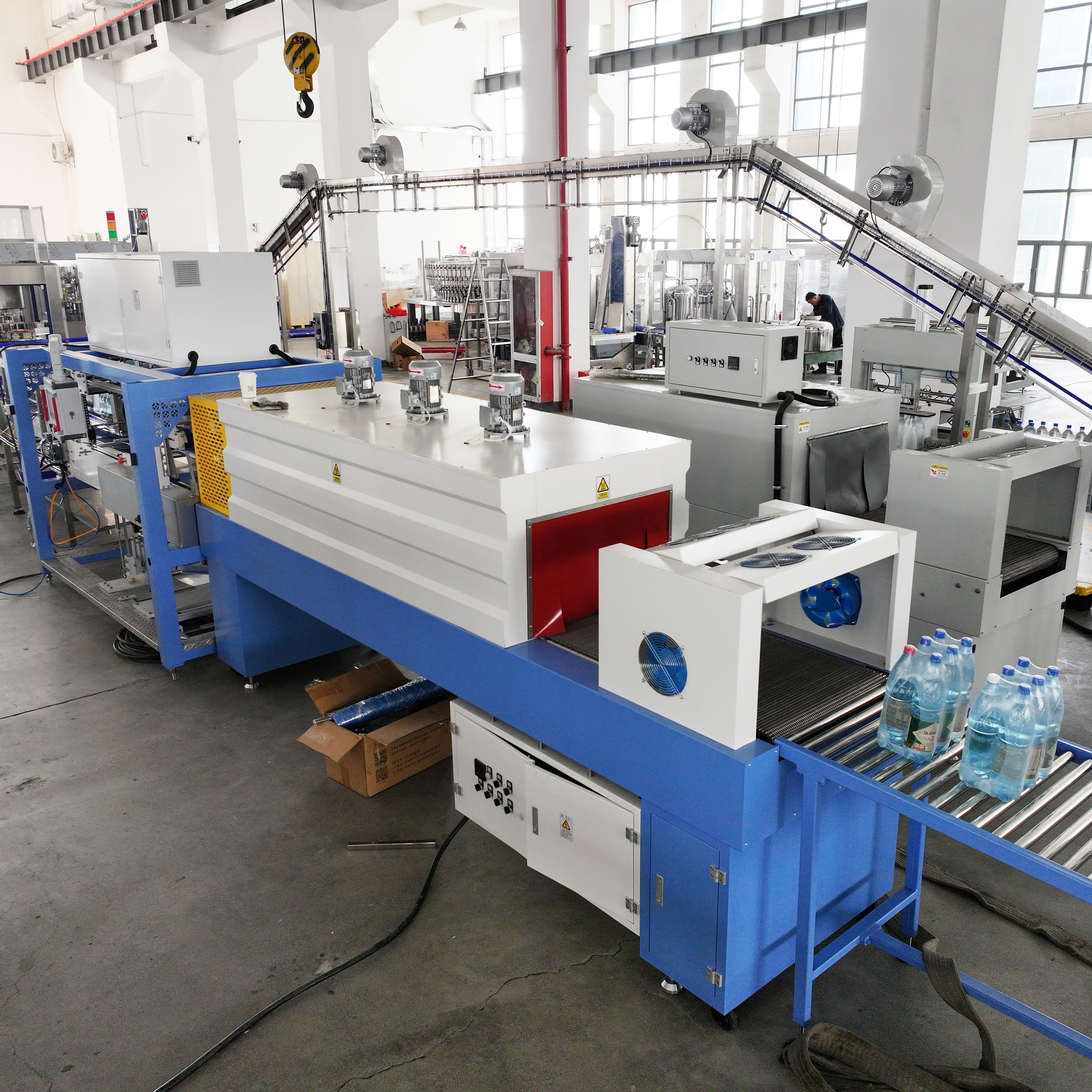
A compact filler can solve one constraint while exposing another. Bottle or can supply, closure application, coding, labeling, inspection, and packing need a compatible pace. This is where the view shifts from a single machine specification to line interfaces. Confirm the infeed and discharge arrangement, available utilities, footprint, operator access, and the way filled containers will move to the next station.
It is also worth asking how a small carbonated drink filling machine will behave during short stops. If an operator must replenish closures, replace containers, or inspect a seal, the restart procedure should be clear. These details often have more day-to-day value than a headline output number.
A practical validation checklist before purchase
- Define the product: document carbonation target, temperature at fill, ingredients that may affect foaming, and batch size.
- Define the package: provide bottle or can dimensions, closure type, label zone, and the formats expected in the first year.
- Ask for a relevant trial: use the actual beverage where feasible and observe fill consistency, foam behavior, closures, and cleanup requirements.
- Check the operating sequence: identify manual tasks, likely pause points, change-parts requirements, and restart checks.
- Review sanitation and support: confirm cleaning guidance, spare-parts access, documentation, training scope, and the path for troubleshooting.
- Plan the interfaces: match the carbonated drink filling machine to upstream preparation and downstream capping, labeling, and packing.
Why popularity is likely to continue
The appeal of a small carbonated drink filling machine is not that it removes every production challenge. Its appeal is that it gives craft soda producers a controlled middle ground between hand filling and a line sized for a much larger operation. When configuration follows the beverage, package, sanitation plan, and realistic daily rhythm, compact equipment can make experimentation and repeat production easier to manage.
For a producer comparing options, the most useful next step is a requirements sheet rather than a generic request for price. List the product conditions, packages, target run size, utilities, floor layout, and validation questions. That turns a conversation about a small carbonated drink filling machine into a more reliable equipment-fit discussion.

 Hot News








