EN
A beer filling machine is only one part of a packaging line. The supporting equipment before and after it determines whether containers arrive cleanly, whether the filler can hold a stable rhythm, and whether finished packs leave the line without avoidable handling damage. From a packaging-line engineering perspective, the right selection begins with the beer, the package, and the required output—not with a catalog of add-ons.
For a bottle or beer can filling machine project, start by mapping every handoff: empty-container delivery, rinsing or air cleaning, filling, closure, inspection, coding, labeling, packing, and discharge. A simple map often exposes the real constraint. For example, a fast filler does not help if the depalletizer, conveyor, or seamer cannot supply or accept containers at the same practical rate.
Start with the operating conditions of the beer filling machine
Define the product and package before choosing auxiliaries. Confirm the beer style, carbonation behavior, temperature at filling, cleaning method, container format, closure type, and planned shift pattern. Also record the target output as containers per minute or hour, including the expected mix of bottle sizes or can diameters. The nominal speed of a beer filling machine is a useful reference, but the sustained line speed depends on changeovers, accumulation, inspections, and minor stops.
Next, identify quality-sensitive points. On a can line, the handling sequence around purge, fill, and seaming deserves close attention because uncontrolled waiting or rough transfers can work against an oxygen-management plan. On a bottle line, neck guidance, cap feeding, and bottle stability may be more prominent. These differences should drive the auxiliary specification.
Build the line in functional blocks
It is more practical to select a beer filling machine support package by function than to buy isolated machines. The following blocks form a useful starting checklist.
1. Empty-container preparation
Choose depalletizing, unscrambling, air rinsing, water rinsing, or ionized-air cleaning according to the incoming package condition and the brewery’s hygiene procedure. The equipment needs guides and change parts that fit the actual container geometry. Ask how empty containers are rejected, how water or air use is controlled, and how the module is cleaned between runs. A beer can filling machine normally needs a stable can feed with low-impact transfers; a bottle system may need more attention to bottle-base support and neck handling.
2. Filling, gas, and closure handoffs
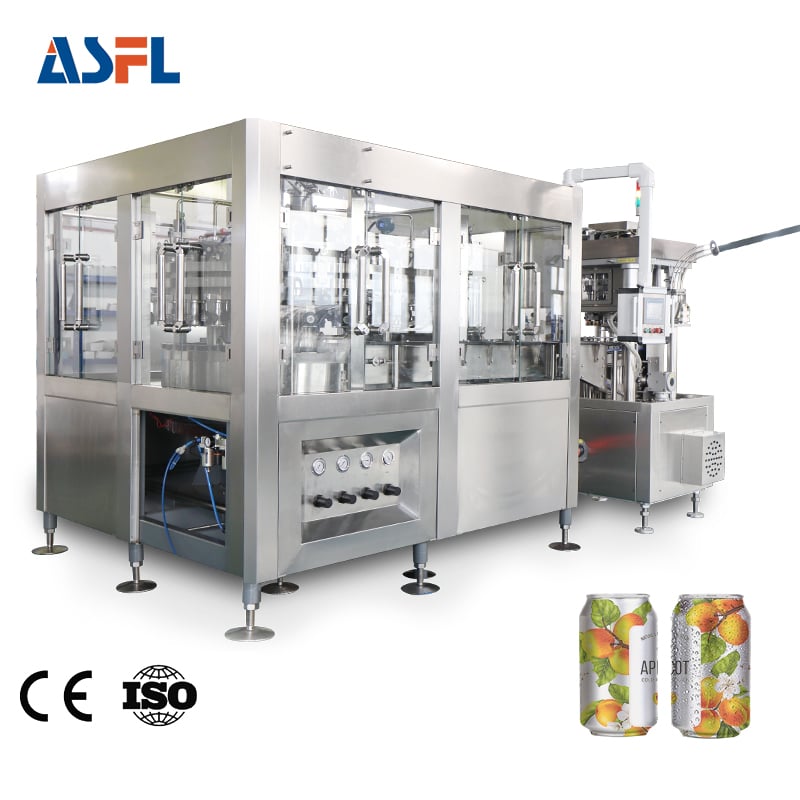
The filler, CO2 supply, product feed, and closing machine should be treated as one controlled zone. Verify the available utility pressure, gas-quality requirements, pipe routing, drainage, and clean-in-place boundaries before choosing valves, manifolds, or a buffer tank. For cans, specify the physical transfer between the beer can filling machine and seamer: its guide design, transfer time, sensor logic, and stop behavior all affect how the two machines behave together. For bottles, compare crown-feed, cap chute, and reject arrangements with the chosen closure format.
Do not assume that a general conveyor is suitable in this zone. The conveyor surface, guide rails, drive arrangement, and accumulation logic should suit wet containers and the plant’s sanitation routine. Where a filler pauses, the control system should tell upstream and downstream modules how to respond instead of allowing containers to crowd the critical transfer.
3. Inspection and rejection
Plan inspection as a decision point, not as an afterthought. The scope may include fill-level verification, closure or seam checks, date-code verification, container presence, and reject confirmation. The exact inspection method and acceptance limit must be agreed for the package and local quality program. What matters during selection is that the inspection device has a stable conveyor section, a defined reject lane, and traceable reject confirmation. An unchecked reject can create a larger operational issue than a brief filler stop.
4. Buffering and conveying
Conveyors and accumulation tables connect every module. Size them from the line’s stop pattern, not only from the rated speed of the beer filling machine. Determine where a short buffer protects the filler from a downstream labeler or packer pause, and where accumulation could damage containers, scuff labels, or create unstable pressure. Confirm conveyor elevation, turn radius, guide adjustment, drainage, and access for cleaning. A measured accumulation plan is usually more useful than adding long conveyor runs without a control purpose.
5. Coding, labeling, and secondary packing
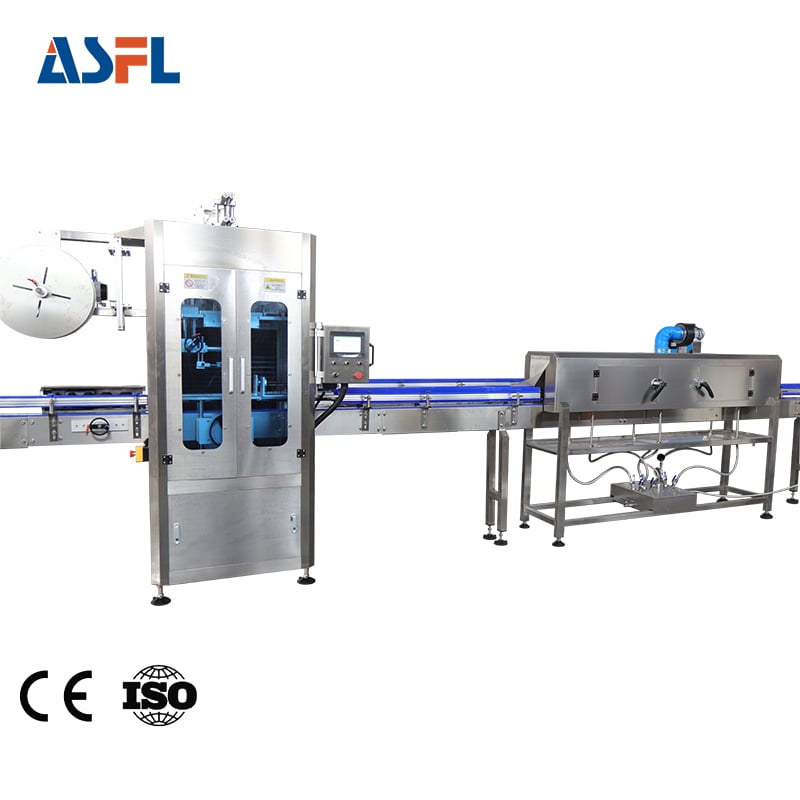
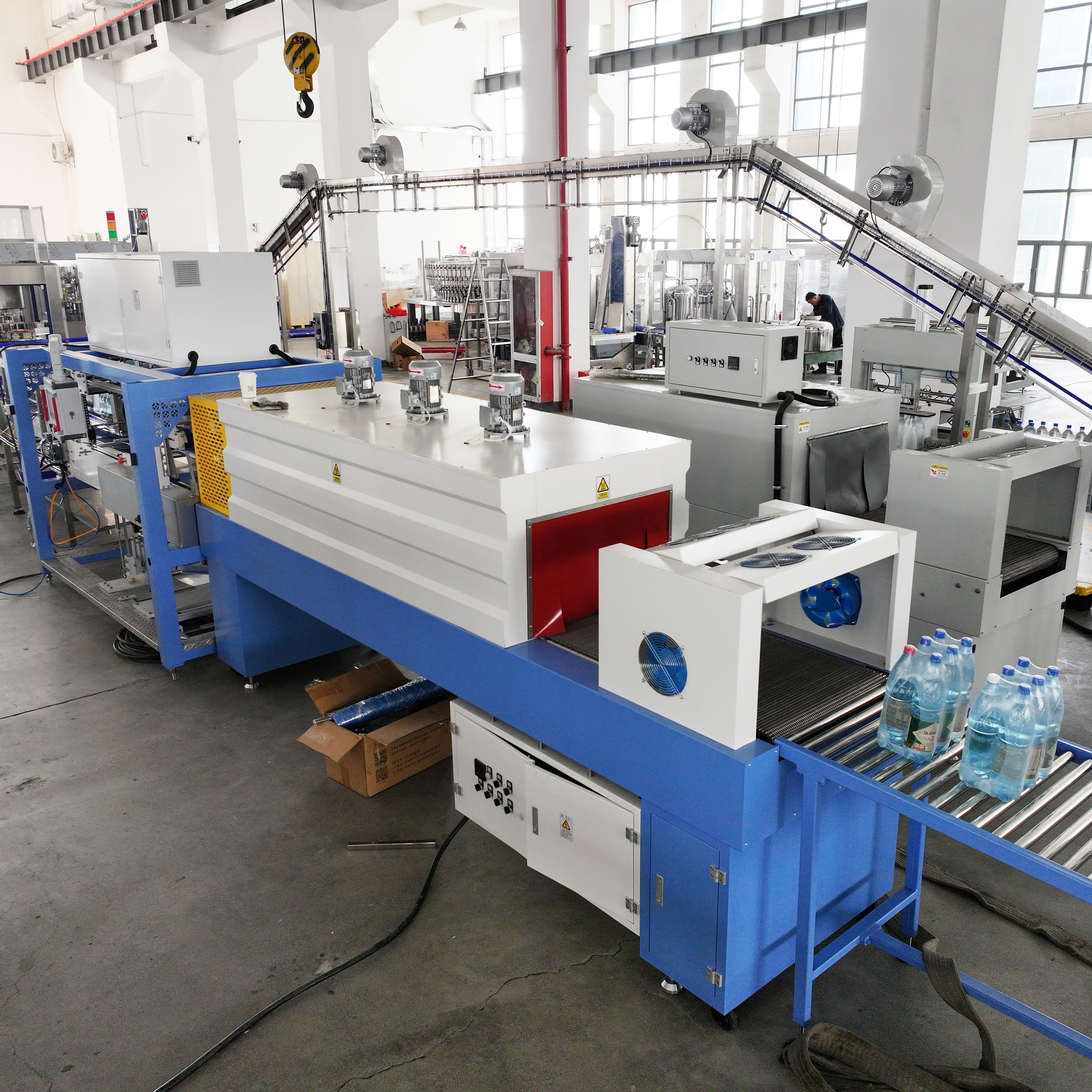
Select coding and labeling equipment after the container and closure are fixed. The code location must remain readable after condensation, handling, and pack-out. Labeler choice depends on bottle surface, can decoration, label format, and line speed. Downstream, case packing, tray packing, shrink wrapping, palletizing, or transfer equipment should match the distribution format and provide a clear route for rejected packs. The aim is a continuous package path with understandable manual access points, not the largest possible list of downstream modules.
Match capacity at every handoff
Use a line-capacity table during supplier discussions. List each module, its intended operating range, the container formats it handles, its expected changeover actions, the handoff signal it needs, and its planned buffer location. Then review the lowest sustainable rate rather than selecting every device at the filler’s headline rate. This is the shift from comparing single-machine specifications to verifying the whole-line handoff.
| Question | Why it matters | Evidence to request |
|---|---|---|
| Can the module handle every planned package? | Format limits may appear during changeover. | Container drawings, change-part list, and changeover procedure. |
| How does it react to a filler stop? | Controls determine whether pressure builds at a transfer. | Interlock list and line-control sequence. |
| What is the real operating range? | Rated speed alone does not show stable performance. | Run conditions and acceptance-test plan. |
| How is sanitation performed? | Access and drainage affect daily operation. | Cleaning procedure, material list, and utility connections. |
Specify controls, hygiene, and maintainability early
Supporting equipment should share a clear control philosophy with the beer filling machine. Ask for a defined responsibility matrix covering speed reference, start/stop logic, emergency stops, container tracking, fault messages, and remote support boundaries. Signal names and handoff conditions should be agreed before installation, especially when different modules come from different sources.
Hygienic design is equally practical. Review product-contact boundaries, splash zones, drain points, access doors, cable routing, and the materials used where washdown occurs. Maintenance teams also need room to change belts, clean sensors, replace guide components, and work around the filler without dismantling nearby equipment. A lower-cost module can create a higher operating burden if routine access is poor.
Use a validation-based buying process
The right way to select auxiliaries is to convert needs into tests. Before placing an order, prepare a requirement sheet that includes product conditions, container drawings, output target, utilities, floor layout, sanitation method, quality checks, and responsibilities for each handoff. Request a layout that shows access space as well as equipment footprints.
- Prioritize the functions that protect product quality and package integrity.
- Confirm that each auxiliary handles the actual container formats and planned changeovers.
- Review control handshakes and accumulation behavior around the beer filling machine.
- Define factory and site acceptance checks, including the chosen closure or seam, rejection confirmation, line flow, and cleaning access.
- Train operators on normal stops, safe restart, sanitation, and format changeover before routine production.
For a beer can filling machine, it is sensible to include the purge-to-fill-to-seam transfer in the acceptance discussion and to set plant-specific checks for package quality. For bottle projects, focus the same discipline on rinsing, bottle guidance, capping, and label or code performance. Neither route needs a universal auxiliary list; it needs evidence that each chosen module supports the intended process.
Final selection principle
Select auxiliary equipment for a beer filling machine as an integrated system of preparation, controlled transfer, inspection, buffering, and pack handling. Begin with the beer and package, match capacity at each handoff, and make hygiene and control responsibilities visible in the specification. This approach gives purchasing, production, and maintenance teams a common checklist for comparing configurations without relying on a single headline speed or an unverified promise.
 Hot News