 EN

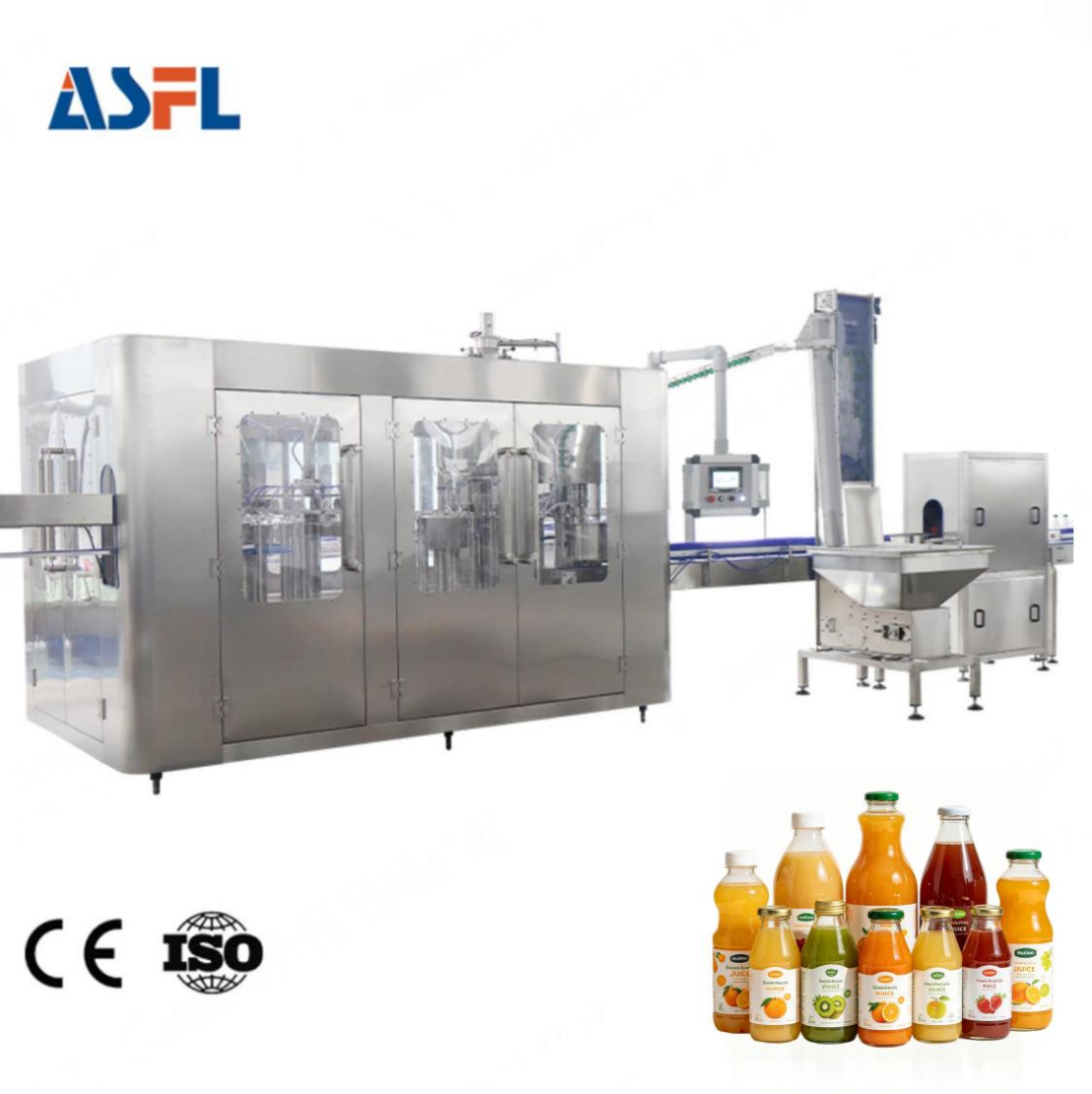
A fruit juice line is not simply a pump, a filler, and a capper. Every wetted surface sits inside a food-safety system that has to handle juice acids, pulp or sugar residues, cleaning chemicals, heat, and repeated production cycles. That is why food-grade stainless steel is a mandatory specification for a fruit juice filling machine: the material choice affects cleanability, corrosion control, product-contact suitability, and the ability to document the line for customers and regulators.
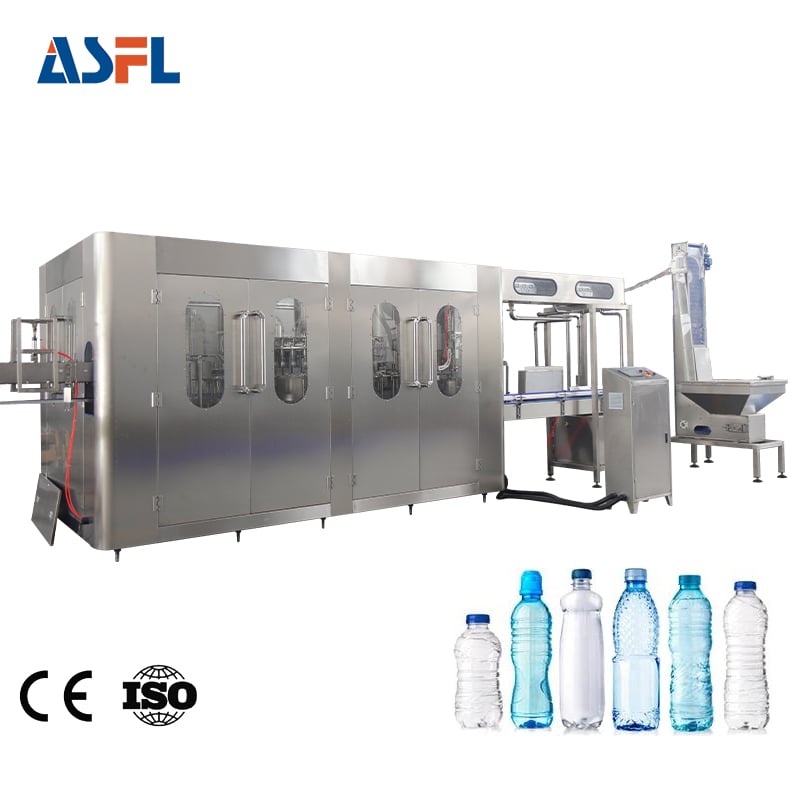
From a liquid-filling equipment selection adviser’s perspective, the sensible order is to define the liquid and cleaning conditions before discussing speed. A stainless steel water bottle filling machine may look similar to a juice line, but water and fruit juice do not leave the same deposits or impose the same corrosion and hygiene questions. The useful question is not “Is the frame stainless?” It is “Which product-contact components, welds, seals, valves, and pipe interiors are specified, finished, and verified for this juice process?”
Why fruit juice makes material selection a food-safety issue
Juice can contain natural acids, suspended solids, sugars, flavor compounds, and sometimes added ingredients. During filling, these fluids touch tanks, transfer piping, pumps, valves, filler bowls, nozzles, and return paths. After filling, residues must be removed reliably. A surface that is difficult to clean, damaged by the cleaning cycle, or prone to corrosion can create traps where residues remain.
Food-contact rules are built around the principle that materials intended to touch food must be suitable for that purpose. In the United States, the FDA’s Juice HACCP guidance also places juice processing within a hazard-control framework. That does not mean a material grade by itself makes a machine compliant. It means the machine’s food-contact materials and cleaning approach need to support the processor’s documented controls.
For a fruit juice filling machine, food-grade stainless steel provides a practical foundation because it is durable, can be fabricated into smooth cleanable surfaces, and is commonly used for hygienic process equipment. The final specification still needs to reflect juice formulation, temperature, cleaning chemistry, and the customer’s market requirements.
Food-grade stainless steel is more than a grade number
Buyers often request “304 stainless steel” or “316 stainless steel,” but an effective specification goes beyond that shorthand. Both grades are commonly considered for food-processing applications, while the selection between them should be reviewed against the actual operating environment. More demanding acidity, chloride exposure, aggressive cleaning media, elevated temperature, or frequent sanitation may change the corrosion-resistance requirement for a particular wetted component.
More accurately, a material grade is only one part of a hygienic design decision. Ask the equipment supplier to distinguish between:
- Product-contact parts: tanks, pipelines, filler bowls, nozzles, pump chambers, valve bodies, and fittings that touch juice.
- Splash-zone parts: surfaces likely to receive product or cleaning solution during normal use.
- Non-contact structure: guards, frames, and supports that may use a different specification when they cannot contact product.
- Associated materials: seals, hoses, gaskets, lubricants, coatings, and weld consumables, which also need to suit the process.
This distinction avoids a common purchasing error: approving a stainless steel water bottle filling machine based on an exterior finish while the product-contact path remains vague. A credible quotation identifies the wetted path and documents the material designation for each critical assembly.
Cleanability is the operational reason stainless matters
Juice residues do not disappear because a surface looks polished from the outside. Hygienic performance depends on the inside geometry of the process path: accessible tanks, drainable piping, appropriate connections, smooth welds, suitable gaskets, and a cleaning sequence that reaches the filler circuit. Clean-in-place capability can help, but it must be validated for the line’s actual product and soil load.
That is why the stainless requirement should be tied to fabrication and maintenance details. During a technical review, ask how internal welds are finished, whether dead legs have been minimized, where the system drains, how nozzles are cleaned, and how operators inspect seals. If the liquid characteristics are stable, grade comparisons become more meaningful; if the formula or sanitation program changes, the supplier should reassess the material and cleaning assumptions.
A fruit juice filling machine also has to work as part of a line. Product preparation, filtration, filling, capping, and downstream handling all affect the sanitation plan. Looking at these interfaces early is usually more useful than focusing only on the filler’s nominal output.
Corrosion control protects process consistency
Corrosion can roughen a surface, make cleaning less predictable, and increase maintenance attention. In beverage equipment, the concern is not limited to the juice itself. Water quality, cleaning agents, contact time, temperature, and improper material mixing can all influence the service environment. For that reason, a supplier should not make a universal claim that one stainless grade fits every juice application.
Instead, provide the processor with a process questionnaire covering pH range, ingredients, viscosity, pulp content, filling temperature, storage time, cleaning chemicals, rinse-water quality, and production schedule. The answers help determine where standard food-contact stainless construction is appropriate and where an upgraded material, different seal, altered finish, or more frequent inspection may be warranted.
A buyer’s verification checklist for a juice filling line
Move from a broad “food-grade” request to a verifiable technical specification. Before approving a line, request the following:
- A wetted-parts list showing material grades for tanks, pipework, valves, pumps, filler bowls, and nozzles.
- Drawings that identify product flow, drain points, cleaning connections, and components that must be opened or inspected.
- Details of internal surface finish and welding practices for food-contact assemblies.
- Compatibility confirmation for the juice formulation, cleaning agents, temperature range, and intended sanitation routine.
- Certificates or traceability records where the project, customer, or target market requires them.
- A factory acceptance or trial plan using the agreed product conditions, with clear criteria for cleaning and fill performance.
This checklist shifts the discussion from a brochure claim to evidence that a stainless steel water bottle filling machine configuration can be adapted responsibly for juice. It also gives procurement, quality, and production teams a common basis for reviewing the supplier response.
Specify the process, then verify the stainless construction
Food-grade stainless steel is mandatory in a fruit juice filling machine because product-contact equipment has to support hygienic processing, cleanability, and material suitability throughout its working life. Yet the decision is not solved by writing one grade on a purchase order. Define the juice and cleaning conditions, map every wetted component, verify fabrication details, and test the agreed process before release.
Ace-Filling (Suzhou) Packaging Machinery Co., Ltd. works on liquid, paste, and sauce filling equipment discussions where material, container, and line interfaces need to be clarified together. For a project review, prepare the product data and sanitation requirements first; then the equipment configuration can be evaluated against the conditions that actually govern a reliable juice-filling operation.
 Hot News








