 EN

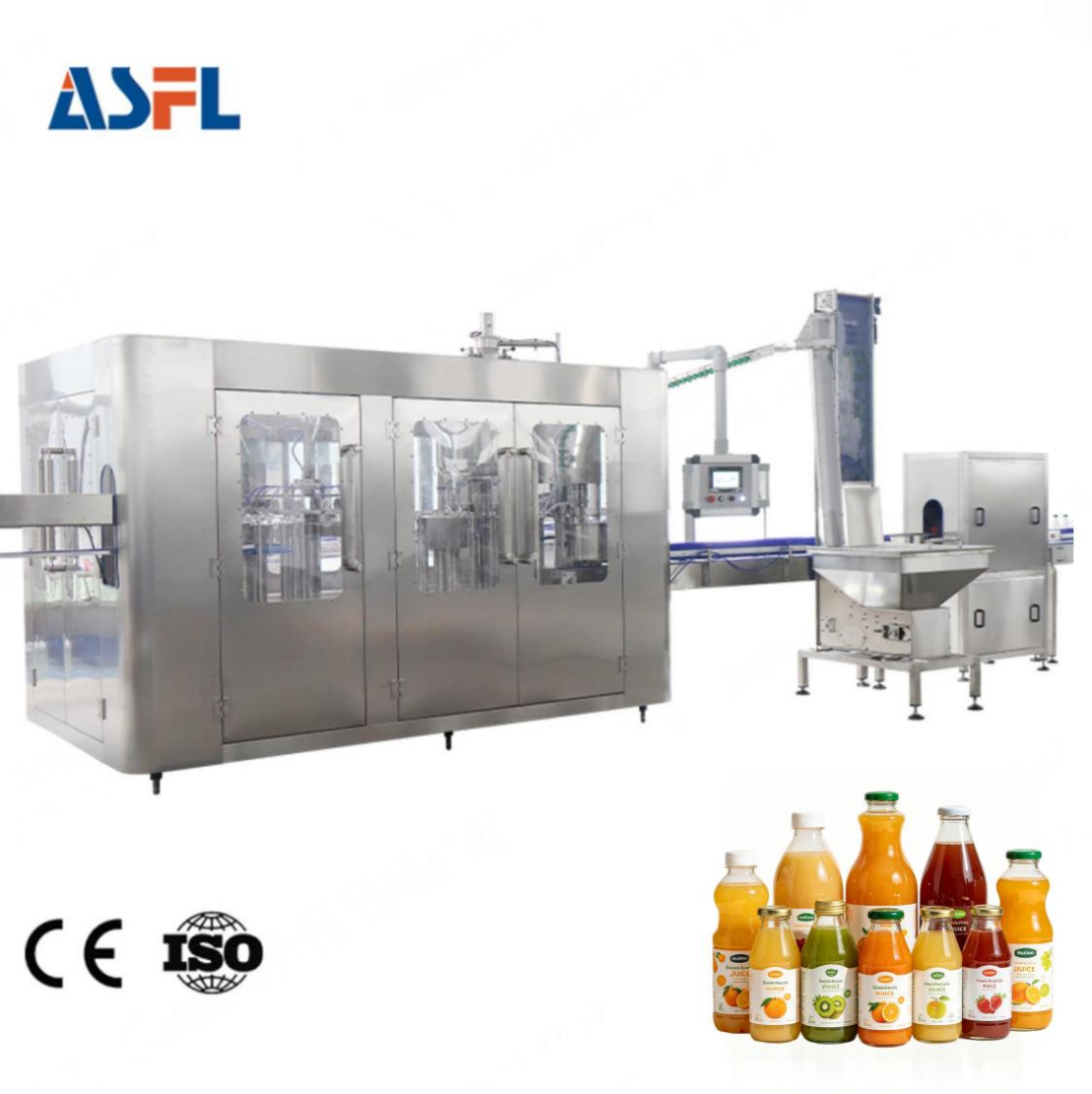
The global beverage manufacturing sector is witnessing an extraordinary structural shift driven by surging consumer demand for cold-pressed juices, functional botanical blends, and high-pulp organic drinks. Operating legacy packaging infrastructure reliant on semi-automated transfer valves or direct manual oversight introduces systemic vulnerabilities into the fluid packaging process. Plant managers face compounding operational challenges, including variable thermal distribution, frequent micro-particulate contamination, slow format changeovers, and chronic product giveaway. For commercial facilities targeting long-term growth and operational resilience, integrating a modern automated juice bottling machine into the production floor represents a indispensable capital engineering decision. Advanced juice filling equipment combines robust mechanical architecture with real-time digital feedback systems to satisfy strict throughput demands while preserving liquid nutritional profiles. Industry specialists at
Mastering Fluid Dynamics and Thermal Controls in Juice Packaging
Juice products present complex fluid dynamics that differ fundamentally from clear carbonated soft drinks or purified drinking water. Fruit extracts contain distinct suspended solids, natural sugars, organic acids, and variable oil content that alter viscosity across standard operating cycles. Maintaining batch-to-batch consistency requires an automated juice bottling machine engineered to manage thermal distribution and fluid velocity with absolute precision.
Thermal integrity during hot-fill or aseptic bottling is non-negotiable; minor thermal deviations allow vegetative pathogens to survive, compromising product safety and shortening shelf life.
Modern juice filling equipment addresses these processing challenges through multi-zone heating jackets, dynamic recirculating manifolds, and pressure-balanced filling valves. Key engineering features essential for managing raw juice dynamics include:
-
Automated Recirculation Valves: Maintain liquid target temperatures (typically 85°C to 92°C for hot-fill processes) during brief line pauses, preventing cooling within the fluid manifold of the automated juice bottling machine.
-
Dynamic Viscosity Adaptation: Servo-driven dosing pistons adjust stroke profiles on the fly to accommodate fluctuating pulp densities without causing internal shear strain or nozzle clogging across the beverage packaging line.
-
Anti-Foaming Diving Nozzles: Pneumatic nozzle assemblies descend deep into the container body before fluid delivery, rising in precise synchronization with the ascending liquid level to minimize surface turbulence and foaming.
Failing to implement these thermal and fluid control mechanisms within the automated juice bottling machine leads to inconsistent bottle fills, thermal shock container collapse, and costly product disposal.
Sanitary Design Frameworks and Global Compliance Standards
Commercial juice processing facilities operate under strict regulatory oversight. International authorities, including the United States Food and Drug Administration (FDA), the European CE mark authority, and ISO 22000 food safety management systems, enforce rigid sanitary requirements on all food-contact equipment. An automated juice bottling machine must adhere to strict hygienic engineering principles to prevent bacterial biofilm formation and cross-batch contamination.
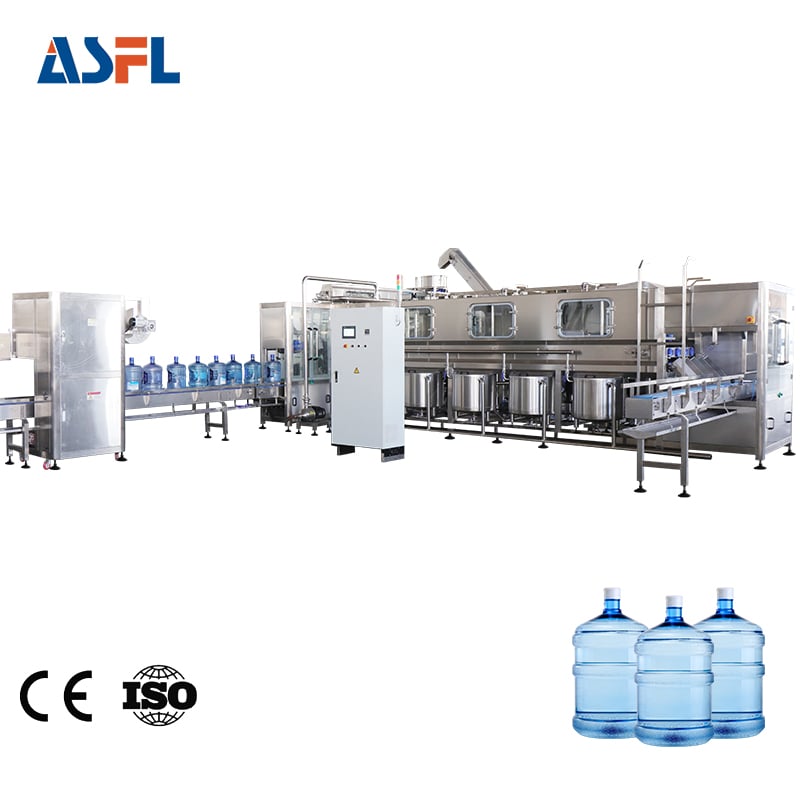
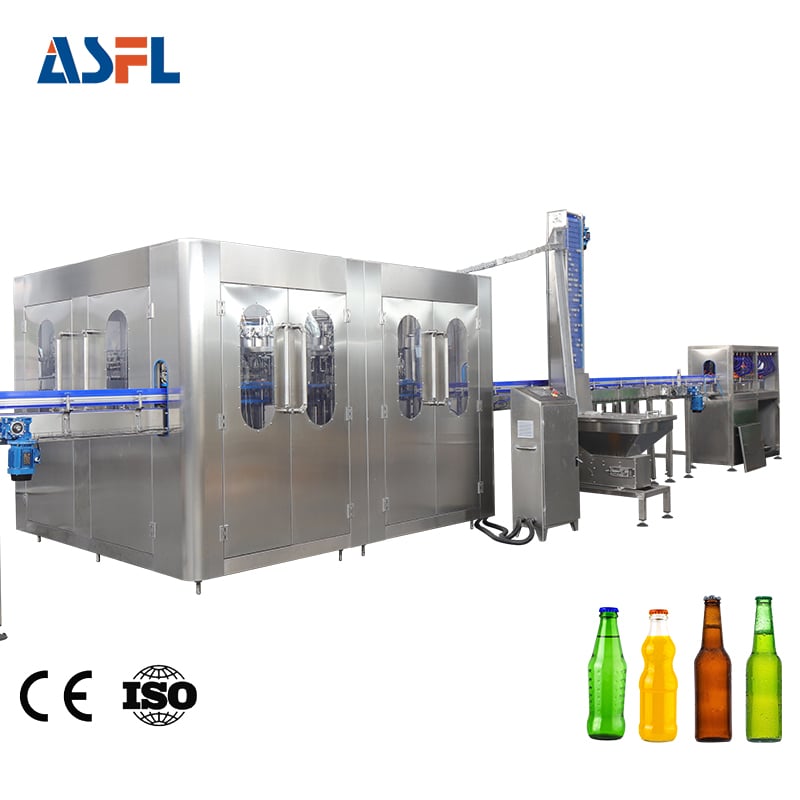
As illustrated in the process flow above, every contact point along the beverage packaging line must be constructed from high-grade electropolished stainless steel, such as SUS316L. Standard industrial steels degrade rapidly when exposed to low-pH fruit acids like citric, malic, and ascorbic acids. Furthermore, high-performance juice filling equipment features fully integrated Clean-In-Place (CIP) and Sterilization-In-Place (SIP) utility loops. These systems flush automated cleaning agents, caustic solutions, and superheated steam through internal fluid pathways at optimal velocities, eliminating the need for manual teardown. Integrating these automated sanitation cycles within the automated juice bottling machine guarantees continuous regulatory compliance while minimizing worker chemical exposure and reducing total sanitization downtime.
Quantitative Comparison of Packaging Technologies
Selecting the appropriate fill metering mechanism directly impacts capital expenditure, operational flexibility, and raw material conservation. Plant engineers must evaluate technical parameters when integrating an automated juice bottling machine into an active production facility.
-
Mass Flow Metering: Utilizes Coriolis or magnetic induction technology to calculate true fluid mass independently of temperature or viscosity variations. Offers ultra-high accuracy (plus/minus 0.1 percent) with zero moving mechanical contact parts, making it ideal for multi-flavor, high-speed applications on a modern beverage packaging line.
-
Servo Piston Metering: Employs positive displacement pistons driven by high-torque servo motors. Delivers exceptional volumetric accuracy for heavy pulpy formulations and thick fruit purees processed by specialized juice filling equipment.
-
Gravity Level Filling: Relies on mechanical float valves and static pressure heads. While cost-effective for thin liquids, gravity filling struggles with high-viscosity juices and presents elevated maintenance complexity on automated lines.
The operational parameters of these core technologies integrated within an automated juice bottling machine are compared below:
| Technical Parameter | Mass Flow Meter System | Servo Piston System | Gravity Level System |
| Dosing Accuracy | Plus/minus 0.1 to 0.2 percent | Plus/minus 0.2 to 0.5 percent | Plus/minus 1.0 to 1.5 percent |
| Pulp Handling Capacity | Up to 10 mm particulate size | Up to 15 mm particulate size | Micro-particulates only |
| Sanitary CIP Cleanup | Fully Automated Closed-Loop | Semi-Automated / CIP | Manual or Semi-Automated |
| Production Speed Range | High to Ultra-High (18,000+ BPH) | Medium to High (12,000 BPH) | Low to Medium (6,000 BPH) |
| Maintenance Overhead | Ultra-Low (No wear seals) | Moderate (Piston seal checks) | High (Mechanical spring wear) |
Deploying mass flow or servo piston technologies in an automated juice bottling machine provides superior operational versatility compared to legacy gravity fillers. High accuracy directly reduces product giveaway over millions of annual filling cycles, delivering measurable ROI for the plant owner.
Operational Reliability and Integration across the Line
Upgrading a single processing node without considering downstream automation creates artificial line bottlenecks. A state-of-the-art automated juice bottling machine must operate in perfect synchronization with container feeding systems, rotary capping turrets, sleeve labeling stations, and secondary end-of-line packaging machinery.
-
Line Synchronization: Variable frequency drives (VFDs) and central Programmable Logic Controllers (PLCs) continuously adjust the conveyor speed of the beverage packaging line based on real-time sensor data from upstream bottle rinser outputs.
-
Automated Fault Rejection: Integrated optical vision cameras inspect bottle neck threads, cap torque seating, and fill height markers immediately after the capping stage of the automated juice bottling machine. Defective containers are ejected via high-speed pneumatic pushers without interrupting the main container stream.
-
Rapid Format Changeover: Toolless starwheel adjustments and pre-programmed digital recipe management allow operators to switch container sizes (e.g., from 250ml single-serve PET to 1.5L family-size glass bottles) in under 30 minutes, maximizing daily uptime for all juice filling equipment.
Ensuring seamless mechanical and software integration across the beverage packaging line protects expensive upstream processing assets, reduces labor expenses, and creates a repeatable, scalable manufacturing workflow.
Conclusion and Strategic Engineering Advice
Transitioning to an advanced automated juice bottling machine is a decisive strategic investment that elevates product quality, safeguards consumer health, and optimizes operational efficiency. By selecting equipment built with premium sanitary materials, precise dynamic metering valves, and automated clean-in-place capabilities, beverage processing plants establish a robust defense against contamination and financial waste. To evaluate custom factory layouts, analyze return-on-investment metrics, and select high-performance juice filling equipment tailored to your facility's exact requirements, consult the engineering team at
 Hot News








