 EN

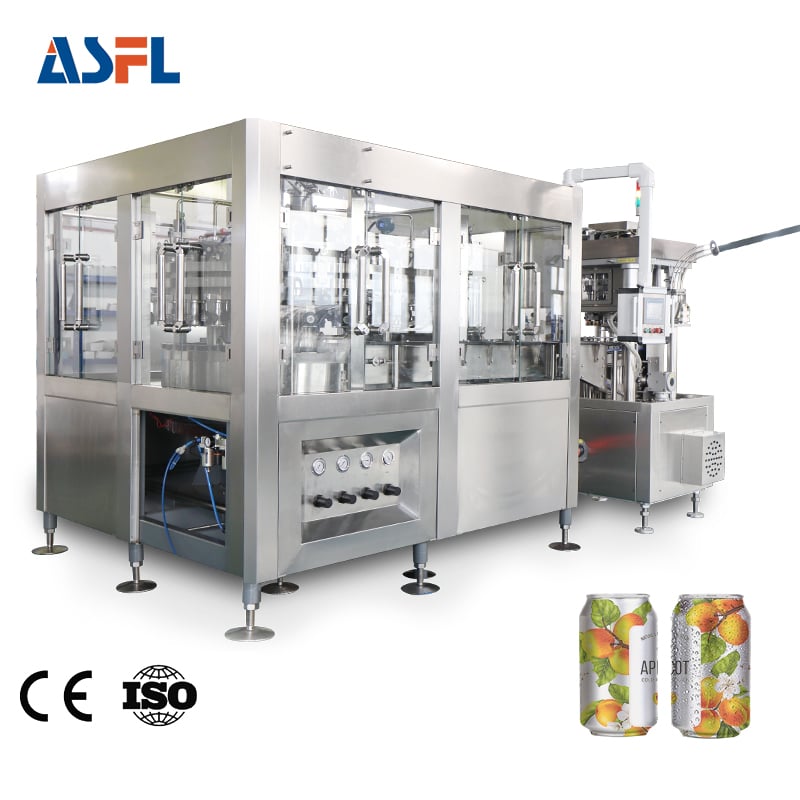
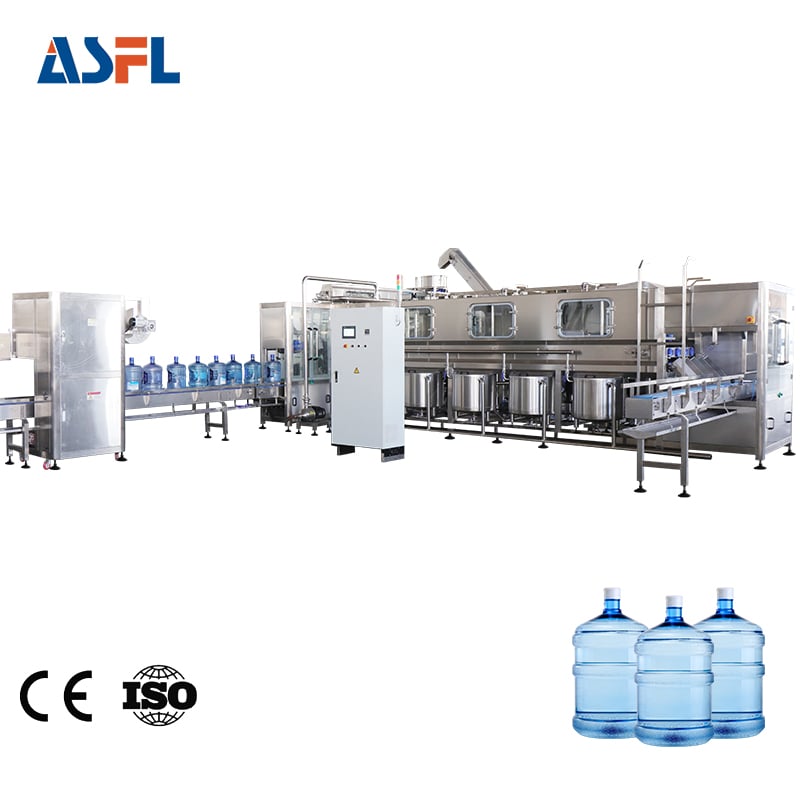
In modern beverage manufacturing, high-speed production lines operate under relentless pressure to deliver flawless bottled water to retail markets. A high-performance water filling and capping machine forms the absolute core of any purified or mineral water plant, executing thousands of precision fill cycles per hour. However, even the most advanced rotary filling blocks can occasionally produce anomalies, such as underfilled containers, crooked caps, missing foil seals, or micro-particulate contamination. Without an intelligent safety net, these defective items can easily slip past standard visual inspection, reaching end consumers and triggering catastrophic product recalls. This is why integrating an automatic bottle rejection system directly into a water filling and capping machine is no longer an optional luxury, but an essential engineering standard for modern manufacturing plants. Industry innovators at
The Operational Risks of Operating Without a Rejection Mechanism
When a packaging line lacks an automatic bottle rejection system, plant managers and floor operators face severe operational vulnerabilities. Manual intervention is notoriously unreliable in high-speed factory environments running at over 15,000 bottles per hour. Human fatigue, delayed reaction times, and visual blind spots mean that defective containers frequently proceed downstream to high-speed labeling, shrink-wrapping, and secondary cartoning machines, causing widespread damage.
-
Uncontrolled Line Stoppages: When a jammed, deformed, or poorly capped bottle crashes into downstream starwheels, guide rails, or conveyors, it triggers emergency stops that instantly halt the entire water filling and capping machine, leading to massive hourly output losses and equipment wear.
-
Regulatory Non-Compliance: Shipping retail containers with loose caps, improper torque levels, or compromised liquid fills violates standard food safety frameworks, exposing the plant to heavy regulatory fines and mandatory operational audits.
-
Brand Damage and Financial Liability: A single consumer discovering contaminated or leaked bottled water can permanently tarnish a brand's market standing, resulting in costly batch recalls, retailer penalties, and lost contracts.
By utilizing an automated ejection mechanism positioned immediately after the capping turret and inline inspection sensors, plants isolate defective containers in milliseconds without interrupting the continuous flow of the water filling and capping machine.
Technical Architecture of an Automatic Bottle Rejection System
An effective automatic bottle rejection system relies on seamless synchronization between high-speed optoelectronic sensors, high-resolution machine vision cameras, programmable logic controllers (PLCs), and pneumatic pushers or high-speed diverter gates. As each container exits the water filling and capping machine, it passes through a multi-stage quality control inspection zone designed to catch every structural flaw.
-
Vision Inspection Modules: Advanced industrial cameras capture high-speed snapshots of the bottle neck, cap torque alignment, tamper-evident ring integrity, and liquid fill level, instantly comparing each unit against pre-programmed CAD engineering standards.
-
PLC Synchronization: If a deviation or defect is flagged, the central plant control system logs the exact encoder pulse of the defective bottle as it travels along the high-speed conveyor belt.
-
Pneumatic Ejection Actuation: Upon reaching the designated rejection station, high-speed pneumatic air jets or mechanical swing arms gently yet swiftly deflect the faulty bottle off the main line into a secure, lockable stainless steel rejection bin.
This precise tracking prevents false rejections while ensuring zero defective products escape into the primary packaging stream. Furthermore, modern beverage packaging equipment integrates smart feedback loops that automatically pause the filling turret if consecutive rejections exceed preset safety thresholds, indicating upstream mechanical wear or valve calibration drift.
Comparative Analysis of Detection and Rejection Technologies
Selecting the right rejection methodology depends heavily on plant throughput, container material properties, and specific quality control parameters. The table below compares common rejection technologies integrated into modern water filling and capping machine setups.
| Rejection Technology | Primary Application | Response Speed | Maintenance Complexity |
| Pneumatic Air Blast | Lightweight PET bottles (500ml to 1.5L) | Ultra-Fast (Under 20 milliseconds) | Low |
| Mechanical Swing Arm | Heavy glass bottles, large gallon jugs | Moderate (Medium speed lines) | Medium |
| Diverter Starwheel | High-speed rotary accumulation lines | High (Synchronized rotation) | High |
As highlighted in the comparison, pneumatic air blasts provide the fastest and most reliable ejection for standard lightweight PET containers processed by a high-efficiency water filling and capping machine, minimizing physical impact force and preventing secondary liquid spills on the factory floor.
Meeting International Food Safety and Quality Standards
Integrating an automatic bottle rejection system is vital for satisfying global regulatory frameworks governing liquid food manufacturing. International bodies such as the FDA, NSF International, and ISO 22000 mandate strict traceability and quality assurance protocols for any commercial beverage packaging equipment.
-
Automated Log Auditing: Modern rejection controllers record every rejected bottle timestamp, error classification, and batch code, providing transparent data logs for internal quality assurance audits and regulatory compliance checks.
-
Contamination Prevention: By instantly segregating leaking or unsealed containers from the main line, the system prevents stagnant water pooling on conveyors, thereby eliminating breeding grounds for mold, yeast, and bacteria in the plant environment.
-
Operator Safety: Automated handling of defective containers reduces the need for factory workers to reach into moving machinery lines, lowering workplace injury rates significantly and ensuring compliance with OSHA and international safety guidelines.
Adhering to these rigorous benchmarks ensures that your water filling and capping machine meets export-grade quality requirements, allowing your enterprise to expand into competitive international markets with total confidence.
Conclusion and Strategic Plant Integration
Investing in an advanced water filling and capping machine equipped with a robust automatic bottle rejection system is a foundational requirement for sustainable beverage manufacturing. By eliminating human error, preventing costly line jams, and guaranteeing absolute product integrity, plant managers can maximize operational efficiency and protect brand equity. For customized engineering solutions and expert consultation on upgrading your beverage packaging equipment, explore the advanced systems offered by

 Hot News








