EN

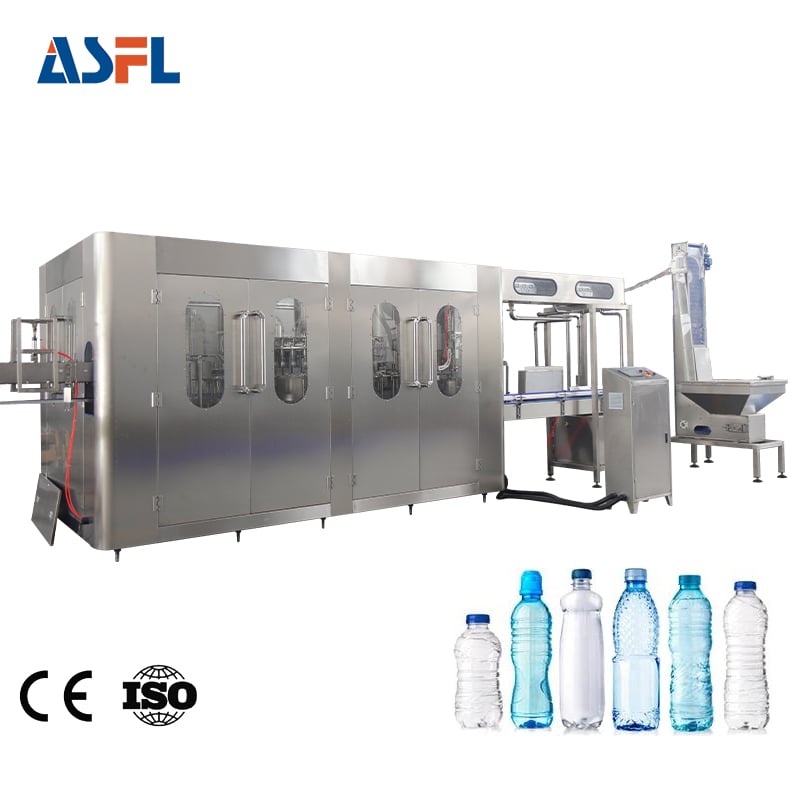
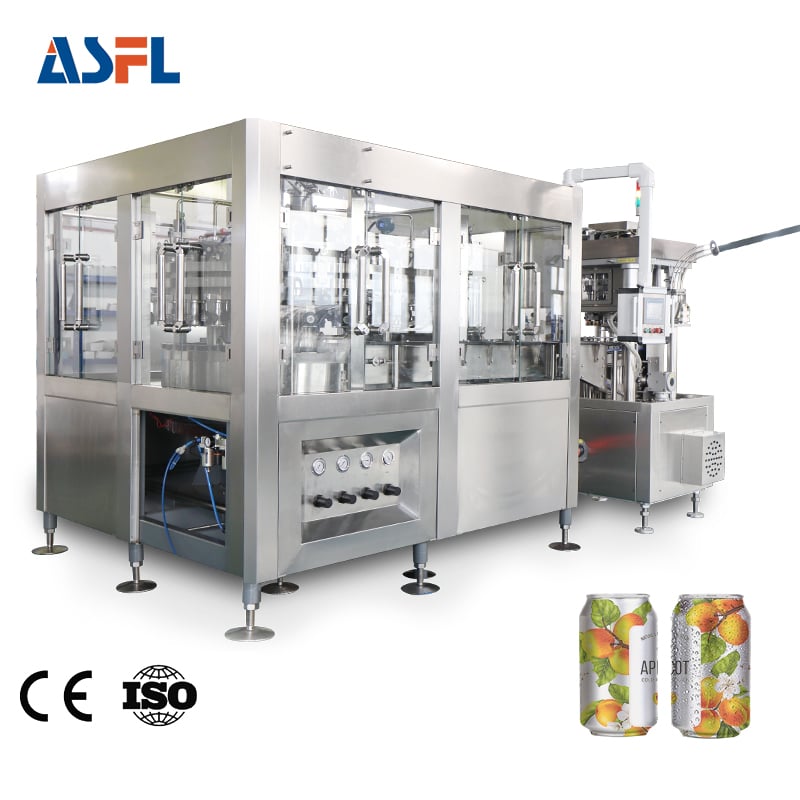
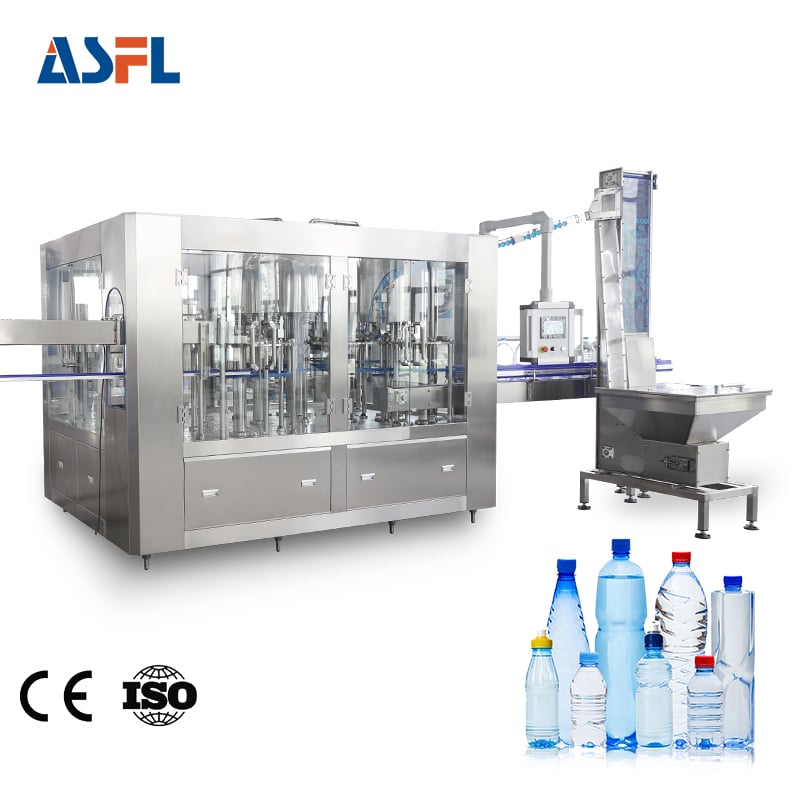
For a juice producer, a rotary filling and sealing machine is not simply a faster way to move bottles. It keeps leak-sensitive actions in one timed sequence: container handling, filling, headspace control, closure application, and discharge. When those actions remain repeatable at the target line speed, the rotary platform can reduce the conditions that create wet bottle finishes, cap leaks, and product carryover.
From an industrial packaging viewpoint, leakage is usually a system symptom rather than a single-component fault. A rotary filling and sealing machine can make the system easier to tune because each bottle travels through defined stations on a carousel. That does not mean every rotary filling and sealing machine will produce the same result. Juice recipe, carbonation or foam tendency, bottle geometry, closure design, sanitation method, and maintenance condition still need to be verified in a trial.
Why speed often exposes leakage problems
At higher output, a small timing variation has less time to settle before the next station. If a bottle arrives off-center, the fill nozzle can enter at the wrong depth. If the liquid stream creates turbulence, foam may rise into the finish area. If the capper meets a wet or poorly positioned finish, the closure may not seat consistently. A rotary filling and sealing machine addresses this chain by keeping containers indexed or continuously guided through a controlled circular path instead of asking separate machines to recover from handoff variation.
Foam control technology matters especially for juice with pulp, protein additions, dissolved air, or a recipe that changes between runs. High fill speed and turbulent transfer can introduce air, so the fill profile must be matched to product behavior. The useful question is not whether a rotary filling and sealing machine is inherently leak-proof. It is whether the filler can deliver the required fill profile while preserving a clean, stable bottle finish for sealing.
1. Shared timing between filling and sealing
A rotary filling and sealing machine uses a common mechanical or servo-coordinated sequence for stations around the turret. The bottle is presented, filled, settled, closed, and released on a predictable dwell or motion pattern. This shared timing reduces opportunities for a bottle to rotate, drift, or queue unpredictably between the filler and sealer.
For a high-speed juice line, this matters because leakage can begin before the closure is applied. A rotary filling and sealing machine can keep the bottle neck aligned with the nozzle and then present the same neck to the closure station in a known position. The production team still needs to validate bottle support, guide settings, neck handling, and closure feed behavior at the planned operating speed.
2. Better control of the fill-to-seal handoff
The critical handoff zone is the bottle finish. Juice residue on the sealing surface can interfere with cap application, while unstable headspace or foam can make the same problem appear intermittently. The rotary system can combine controlled nozzle movement, repeatable bottle presentation, and a short, predictable travel distance to the capping or sealing station.
This is also where a multi head liquid filling machine needs disciplined setup. Every head should be checked for shutoff response, nozzle height, seal condition, and delivered volume. One drifting head can create a local leakage pattern that looks like a closure problem. In practical troubleshooting, operators should compare the leaking containers by head number, bottle position, time period, and closure condition before changing several variables at once.
3. Stable container handling at high throughput
The rotary carousel can support stable handling because it constrains the path of each container. Rather than relying on a long open transfer, the system carries the bottle through close-coupled stations. This can reduce splash and neck contact events that occur when acceleration, guide-rail pressure, or conveyor timing is not well matched.
However, rotary geometry is only part of the answer. Bottle dimensions, base stability, neck finish tolerance, and the transfer starwheel all affect handling. During commissioning, confirm that empty and filled bottles stay upright, that the finish is not scuffed, and that no bottle is forced against guides as line speed changes. A rotary filling and sealing machine performs most consistently when upstream accumulation and downstream discharge are also tuned to its actual operating window.
4. Filling profiles that respect juice behavior
Juice can behave differently from one SKU to another. Temperature, viscosity, pulp level, and dissolved air can change the way liquid enters the bottle. For this reason, a rotary filling and sealing machine should be evaluated with the actual product range, not water alone. A staged fill, appropriate nozzle depth, or controlled flow transition may be more useful than simply increasing speed.
In a hot filling process, thermal conditions, headspace, bottle material, and closure application must be considered together. In an aseptic filling process, validated hygienic controls and package handling are equally important. These process choices are not interchangeable, and a rotary filling and sealing machine should be configured around the selected process rather than marketed as a substitute for process validation.
5. A shorter diagnostic path when leakage appears
A rotary filling and sealing machine also helps teams investigate leakage because the process is organized into repeatable stations. If leaks rise, a supervisor can inspect nozzle shutoff, fill height, bottle centering, closure placement, sealing pressure or torque, and discharge handling in sequence. This is more actionable than treating every leak as a generic capping fault.
- Check whether leaks cluster around one filling or sealing head.
- Inspect the bottle finish for foam, splash, juice residue, or damage.
- Compare actual fill level and headspace with the approved setup.
- Verify closure presentation and the sealing setting against the closure supplier's specification.
- Review changes in juice temperature, formulation, bottle supply, or line speed.
These checks turn the rotary filling and sealing machine into a controlled investigation point. They also support a hygiene-focused packaging program: cleanability, documented setup, and verified sanitation remain part of reliable juice production.
What to specify before selecting a machine
When comparing a rotary filling and sealing machine for high-speed juice production, provide suppliers with the target containers per minute, bottle drawings, neck finish data, closure type, juice temperature, viscosity range, pulp or foam behavior, cleaning requirements, and planned changeover range. Ask how filling, bottle handling, and sealing stations are synchronized, and request a trial using representative bottles and product where possible.
The lower leakage potential of a rotary filling and sealing machine comes from coordination, not from a single headline specification. A close-coupled rotary layout can give a juice line a more repeatable route from fill to seal. The final outcome depends on matching that layout to the product, package, process, and verification plan.
 Hot News