EN

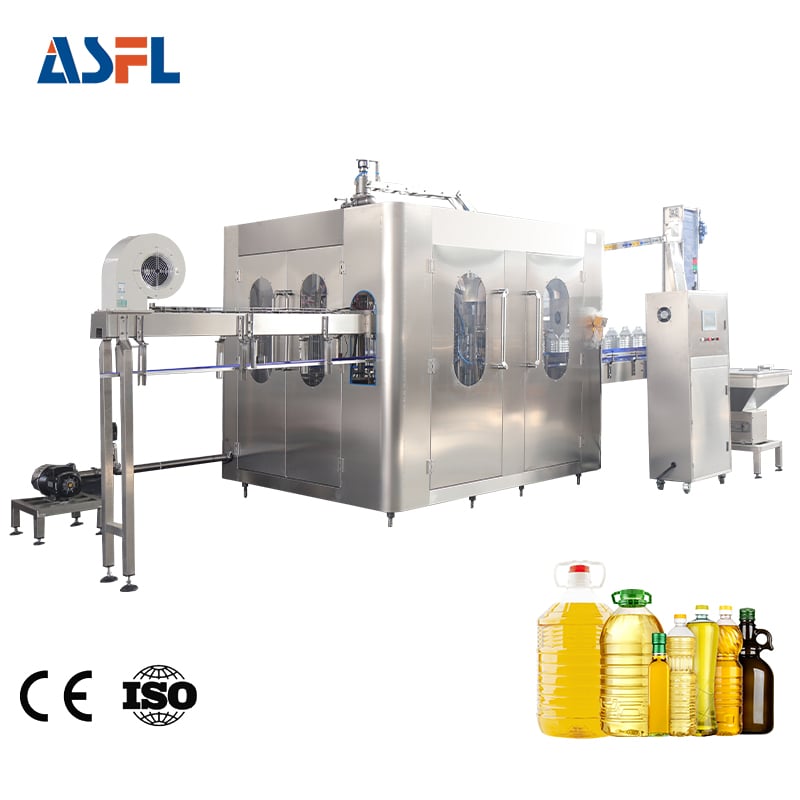
A high speed liquid filling machine is often judged by output first, but stable fill results depend on more than cycle rate. Once containers, nozzles, valves, pumps, and measurement devices are moving repeatedly, small vibrations can enter the process. They may disturb a weighing signal, change the moment a bottle is presented under a nozzle, or make a liquid stream behave differently at cut-off. For production teams, the practical question is not whether every vibration is harmful. It is whether the line can repeat its target fill under normal running conditions.
This matters especially when a high speed liquid filling machine is commissioned for products with changing viscosity, different bottle formats, or frequent speed changes. A sound accuracy plan considers the machine frame, the container path, the filling method, and the way results are measured together.
Why vibration shows up as fill variation
Every high speed liquid filling machine creates motion. Indexing drives accelerate and stop bottles; pumps and valves cycle; conveyors transfer containers; and liquid can strike the bottle or a receiving surface. The concern starts when that motion is transmitted to a sensitive part of the process. In a weigh-based system, vibration can appear as noise in the load-cell signal. In a timed or volumetric system, it can still affect bottle positioning, nozzle clearance, foaming, or the consistency of the cut-off event.
Research on automatic weight fillers identifies mechanical and floor vibration as influences on the weighing response. It also shows why the result cannot be separated from process conditions: delivered mass, liquid viscosity, tank level, and the distance between the dispenser and the receiving surface can change the observed signal and settling behavior. That is useful context for a high speed liquid filling machine: a reading that looks unstable is not automatically a controller problem, and a quiet frame does not prove that liquid behavior is stable.
Where vibration enters a high-speed line
Frame, floor, and guarding
A flexible base, uneven leveling, loose fasteners, or nearby equipment can transmit repeatable disturbances into a high speed liquid filling machine. Check the frame and floor before changing recipes or control settings. Look for movement that changes with conveyor load, carousel speed, or the start and stop of adjacent equipment. Guards and panels can also reveal a resonance issue when their noise or movement changes at a particular operating speed.
Bottle transfer and handling
Container instability is easy to mistake for a filling fault. Guides set too wide, worn transfer components, or inconsistent bottle support can leave the container moving when the nozzle begins to fill. On a high speed liquid filling machine, that movement can alter splash, foam, nozzle-to-bottle spacing, and the time available for a sensor or scale to settle. Test with the actual bottle, cap or closure process, and conveyor conditions rather than an empty, hand-fed sample.
Fluid delivery and cut-off
A liquid stream has its own dynamics. Pump pulsation, valve action, trapped air, and changes in head pressure can create variation that resembles structural vibration. The effect may be more visible for low-viscosity products, foaming liquids, or a multi head liquid filling machine where multiple filling events occur together. Separate a repeatable fluid-delivery pattern from random mechanical disturbance before deciding which adjustment is needed.
Why weighing and feedback need time to settle
For a high speed liquid filling machine that uses weight feedback, the value immediately after the valve closes may not be the final stable value. End-of-fill motion and the liquid tail can keep the signal moving for a short period. The required delay is application-specific; it should be verified during trials, not copied from another line. If the system accepts a value too early, apparent fill variation can increase even when the delivered liquid mass is consistent.
This is also why filling machine calibration should be treated as a production-condition exercise. A calibration made at low speed, with one bottle type and a calm liquid surface, may not describe performance at the intended rate. Record the line speed, fill setpoint, product temperature where relevant, bottle type, fill method, and measurement timing with every trial.
Practical vibration-control priorities
Start with the physical path before adding software compensation. A high speed liquid filling machine benefits from a level, rigid installation; correctly tightened fasteners; stable conveyor support; and well-adjusted guides. Verify that hoses, cables, and guards do not push or pull on a scale platform or moving filling assembly. Where the design allows, reduce unnecessary impacts at transfer points and keep nozzle-to-bottle conditions repeatable.
- Isolate the source: Observe the machine at low, nominal, and higher production speeds to identify whether variation follows a drive, a pump, a transfer event, or external equipment.
- Verify the measurement: Use a suitable, stable weighing setup and consistent tare practice when checking a high speed liquid filling machine.
- Check the process window: Compare results across normal tank levels, bottle lots, and product conditions rather than relying on one short run.
- Use controls carefully: Filtering or compensation may be appropriate after the mechanical cause and its operating range are understood. A filter should not hide a changing container-handling problem.
How to validate filling accuracy during commissioning
A useful acceptance test for an industrial liquid filling machine is a documented run, not a single headline accuracy number. Establish the intended operating speed, product, bottle, and target volume. Collect samples across multiple heads where applicable, including a multi head liquid filling machine, and keep the sampling timing consistent. Review the spread of results alongside observations of bottle motion, foam, drips, and scale behavior.
Then change one condition at a time. Compare a stable, lower-speed reference with the intended production rate. Test normal tank-level variation and planned container changes. If the result changes as the line reaches a certain speed, inspect the mechanical and handling events at that point before simply changing the fill setting. This method makes filling machine calibration more traceable and helps distinguish a recipe adjustment from a vibration-control task.
Questions to ask before specifying the machine
When discussing a high speed liquid filling machine, provide the liquid characteristics, target range, container drawing or samples, required production rate, preferred filling method, and planned changeover frequency. Also describe nearby equipment and whether accuracy will be checked by volume, weight, or a downstream inspection system. These details help define the conditions that must remain stable, rather than assuming one configuration suits every liquid and package.
For buyers reviewing a high speed liquid filling machine, vibration control is therefore part of accuracy engineering. The goal is a repeatable system: stable container presentation, predictable fluid delivery, a measurement method that has settled before it is trusted, and commissioning tests that resemble real production. Line trials remain necessary because this guidance cannot replace validation with the actual product, bottle, and operating conditions.
 Hot News