 EN

A custom beverage filling line begins long before equipment is placed on a layout drawing. It begins on the production floor. A site survey turns a general capacity request into design inputs that can be checked: the liquid process, container route, available footprint, utilities, drainage, access, and interfaces with existing equipment. Without those inputs, a line can appear well arranged in a proposal yet create avoidable changes during installation or commissioning.
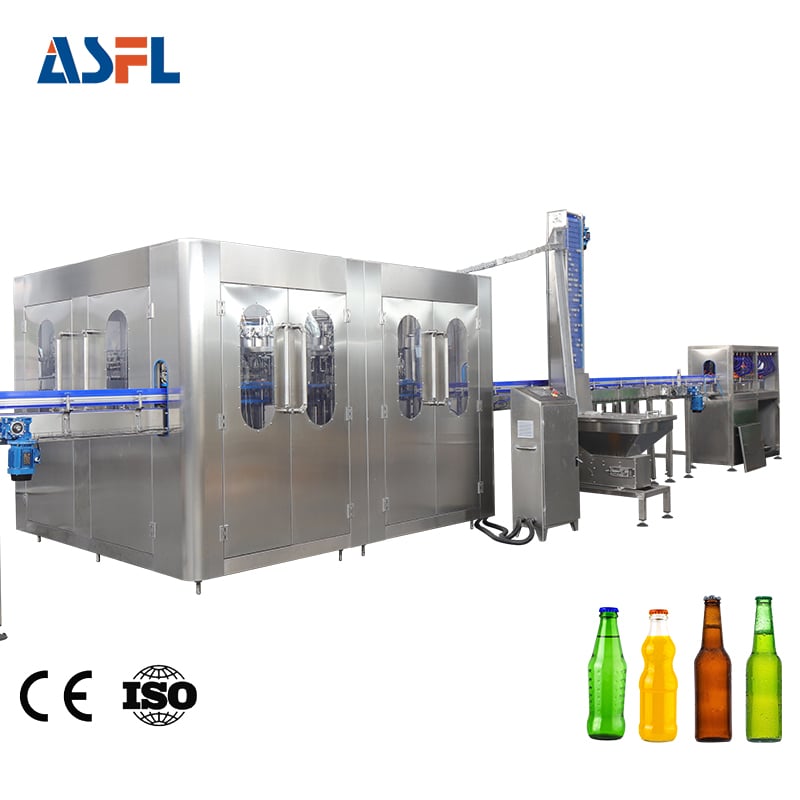
From a packaging-line engineering coordination perspective, the beverage filling line should be assessed as one connected process rather than a filler selected in isolation. That means confirming how empty containers arrive, how product reaches the machine, where caps or closures are supplied, and how finished packs leave the area. A survey does not replace detailed engineering; it makes detailed engineering more relevant to the actual plant.
Why a drawing alone is not enough for a beverage filling line
A preliminary layout often starts with nominal machine dimensions and a stated production target. Those are useful starting points, but they do not show every field condition. Columns, doors, floor slopes, overhead services, forklift lanes, existing drains, and access routes can change the practical arrangement of a beverage filling line. Even a narrow area around a conveyor bend or an electrical panel can affect maintenance access and the direction of product flow.
More accurately, a site survey is a verification step, not merely a measurement exercise. The engineering team compares the proposed process path with the real path people, containers, utilities, and finished goods must use. When the site information is clear early, the design can reserve space for cleaning, inspection, changeover, and safe movement instead of treating those needs as late-stage adjustments.
1. Confirm the process boundary before choosing line configuration
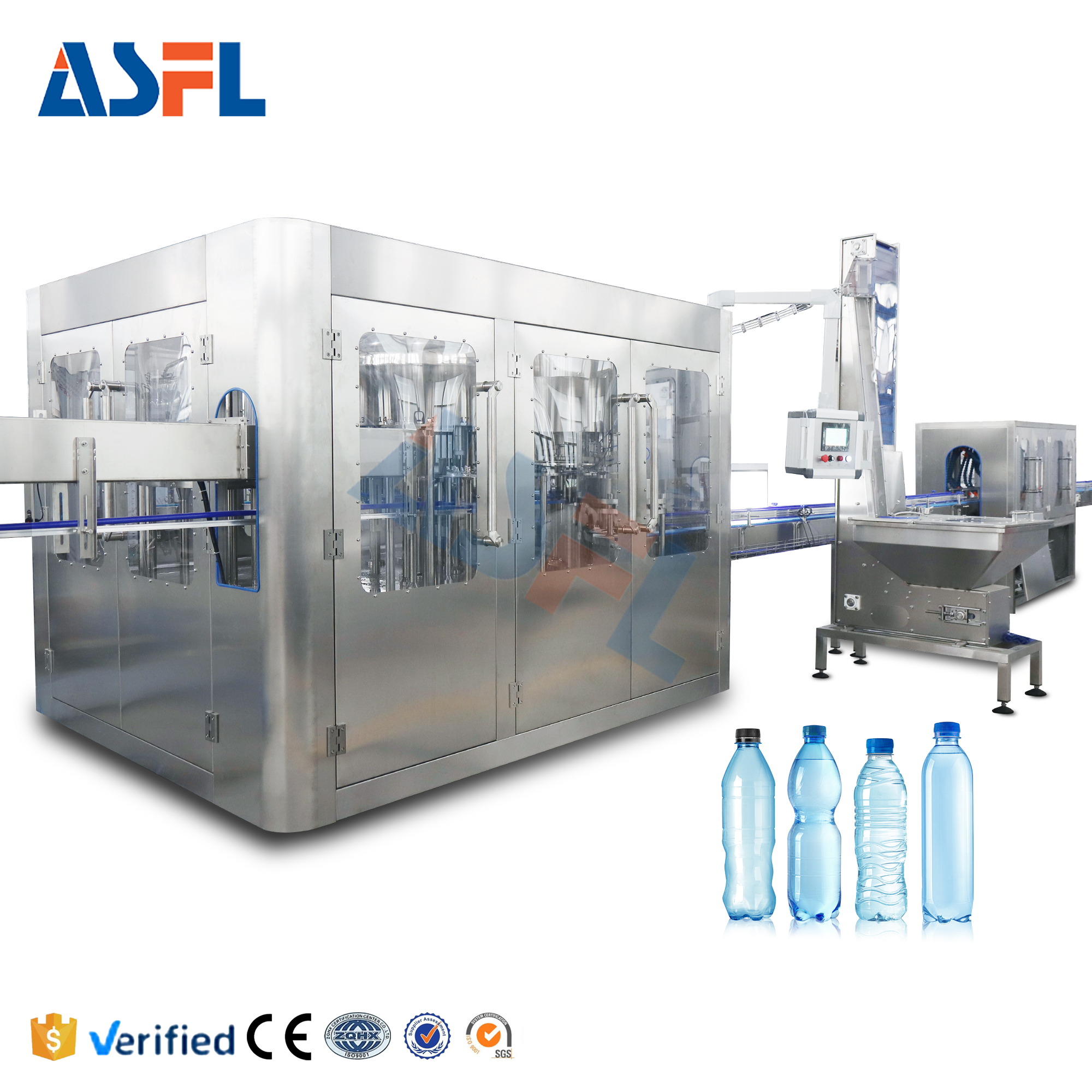
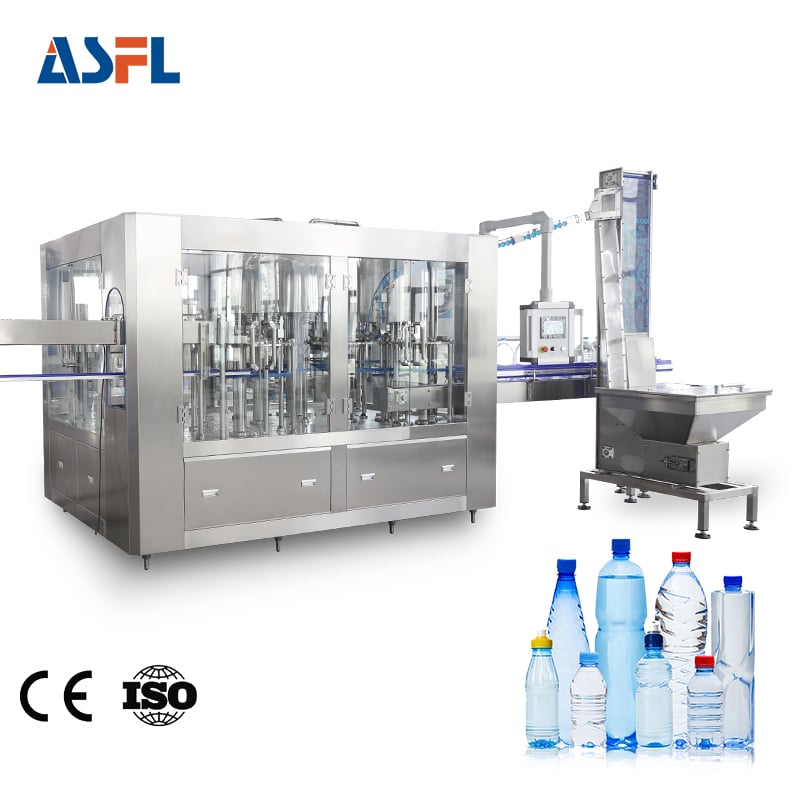
The survey should establish where the beverage filling line starts and ends. In one facility, the scope may begin after treatment or blending and end at a pack conveyor. In another, it may need to connect with bottle unscrambling, rinsing, capping, labeling, packing, pallet handling, or an existing discharge conveyor. A proposed water filling line may also need different interfaces depending on whether bottles are supplied loose, from a blow-molding area, or from a warehouse.
This process boundary matters because every upstream and downstream handoff has a physical and control-related consequence. Product supply stability, bottle accumulation, closure delivery, reject handling, and finished-pack transfer should be discussed at the site. The useful question is not simply “How fast should the filler run?” It is “What must happen before and after it so that the line can operate steadily under this plant’s conditions?”
2. Measure the usable footprint, not just the room dimensions
Room length and width are important, but usable space is smaller than the outline on a building drawing. A production survey should identify fixed obstructions, door swing areas, columns, wall clearances, ceiling height, inspection zones, and routes used to bring equipment in or remove components for service. It should also show where operators need to stand and where technicians can reach motors, sensors, guards, and utility connections.
For a custom beverage filling line, this information guides the arrangement of conveyors and machine modules. It may support a straight route, an L-shaped route, or a layout with controlled accumulation. The correct choice depends on the actual site, not on a preferred template. If liquid characteristics are relatively stable, this comparison becomes more meaningful because the layout can focus on the real container and handling constraints rather than compensate for unknown process behavior.
3. Verify utilities where they will be used
A filling line depends on more than floor space. The survey should map the location and condition of electrical supply, water, compressed air, drainage, and any process-specific services. Carbonated or hot-fill projects may require additional utility discussions, while a water filling line may place particular attention on product-water routing and cleaning arrangements. The required capacity, quality, pressure, temperature, and connection responsibility should be confirmed by the project team rather than assumed from a generic machine list.
Route length is also relevant. A utility connection that is available elsewhere in the building may need pipework, isolation points, supports, or coordination with other services before it can serve the beverage filling line. During the survey, record the connection point, approximate route, elevation changes, and site restrictions. This helps turn a utility request into an installation plan that can be reviewed by both equipment and plant teams.
4. Treat drainage and hygiene flow as design inputs
Drainage is often noticed only after equipment positions have been discussed, yet it affects cleaning and day-to-day housekeeping. The site review should identify existing drains, floor slope, washdown practices, cleaning water routes, and areas where standing liquid would interfere with access or traffic. For beverage production, the layout should also keep material movement understandable: empty containers, product-contact activities, waste, and finished packs should not create unnecessary crossings.
This is one reason a custom beverage filling line benefits from field confirmation. A theoretical arrangement may place a machine close to a drain, but the survey can reveal whether the drain is accessible, whether the floor condition needs attention, or whether a different orientation would simplify cleaning. The goal is not to make unverified sanitation claims; it is to identify items that require a project-specific decision.
5. Check integration with existing machines and operating routines
Many projects add or replace only part of a beverage filling line. In that case, the survey should document the existing equipment’s infeed and discharge heights, container orientation, conveyor width, operating rhythm, control signals, and available accumulation space. Photos, measured reference points, and a short observation of normal operating flow can be more useful than a verbal description.
Existing routines matter too. Ask how often formats change, where operators stage materials, how rejects are removed, and when cleaning occurs. A line can meet a nominal layout requirement but remain awkward if cap handling, label rolls, packaging materials, or maintenance tools have no practical location. The survey turns these operational details into constraints the designer can address early.
6. Use the survey to create a verification checklist
The strongest result of a site survey is a shared checklist, not a collection of photos. Before a custom beverage filling line is finalized, the project team can review the following points:
- Product type, process route, and the boundaries of the proposed line.
- Container, closure, label, and pack formats that affect handling and changeover.
- Verified floor dimensions, obstructions, access paths, and maintenance clearances.
- Locations and project responsibilities for power, water, compressed air, drainage, and other required services.
- Interfaces with upstream treatment, container supply, packaging, and finished-goods transfer.
- Operator movement, material staging, cleaning approach, and waste or reject handling.
- Future format, capacity, or layout changes that should be kept possible.
Moving from a quotation comparison to a verification checklist gives the buyer and engineering team a common basis for decisions. It also makes later design reviews more productive: each open item can be assigned, measured, or confirmed instead of remaining an assumption.
How to prepare for a production site survey
Prepare current layout drawings if they exist, along with product and container samples, photos of the intended installation area, and information about current process equipment. Arrange access to the relevant utility points and ask operations or maintenance personnel to join the walkthrough. Their practical observations can identify bottlenecks that are not visible in a plan view.
After the visit, review the survey record with the proposed equipment flow. If a condition is uncertain, record it as a decision item rather than silently building around an assumption. This approach helps a beverage filling line design reflect the plant it will serve and gives both sides clearer inputs for layout, installation, and acceptance discussions.
Conclusion
A production site survey is necessary because custom line design depends on verified conditions, not only on target output. By examining process boundaries, usable space, utilities, drainage, integration points, and operating routines, a project team can shape a beverage filling line around real constraints. For a water filling line or another beverage application, the survey creates a practical bridge between the initial requirement and a configuration that can be reviewed before installation work begins.

 Hot News








