 EN

Why PET Bottle Oil Filling Machine Needs Special Anti Sticking Pipeline Design
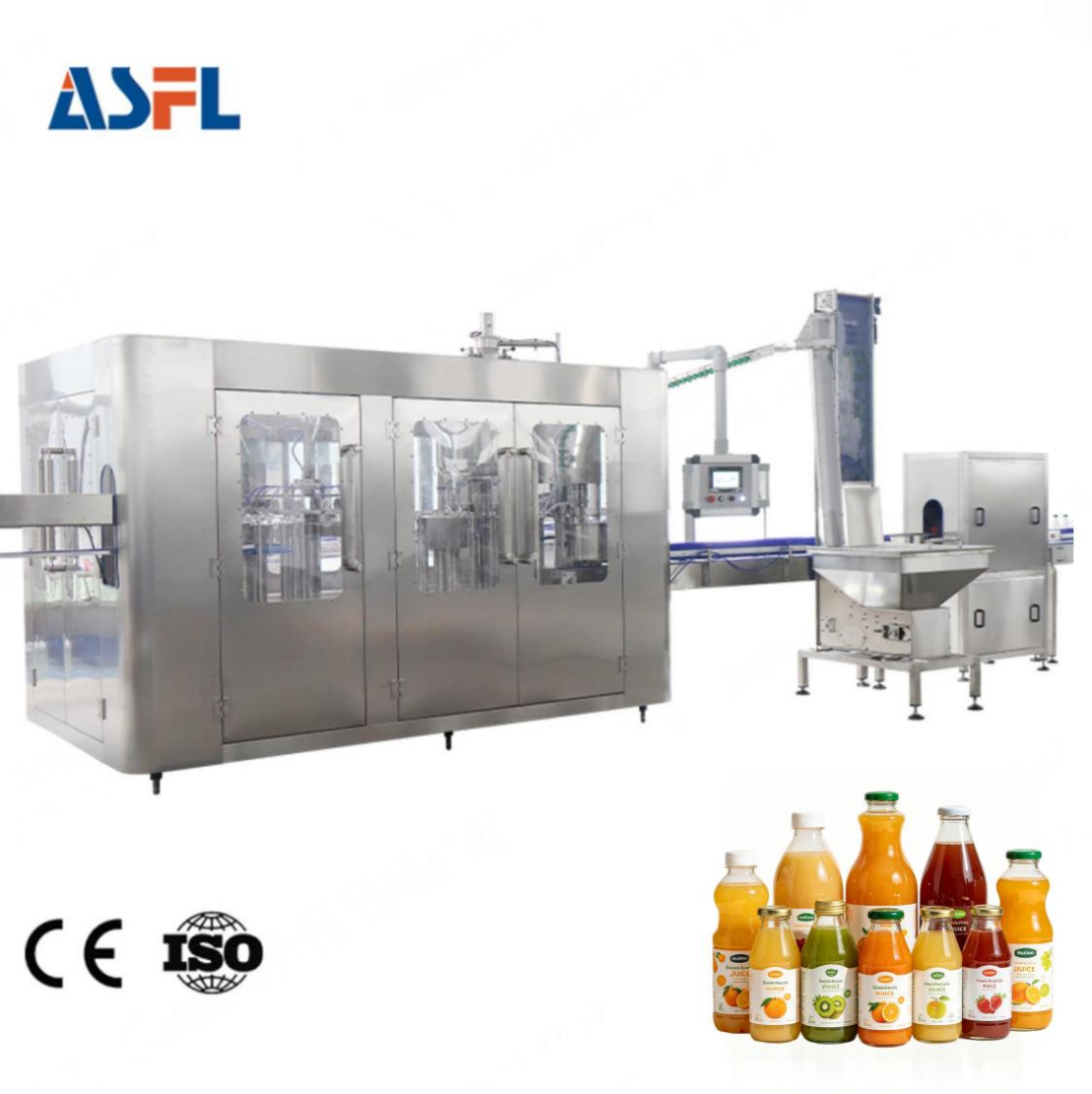
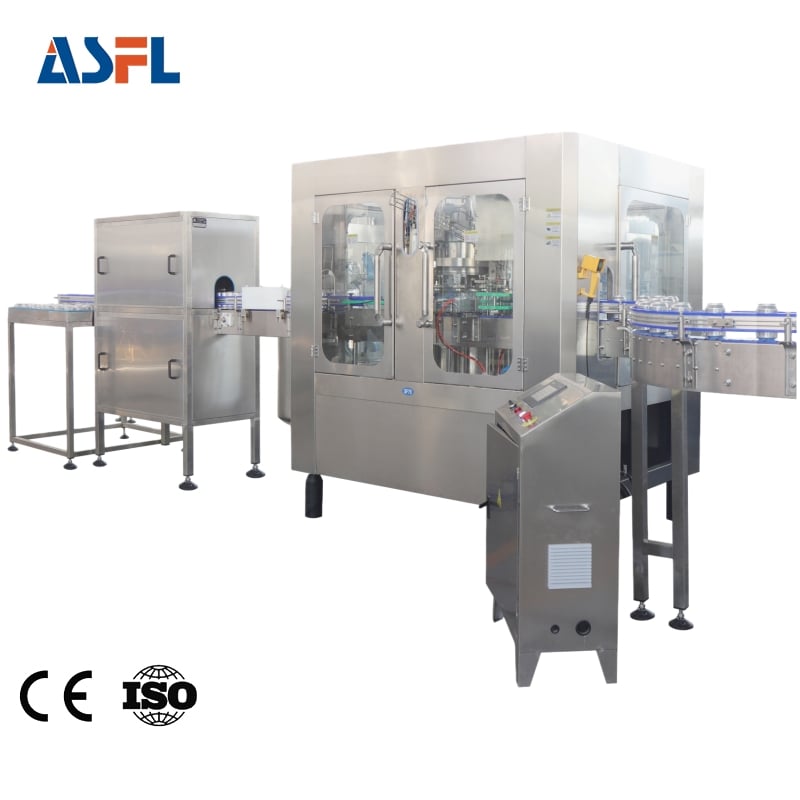
An edible-oil line can look straightforward on a layout drawing: product tank, pump, pipeline, pet bottle oil filling machine, capper, and conveyor. In production, however, residual oil film is not a minor housekeeping issue. It can influence fill consistency, changeover work, drip control, cleaning verification, and the time operators spend tracing a problem back through the line. That is why a pet bottle oil filling machine should be specified with its product-contact pipeline as one engineered system rather than as an isolated filler.
From a process-engineering viewpoint, “anti sticking” does not mean a magic coating that makes oil disappear. It means designing the wetted route so oil has fewer places to settle, drain-back is more predictable, cleaning liquid can contact the intended surfaces, and the remaining risk can be inspected and validated. The right details depend on oil type, operating temperature, filling method, bottle format, target output, cleaning method, and the plant’s acceptance criteria.
Why oil residue behaves differently in a PET bottle filling line
Edible oils are hydrophobic liquids that readily leave a thin film on product-contact surfaces. During a stop, changeover, or temperature change, that film can collect at low points, around valve seats, in poorly drained branches, or near abrupt geometry changes. When the line restarts, a residual volume may affect first-bottle fill behavior or create external drips at the nozzle. These are process questions, not just filler questions.
A pet bottle oil filling machine also works in a package environment with its own sensitivities. PET bottles are lightweight compared with many rigid containers, so uncontrolled nozzle contact, splash, or conveyor vibration can make external oil more visible at the bottle finish. Oil on a neck, cap contact area, or starwheel is inconvenient for operators and can complicate downstream capping, labeling, and inspection. The pipeline must therefore support stable product delivery all the way to the fill valve.
Oil viscosity and flow response vary with formulation and temperature. A pipe route that behaves acceptably during a warm, steady run can drain differently after a long pause or with another oil grade. For this reason, a pet bottle oil filling machine specification should state the expected product range and operating conditions instead of assuming one trial liquid represents every future run.
What special anti-sticking pipeline design is intended to achieve
The objective is controlled flow and cleanability, not an unsupported promise of zero residue. A suitable design commonly brings together the following principles:
- Continuous, drainable routing: Arrange pipe slopes and low points so the product route does not create unnecessary retention zones.
- Reduced dead-end exposure: Avoid long, unused side branches and connections where product or cleaning liquid has limited circulation.
- Smooth product-contact transitions: Use compatible fittings, joints, valves, and surface finishes that do not introduce avoidable crevices or abrupt ledges.
- Stable supply to the filler: Coordinate tank level, pump selection, pipe diameter, valve timing, and filler demand so each nozzle receives a repeatable product condition.
- Clean-in-place access: If the line uses CIP, make sure the circuit can be evaluated for cleaning-solution coverage, velocity, return flow, and verification points.
Clean-in-place practice is specifically concerned with cleaning the internal surfaces of tanks, pipelines, valves, and fittings without dismantling the circuit. That makes geometry important: if a surface is hard for product to leave, it may also be hard for the selected cleaning regime to reach and verify. A pet bottle oil filling machine supplier can explain the process route, but the buyer should define the cleaning chemicals, temperatures, production schedule, and validation approach used at the plant.
Pipeline locations that deserve extra attention
Tank outlet and pump suction
The first retention risk often appears before the filler. An outlet that does not drain toward the pump, an oversized suction section, or an unsuitable transition can leave oil behind during a stop. The design review should examine where the product tank drains, whether air can enter the route during low-level operation, and how the route is cleaned after production. A reliable pet bottle oil filling machine starts with repeatable upstream supply conditions.
Manifolds, branches, and valve clusters
Manifolds make multi-head filling possible, but they also add branches. Each branch needs a reason, a product-flow path, and a cleaning path. Short, purposeful connections are easier to evaluate than an accumulation of spare ports and long tees. Valve selection should also be considered as part of the pipe system: seal compatibility, seat geometry, actuation timing, and the accessibility of the product-contact zone all matter.
Filler bowl, circulation loop, and nozzle feed
Near the filler, design choices affect whether the product sees stable pressure and whether excess oil can return in a controlled manner. Depending on the filling principle, the system may use a circulation route, a return path, or carefully managed shutoff behavior. The practical question is not whether every line needs the same loop; it is whether the chosen pet bottle filling machine configuration avoids uncontrolled pooling and supports the intended fill method.
Nozzle shutoff and drip management
Pipeline design and nozzle behavior cannot be separated. When the valve closes, the remaining product column, pressure changes, and nozzle geometry influence tailing or drips. A design review should cover the relationship between the final valve action, any suck-back or return feature, bottle presentation, and collection or cleaning arrangements below the filling zone. Testing with the actual oil and representative PET bottles is more useful than relying on generic language about precision.
How anti-sticking design supports cleaning and changeovers
Oil can move readily during production, yet a residual film can still require deliberate cleaning. Hygienic design guidance commonly emphasizes smooth, non-porous, crevice-free product-contact surfaces and compatibility with both food product and cleaning chemicals. In a pet bottle oil filling machine project, that translates into a documented review of material grades, seals, joints, drains, valves, and cleaning routes.
For plants using CIP, ask how cleaning solution reaches the filler circuit and how the return is managed. Pipe geometry should limit dead ends and help cleaning liquid wet the surfaces intended for cleaning. For manual or semi-manual cleaning, ask which assemblies must be opened, how product is recovered or drained, and how an operator confirms that the relevant surfaces are clean. The answer may differ for refined vegetable oil, blended oil, or a product with additives, so the product specification belongs in the discussion.
A thoughtful pet bottle filling machine design also makes changeovers easier to plan. If several bottle sizes or oil grades are expected, record which settings change, which product-contact parts are inspected, what time is allowed for draining, and what acceptance checks are run before commercial production resumes.
A practical buyer checklist for the pipeline review
- Provide the oil type, viscosity range if available, temperature at filling, and any additives that may affect wetting or cleaning.
- Map the complete product path from tank outlet to each filling nozzle, including branches, returns, low points, and drain valves.
- Ask the supplier to identify the filling principle and how supply pressure or product level is kept stable during normal operation.
- Review the product-contact materials, gasket compatibility, joint design, and accessible inspection points.
- Define whether the plant will use CIP, manual cleaning, or a combination, then request the intended cleaning sequence and verification responsibilities.
- Use a factory or site acceptance test with the intended oil and PET bottle format to observe fill stability, bottle-neck cleanliness, drip behavior, and restart performance.
- Document the line’s drain-down and changeover criteria instead of judging the system only by nominal output.
Specify the filling line as a connected process
The useful question is not simply “does this filler handle oil?” It is whether the complete pet bottle oil filling machine route gives the plant a controllable, cleanable, and testable way to handle its specific product. A special anti-sticking pipeline design is valuable because it considers where oil films can form, how the circuit drains, how the filler is supplied, and how cleaning is verified after the run.
When discussing a new line with an equipment supplier, prepare representative product and package samples, expected operating conditions, and clear acceptance criteria. That gives both sides a practical basis for selecting the pipeline and pet bottle filling machine configuration rather than relying on broad claims. The resulting design can then be reviewed against actual process behavior before the line is accepted for regular production.



 Hot News








