 EN

Architectural Foundations of a Packaged Drinking Water Plant
Designing and operating a commercial packaged drinking water plant requires absolute precision in maintaining microbiological purity from the source water intake right through to the final sealed bottle. While advanced purification systems such as reverse osmosis, ozonation, and ultraviolet disinfection successfully neutralize raw water contaminants upstream, the final packaging phase introduces unique environmental vulnerabilities. Within any modern packaged drinking water plant, the interface where purified water meets ambient air, container surfaces, and mechanical valves represents the highest risk threshold for post-treatment contamination.
To mitigate these risks effectively, facility engineers must reject monolithic cleaning loops in favor of a specialized, isolated infrastructure. Specifically, a dedicated sanitization circuit for the filling zone is no longer optional; it is an essential engineering mandate. Without an independent sanitization loop dedicated entirely to the filling zone, sanitizing agents can become diluted, residual organic loads from rinsing mechanisms can cross-contaminate pure water lines, and targeted thermal or chemical sterilizations cannot achieve the required microbiological log reductions at the critical points of package transfer.
Microbial Vulnerabilities Specific to the Filling Environment
The operational reality of a commercial water bottling facility means that the packaging environment is constantly exposed to external vectors, including operator traffic, container micro-dust, ambient moisture, and airborne spores. Even when source water enters the packaging hall with zero detectable colony-forming units, the physical act of dispensing liquid into bottles creates localized aerosolization and micro-splashes. Over successive production shifts, these minute droplets dry on filling nozzles, starwheels, and sealing chucks, forming thin nutrient films that support rapid microbial proliferation.
If a packaged drinking water plant relies on a single, shared pipeline network connecting bulk storage tanks, ultraviolet units, and the monoblock filler, cleaning validation becomes severely compromised. A shared CIP header cannot simultaneously optimize high-temperature sterilization for delicate filling valves while managing bulk pipe flushing without creating pressure drops and temperature differentials. Establishing an independent sanitization circuit isolates the filling zone, allowing operators to apply high-concentration chemical sanitizers or steam sterilization directly to the filling valves, nozzles, and capping heads without risking chemical carryover into upstream storage reservoirs or municipal supply lines.
Comparative Parameters of Fluid Sanitation Networks
Evaluating the structural differences between general treatment piping and specialized packaging circuits highlights why dedicated infrastructure is indispensable for regulatory compliance and product safety.
| Parameter Description | Upstream Treatment Network | Filling Zone Sanitization Circuit |
| Primary Function | Bulk filtration, softening, and reverse osmosis | Isolated thermal and chemical disinfection of dispensers |
| Typical Operating Temperature | Ambient to 25 degrees Celsius | 85 to 95 degrees Celsius for thermal SIP cycles |
| Sanitization Chemical Agents | Low-concentration ozone or continuous UV | High-concentration peracetic acid or hot water |
| Valve Architecture | Diaphragm valves with manifold headers | Sanitary flush-mounted block valves with zero dead legs |
| Validation Frequency | Continuous sensor monitoring | Post-batch and pre-startup mandatory cycles |
| Contamination Risk Profile | Chemical scale and mineral scaling | Biofilm accumulation and airborne spore deposition |
The parameter comparison clearly demonstrates that the filling zone operates under vastly different thermal, chemical, and mechanical stresses compared to upstream treatment vessels. Therefore, managing these disparate operational demands through a single, unsegmented pipeline network creates critical vulnerabilities that can compromise an entire production day.
Regulatory Standards and Factory Validation Protocols
Global regulatory bodies, including the United States Food and Drug Administration and international quality auditors enforcing ISO and HACCP frameworks, place intense scrutiny on the final packaging interface. When inspecting a packaged drinking water plant, auditors look for validated engineering controls that prevent opportunistic pathogens such as Pseudomonas aeruginosa and coliform bacteria from colonizing filling nozzles.
A separate sanitization circuit provides the traceability and physical boundary isolation required to satisfy stringent audit criteria. Facility quality assurance teams can execute automated cycle validations that prove the filling zone circuit has achieved mandatory contact times, chemical concentrations, and thermal holding periods independently of upstream pipe networks. This precise segmentation ensures that any deviation in the filling zone cleaning cycle remains isolated, preventing plant-wide production halts and protecting brand reputation against costly product recalls.
Engineering Excellence and Automated Integration
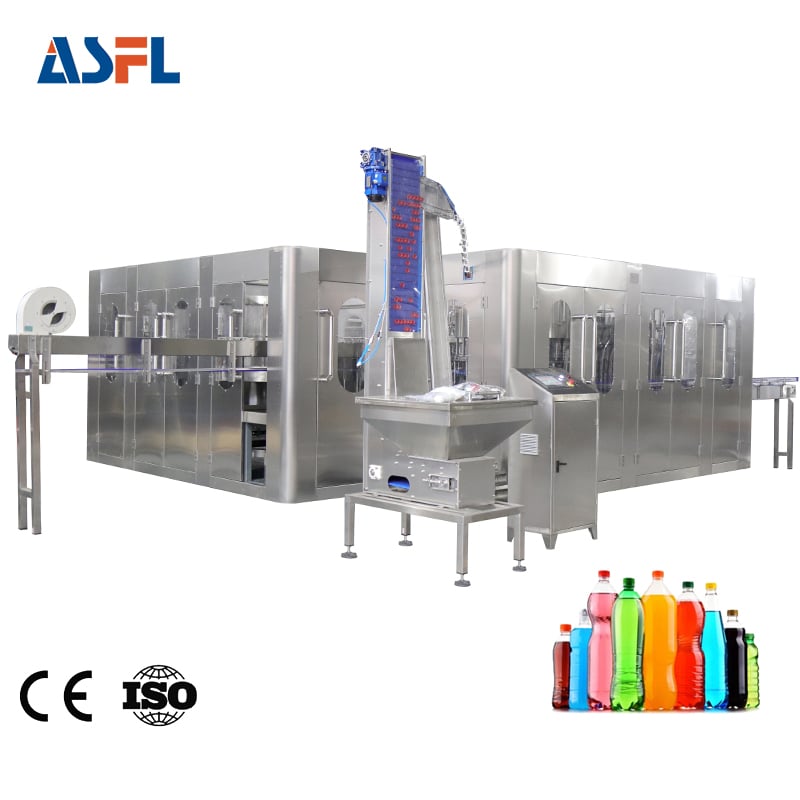
Advanced packaging machinery manufacturers integrate dedicated auxiliary fluid loops directly into their equipment architecture to simplify facility compliance. Industry leaders such as ACE-FILLING design specialized monoblock rinsing, filling, and capping systems equipped with independent CIP manifolds and automated sanitization bypass loops. These engineered systems allow plant operators to direct sterilizing solutions exclusively through the filling valves and return headers, ensuring complete surface coverage without exposing sensitive electronic enclosures or external drive mechanisms to harsh chemicals.
Plant engineers seeking to upgrade their existing operations or design new facilities from the ground up can explore advanced hygienic machinery designs and comprehensive technical resources by visiting
Summary of Operational Advantages
Implementing an independent sanitization circuit within the filling environment delivers enduring operational and economic benefits for beverage producers:
-
Complete isolation prevents cross-contamination between bulk storage water and packaging components.
-
Tailored chemical and thermal parameters ensure maximum microbial kill rates at critical contact points.
-
Simplified audit validation satisfies stringent regulatory frameworks established by global food safety authorities.
-
Minimized downtime and eliminated cross-batch contamination protect brand integrity and profitability.
By embracing these advanced engineering principles, bottled water producers can consistently deliver pure, safe, and refreshing hydration to consumers worldwide.





 Hot News








