 EN

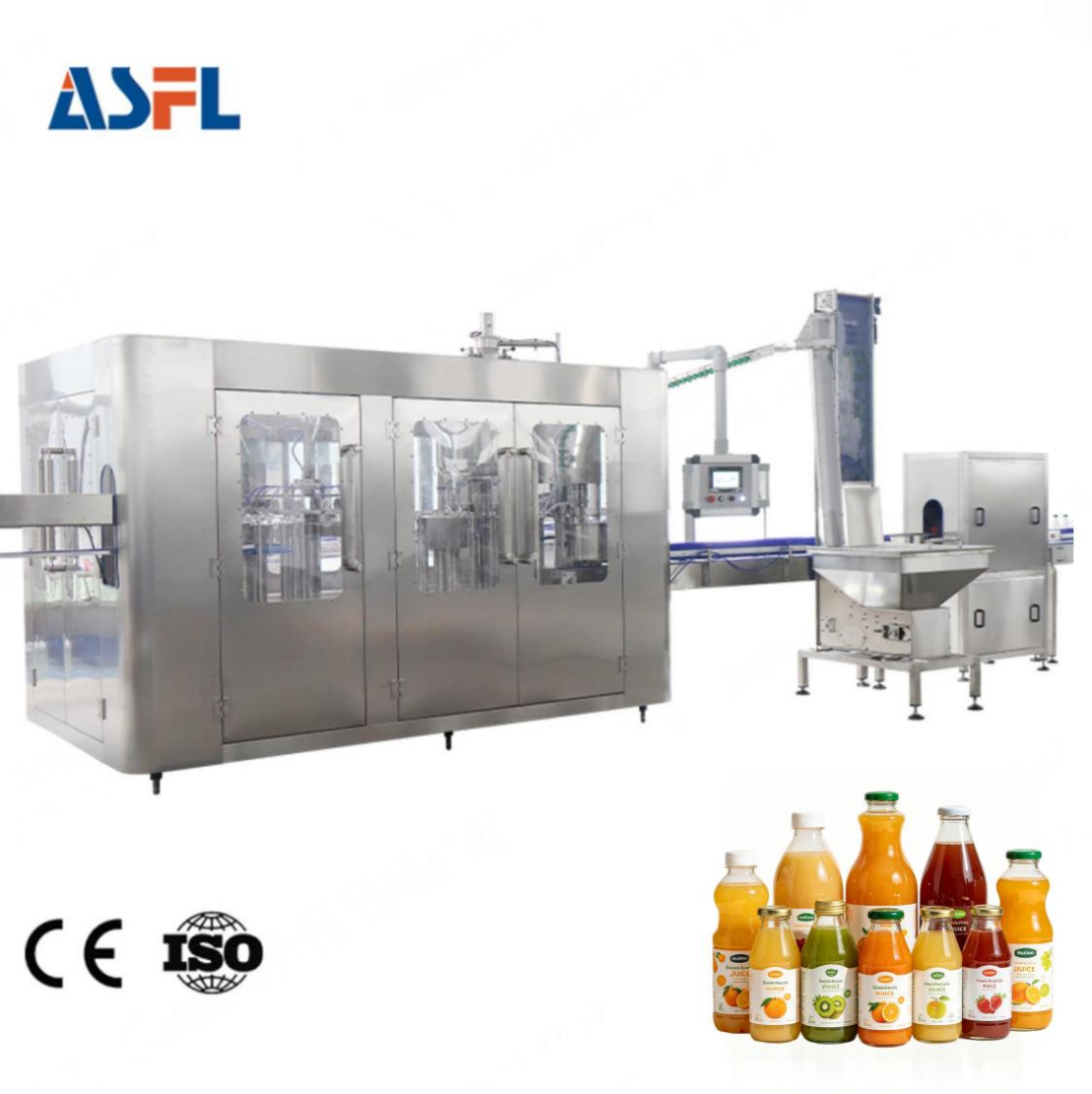
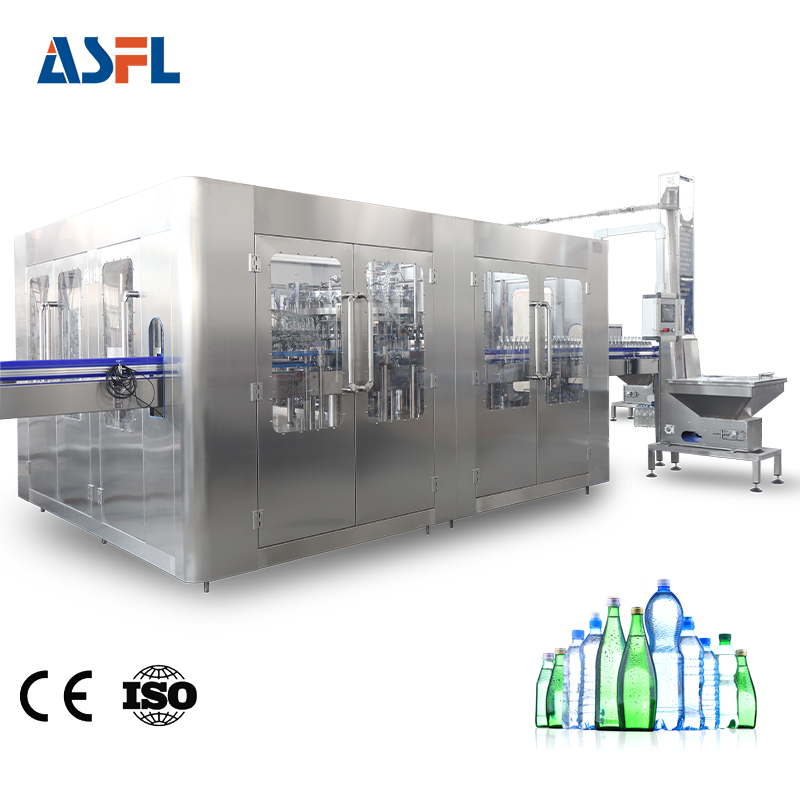
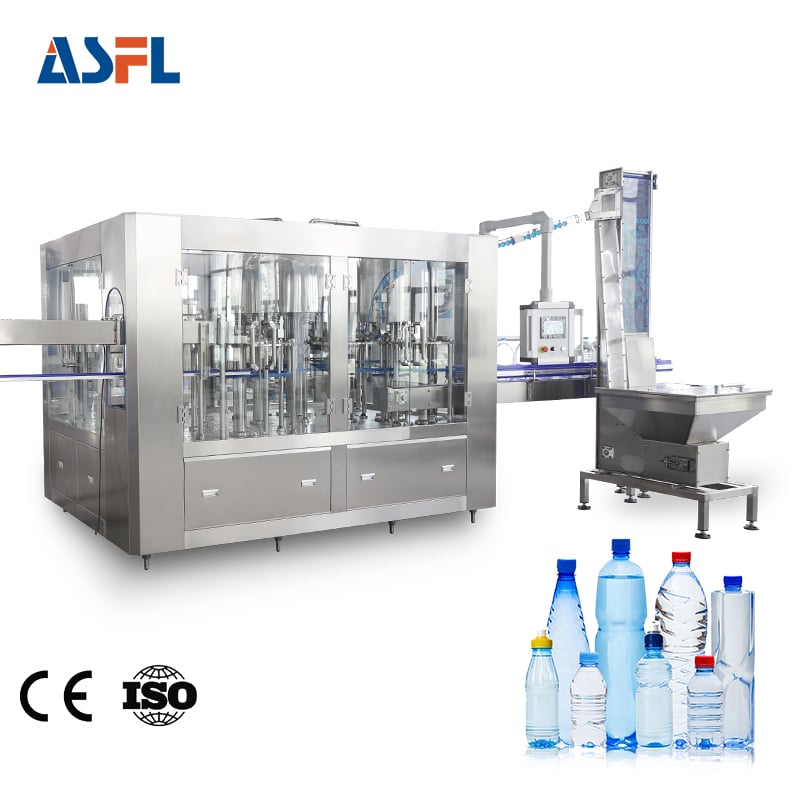
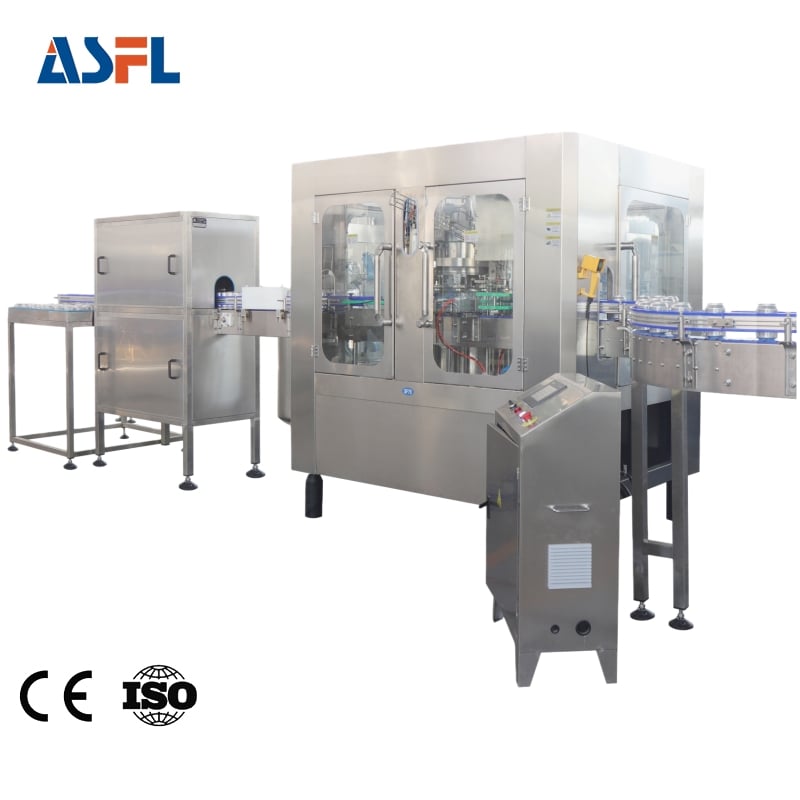
For a growing beverage plant, a rotary bottle filling machine can look like a sensible middle ground: it brings bottles through a repeatable circular sequence of infeed, filling, discharge, and—where specified—rinsing or capping interfaces, without asking the operation to design every station as a separate project. The appeal is not that a rotary layout suits every drink or every volume. It is that medium-sized manufacturers often need steadier flow, controlled fill conditions, and a practical route to line integration at the same time.
From a packaging-line engineering perspective, the first question is not simply “How fast is the filler?” It is whether the liquid, bottle, cap, upstream supply, and downstream packing equipment can keep the same rhythm. A rotary bottle filling machine is popular when that rhythm is valuable enough to justify a more integrated machine layout.
It turns bottle handling into a continuous, repeatable flow
In a rotary arrangement, bottles move around a carousel while filling valves carry out the dosing cycle. Multiple stations work in sequence, so the line is not waiting for one bottle position to complete before another begins. That continuous movement can help a beverage producer stabilize flow between bottle feeding, filling, capping, labeling, and packing—provided each handoff is sized for the intended production rate.
That matters for medium-sized plants because their demand is often beyond the comfort zone of a small intermittent setup, yet they may not want an oversized line with capacity that sits unused. A rotary layout gives the engineering team a way to match the number of filling valves, bottle pitch, and transfer equipment to a defined operating window. More accurately, it gives them a framework for validating the window during trials rather than relying on a single headline speed.
It supports a better balance between throughput and footprint
Floor space is a real constraint in beverage facilities. A rotary bottle filling machine concentrates the filling process around a carousel instead of extending many filling heads along a long straight conveyor. The resulting layout can make it easier to organize accumulation, operator access, guarding, and connections to nearby equipment. The final footprint still depends on bottle infeed, rinsing, cap handling, inspection, and discharge conveyors, so a compact filler does not automatically mean a compact line.
This is why medium manufacturers tend to assess the filler as part of a line drawing. They need enough buffer before and after the machine to absorb normal variation, but not so much conveyor that bottle control becomes difficult. The useful comparison is the complete route from empty bottle to packed product, not the carousel alone.
Filling consistency becomes easier to manage at a defined operating range
A beverage operation usually wants repeatable fills because inconsistent levels can create giveaway, package appearance issues, or downstream handling problems. A rotary bottle filling machine can offer a repeatable sequence of bottle positioning and valve operation across its filling stations. The actual result depends on the product, filling principle, bottle geometry, temperature, foaming behavior, and supply stability.
For water-like products, gravity, overflow, or other suitable filling principles may be considered. Carbonated, hot-filled, viscous, pulpy, or particulate beverages require their own engineering review. The point is not to force every beverage through the same machine; it is to choose a bottle filling machine whose valve design and product path match the beverage. Before discussing speed, confirm liquid characteristics and filling conditions. That small change in sequence can avoid an expensive mismatch.
Integrated line handoffs reduce coordination work
Medium-sized manufacturers commonly manage a mix of in-house operations and outside suppliers. A rotary bottle filling machine can be specified with coordinated handoffs for rinsing, filling, capping, and transfer, which can reduce the number of handoffs that must be reconciled during installation. The benefit is not an automatic promise of simple commissioning; it is a clearer responsibility map for bottle transfer, machine timing, sensors, guards, utilities, and fault signals.
When reviewing a proposal, ask how the filler will exchange signals and product with surrounding equipment. Confirm conveyor height, bottle guide adjustment, cap feed, reject handling, electrical controls, compressed air, water, and cleaning connections. A bottle filling machine becomes more valuable when the line handoffs are documented as carefully as the filling heads.
Cleaning and sanitation are decision factors, not afterthoughts
Food and beverage equipment must be evaluated against the sanitation rules that apply in the destination market and product category. For example, U.S. food CGMP requirements emphasize adequately cleanable equipment, suitable food-contact surfaces, and installation that facilitates cleaning and maintenance. Bottled-water requirements add specific sanitary considerations for product-water contact surfaces and container treatment. These rules do not certify a particular configuration; they show why cleanability belongs in the purchase specification.
For a rotary bottle filling machine, the practical questions are straightforward: Which parts contact product? How are they cleaned and inspected? What is the route for rinse water or cleaning solution? Are seals, valves, and change parts accessible? Can operators safely reach the points that need routine attention? If a manufacturer expects frequent flavor or product changes, it should map the cleaning sequence and verification steps before choosing a layout.
Changeover can be planned instead of improvised
A rotary system is often attractive when bottle families are reasonably similar and production is scheduled in runs that justify setup effort. It can still handle format changes when designed for them, but the change parts, guide adjustments, star wheels, and control recipes need to be understood upfront. A plant with many unrelated bottle shapes or very short runs may value flexibility more than a continuous carousel layout.
Ask the supplier to define the changeover scope in writing: which parts change, which settings are recipe-driven, what checks occur before restart, and what trial bottles are needed. This helps a medium-sized beverage producer compare a rotary bottle filling machine fairly with a linear alternative. The decision should reflect actual SKU mix, not an assumed future mix.
Why the investment can fit a medium-sized growth plan
The popularity of a rotary bottle filling machine comes from its ability to solve several connected problems at once: bottle flow, dosing repeatability, line integration, and future capacity planning. A manufacturer can start with a configuration tied to its present product and packaging conditions, then assess whether selected interfaces, controls, and layout allowances support later changes. That is often more useful than buying solely for the largest theoretical output.
It is also worth comparing the whole operating picture. Look at operator tasks, cleaning access, spare parts, utilities, maintenance access, bottle change parts, and the consequences of a stoppage at the filler. A lower initial price can be misleading if it creates a bottleneck or makes sanitation and changeover difficult. Conversely, a highly complex rotary line can be unnecessary when volumes are low or the product mix is highly variable.
A practical evaluation checklist
- Define the target bottles per minute as an operating range, including upstream and downstream limits.
- Document beverage properties, filling temperature, carbonation or foaming behavior, and required fill method.
- List every bottle, closure, and label format expected during the planning horizon.
- Review the line layout for infeed control, accumulation, capping, inspection, labeling, and packing handoffs.
- Evaluate cleaning access, product-contact materials, sanitation procedures, and local compliance requirements.
- Request a trial or technical review using representative bottles and product conditions where feasible.
- Compare change parts, maintenance access, utilities, controls, training, and service support—not just output claims.
When a rotary layout is not the obvious answer
A rotary bottle filling machine may be less suitable when the line handles very low volumes, changes between many incompatible containers, has limited access for maintenance, or cannot provide stable upstream and downstream conditions. In those cases, a different bottle filling machine layout may offer a more proportionate fit. The correct choice is tied to the production plan and validation evidence, not to the reputation of one machine style.
Conclusion
Medium-sized beverage manufacturers favor rotary filling because it can bring steady bottle movement, controlled filling steps, and coordinated line interfaces into one engineered center of the line. Its value emerges when the carousel, filling method, sanitation plan, and surrounding equipment are matched to real operating conditions. Start with the beverage and bottle, then test the line rhythm, cleaning route, changeover demands, and acceptance criteria. That is the disciplined way to decide whether a rotary system is the right next step.
 Hot News








