 EN

Hygiene is not a cosmetic specification on a bottling line. In a glass bottle filling and capping machine, it shapes whether product-contact parts can be cleaned, inspected, drained, and returned to service with a defensible sanitation routine. That matters when the line handles beverages, sauces, edible oils, syrups, or other liquids where residues can travel through a filler, settle around seals, or reach the closure area.
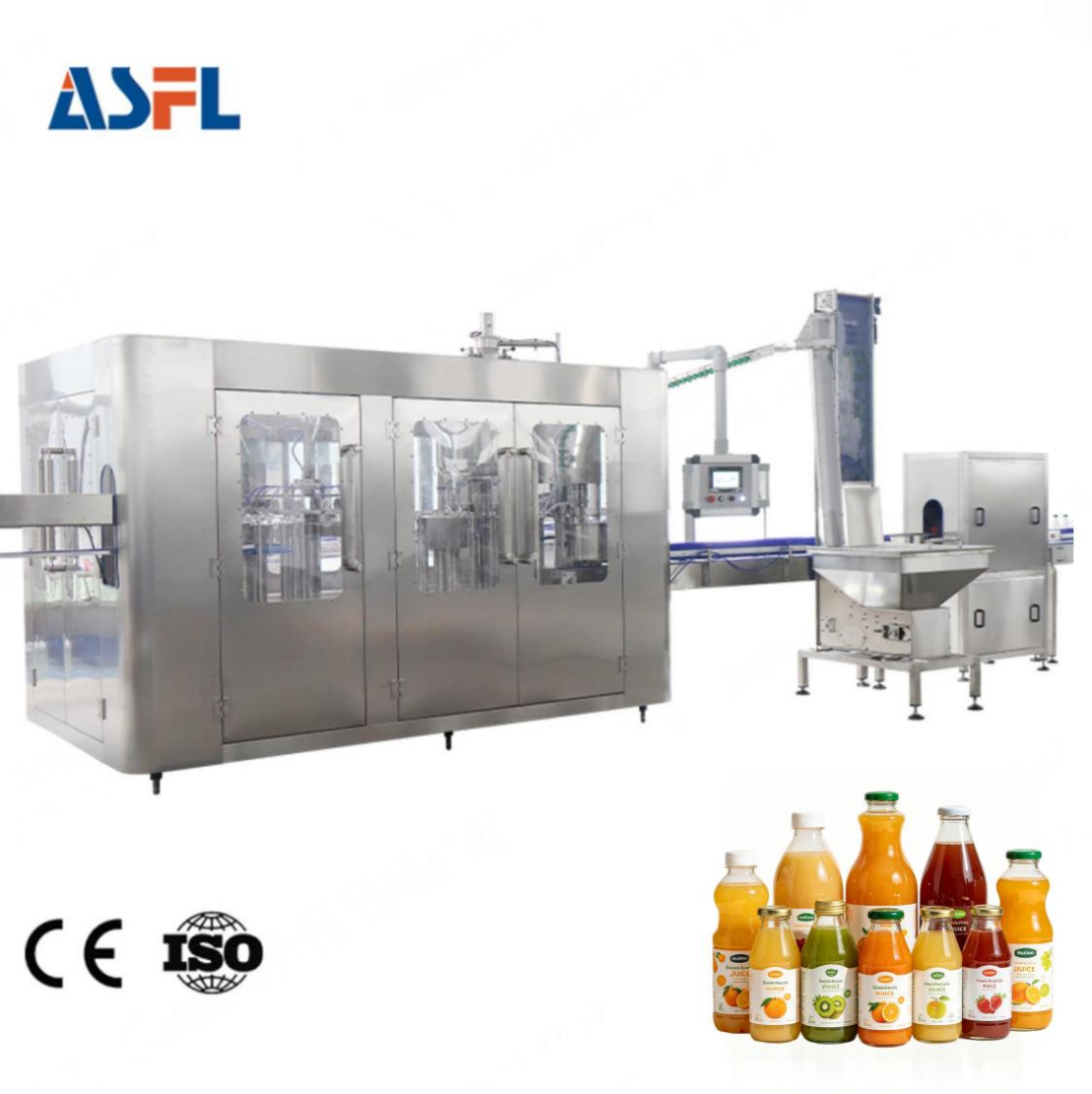
From a process-compatibility perspective, a glass bottle filling and capping machine has to be judged against the liquid, the bottle, the closure, and the cleaning method together. A smooth stainless-steel panel alone does not establish hygienic performance. The harder questions are whether a cleaning solution reaches every relevant surface, whether liquid drains after after the cycle, and whether an operator can inspect the locations most likely to retain soil.
Hygienic design starts with cleanability, not a material label
It is easy to specify stainless steel and assume the work is done. More accurately, buyers should ask where each material sits, how components meet, and what happens during cleaning. A product-contact surface can be corrosion resistant yet still be difficult to clean if it contains a tight corner, an offset joint, an exposed thread, or a gasket groove that holds product.
Hygienic engineering guidance commonly emphasizes non-absorbent, cleanable contact surfaces that resist the product as well as the detergents and disinfectants used in service. It also regards crevices, misaligned connections, and poorly arranged seals as design issues because residues can remain protected from the cleaning flow. For a glass bottle filling and capping machine, those considerations apply to product tanks, manifolds, filling valves, nozzles, return paths, cap chutes, and the transition between filler and capper.
Surface finish is part of that discussion, but it is not a universal shortcut. Technical sources often cite a food-contact roughness benchmark of Ra 0.8 μm in relevant hygienic applications. The appropriate requirement still depends on the product, cleaning regime, applicable market rules, and evidence that the assembled equipment is cleanable. It should be written into the project specification rather than inferred from a brochure.
Where a filling-and-capping line can hold residues
The filling stage and the capping stage introduce different sanitation questions. The filler moves product through wetted parts; the capper works close to the bottle mouth, where splash, condensate, cap dust, lubricants, and access limitations all deserve attention. The most useful design review follows the real product and cleaning paths instead of inspecting only the visible exterior.
Product-contact zones
Inspect the bowl or tank, feed pipework, valves, nozzles, venting arrangements, and any recirculation route. A glass bottle filling and capping machine should avoid blind areas that fall outside the normal cleaning flow. If clean-in-place is proposed, the supplier and buyer should agree on the required flow path, detergent chemistry, temperature, time, and verification approach for the actual configuration. If manual cleaning is needed, personnel must be able to reach and see the areas concerned without creating improvised disassembly steps.
Seals, joints, and change parts
Gaskets and O-rings require the same scrutiny as metal surfaces. A seal that is misaligned, over-compressed, damaged by chemicals, or positioned behind a residue-catching gap can undermine an otherwise sensible design. Ask how filling valves are dismantled, how seals are identified after changeover, and how worn components are inspected. This is especially relevant when a glass bottle filling machine runs several bottle heights, neck finishes, or liquids with different cleaning demands.
The bottle-mouth and capping transition
Glass bottles bring their own handling considerations: breakage controls, rinsing requirements where applicable, and accurate presentation to the filling and capping stations. Around the capper, look for sloped, easy-to-clean guards; protected lubrication points; accessible cap-contact parts; and clear separation between product-side surfaces and non-product mechanisms. There is no benefit in an easily cleaned filling valve if debris or moisture can migrate from an overlooked overhead or adjacent component into the open-bottle zone.
Drainage and geometry determine whether sanitation can be repeated
After a wash cycle, retained water or chemicals can create a new problem. Hygienic equipment therefore needs deliberate drainage: pipework and surfaces should lead liquid toward drain points rather than leave horizontal pockets, ledges, or low points. In practice, this means reviewing more than the process pipe. Frame members, guards, drip trays, cable routes, and the underside of the filler can all collect moisture if their geometry is ignored.
Here it helps to separate two ideas. The first is visible cleanliness; the second is repeatable cleanability. A flat horizontal surface may look acceptable on installation day but repeatedly trap water between sanitation cycles. Likewise, a hollow frame section that cannot be inspected should be sealed or otherwise designed so it does not become a hidden moisture-retention area. These details reduce uncertainty in daily sanitation rather than serving as decorative features.
Cleaning access must match the operating reality
A line can be designed for CIP, for controlled manual cleaning, or for a combination of both. The correct choice depends on the process. What should not be accepted is an undefined cleaning method. If a supplier says a glass bottle filling and capping machine is CIP-capable, the project team should ask what exactly is included: cleaning circuits, coverage of valves and nozzles, drainability, instrumentation, recipes, and validation records. If parts must be removed, clarify tools, time, safe handling, reassembly checks, and the inspection points before restart.
Tool-free or simplified access can help when it genuinely improves repeatable cleaning, but it is not automatically hygienic. A quick-release guard still needs to avoid residue traps and must return to a stable, aligned position. The practical test is straightforward: can a trained operator follow the written sanitation procedure, inspect critical areas, and document the result without bypassing difficult locations?
Why strict design standards protect production decisions
Strict hygiene standards make specification conversations more precise. They turn broad claims about “sanitary construction” into testable requirements for material compatibility, weld quality, surface geometry, drainage, seal design, cleaning access, and verification. They also connect the filler to the capper and the rest of the line, which matters because hygiene risks do not stop at the last filling nozzle.
For procurement teams, this reduces the risk of comparing machines only by filling speed or head count. The right comparison includes the liquid’s viscosity and foaming behavior, bottle dimensions, closure format, expected sanitation frequency, cleaning chemicals, production schedule, and site validation requirements. In other words, first confirm the liquid characteristics, then discuss speed. A nominal output figure says little about hygienic suitability without those conditions.
A practical hygiene review checklist
- Map every product-contact surface from supply tank to filling nozzle and identify how it is cleaned and inspected.
- Request drawings or walk-through evidence showing drainage paths, low points, joints, and removable assemblies.
- Confirm the construction and placement of seals, gaskets, threads, fasteners, and welded connections in product or splash zones.
- Match metal, elastomer, and plastic materials to the liquid and to the intended detergents, sanitizers, temperatures, and exposure time.
- Define the cleaning method for the actual line: CIP parameters, manual-cleaning steps, acceptance criteria, and records.
- Review filling-valve, nozzle, bottle-handling, and capping areas together, including guards and nearby components that could shed moisture or debris.
- Plan a factory or site acceptance test using representative bottles, closures, liquid conditions, and sanitation procedures.
Conclusion
A strict hygiene specification for a glass bottle filling and capping machine is a way to make food-safety and quality expectations visible in the equipment itself. Cleanable geometry, controlled drainage, compatible materials, accessible inspection points, and a validated cleaning method work together. The final configuration should be reviewed against the actual product and local requirements, but treating hygiene as an engineering requirement from the first layout discussion creates a much stronger basis for selection, commissioning, and routine operation.





 Hot News








