 EN

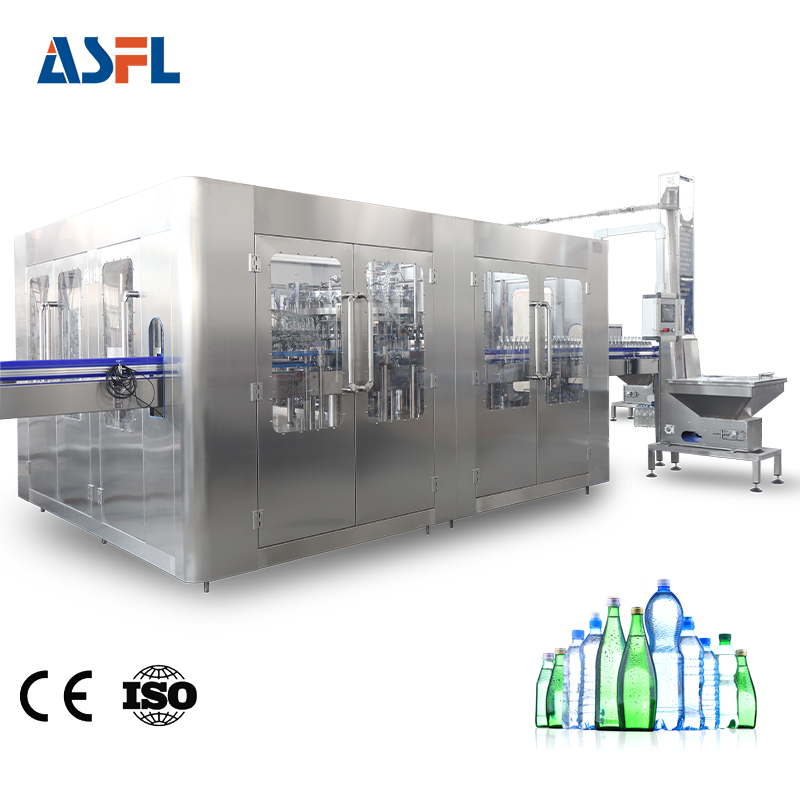
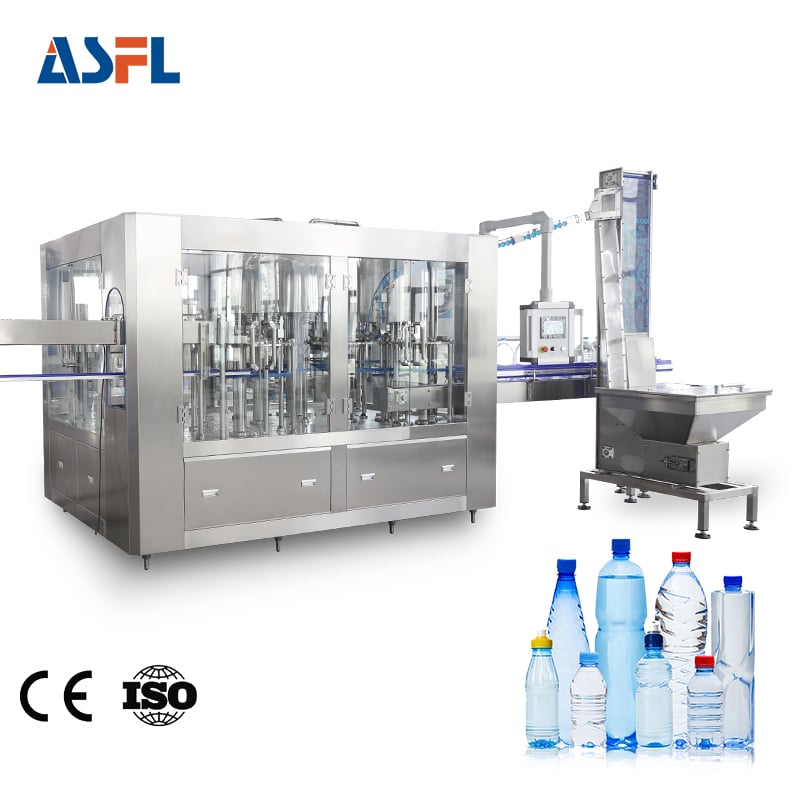
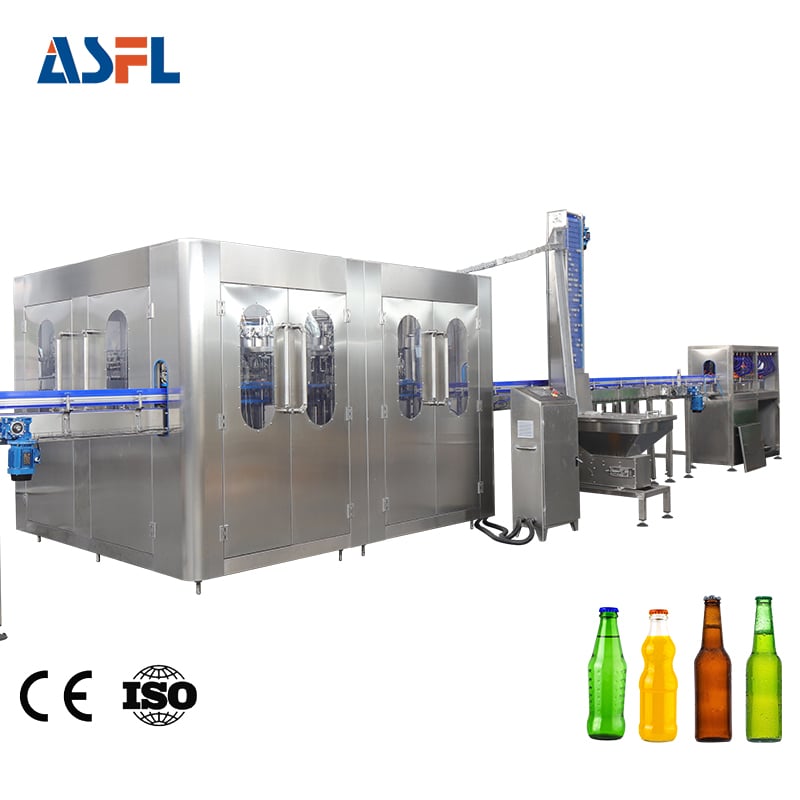
In modern beverage manufacturing, standalone equipment configurations often fail to meet stringent hygienic standards and operational efficiency targets. Integrating advanced filtration directly with a water purification and bottling machine creates an automated inline process that safeguards production purity, protects sensitive mechanical components, and lowers operational downtime. For factory engineers and plant operations management evaluating capital equipment from ACE-FILLING, understanding the technical synergy between treatment stages and packaging lines is essential for optimal facility performance.
Protecting High-Precision Filling Valves from Micro-Particulates
Operating a standalone filling unit without integrated upstream filtration introduces significant operational risk. Raw feed water, even from municipal sources, carries suspended solids, micro-sands, and mineral precipitates. When unrefined water enters a water purification and bottling machine, suspended particulates score the delicate stainless-steel surfaces of volumetric filling nozzles and flowmeter seals.
By deploying an inline filtration network directly upstream of your water purification and bottling machine, particles larger than 0.2 microns are eliminated prior to reaching the filling manifold. This multi-stage protection preserves valve seal integrity, prevents liquid dripping during high-speed container indexing, and maintains accurate fill volume precision over millions of cycles.
Technical Comparison: Integrated vs. Decoupled Systems
When designing a production line, engineering teams must evaluate whether to source filtration and packaging separately or implement an all-in-one water purification and bottling machine ecosystem. The technical comparison below outlines key operational parameters.
| Performance Indicator | Decoupled Filtration & Filling Line | Integrated Water Purification and Bottling Machine |
|
Microbial Re-Contamination Risk |
High (Open buffer tanks & long pipe runs) |
Extremely Low (Closed-loop inline pipeline design) |
|
CIP / SIP Cycle Complexity |
Dual validation protocols required |
Unified automated Clean-in-Place system |
|
Footprint Requirements |
Large footprint with external staging |
Compact footprint; optimized frame design |
|
Filling Valve Longevity |
Frequent seal replacement (6-9 months) |
Extended valve life (>24 months continuous) |
|
Regulatory Audit Trail |
Disjointed SCADA / PLC logs |
Centralized HMI monitoring for FDA/ISO compliance |
Adopting an integrated water purification and bottling machine streamlines sanitary validation and reduces total floor space requirements by up to 30%, making it the preferred architecture for high-capacity mineral water and purified water plants.
Ensuring FDA, IBWA, and ISO 22000 Compliance
Compliance with international beverage standards requires continuous, verifiable water quality prior to container sealing. Standard regulatory frameworks mandate rigorous microbial control, including the elimination of Pseudomonas aeruginosa, Escherichia coli, and coliform bacteria.
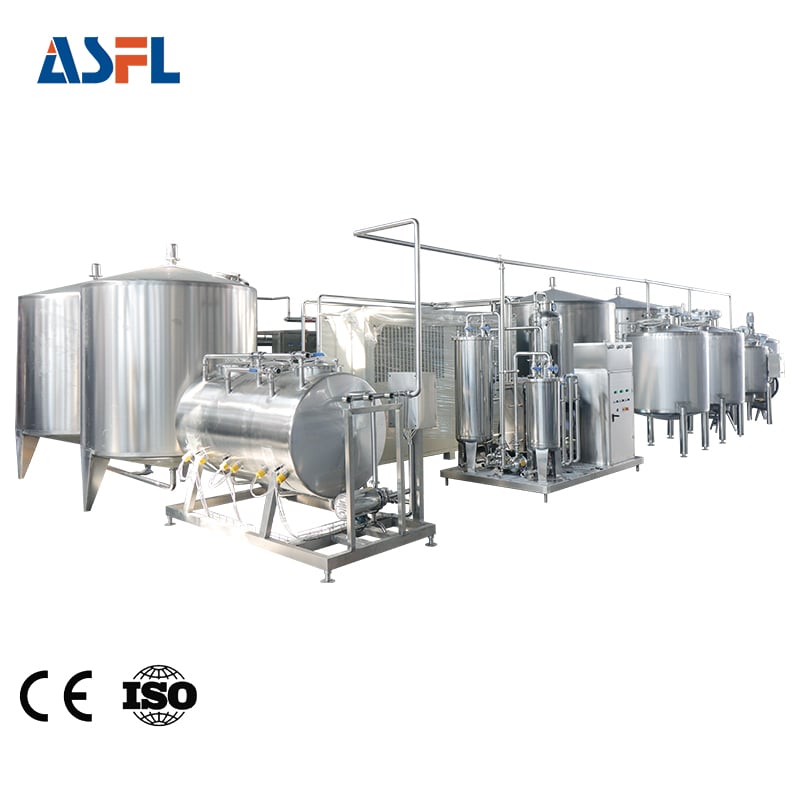
Integrating multi-stage treatment—comprising quartz sand filters, activated carbon beds, reverse osmosis (RO) membranes, and absolute-rated cartridge filters—directly with a water purification and bottling machine ensures every drop meets global bottled water specifications before container contact.
By maintaining a closed-loop system between reverse osmosis membranes, UV sterilizers, and the water purification and bottling machine, manufacturers eliminate atmospheric bio-burden risks associated with open intermediate holding tanks.
Real-World Case Study: Eliminating Biofilm and Line Stoppages
A commercial water producer in Southeast Asia experienced periodic batch rejections due to biological contamination traced to long transfer piping between an isolated water treatment shed and their filling plant. Additionally, particulate build-up caused filling valve stickiness, leading to weekly unbalance alarms and production line shutdowns.
Solution & Implementation:
-
System Re-Engineering: Replaced the isolated setup with a fully cohesive water purification and bottling machine architecture supplied by ACE-FILLING.
-
Filtration Integration: Installed dual-stage 0.2-micron absolute polyethersulfone (PES) filter housings directly onto the filling machine skid, linked to an automated Ozone / UV dosing loop.
-
CIP Synchronization: Programmed synchronized Clean-in-Place protocols covering both the reverse osmosis distribution manifold and the filling block.
Measured Results:
-
Zero Batch Contamination: Biological test failures dropped to 0% over a 12-month evaluation period.
-
Maintenance Reduction: Valve seal replacement frequency decreased from 4 times per year to once annually.
-
OEE Improvement: Overall Equipment Effectiveness increased by 14.5% due to reduced line clearance and cleaning cycles.
Maximizing ROI through Combined CIP/SIP Sanitation
Operating separate water purification facilities alongside isolated packaging machinery doubles CIP chemical consumption and energy costs. Combining filtration equipment into a single water purification and bottling machine platform enables automated, single-pass sanitation routines.
-
Lower Chemical Usage: Recirculating ozone-treated water or caustic solutions through the filtration housing and filling block simultaneously reduces chemical consumption by 40%.
-
Shortened Downtime: Thermal sanitization procedures can be completed in a single window, minimizing production downtime between batch runs.
-
Extended Equipment Lifetime: Preventing scale formation and abrasive particulate entry protects high-pressure pumps, magnetic flowmeters, and pneumatic filling valves across the entire water purification and bottling machine installation.
To explore modular equipment configurations, complete turnkey plant layouts, and complete technical specifications, visit the ACE-FILLING Water Filling Solutions overview guide.
Engineering Summary & Plant Design Recommendations
Selecting an integrated water purification and bottling machine is a critical strategy for modern beverage producers seeking operational consistency and strict hygienic compliance. By combining raw water treatment directly with sterile filling technology, beverage manufacturers secure their production process against mechanical wear and bio-contamination.
When designing your next facility expansion, ensure your engineering team reviews raw water total dissolved solids (TDS), target hourly bottle capacities, and automated CIP requirements with your equipment supplier. Investing in a combined water purification and bottling machine system establishes a scalable foundation for long-term production success and high-efficiency yield.
 Hot News








