 EN

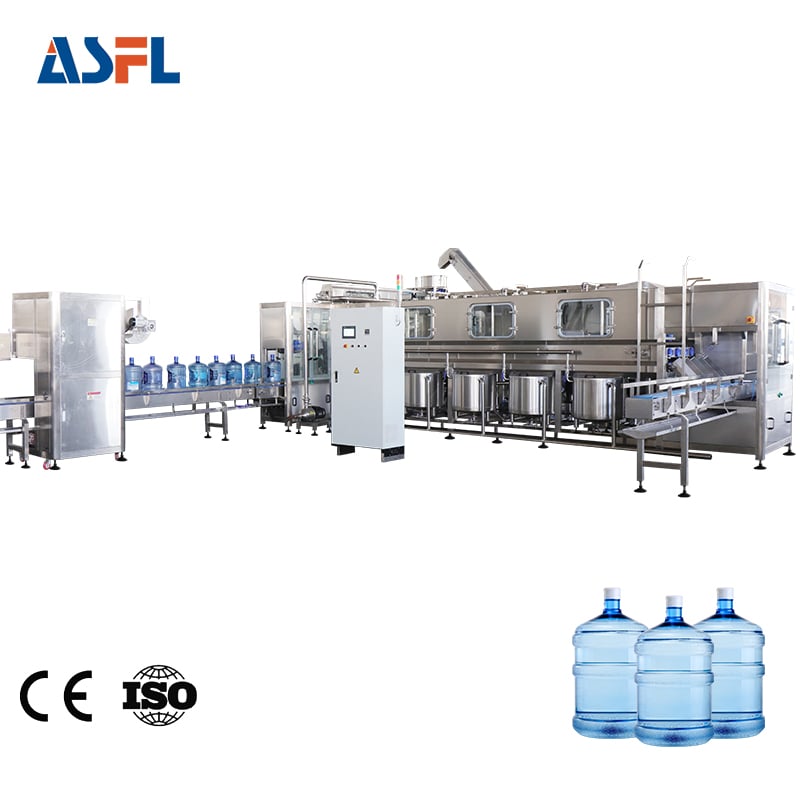
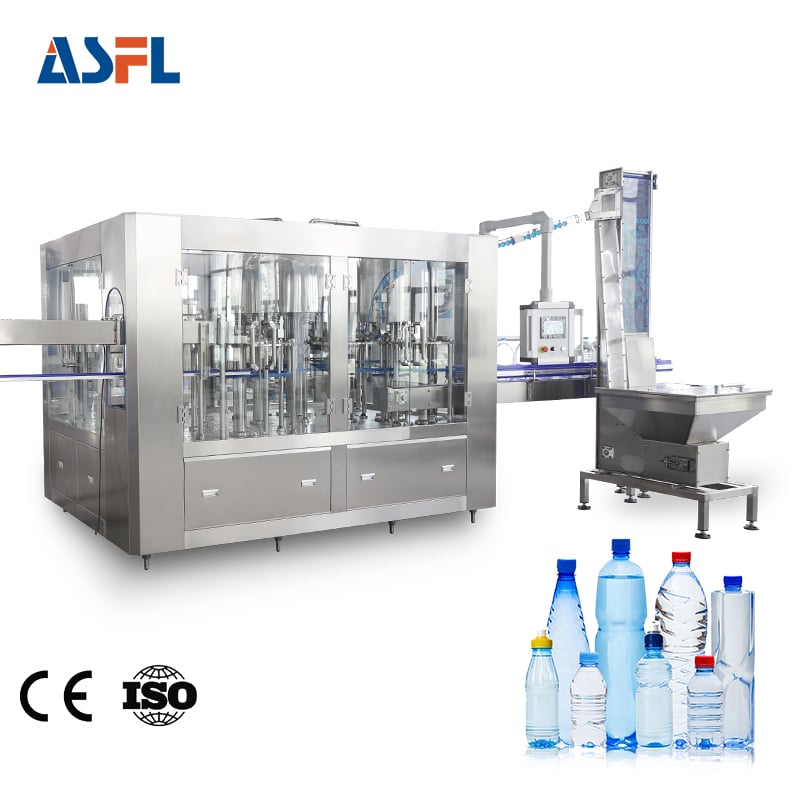
For a production-line engineer, the delivery cycle of an automatic beverage filling machine starts well before fabrication. It starts when the buyer and supplier agree on what the machine must fill, how the containers behave, which upstream and downstream units it must coordinate with, and how the finished system will be checked. A custom project is not simply a standard automatic beverage filling machine with a different label. Every unresolved operating condition can add an engineering loop, a sourcing decision, or a test requirement.
The practical question is not “How fast can the machine be built?” but “How complete is the information needed to release the design?” The sections below separate the factors that shape the cycle and show how a purchaser can reduce avoidable waiting without asking a supplier to skip necessary verification.
1. Requirement completeness determines how quickly design can start
An automatic beverage filling machine is specified around the product, the package, and the required operating window. Basic information such as beverage type, viscosity, carbonation, pulp content, filling temperature, target fill volume, bottle material, bottle dimensions, cap style, and target output gives the engineering team a starting point. Missing information does not automatically stop a project, but it can turn a single design review into several clarification cycles.
For example, a line that fills still water may use different controls from an automatic beverage filling machine intended for carbonated drinks or beverages with suspended particles. The nozzle method, product-contact route, tank arrangement, cleaning approach, and control logic may need different treatment. It is more accurate to confirm the liquid and container conditions first, then discuss nominal speed.
Buyers can shorten this stage by submitting sample containers, closure drawings, product characteristics, plant layout limits, utility information, and a ranked list of must-have versus optional functions. A clear user-requirement sheet gives both sides a reference for changes later in the project.
2. Custom configuration changes the engineering workload
The delivery cycle extends when an automatic beverage filling machine needs nonstandard mechanical arrangements or controls. Common examples include an unusual bottle neck finish, a special infeed orientation, a change-part family for multiple containers, a requested capper connection point, a different conveyor height, or data exchange with existing line equipment. None of these requests is unusual in a custom project, but each must be checked against drawings, clearances, component availability, and safety functions.
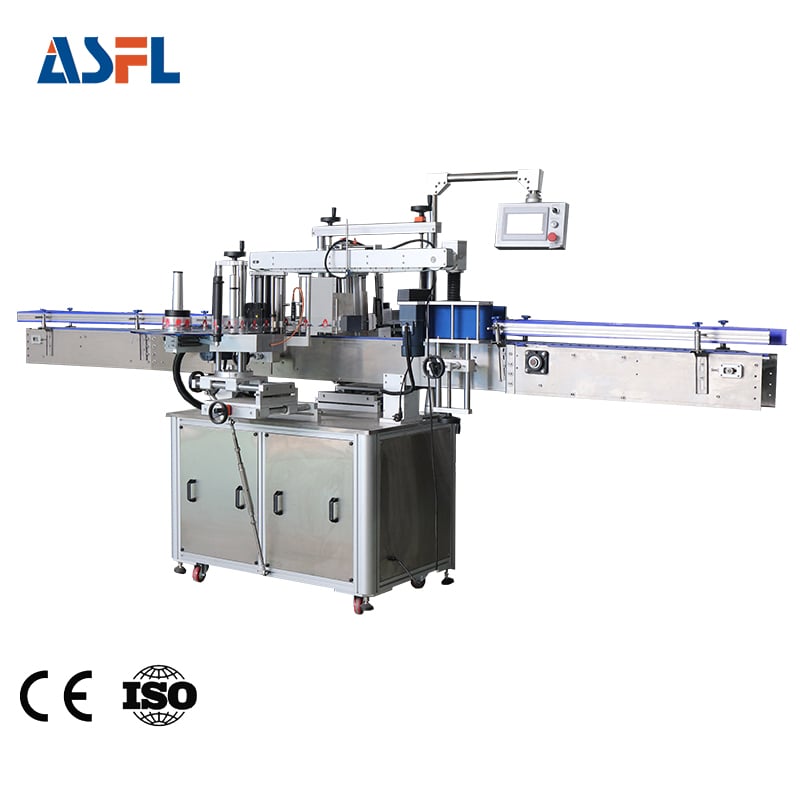
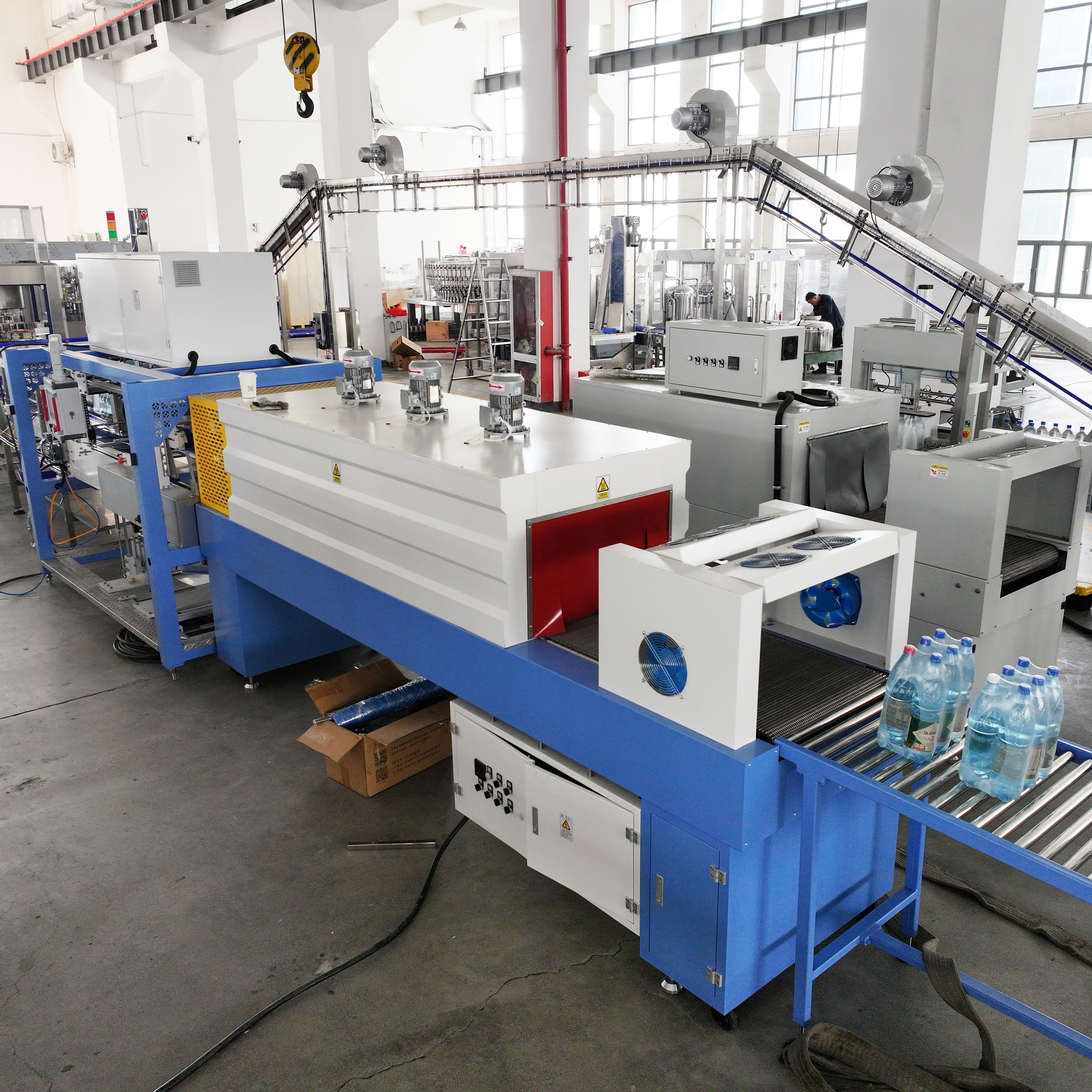
Line integration matters as much as the filler itself. An automatic beverage filling machine can be mechanically ready while the project is still waiting for confirmation of the upstream rinsing section, product feed conditions, conveyors, cap handling, coding, labeling, or accumulation zones. A rate target is only meaningful when the units around the filler can accept the same operating rhythm. A higher nominal rate can be less stable when bottle spacing or product supply varies.
A useful approach is to freeze the core process first: filling method, bottle family, nominal output, contact materials, sanitation approach, and line connection points. Optional accessories can then be identified separately so that their effect on design and sourcing is visible before they become late changes.
3. Hygienic design review may add necessary detail
For beverage applications, product-contact design is not an afterthought. Under U.S. food current good manufacturing practice rules, equipment used in processing or packing food must be adequately cleanable and maintained, while food-contact surfaces need to suit their intended environment. The exact regulatory route depends on the market and product, but the design lesson is broadly useful: material choices, weld or seam treatment, drainability, cleaning access, and the intended cleaning process should be defined before release.
That means a custom automatic beverage filling machine may need additional review when a buyer requests clean-in-place connections, a particular product-contact material, a special cleaning sequence, or documentation related to hygiene. These questions can increase early engineering time, yet they often reduce the chance of discovering a mismatch after assembly. An automatic oil filling machine can face its own liquid-compatibility questions, but beverage hygiene requirements should not be assumed from an oil application.
4. Component sourcing and build scheduling affect the middle of the cycle
Once drawings are released, fabrication, machining, purchased components, control-panel work, assembly, and wiring can move in parallel. The actual cycle for an automatic beverage filling machine depends on the approved configuration and the availability of those specified parts. A late substitution request, a revised motor requirement, a different sensor arrangement, or a new electrical standard can reopen procurement and documentation.
It helps to identify long-lead or buyer-nominated items early. If the project uses customer-supplied caps, bottles, or labels for testing, the samples should arrive before the planned test window. If the buyer wants an automatic beverage filling machine to connect to existing equipment, connection drawings and control responsibilities should be agreed before panel design is finalized.
5. Factory acceptance testing is a real project stage
Assembly completion is not the same as delivery readiness. A custom automatic beverage filling machine may require dry running, water testing, product trials, adjustment, safety checks, documentation review, and a factory acceptance test. The scope of this stage depends on the agreed acceptance criteria. Broader validation guidance also emphasizes planned tests and acceptance criteria when demonstrating that equipment is suitable for its intended use; this is a useful principle even where that specific guidance does not govern a beverage line.
Testing can expose bottle-positioning variation, foaming behavior, cap-handling issues, or coordination problems with conveyors. Finding these issues in the factory gives the team a controlled setting to correct them. To keep this stage predictable, define what will be supplied for testing, which speeds and fill volumes will be checked, what tolerances apply, who approves results, and how deviations will be handled.
6. Packing, shipping, and site preparation are separate clocks
After acceptance, an automatic beverage filling machine still needs export packing, transport planning, customs documentation where applicable, and a receiving plan. Site installation may also depend on utility connections, floor space, drainage, product piping, and operator availability. These activities do not necessarily delay factory completion, but they influence when the machine can begin productive operation.
For a multi-machine project, use a shared schedule that distinguishes design approval, component release, assembly, factory testing, packing, dispatch, arrival, installation, and start-up. This makes it easier to see whether a change affects manufacturing, logistics, or site readiness.
A buyer checklist for a more predictable cycle
- Provide beverage, bottle, cap, label, and layout information at the beginning.
- State the target output together with container sizes and expected changeovers.
- Confirm utilities, hygiene expectations, electrical requirements, and existing-line connection points.
- Separate essential functions from later options before the design is released.
- Agree on factory-test materials, acceptance criteria, and the people authorized to sign off.
- Plan shipping and site preparation as soon as the configuration is stable.
In short, the delivery cycle of an automatic beverage filling machine is shaped by the quality of the early specification, the amount of customization, component availability, test scope, and logistics readiness. A disciplined requirement-and-validation process does not promise a fixed calendar date, but it gives every participant fewer unknowns to resolve after work has already started.

 Hot News








