 EN

Verifying Mechanical Alignment and Structural Integrity After Setup
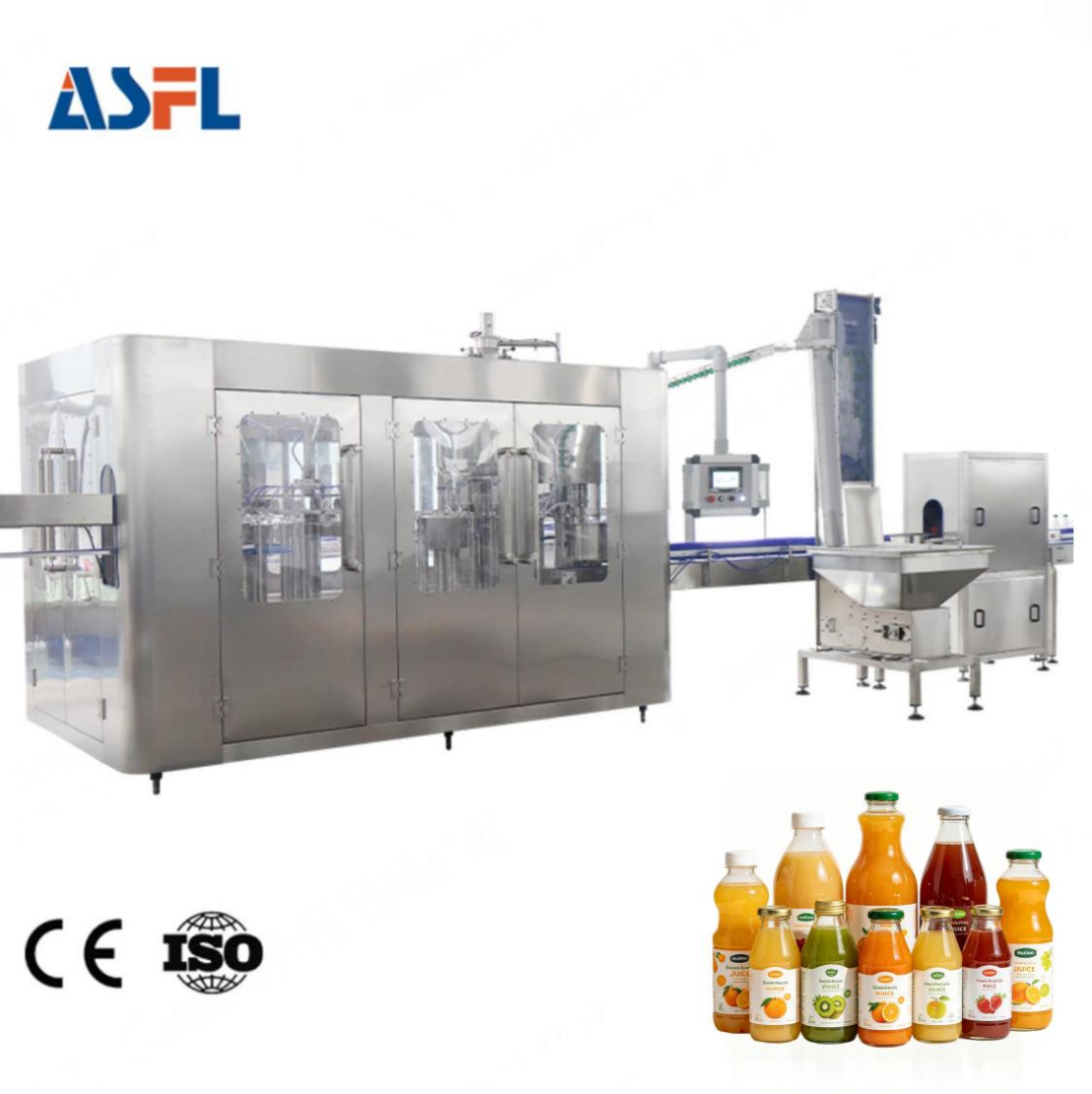
When a new juice bottling machine arrives at a beverage production facility, the physical placement and anchoring represent only the beginning of the deployment phase. Performing a thorough post-installation inspection is critical to ensure that transportation vibrations, handling shifts, or uneven flooring have not compromised the structural integrity of the monoblock framework. Plant engineering teams must systematically examine the leveling of the base frames, the alignment of the rotary carousels, and the precise synchronization between the infeed starwheels, filling valves, and capping heads.
A high-performance juice bottling machine handles acidic beverages, nectars, and pulpy juices that demand exceptional sanitary standards. During the initial machine inspection work, technicians must verify that all stainless steel structural components are free of surface blemishes and that vibration dampening mounts are properly secured. Any minor misalignment in the transfer starwheels can lead to bottle jamming, container crushing, or incorrect positioning under the filling nozzles, which ultimately increases product waste and introduces hygiene vulnerabilities. Establishing rigorous mechanical checks right after installation safeguards long-term equipment durability and aligns with international manufacturing standards such as ISO and FDA guidelines.
Pneumatic, Hydraulic, and Fluid Pipeline Integrity Checks
Beyond the visible mechanical assemblies, a comprehensive post-installation inspection must focus heavily on fluid pathways, product manifolds, and pneumatic supply networks. A modern juice bottling machine relies on compressed air for valve actuation, bottle gripping, and capping torque control, while liquid product flows through intricate sanitary piping systems connected to Clean-In-Place (CIP) loops.
During the bottling line commissioning phase, technicians must pressurize the pneumatic circuits and check for pressure drops, air leaks, or incorrect regulator settings. Simultaneously, product pipelines must undergo hydrostatic pressure testing to confirm that all sanitary tri-clamp connections, butterfly valves, and diaphragm seals can withstand operating pressures without weeping. Inspecting the drainage slope of the piping network is another vital task during this machine inspection work, as stagnant liquid pockets can rapidly become breeding grounds for wild yeasts and bacteria. Verifying that every weld meets sanitary 316L stainless steel standards ensures that the juice bottling machine operates under uncompromised hygienic conditions from day one.
Electrical Safety, Sensor Calibration, and Control Logic Validation
The electronic nervous system of any automated packaging line requires meticulous testing before raw product is ever introduced into the system. Post-installation inspection protocols must cover electrical distribution panels, emergency stop circuits, programmable logic controllers (PLCs), and optical sensors that detect bottle presence and cap orientation.
During this stage of bottling line commissioning, engineers verify that grounding resistance meets safety codes and that all interlocked safety guards immediately halt machine rotation when opened. Sensor calibration is equally vital; photoelectric sensors governing the no-bottle-no-fill mechanism must be fine-tuned to prevent accidental liquid discharge onto conveyor chains. A thorough machine inspection work checklist requires testing the human-machine interface (HMI) screens to ensure recipe selection, speed adjustments, and alarm logs function without latency. Ensuring robust electrical reliability on the juice bottling machine prevents unexpected line stoppages and protects operators from operational hazards.
Comparative Parameters for Post-Installation Evaluation Stages
Evaluating different operational zones during system rollout requires a structured approach to ensure no critical subsystem is overlooked.
| Evaluation Zone | Core Inspection Parameter | Target Acceptance Standard |
| Mechanical Framework | Base leveling and carousel runout | Maximum deviation under 0.05 mm across rotation |
| Fluid & Product Paths | Sanitary weld integrity and pressure holding | Zero leaks at 1.5x maximum operating pressure |
| Pneumatic System | Air pressure consistency and actuator response | Stable pressure at 0.6 MPa with instantaneous valve trigger |
| Electronic Controls | Sensor detection range and E-stop reaction time | Immediate drive halt within safety response thresholds |
| Dosing Precision | Volumetric fill accuracy across multiple cycles | Consistent fill weight within +/- 0.5% tolerance band |
Dry Run Testing and Wet Commissioning Validation
Once structural, pneumatic, and electrical verifications are successfully completed, the juice bottling machine must undergo phased operational trials starting with dry runs and culminating in wet commissioning. Dry testing involves running empty containers through the rinser, filler, and capper at incremental speeds to observe mechanical fluidity, transfer smoothness, and noise levels.
Following a successful dry run, the team initiates wet commissioning using sanitized water or representative test liquids. This phase evaluates the volumetric dosing accuracy of the filling valves, the torque consistency of the capper, and the effectiveness of the bottle handling guides under live production speeds. Any foaming, splashing, or irregular bottle gripping identified during this phase of the post-installation inspection must be corrected immediately. Documenting these trial runs establishes a validated performance baseline for the juice bottling machine, which becomes invaluable for future audits and routine maintenance schedules.
Final Compliance Documentation and Operational Handover
The final step of comprehensive bottling line commissioning involves compiling all inspection logs, calibration certificates, and test execution reports into a formal handover package. Plant quality assurance managers must review these records against the original purchase specifications and regulatory frameworks before signing off on full commercial production.
Partnering with experienced equipment manufacturers like
 Hot News








