EN
A listing for a water bottling plant for sale can make the purchase look simple: compare output, select a bottle size, and agree on a price. In practice, the purchase contract is where an attractive proposal becomes a defined project. Before signing, translate the seller’s description into checkable responsibilities for equipment, utilities, testing, documents, and handover.
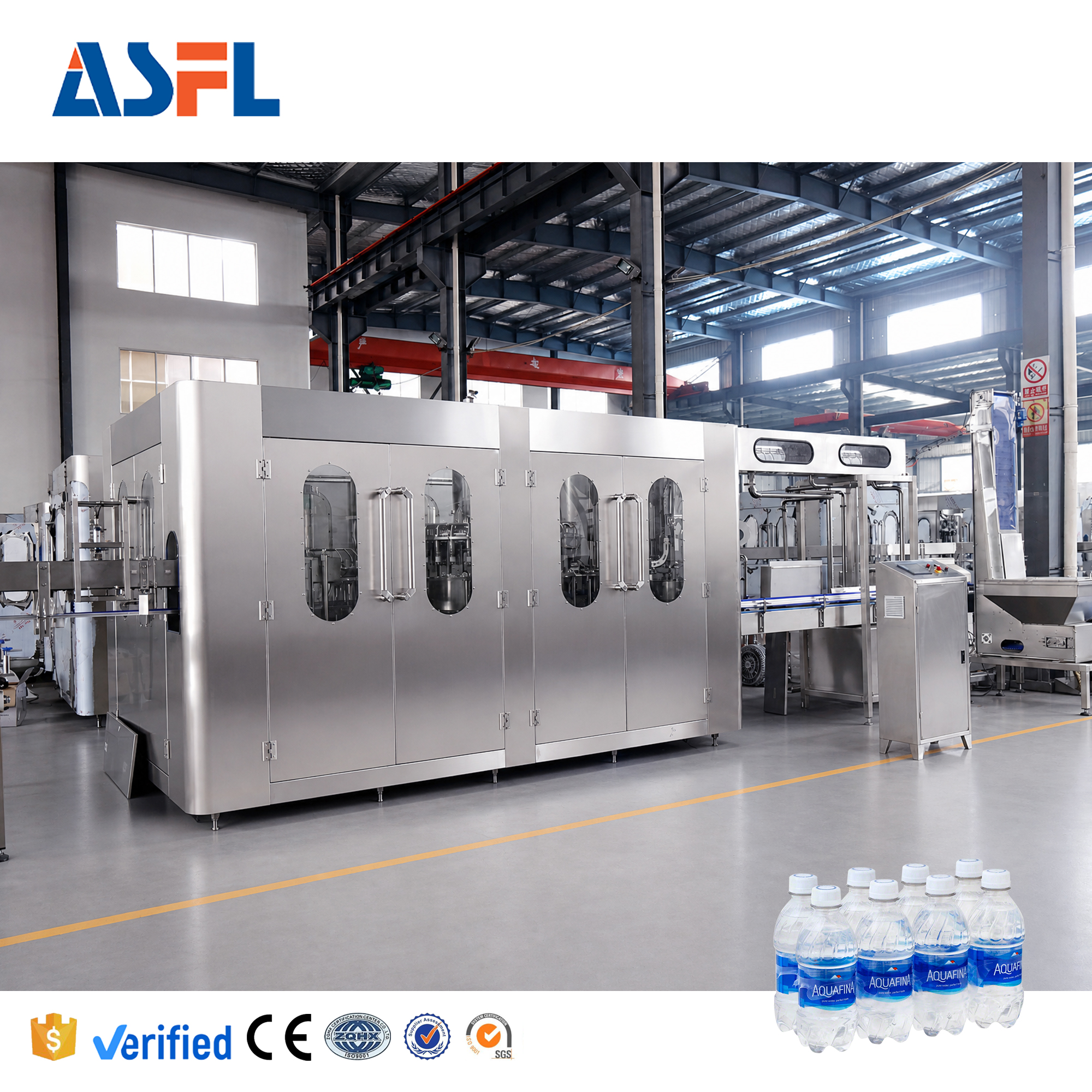
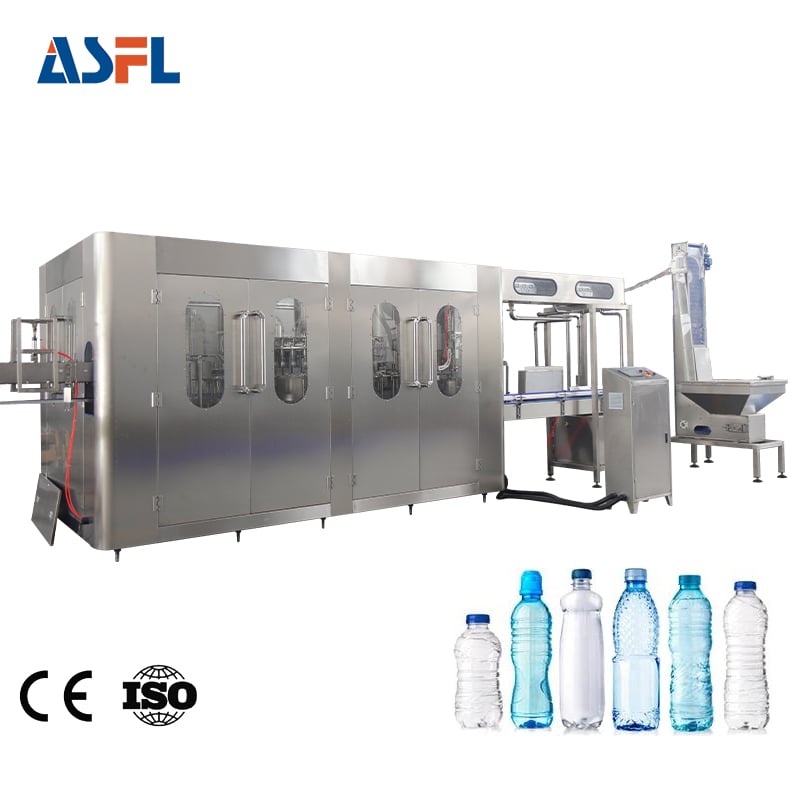
From a B2B equipment-evaluation perspective, a water line should be assessed as a connected system rather than a collection of machines. The water source or treatment section, bottle handling, filling, capping, labeling, conveying, and packing stages each create handoff points. If an handoff point is not named in the agreement, it can easily become a change request later.
Start with the operating requirement, not the headline speed
For any water bottling plant for sale, ask the supplier to state the operating basis behind the quoted output. A line’s stated bottles-per-hour figure is meaningful only with the relevant bottle format, fill volume, cap type, water characteristics, shift pattern, and efficiency assumptions. More precisely, target speed should be validated under agreed test conditions rather than treated as a stand-alone promise.
- List every bottle size, neck finish, cap, label, and secondary pack planned for launch.
- State the required average output and the conditions for the acceptance run.
- Identify whether a future bottle change requires format parts, software adjustment, or both.
- Confirm the product specification: still water, mineral water, purified water, or another defined process route.
The same discipline applies to a turnkey water bottling plant. “Turnkey” should not be a marketing shortcut. Define the start point and end point of the supplier’s scope, then assign every connection between them.
Define what “complete” means in the contract
Buyers often use the phrase water bottling plant complete, but the contract should convert it into a numbered scope table. Include every machine, supplied accessory, control cabinet, format set, safety guard, sensor, and required interconnecting item. Then add a second column for items supplied by the buyer, such as compressed air, power supply, drainage, building works, or local permits.
A useful scope table separates the process into four layers:
- Water and product preparation: source-water handoff point, treatment stages, storage, piping, and any specified sanitation arrangements.
- Primary packaging: bottle supply or blowing handoff point, rinsing, filling, capping, inspection, and rejection handling.
- Secondary packaging: labeling, date coding handoff point, shrink or carton packing, palletizing handoff point, and outbound conveying.
- Project support: layout review, installation supervision, commissioning, operator training, manuals, spare-parts list, and remote-support boundaries.
Do not assume the equipment supplier is responsible for an item merely because it appears on a layout. The purchase contract should identify who designs, supplies, installs, and tests each handoff point.
Turn performance claims into acceptance criteria
A credible acceptance section specifies the test material, bottle format, product condition, run duration, sampling method, allowable reject categories, and records to be delivered. Ask what happens if the test cannot occur because the site, utilities, bottles, caps, or product are unavailable. The answer should be a written allocation of responsibility, not an informal understanding.
For a water bottling plant for sale, acceptance should also distinguish factory acceptance testing from site acceptance testing. Factory testing can establish whether the supplied equipment operates as assembled at the supplier’s facility. Site testing confirms performance after installation with the buyer’s actual handoff points. Neither should be left undefined if final payment depends on it.
It is easy to focus on the highest displayed speed. A more useful question is: at the agreed format and water conditions, what stable output and reject threshold will be recorded during the agreed run? This shifts the conversation from a nominal number to a verifiable result.
Check hygiene, records, and local compliance early
Food and beverage obligations vary by destination, so the buyer should confirm local rules with qualified regulatory and food-safety advisers. For a U.S.-bound example, 21 CFR Part 129 addresses good manufacturing practices for processing and bottling bottled drinking water, including sanitary filling, capping, closing, sealing, and packaging. The same regulation states that specified records must be maintained at the plant for at least two years.
That example does not make a machine compliant by itself. It does show why the contract should state which drawings, material information, cleaning instructions, operating records, and test documents the supplier will provide. If the finished line is intended for the U.S. market, facility registration planning also needs attention before manufacturing or processing begins. Other markets have their own requirements.
Ask the supplier to identify what its documentation supports and what remains the buyer’s responsibility. Avoid wording that implies regulatory certification or a sanitation result unless the actual scope and evidence are defined.
Make water bottling plant installation a planned work package
Water bottling plant installation is more than positioning equipment on the floor. Confirm the foundation and floor-load requirements, access routes, ceiling clearance, drainage slope, electrical specifications, compressed-air quality, water connections, and working clearances for cleaning and maintenance. A compact layout may look efficient on paper while leaving too little access for service or safe changeover.
Use the layout to test the whole material flow: empty bottles in, caps and labels supplied, filled bottles out, rejects removed, packaging materials staged, and finished goods transferred. Conveyors can amplify small upstream interruptions, so their speeds and accumulation zones need to match the filling and packing equipment.
- Attach the approved layout and utility schedule to the contract.
- Name the party responsible for civil work, utility termination points, and commissioning consumables.
- Set milestones for drawings, site readiness review, shipment, installation, commissioning, and acceptance.
- Specify whether installation supervision, travel, and local labor are included or separately priced.
Protect the project after handover
The final negotiation should cover more than warranty duration. Request a recommended spare-parts list with part numbers, critical wear items, lead-time assumptions, manuals, electrical diagrams, PLC backup arrangements where applicable, and a clear support channel. If the line will run multiple formats, include the format-part list and the procedure for ordering future sets.
Also define training deliverables: which roles attend, what operating and maintenance topics are covered, and what records demonstrate completion. A contract should not promise outcomes that have not been verified, but it can require practical training and a documented handover package.
A contract-ready buyer checklist
Before placing an order for a water bottling plant for sale, verify that the contract contains:
- a complete equipment and accessory list with model identifiers;
- product, bottle, cap, label, and target-output assumptions;
- a responsibility matrix for utilities, building work, installation, and local approvals;
- factory and site acceptance criteria, test materials, and payment triggers;
- drawings, manuals, certificates or material information only where actually supplied, and records to be handed over;
- shipment, commissioning, training, warranty, spare-parts, and support terms; and
- a written process for changes to scope, schedule, or bottle formats.
When these points are clear, a proposed line can be compared on evidence rather than on headline claims. For a water bottling project, that is usually the safer basis for choosing equipment and signing a purchase contract.
 Hot News