EN

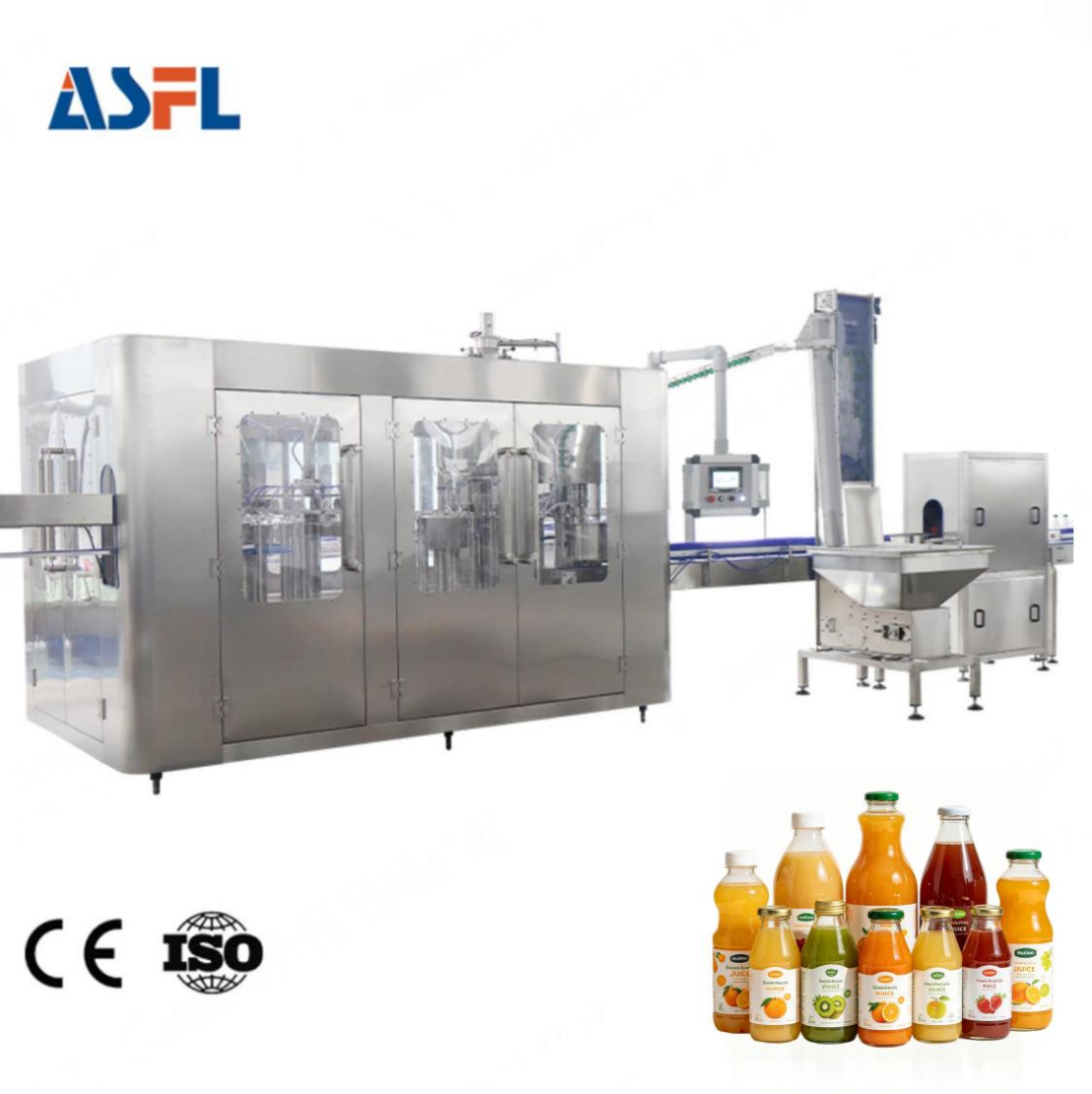
For a small beverage brand, buying an automatic juice packing machine is less about finding the highest nameplate speed and more about matching a repeatable process to the juice, pack, team, and growth plan. A machine can look suitable on a quotation yet create losses through foam, inaccurate fills, awkward cleaning, or long changeovers. Start with the operating conditions, then compare configurations, and finally verify the line under realistic conditions.
Define the production brief before comparing machines
A useful purchase brief describes what will run through the machine rather than simply requesting an automatic juice packing machine. Record each SKU’s recipe, pulp level, viscosity, acidity, temperature at filling, carbonation status, and expected production schedule. Also list every pack format: bottle, pouch, cup, or bag-in-box; its volume range; neck or spout dimensions; cap or seal type; label location; and allowable cosmetic variation.
Small brands often add seasonal flavors or change pack sizes more frequently than high-volume plants. That makes format flexibility, tool-change requirements, and cleaning access material considerations. Ask suppliers to state which parts change between SKUs, how adjustments are controlled, and what product-contact areas must be opened or removed during cleaning.
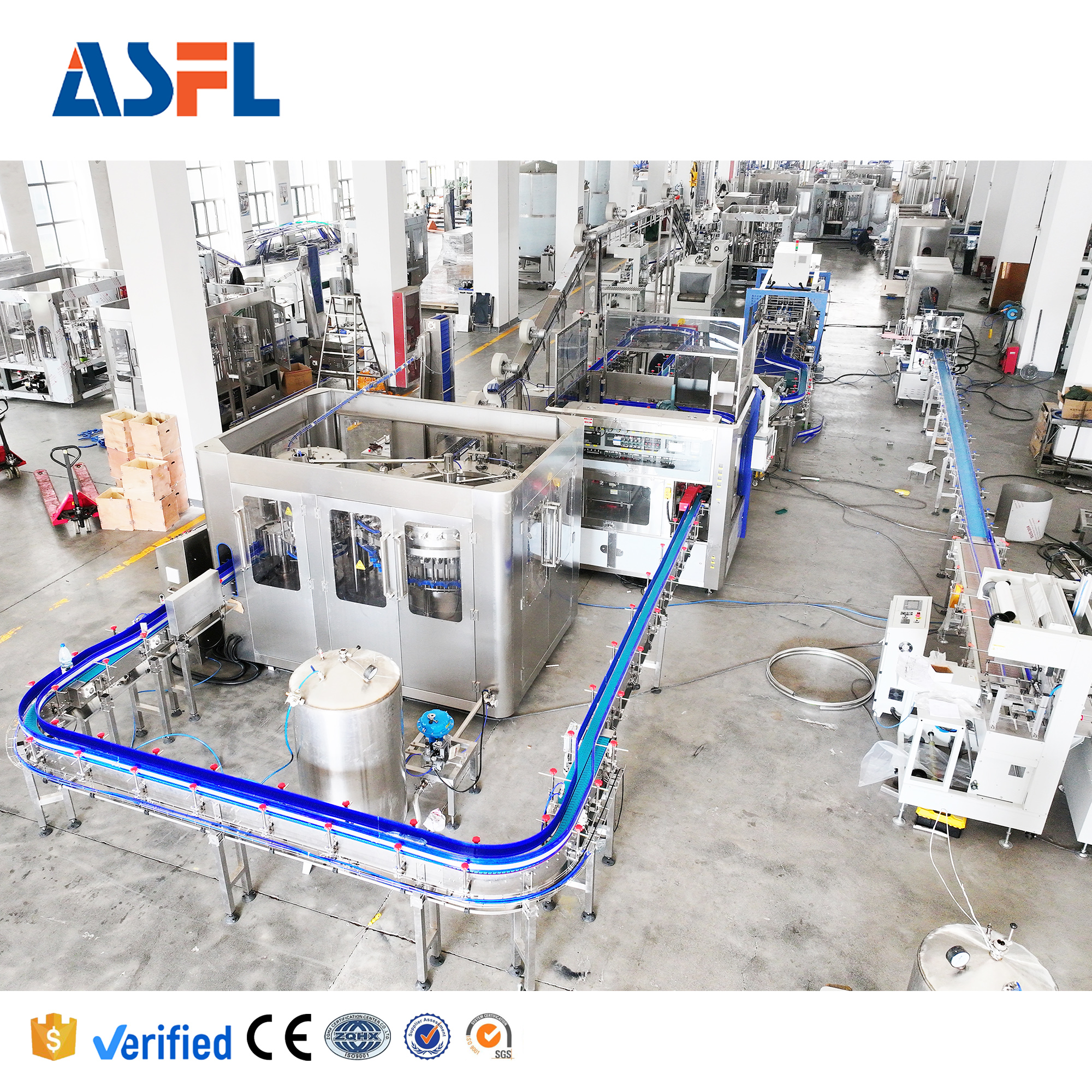
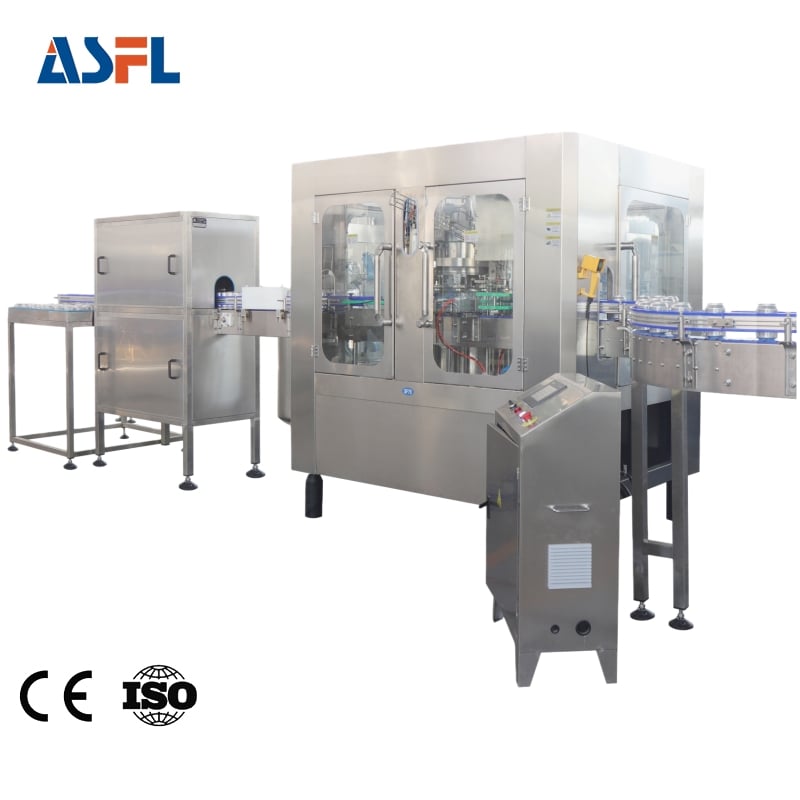
It is worth separating two questions. The first is whether a given filler can dose the liquid. The second is whether the complete package can be filled, closed, conveyed, coded, and inspected steadily. An automatic juice packing machine should therefore be assessed as part of a process, not as an isolated unit. When comparing an automatic juice packing machine, ask the supplier to map each handoff from product supply through final pack discharge.
Choose the filling and packing route around the beverage
The filling route should follow the product’s process requirements. A hot filling process may suit some heat-treated acidic beverages, while other products may call for a different validated process and package combination. Do not select a machine first and then attempt to force the recipe into its limits. Discuss the intended process with qualified food-safety and process professionals for the markets where the drink will be sold.
For example, U.S. juice rules in 21 CFR Part 120 use hazard analysis and process-control concepts for covered products. The regulation includes a 5-log pathogen-reduction requirement in stated circumstances. This is not a universal machine specification, but it illustrates why process validation, hygienic design, and packaging must be discussed together.
An aseptic filling process can involve more demanding controls than a conventional filling route. If it is relevant to your product, ask for a clear boundary of responsibility: what the machine supplier provides, what must be supplied by upstream treatment equipment, and which validation documents or tests remain the processor’s responsibility. Avoid treating a general sales description as evidence that a finished beverage process meets local requirements.
Translate required output into a realistic line target
Speed matters, but “packs per minute” has little meaning without the pack size, product behavior, fill level, cap or seal system, and planned uptime. Begin with the weekly volume you need, the production hours you can actually staff, and a reasonable allowance for cleaning, changeover, setup, and checks. Then ask the supplier to show the conditions behind its stated rate. For an automatic juice packing machine, the usable rate must reflect the complete packaging sequence rather than an isolated filling cycle.
- What liquid and package were used to establish the quoted rate?
- Is the rate for filling only, or for filling, closing, coding, and discharge together?
- How does foaming affect the pace and fill control?
- What happens when bottles, pouches, caps, or film vary within normal manufacturing tolerances?
- Which upstream and downstream machines must match that rate?
A small brand may be better served by a stable, manageable line with room for a planned second shift or later module than by a faster configuration that overwhelms its preparation, inspection, or packing capacity. In practical terms, verify the normal operating window, not only the peak figure.
Evaluate package handling and product-contact design
Package handling is a frequent source of avoidable trouble. Bring physical samples of every bottle, cap, pouch, label, carton, or film that matters. Include samples from more than one production batch where possible. The supplier should demonstrate how the container is located, supported, transferred, and rejected if it is not correctly presented. This is where the automatic juice packing machine must be evaluated with your real packaging tolerances, not an ideal sample alone.
For juice with pulp, variable viscosity, or foam, examine the product path as carefully as the conveyor. Ask about hopper geometry, agitation where appropriate, pump selection, nozzle behavior, drip control, and the method used to manage fill-level consistency. If the project is a juice filling machine manufacturer discussion, the most useful response is not a broad promise; it is a documented explanation of the configuration proposed for your liquid and package.
Also ask which product-contact materials are specified, how seals and hoses are identified, and how wear parts are accessed. A material name alone is not enough. You need to confirm where each material is used and how it fits your cleaning and product requirements.
Put cleaning, sanitation, and changeover on the purchase checklist
A machine that is difficult to clean can consume more time than a small team expects. Food-contact surfaces need cleaning and, when necessary, sanitizing procedures appropriate to the production environment and equipment. Look for accessible product paths, clear drainability where required, documented cleaning instructions, and a practical way to inspect the areas that matter. Assess the automatic juice packing machine during a cleaning walkthrough, because sanitation access is part of its day-to-day production fit.
Ask the supplier to walk through a complete changeover between two of your actual SKUs. Time the work, note the tools required, identify parts that must be changed, and ask how settings are recorded. This is especially important if your brand expects to run limited editions or several bottle sizes. A compact liquid filling machine may save floor space, but it still needs clearance for sanitation, maintenance, material loading, and safe operator movement.
Calculate ownership needs beyond the purchase price
Compare quotations on a like-for-like scope. One offer may include a filler while another includes feeding, capping or sealing, conveyors, coding interfaces, inspection, commissioning, operator training, and format parts. Map the line from product supply to packed case so that omitted interfaces become visible.
For a small beverage brand, the practical ownership questions include:
- What utilities are required, and are they available at the planned site?
- Which wear parts and seals should be stocked locally?
- How are faults diagnosed, and what remote support or service response is available?
- What training is included for operators, maintenance staff, and quality checks?
- What acceptance criteria will be used during commissioning?
This approach avoids comparing only the initial figure. Downtime, slow changeovers, unavailable parts, and unclear handoffs can have a larger operational effect than a modest difference in the machine price.
Use a trial as a decision gate
Before placing an order, request a structured trial with your juice and packaging materials whenever feasible. Agree on the trial plan before the test: product condition, target pack, fill tolerance, closure or seal checks, rejects, changeover, cleaning observations, and the data to be recorded. If a full trial is not possible, identify exactly what remains unverified and put the acceptance method into the contract.
Do not make the trial a demonstration of ideal conditions only. Ask for the same questions your operators will face: how the line handles a normal startup, how it responds to foam or a container misfeed, and how a format change is performed. A purchase decision becomes more defensible when the supplier, the brand, and the process team share the same measurable acceptance criteria.
A practical decision sequence for small brands
Use this sequence to narrow the choice of automatic juice packing machine: document the beverage and package; select the process route; calculate an achievable line target; review hygienic design and changeover; compare the complete line scope; and validate the proposal with a trial and written acceptance criteria. This sequence is deliberately less dramatic than choosing by speed or price alone, but it gives a small team a clearer basis for investment.
When you send an inquiry, include the recipe characteristics, packaging drawings or samples, target volumes, production schedule, available utilities, market requirements, and desired acceptance tests. That information lets suppliers respond with configurations that can be evaluated rather than generic claims. The result is a more useful conversation about whether the machine fits your beverage business today and how it can support the next stage of growth.
 Hot News