EN
What preparations are needed before installing fully automatic bottle filling machines
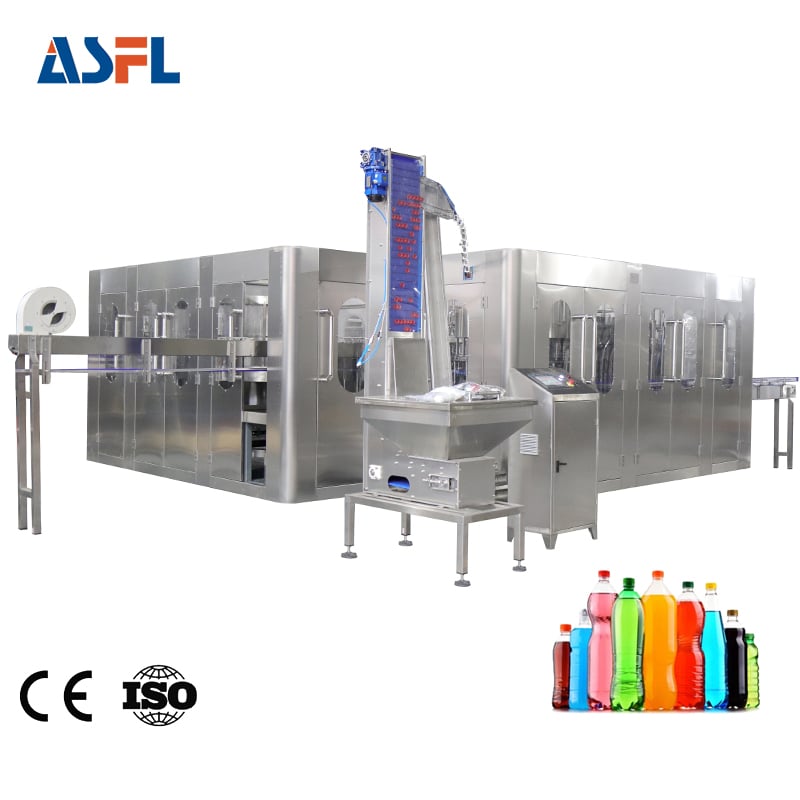
Installing fully automatic bottle filling machines is not simply a delivery-and-power-up exercise. A reliable start depends on matching the product, bottle, utilities, room conditions, and upstream and downstream equipment before the machine reaches the floor. From a packaging-line engineering perspective, fully automatic bottle filling machines should be planned as part of a connected process: bottles enter, product is prepared, filling takes place, closures are applied, and finished packs move to inspection and packing.
Begin by defining the operating conditions rather than by comparing headline speeds. That sequence makes it easier to prepare the site for fully automatic bottle filling machines and gives the supplier a clear basis for configuration discussions.
1. Freeze the product and packaging specification
The first preparation for fully automatic bottle filling machines is a written product-and-package brief. Record the liquid or semi-liquid name, viscosity range, temperature at filling, particulates, foaming tendency, corrosiveness, cleaning method, and any hygiene controls required by your market. These details influence the filling principle, contact materials, nozzle arrangement, tank design, and cleaning access for fully automatic bottle filling machines.
Also supply physical samples of every bottle, cap, label, and closure style planned for launch. Document bottle material, height, body diameter, neck finish, minimum and maximum volume, cap dimensions, and direction of travel. A fully automatic bottle filling machines needs stable bottle handling; a change in bottle geometry can affect guides, star wheels, conveyors, sensors, and change parts. If several formats will run, identify which formats are included in the initial scope and which need future changeover provisions.
2. Confirm output as a line target, not a standalone number
State the required output in bottles per hour together with the shift pattern, planned operating time, and expected changeovers. automated bottle fillers must work within the real pace of bottle supply, cap feeding, labeling, coding, inspection, and case packing. A filler selected only for nominal output may spend its time waiting for containers or blocking the next station.
Create a simple line-balance map before installation. It should show the target rate for each station, accumulation space, conveyor direction, rejected-bottle route, and operator access. When reviewing automated bottle fillers, ask where bottle backups can accumulate safely and how the machine reacts when the capper or labeler stops. This is also the point to agree on signals and interlocks with adjacent equipment.
3. Survey the installation room and material flow
Measure the room rather than relying on a layout drawing alone. For fully automatic bottle filling machines, verify clear floor area, ceiling clearance, column locations, door widths, lift routes, floor loading, drainage, and the path needed to move modules into position. Leave access around guards, electrical cabinets, pumps, and cleaning points. Maintenance access that is omitted at layout stage becomes difficult to recover after the line is anchored.
Plan where empty bottles, caps, product containers, cleaning materials, and finished goods will travel. The goal is not a crowded machine island; it is a controlled flow with enough space for replenishment, quality checks, and routine service. For food or beverage applications, align the room, equipment cleaning plan, and documented operating controls with the hygiene requirements applicable to the product and destination market.
4. Validate utilities before delivery
Utilities are often the practical constraint for fully automatic bottle filling machines. Obtain the supplier’s confirmed utility schedule and compare it with measured site capacity, not just building estimates. Check electrical voltage, frequency, phase, installed load, earthing, compressed-air pressure and quality, water supply, drainage, ventilation, and any chilled water, steam, nitrogen, or clean-in-place connections required by the selected process.
Assign one person to confirm each connection point and record the result. For example, compressed air may be available in the building while pressure at the machine position is lower during peak demand. Drainage may exist but be poorly located for cleaning discharge. Resolving such gaps before fully automatic bottle filling machines arrive avoids improvised hoses, cables, or production-area modifications during commissioning.
5. Prepare product supply, cleaning, and sanitation connections
Decide how product will reach fully automatic bottle filling machines: by transfer pump, elevated tank, day tank, pipeline, or another validated method. Define who supplies valves, hoses, filters, level controls, and product-return arrangements. Confirm the product-contact path, dead-leg concerns, cleaning sequence, and safe isolation points with the engineering and quality teams.
Do not assume every liquid needs the same preparation. Foaming beverages, hot-filled products, viscous sauces, and sensitive products each call for different operating discussions. A useful factory-acceptance plan for fully automatic bottle filling machines includes representative product or a mutually agreed substitute, agreed bottle samples, fill-volume checks, and documented acceptance criteria. Local regulations and customer standards determine what additional sanitary verification is needed.
6. Complete controls, line connections, and safety responsibilities
Before fully automatic bottle filling machines are installed, hold a coordination meeting with production, maintenance, quality, utilities, safety, and the equipment supplier. Confirm the control handshakes, emergency-stop boundaries, guarding, reject handling, sensor locations, alarm ownership, and data requirements. If the line connects to a plant system, agree on communication protocol, tags, responsibilities, and test cases early.
Prepare a commissioning checklist that names an owner and due date for each task. Include foundation readiness if required, anchoring approval, utility isolation, spare parts, tools, consumables, cleaning materials, operator training, maintenance training, and document handover. This turns the installation of fully automatic bottle filling machines into a managed project rather than a series of last-minute decisions.
7. Plan acceptance testing and ramp-up
Set acceptance criteria before equipment shipment. For fully automatic bottle filling machines, the criteria should cover the agreed bottle and cap formats, fill-volume tolerance method, rate measurement, reject performance, leakage checks where applicable, changeover expectations, cleaning access, safety functions, and documentation. Distinguish factory acceptance testing from site acceptance testing so that both teams know what is proven at the supplier’s premises and what must be verified after installation.
During startup, begin with controlled trials rather than maximum speed. Observe bottle transfer, fill consistency, cap handling, product behavior, reject flow, and downstream synchronization. Record adjustments and retain the final recipes, settings, drawings, utility data, manuals, and preventive-maintenance schedule. This evidence helps future operators run fully automatic bottle filling machines consistently when products or formats change.
Pre-installation checklist
- Approved product, bottle, cap, and label specifications
- Confirmed line output, layout, accumulation, and connections plan
- Measured utility capacity and verified connection locations
- Accessible room, delivery route, drainage, service clearance, and safety plan
- Defined product supply, cleaning, acceptance, training, and documentation responsibilities
Preparation does not remove every commissioning adjustment, but it makes them visible and manageable. With a complete brief and a verified site, fully automatic bottle filling machines can be installed with fewer avoidable interruptions and a clearer path to stable production.
 Hot News