 EN

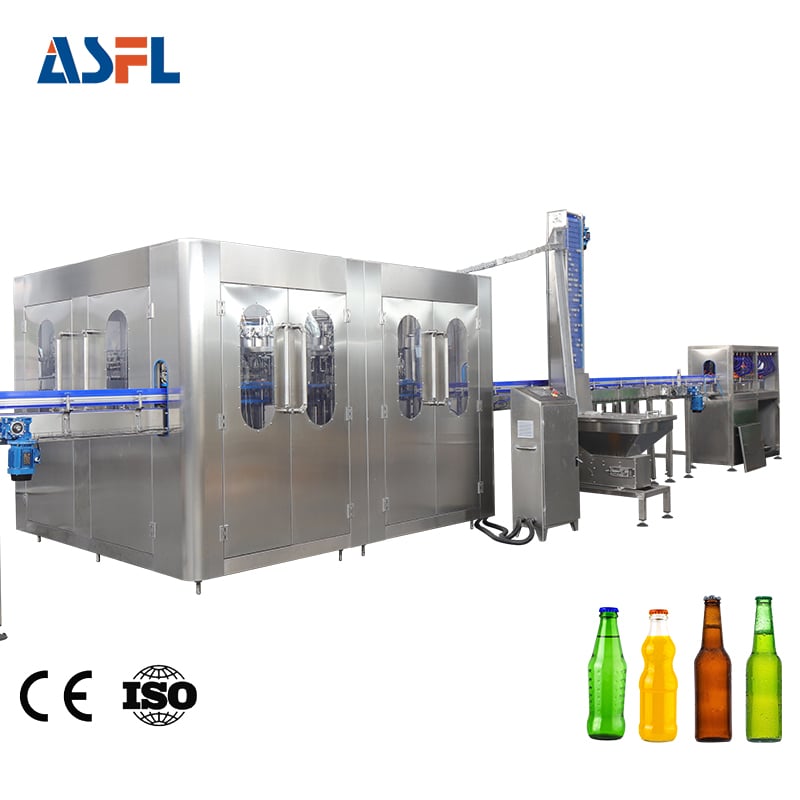
Choosing a beverage filling machine is not only a question of comparing speeds or collecting quotations. Before a purchase order is released, the supplier should turn a broad request into a documented, testable project. Good pre-sales work protects both sides: the buyer sees what the proposed beverage filling machine is intended to do, and the manufacturer receives the conditions needed to engineer it responsibly.
For procurement teams, the useful question is not “Which beverage filling machine has the highest stated output?” It is “Which supplier can explain the fit between our drink, package, hygiene needs, line interfaces, and acceptance plan?” A qualified manufacturer should answer that question with evidence, questions, and clear limits—not with a generic catalog.
Begin with a structured application review
The first pre-sales deliverable for a beverage filling machine should be an application brief. It should record the beverage category, whether carbonation or sensitive ingredients affect the filling method, expected viscosity range, temperature at filling, particulate considerations, and cleaning requirements. It should also capture the container material, size range, neck finish, closure or seam type, label position, target operating pattern, and available utilities.
This review matters because a beverage filling machine is part of a process, not an isolated asset. A proposal that omits upstream product supply, bottle or can handling, closure equipment, conveying, and downstream packing leaves important integration questions unanswered. For a beverage can filling machine, the supplier should identify the division of responsibility at the filler–seamer handoff, as well as the information needed about can and end specifications.
Ask the supplier to return the brief for confirmation. The revision history is useful: it shows which assumptions still need validation before a configuration is finalized.
Translate requirements into a configuration proposal
After discovery, the manufacturer should provide a configuration explanation rather than a one-line model number. A sound beverage filling machine proposal describes the selected filling principle, product-contact materials, valve concept, container transfer method, control scope, cleaning path, and relevant options. It should distinguish included equipment from interfaces or optional modules.
The proposal should also state the conditions behind any capacity figure. Container size, product behavior, production rhythm, changeover time, and stoppages can affect the practical result. Treat a stated speed as a design target to be checked under agreed conditions, not as a substitute for a test. This is especially important when one beverage filling machine will handle multiple formats.
Qualified pre-sales engineers explain trade-offs. A configuration that supports faster changeovers may require more format parts; a different valve arrangement may suit one beverage better than another. That explanation helps buyers compare proposals on the same basis.
Offer sample review and a defined trial plan
A capable manufacturer should ask for representative samples early: the actual beverage where feasible, containers, closures or can ends, and any packaging details that affect handling. Sample review is not a ceremonial step. It reveals whether the proposed beverage filling machine can be evaluated against the buyer’s real conditions.
Where a trial is available, request a written plan before it begins. It should identify the samples, setup, checks to be observed, data or observations to be recorded, and limitations of the trial. A trial can inform a later decision, but it does not prove performance outside its stated conditions. For a beverage can filling machine, include filling behavior, container transfer, and the agreed handoff to seaming in the trial discussion.
The manufacturer should issue a concise trial record afterward. If samples are unavailable, the supplier should say what assumptions are being used and which items remain open. Transparency at this stage is more valuable than a polished but vague promise.
Clarify hygiene, cleanability, and compliance boundaries
Pre-sales service for a beverage filling machine should include a hygiene discussion tailored to the product and destination market. For example, U.S. food CGMP requirements in 21 CFR 117.40 address cleanable equipment, corrosion-resistant food-contact surfaces where relevant, and installation that facilitates cleaning and maintenance. These points provide practical questions for a supplier: What areas are accessible? What is the proposed cleaning route? Which material specifications can be documented?
For bottled-water projects, 21 CFR Part 129 applies specified good-manufacturing-practice criteria to the processing and bottling context; it does not replace a project-specific compliance review. A qualified manufacturer should identify what it can document, what belongs to the buyer’s process validation, and what must be confirmed with the relevant local authority or compliance adviser.
Align acceptance criteria before fabrication
The most useful pre-sales service creates an acceptance checklist before fabrication starts. For each beverage filling machine, it should define the product and package used for evaluation, the test conditions, the checks to be made, permitted measurement methods, and the documents expected at handover. Include utilities, safety interfaces, format parts, and line communication where applicable.
Do not leave words such as “stable,” “accurate,” or “easy to clean” undefined. Ask how the supplier proposes to observe each point and who will sign off. That turns an ambiguous sales statement into a shared engineering task.
Prepare the people and documents who will run the line
A qualified manufacturer should introduce the training and documentation package during pre-sales—not after the machine arrives. Discuss the intended operator training, routine inspection points, format-change guidance, recommended spare-parts list, fault-reporting path, and remote-support process. The exact scope should be written into the proposal.
For a beverage filling machine, buyers should also request preliminary layout and utility information soon enough to review access, drainage, electrical routing, compressed air, and product connections. These are ordinary details, yet they often determine whether installation proceeds smoothly.
A practical supplier evaluation checklist
- Did the manufacturer ask specific questions about product, package, target rhythm, and line interfaces?
- Does the beverage filling machine proposal show included scope, assumptions, and open technical points?
- Is there a sample or trial plan with conditions and a written record?
- Can the supplier explain cleanability, material documentation, and the boundaries of its compliance support?
- Are factory acceptance, installation support, training, documents, and spare parts addressed before order confirmation?
In short, a qualified beverage filling machine manufacturer should make the project easier to verify. Look for pre-sales service that replaces assumptions with agreed inputs, engineering choices, trial evidence where possible, and written acceptance criteria. That is a stronger basis for selecting a beverage filling machine than a quotation alone.

 Hot News








