 EN

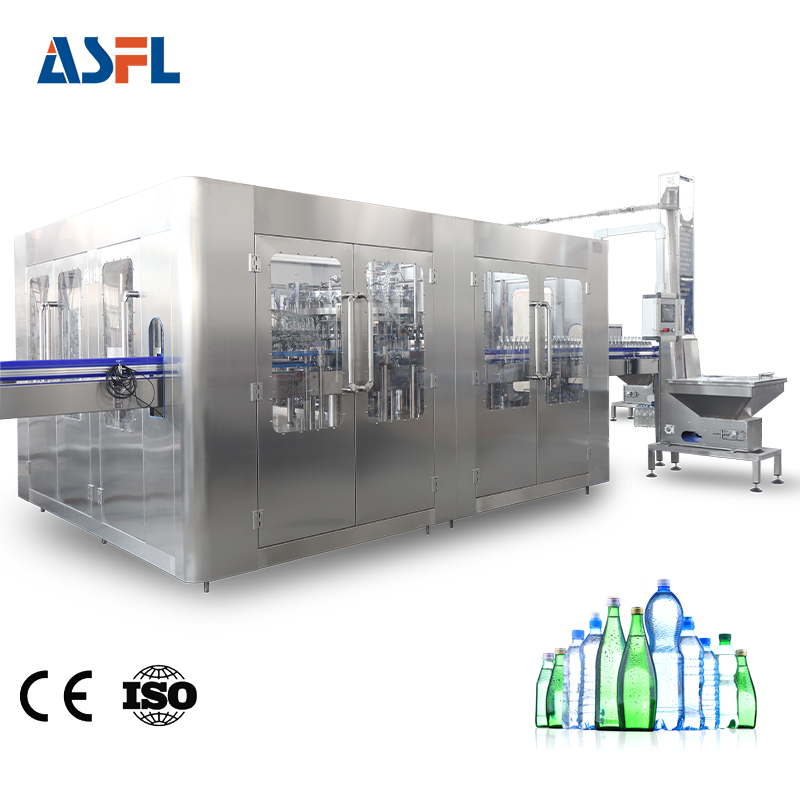
Maintaining absolute microbiological safety and operational longevity in a commercial beverage plant requires rigid adherence to sanitary sanitation schedules. When operating a high-speed carbonated water filling machine, mineral scaling, residual carbonation stabilizers, and environmental biofilm formations can accumulate rapidly within internal fluid manifolds, filling valves, and carbonation mixing bowls. Unlike still beverage lines, carbonated systems handle pressurized gas-liquid mixtures that demand specialized pressure-balanced cleaning routines. Industrial engineering specialists at
Understanding the Importance of Clean-In-Place Protocols
The hygienic design of a carbonated water filling machine is engineered to withstand aggressive chemical agents and thermal stress. However, mechanical design alone cannot prevent organic or mineral accumulation over thousands of continuous production cycles.
Without a disciplined CIP cleaning procedure, mineral precipitation from hard water sources and organic residues from flavor additives create breeding zones for spoilage microorganisms, leading to premature product contamination and severe regulatory audit failures.
Implementing an automated, multi-stage CIP protocol ensures that every internal surface, from the carbonation mixing unit down to the individual filling nozzle tips, achieves complete microbiological sterilization. This systematic cleaning regimen protects consumer health, preserves beverage taste clarity, and extends the operational lifecycle of all core components across the beverage packaging line.
Pre-Rinse and Initial Debris Extraction Phase
The foundation of an effective CIP cleaning procedure begins with a thorough pre-rinse cycle designed to flush out residual carbonated water, dissolved carbon dioxide, and loose particulates before chemical agents are introduced.
-
Thermal Stabilization: Operators must initiate the pre-rinse using warm filtered water (typically maintained between 40 degrees Celsius and 50 degrees Celsius) to dissolve residual sugars or syrup additives if the plant switches between sparkling water and flavored beverages.
-
Pressure-Balanced Flushing: The carbonated water filling machine must maintain slight backpressure during the rinse phase to prevent water hammer effects and protect sensitive pressure transducers within the mixing bowl manifold.
-
Complete Evacuation: All rinse water must be completely drained through automated bottom-purge valves before caustic chemical solutions are pumped into the system, avoiding premature chemical dilution.
Executing this initial purging phase prevents chemical neutralization and ensures that subsequent caustic detergents can react directly with stubborn mineral films and organic residues.
Caustic Wash, Acid Neutralization, and Valve Pulsing
Following the pre-rinse, the core chemical cleaning phase utilizes an alkaline detergent solution, typically sodium hydroxide combined with specialized surfactants, to saponify fats and dissolve protein or mineral films.
During the caustic wash cycle, the temperature of the solution is elevated to between 75 degrees Celsius and 85 degrees Celsius, circulating continuously through the carbonated water filling machine for a minimum of thirty minutes. To ensure that hidden crevices inside the filling valves are thoroughly scoured, the control system executes automated valve pulsing sequences, opening and closing pneumatic poppets at programmed intervals.
Once the caustic wash completes, an intermediate cold water flush lowers the internal temperature, followed immediately by a phosphoric acid wash. This acid neutralization phase removes stubborn calcium carbonate scaling and mineral deposits left behind by hard water sources, restoring the electropolished SUS316L stainless steel surfaces to pristine condition.
Parameter Matrix of the CIP Cleaning Cycle
To maintain strict compliance with global quality management standards such as ISO 22000 and FDA hygiene guidelines, plant operators track specific operational parameters during each phase of the sanitation process. The matrix below outlines the critical metrics required for an optimal CIP cycle on a carbonated water filling machine.
| CIP Cleaning Phase | Target Solution / Medium | Temperature Range | Exposure Duration | Chemical Concentration |
| Initial Pre-Rinse | Filtered Industrial Water | 40 to 50 Deg C | 10 to 15 Minutes | None (Water only) |
| Caustic Detergent Wash | Sodium Hydroxide (NaOH) | 75 to 85 Deg C | 30 to 45 Minutes | 1.5 to 2.5 Percent |
| Intermediate Rinse | Purified Water | Ambient to 40 Deg C | 10 Minutes | None (Water only) |
| Acid Neutralization | Phosphoric Acid Solution | 60 to 70 Deg C | 15 to 20 Minutes | 0.8 to 1.2 Percent |
| Final Sanitization | Hot Water or Peracetic Acid | 85 Deg C (Hot) / Ambient | 20 Minutes | 0.2 Percent (If PAA used) |
Final Sanitization, Swab Testing, and Microbial Verification
The final stage of the CIP cleaning procedure involves high-temperature thermal sanitization or chemical sterilization using peracetic acid (PAA) to eliminate any surviving spores or vegetative bacteria.
-
Thermal Sterilization Loop: Circulating superheated water at 85 degrees Celsius or higher through the entire carbonated water filling machine for at least twenty minutes guarantees complete microbiological inactivation without leaving chemical residuals.
-
Conductivity and pH Verification: Automated rinse detectors measure the conductivity and pH levels of the final outgoing rinse water, ensuring that all chemical traces have been completely flushed from the beverage packaging line.
-
ATP Swab and Microbial Testing: Quality control technicians perform Adenosine Triphosphate (ATP) bioluminescence swabbing on critical contact points, such as filling nozzle seals and bowl return lines, verifying that organic cleanliness meets or exceeds international food safety standards before authorizing the next production run.
Adhering to these rigorous verification protocols guarantees that every batch of carbonated water bottled by the facility meets export-grade quality requirements.
Conclusion and Professional Plant Consultation
Executing a precise, structured CIP cleaning procedure is fundamental to maintaining the hygiene, efficiency, and safety of a carbonated water filling machine. By implementing disciplined pre-rinses, controlled caustic and acid washes, and verifiable final sanitization cycles, plant managers can eliminate contamination risks and maximize equipment reliability. To explore advanced sanitary engineering solutions and custom equipment configurations for your beverage packaging line, consult the industry specialists at

 Hot News








