 EN

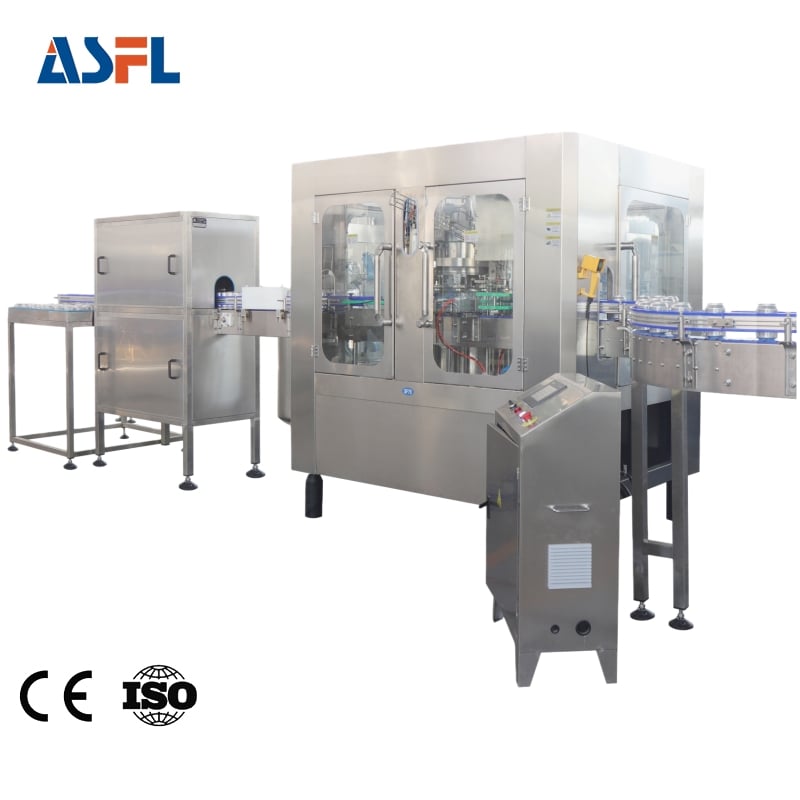
Operating a high-temperature beverage production facility requires meticulous attention to thermodynamics, fluid mechanics, and structural containment. When processing natural fruit juices, nectars, and functional herbal extracts, products are typically sterilized and filled at elevated temperatures ranging from 85 degrees Celsius to 92 degrees Celsius to guarantee commercial sterility without the addition of chemical preservatives. However, this thermal processing introduces intense vapor generation and air expansion inside the container headspace during dosing. Without advanced engineering safeguards, this internal thermal buildup creates catastrophic pressure differentials. This is precisely why a modern hot juice filling machine must incorporate sophisticated pressure relief protection during every phase of the filling cycle. Engineering experts at
Thermodynamics of High-Temperature Liquid Dosing
The physics of hot-fill packaging dictate that liquids expand when heated, and any trapped air above the liquid level undergoes rapid thermal expansion. As liquid fruit juice enters a cold or ambient PET container, flash vaporization occurs instantaneously upon contact with the inner walls, releasing steam and volatile aromatic compounds into the container headspace. In an unmanaged system, this rapid accumulation of vapor creates an immediate surge in internal static pressure. If the filling valve closes without venting or equalizing this pressure, the sudden force can cause liquid splashing, erratic volumetric displacement, or complete distortion of the container neck finish. A specialized hot juice filling machine utilizes intelligent venting channels and counter-pressure mechanisms to stabilize internal gaseous pressures before the valve closure sequence is finalized.
Mechanical Risks of Uncontrolled Pressure Surges
Failing to integrate robust pressure relief protection into a high-speed bottling plant leads to severe operational vulnerabilities and structural failures. Plant managers frequently encounter costly production bottlenecks caused by unmitigated pressure anomalies during peak operating shifts.
-
Container Panel Deformation: Excessive internal vapor pressure forces thin-walled PET containers to bulge outward or collapse inward during cooling phases, destroying retail presentation standards.
-
Seal Compromise and Leakage: Unregulated pressure spikes force liquid droplets onto the sealing surface of the bottle finish, preventing proper capping torque engagement and causing microbial contamination risks.
-
Premature Valve Wear: Constant pressure shockwaves batter internal filling valve diaphragms, springs, and seals, accelerating mechanical fatigue and leading to unscheduled downtime on the beverage packaging line.
Implementing active pressure relief mechanisms neutralizes these destructive forces, ensuring that every container undergoes smooth, uniform fluid transfer without stressing mechanical components or packaging materials.
Technical Architecture of Pressure Relief Systems
Modern liquid packaging engineering addresses thermal expansion through integrated pressure relief protection circuits built directly into the filling valve manifold. These systems operate via automated pneumatic feedback loops that monitor pressure fluctuations in real-time.
During the initial liquid injection phase, the primary valve opens while a secondary exhaust port remains fractionally open to vent displaced air and excess steam safely away from the liquid stream. As the liquid column reaches its target fill height, the pressure relief protection circuit modulates the exhaust rate, preventing vacuum formation or positive pressure shock. This precise balance ensures that the hot juice filling machine maintains exact volumetric dosing accuracy while safely dissipating thermal energy. Furthermore, sanitary design requirements mandate that all venting pathways utilize electropolished food-grade stainless steel to prevent bacterial colonization and facilitate automated Clean-In-Place sanitization.
Comparative Parameter Analysis of Filling Technologies
To evaluate how pressure management impacts overall manufacturing performance, plant engineers review key operational metrics across different filling configurations. The parameter table below contrasts standard gravity filling against an advanced hot juice filling machine equipped with dedicated pressure relief protection.
| Operational Parameter | Standard Gravity Filler | Advanced Hot Juice Filling Machine |
| Thermal Stability | Poor (Prone to vapor lock) | High (Optimized vapor venting) |
| Container Survival Rate | 92 to 95 percent | 99.8 percent or higher |
| Volumetric Dosing Accuracy | Plus/minus 1.0 percent | Plus/minus 0.2 percent |
| Headspace Pressure Control | None (Static venting only) | Dynamic automated pressure relief |
| Seal Integrity Maintenance | Moderate risk of splashing | Zero liquid splashing on threads |
The comparison clearly demonstrates that integrating dynamic pressure relief protection eliminates the thermal hazards associated with high-temperature liquid packaging, securing maximum yield for the beverage packaging line.
International Food Safety and Quality Compliance
Operating commercial food processing equipment requires strict adherence to international sanitary and safety standards established by organizations such as the FDA, ISO 22000, and European hygiene frameworks. Pressure regulation systems within a hot juice filling machine are directly tied to these compliance benchmarks. When internal pressures are precisely controlled, the risk of product overflow and subsequent conveyor belt contamination is eliminated, reducing the proliferation of mold and bacteria in the packaging environment. Additionally, automated data logging systems monitor venting cycles in real-time, providing verifiable audit trails that satisfy global quality assurance requirements and protect the enterprise from liability.
Conclusion and Strategic Engineering Advice
Integrating a hot juice filling machine equipped with advanced pressure relief protection is an essential investment for any modern beverage plant seeking operational excellence. By controlling thermal vapor expansion, eliminating container deformation, and guaranteeing precise volumetric dosing, plant operators can maximize productivity and safeguard product quality. To explore custom engineering solutions, automated valve layouts, and high-performance equipment for your beverage packaging line, consult the industry specialists at

 Hot News








