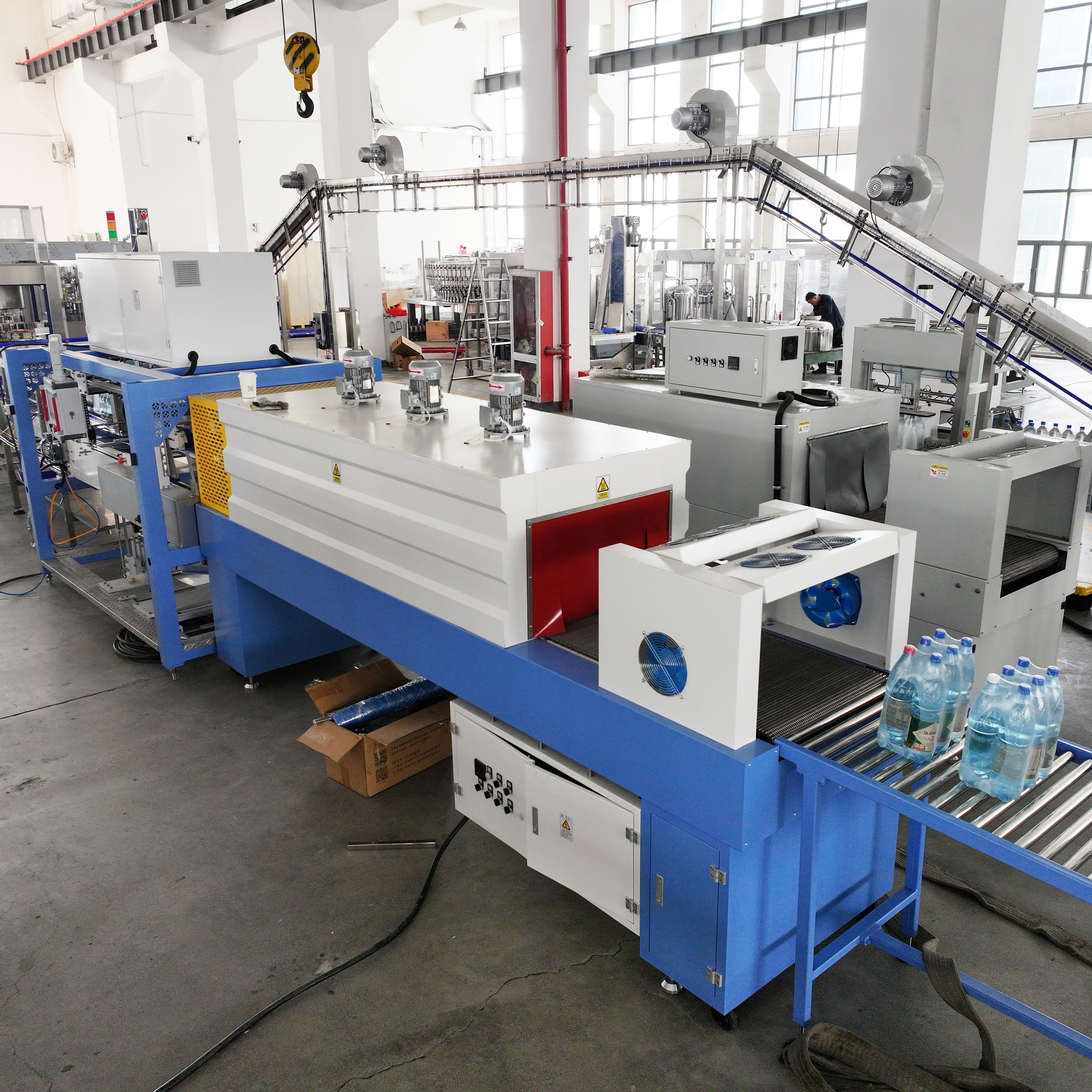
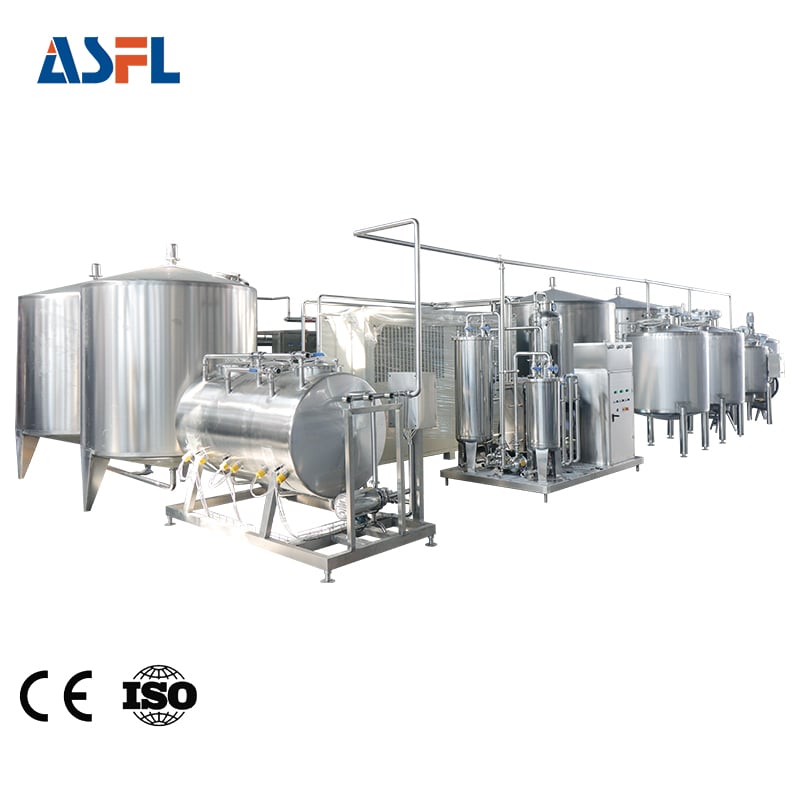
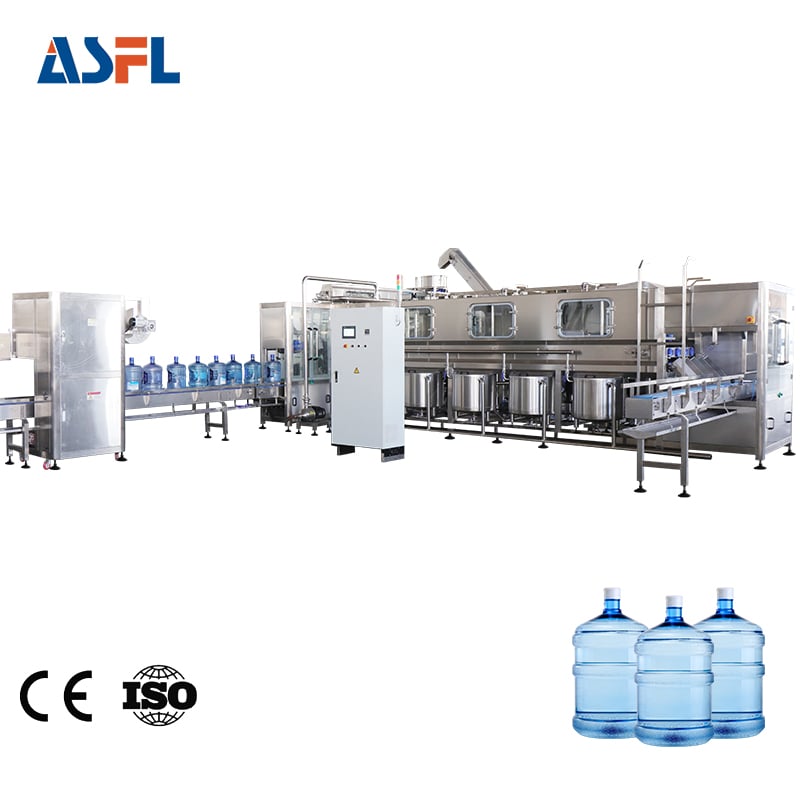
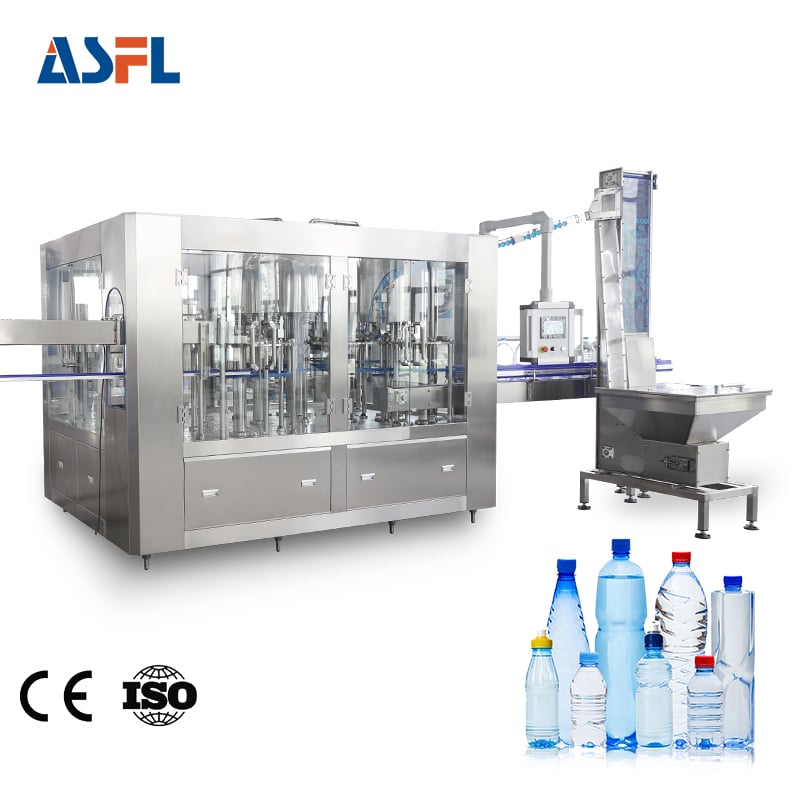
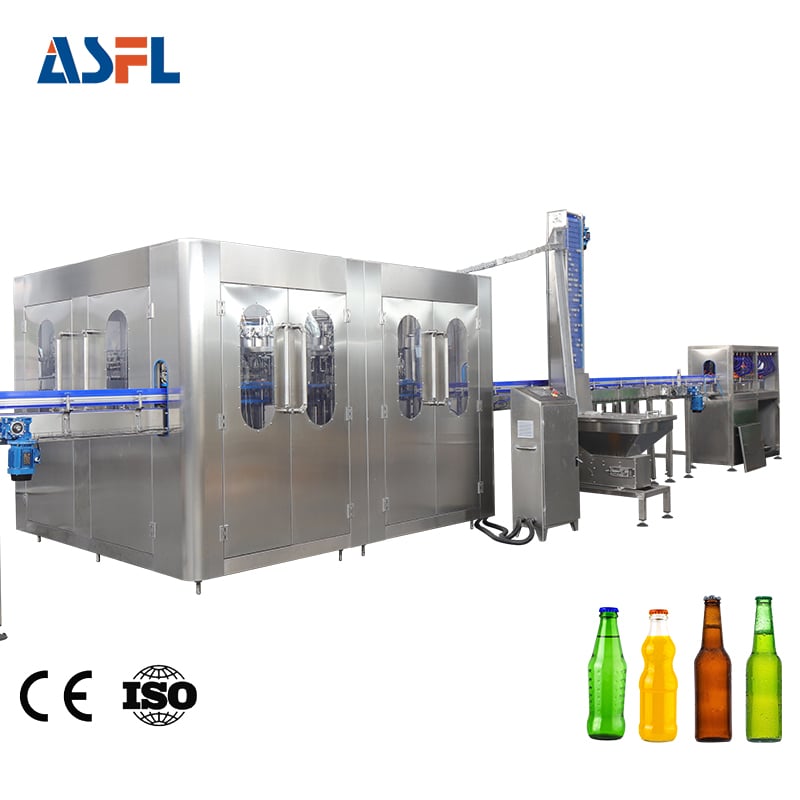
Purchasing pre-owned beverage packaging machinery often appears to offer an attractive entry point for small-scale water plants seeking to minimize upfront capital expenditure. However, evaluating the total cost of ownership reveals that importing used water bottle filling machine small units frequently incurs substantial unexpected expenses. While the sticker price on second-hand equipment listings may seem economical, buyers must account for complex international logistics, customs compliance audits, mechanical refurbishment fees, and long-term maintenance overhead. Failing to analyze every used small water filler hidden costs variable leads to budget overruns, delayed commissioning schedules, and prolonged factory downtime.
Navigating the hidden pitfalls of refurbished water bottling equipment risks requires examining mechanical wear, electrical code compatibility, and sanitary standards compliance under FDA, ISO 22000, and CE guidelines. Legacy machines often arrive with worn pneumatic actuators, degraded dynamic seals, outdated PLC control software, or obsolete component designs that are no longer supported by original equipment manufacturers. Calculating the true financial impact of importing used small bottling line total cost helps factory developers determine whether purchasing a pre-owned machine truly delivers savings or if investing in modern equipment engineered by manufacturers like ACE-FILLING provides a far more secure, cost-effective long-term ROI.
The financial commitment involved in importing used water bottle filling machine small machinery extends far beyond the initial purchase order. Freight, customs duties, and local port inspection fees can quickly inflate total landing costs. Second-hand machinery imported across international borders frequently triggers mandatory customs quarantine holds, bio-security washdown requirements, and pre-shipment inspection audits that add thousands of dollars to the logistical budget.
International Freight and Port Demurrage: Unexpected shipping delays, container demurrage fees at arrival ports, and heavy machinery rigging expenses substantially increase the initial baseline cost when calculating importing used small bottling line total cost.
Electrical System and Voltage Retrofitting: Legacy machines designed for 50Hz electrical grids require expensive transformer installations, VFD replacements, and control panel rewiring to operate safely on 60Hz regional power grids.
Component Wear and Seal Replacement: Pre-owned machines often feature cracked EPDM filler seals, pitted stainless steel liquid bowls, and worn starwheels that demand immediate mechanical overhaul before passing initial water quality checks.
Obsolete PLC Controllers and HMI Software: Outdated PLC microcontrollers lack modern software support, forcing buyers to replace complete electrical cabinets and reprogram filling logic routines to achieve stable line operation.
The following financial comparison matrix highlights hidden cost factors across pre-owned machinery procurement versus new modular machine installations:
| Expenditure Category | Second-Hand Imported Equipment Scenario | New Factory Direct Machine Installation | Financial Impact on Used Small Water Filler Hidden Costs |
| Customs & Regulatory Inspection | High risk of quarantine holds, bio-cleaning, and retrofitting compliance fees | Fully certified international documentation with standard customs clearance | Substantially increases overall importing used water bottle filling machine small expenses |
| Mechanical Overhaul & Spare Parts | High immediate replacement costs for dynamic seals, valves, and wear plates | Factory-new components under comprehensive manufacturer warranty | Mitigates severe refurbished water bottling equipment risks and downtime |
| Line Re-engineering & Starwheel Tooling | Custom fabrication required to adapt machine to regional PET bottle preforms | Pre-configured modular changeover parts manufactured to exact bottle specs | Directly inflates importing used small bottling line total cost |
| Commissioning & Field Technical Support | Local technicians hired at high hourly rates without original technical manual guidance | Factory-trained field service engineers handle onsite installation and training | Minimizes long-term operational downtime and unexpected maintenance overhead |
A critical hazard associated with used small water filler hidden costs is micro-biological contamination trapped within internal piping, valve manifolds, and pump cavities. Second-hand water fillers that have sat idle in overseas warehouses often develop hardened scale deposits, yeast biofilms, and internal pitting corrosion along stainless steel weld seams.
Clearing these contamination traps requires aggressive chemical passivation washes, complete valve teardowns, and extensive swab testing to satisfy FDA Title 21 CFR 129 and ISO 22000 standards. Furthermore, older dynamic seals may fail under standard 85 degrees Celsius hot caustic CIP cycles, leading to persistent leaks and product batch failures. Addressing these refurbished water bottling equipment risks requires replacing all fluid-contact seals, repolishing valve stems to an Ra surface finish less than or equal to 0.4 micrometers, and re-validating the entire CIP sanitization manifold before commercial water production can begin.
Long-term profitability depends on maintaining consistent operational uptime. When importing used water bottle filling machine small configurations, plant operators frequently discover that replacement parts for older models are discontinued or require weeks of international shipping.
Discontinued Mechanical Components: Finding replacement parts for legacy pneumatics, obsolete rotary unions, or proprietary starwheel drives often requires custom machining at machine-shop prices.
High Opportunity Cost of Line Stoppages: Unplanned line stoppages caused by component failure disrupt municipal distribution networks, eroding customer trust and burning operational capital.
Lack of Factory Warranty Coverage: Pre-owned machinery sales rarely include warranty guarantees, leaving buyers fully responsible for all repair bills, broken shafts, and electrical failures.
Uncertain Production Throughput: Worn mechanical drive gears create bottle transfer synchronization errors, leading to container crushing, liquid spillage, and lower overall equipment effectiveness (OEE).
Evaluating these operational risks demonstrates why calculating importing used small bottling line total cost requires accounting for lost revenue during extended repair windows. Modern, direct-manufactured bottling equipment supported by reliable technical teams eliminates these operational bottlenecks.
To help beverage plants make informed equipment investments, ACE-FILLING implements transparent manufacturing, testing, and factory support protocols for all small-scale liquid packaging solutions.
Factory Acceptance Testing (FAT) Verification: Every new filling machine undergoes rigorous 24-hour continuous run testing and hydrostatic pressure validation prior to shipment.
Standardized Global Component Sourcing: Equipment designs utilize standardized, off-the-shelf electrical and pneumatic components from international suppliers (such as Schneider, Siemens, and Festo) for fast local replacement.
Comprehensive Spare Parts Packages: Machines ship with essential dynamic seals, wear strips, and quick-change tooling kits to guarantee immediate startup support.
Onsite Field Commissioning and Training: Certified engineers deploy to customer plants to execute seamless installation, sensor calibration, and operator training routines.
Plant owners and packaging managers seeking transparent, high-performance water bottling solutions can examine complete machinery specifications and dynamic line configurations at the official
 Hot News
2026-11-20
2026-11-20
2026-11-20
2026-11-20
2026-11-19
2026-11-19
 EN