 EN

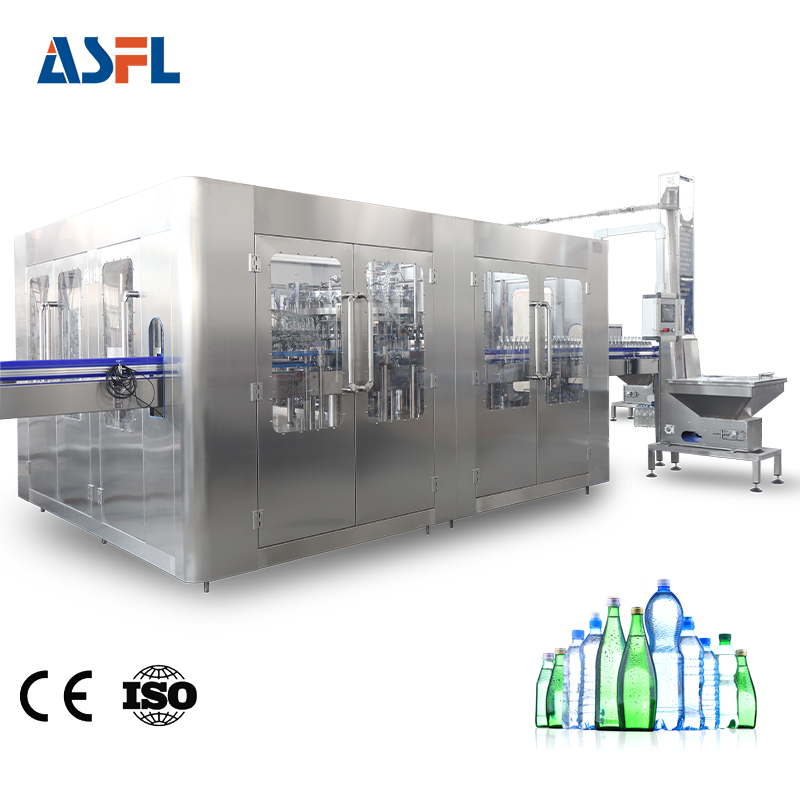
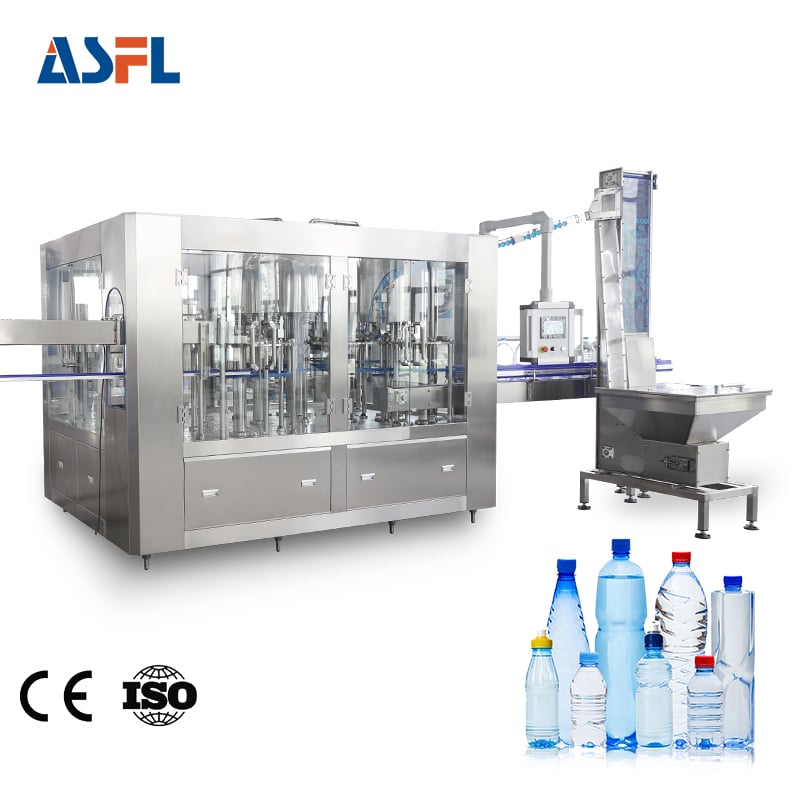
Maintaining strict thermal equilibrium across a cold drink filling machine is the decisive engineering factor governing fill level precision, carbonation retention, and micro-biological safety in beverage packaging. When operating high-speed cold processing lines, even a minor temperature rise of 2°C to 3°C severely alters liquid density, increases dissolved gas volatility, and triggers violent foaming at the dosing nozzle. Deploying specialized cold beverage filling equipment integrated with real-time temperature feedback loops ensures Henry's Law of gas solubility remains stable during high-pressure liquid transfer. Whether packaging carbonated soft drinks, iced teas, or cold-pressed juices, pairing your refrigerated liquid filler with precise glycol cooling circuits eliminates product giveaway, prevents excessive bottle snift degassing, and preserves intended flavor profiles across long manufacturing shifts.
This technical guide analyzes fluid thermodynamics, temperature-driven foaming mechanics, sanitary insulation standards, and line integration parameters required for optimal operation of a cold drink filling machine.
Gas Solubility Thermodynamics and Foaming Mechanics
The core physics governing cold beverage dosing centers on gas-liquid thermodynamics. Understanding how temperature fluctuations destabilize liquid filling valves allows engineers to configure cold beverage filling equipment correctly.
-
Henry’s Law and CO2 Degassing: According to Henry's Law, carbon dioxide solubility in water is inversely proportional to temperature. At 4°C, liquid holds approximately 4.0 volumes of dissolved CO2 under 0.3 MPa counter-pressure. If the liquid inside a cold drink filling machine warms to 10°C, CO2 rapidly flashes off into gas bubbles. This sudden degassing causes liquid surging, excessive foam head formation, and incomplete bottle fill volumes.
-
Thermal Expansion and Fill Volume Variance: Liquids expand as temperature rises. When dosing sensitive non-carbonated cold beverages, temperature swings inside an uninsulated refrigerated liquid filler bowl alter liquid density. A volumetric dose calibrated at 4°C will result in under-filling when the product warms up, leading to non-compliance with net-contents label regulations.
For a comprehensive review of overall factory layout strategies, line balancing, and utility planning, consult our foundational [Liquid Packaging Line Pillar Guide].
Operating Temperature Matrix: Performance Impact
The table below outlines how tight temperature tolerances inside a cold drink filling machine directly influence line efficiency, carbonation stability, and fill precision compared to unmanaged processing lines.
| Thermal Operating Parameter | Controlled Cold Drink Filling Machine (0°C - 4°C) | Unmanaged Cold Filling Environment (8°C - 14°C) |
|---|---|---|
| Carbon Dioxide Dissolution | Stable retention (< 0.05 vol CO2 loss) | Severe CO2 degassing and flavor loss |
| Foaming Severity at Valve | Minimal / Controlled laminar flow | Excessive foam head / Bottle overflow |
| Filling Speed Efficiency | Maximum rated output (100% capacity) | Ramped down by 30% - 40% to manage foam |
| Dosing Accuracy Variance | High precision (+/- 1.0 mm level) | Inconsistent levels (+/- 4.0 mm variance) |
| In-Line Chiller Demand | Continuous closed-loop glycol feed | Intermittent / Fluctuation spikes |
| Micro-biological Growth Risk | Suppressed under low thermal threshold | Accelerated risk of bacterial proliferation |
Maintaining precise thermal profiles within your cold beverage filling equipment is essential for running high-speed bottling operations at peak Overall Equipment Effectiveness (OEE).
EEAT Compliance, Thermal Insulation, and Sanitary Standards
High-speed cold beverage packaging facilities must adhere strictly to global food safety standards, including FDA 21 CFR Part 110, ISO 22000, and BRCGS global packaging guidelines. Machine construction and thermal insulation directly impact sanitary compliance.
1. Double-Walled Jacket Insulation and SUS316L Metallurgy
A professionally engineered cold drink filling machine manufactured by ACE-FILLING features a double-walled vacuum or polyurethane-jacketed filling bowl. All fluid channels are constructed from certified food-grade SUS316L stainless steel with internal surface polishing to Ra < 0.4 µm. The thermal jacket prevents ambient ambient heat from warming the product bowl while preventing condensation buildup on the outer surface of your refrigerated liquid filler.
2. Automated Temperature Bypass and Recirculation Valves
If an upstream bottle jam occurs on the conveyor, liquid stationary inside the filling bowl begins absorbing ambient heat. An advanced cold beverage filling equipment platform incorporates automated 3-way thermal bypass valves. When bowl sensors detect temperatures exceeding 6°C during a line pause, the liquid automatically recirculates back to the plate heat exchanger, preventing warm product from being dispensed into containers once the line resumes.
3. Condensation Management and Environmental Sanitation
Operating a cold drink filling machine at 2°C in a warm ambient atmosphere creates heavy surface condensation. Without proper drainage channels, water droplets can drip onto open bottle necks, introducing airborne microbial contaminants. Premium machines incorporate sloped drainage troughs and continuous HEPA laminar air hoods over the filling carousel to ensure environmental sterility.
To discover how thermal stabilization and tunnel cooling methods apply to hot-fill juice packaging setups, explore our detailed analysis on [How to Optimize Efficiency Across an Automated Juice Filling Line].
Preventing Thermal Bottlenecks in Cold Filling Operations
Achieving uninterrupted thermal control across a cold drink filling machine requires addressing common auxiliary setup mistakes.
-
Inadequate Glycol Line Insulation: Uninsulated pipe runs connecting the central chiller unit to the refrigerated liquid filler bowl allow ambient heat gain before liquid reaches the filling valves. Ensure all coolant feed lines utilize closed-cell elastomeric foam insulation with protective aluminum cladding.
-
Mismatched Upstream Carbonator Capacity: If the upstream beverage carbonator delivers fluid at varying temperatures, the cold beverage filling equipment cannot maintain stable counter-pressure filling dynamics. Interlock the filler PLC directly with the carbonator control loop to synchronize supply flow rates.
-
Neglecting Infeed Container Temperature: Cold filling cold liquid into warm glass or PET containers stored in hot warehouses causes immediate wall-boundary heat exchange. Pre-chilling containers or utilizing quick-rinse cooling turrets prevents product temperature spikes inside the cold drink filling machine.
Conclusion: Safeguarding Quality Through Precision Cooling
Integrating accurate thermal management into a cold drink filling machine is essential for preventing product waste, stabilizing dissolved carbon dioxide, and ensuring strict volumetric dosing accuracy. By specifying double-jacketed cold beverage filling equipment with automated thermal recirculation and food-grade SUS316L sanitary surfaces, beverage producers fulfill global FDA standards while optimizing daily line output. Investing in a high-precision refrigerated liquid filler safeguards beverage taste, prevents costly foaming delays, and delivers sustained profitability for commercial bottling operations.


 Hot News








