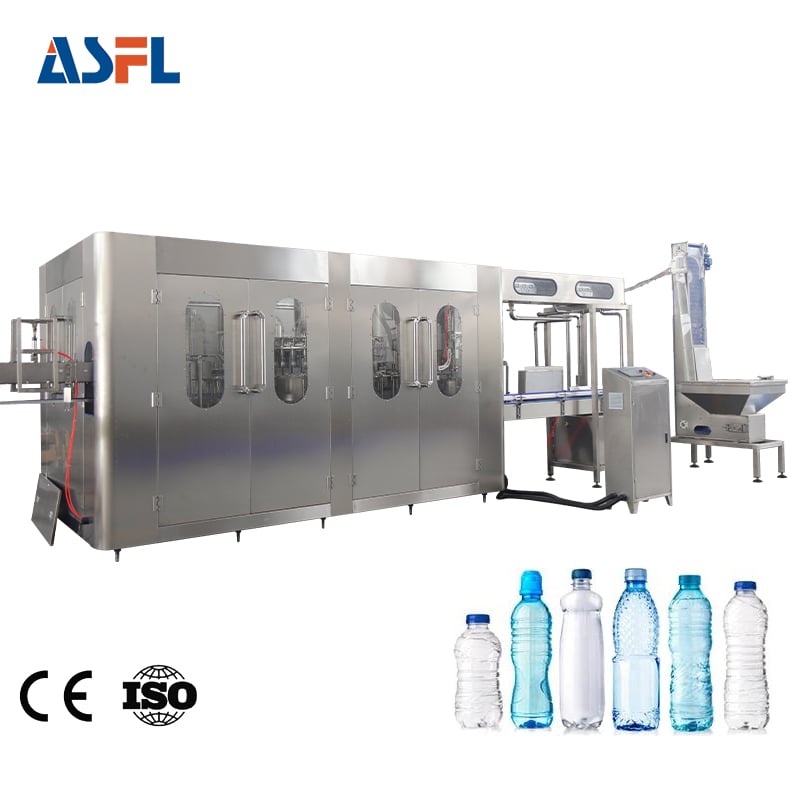
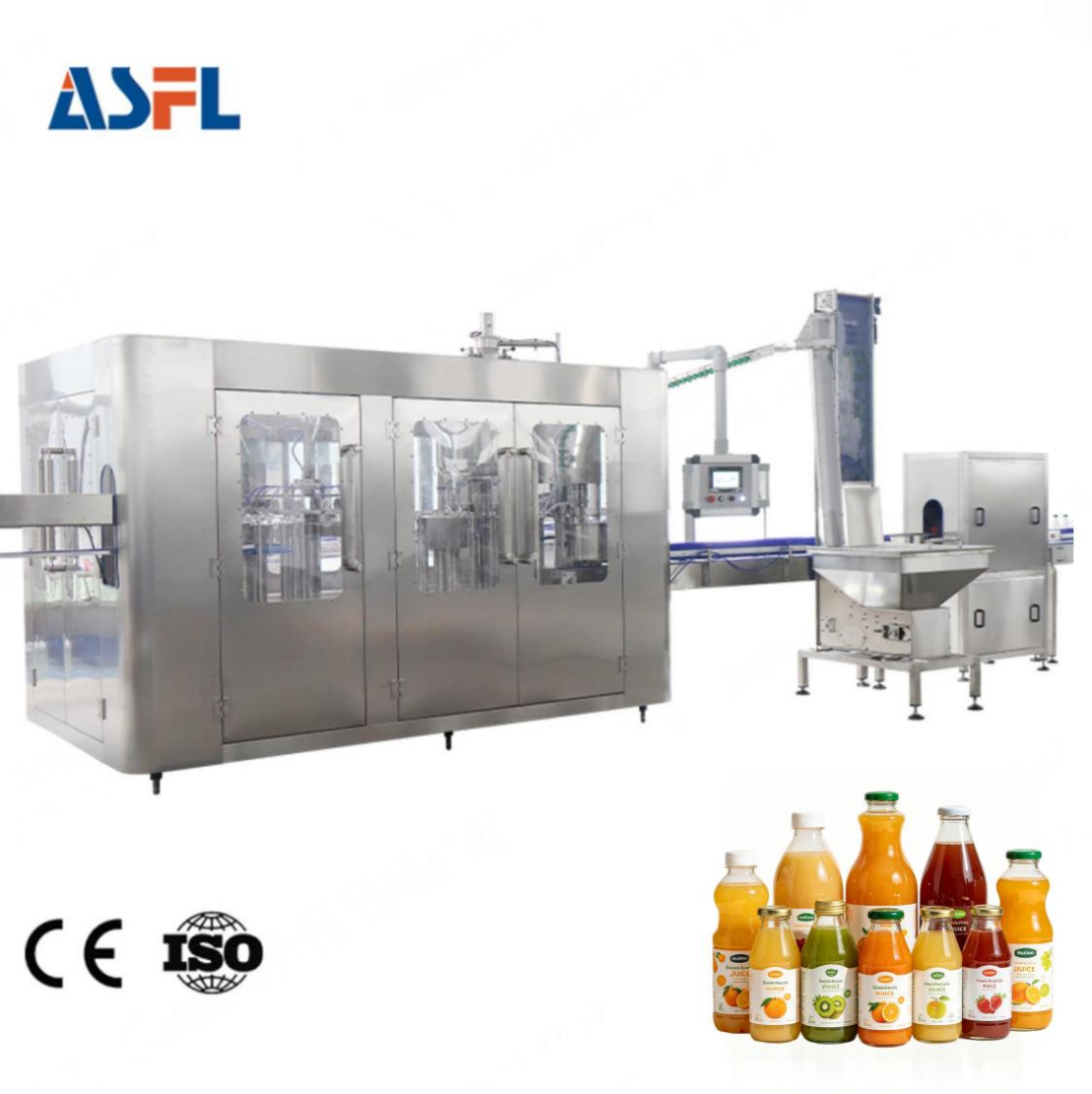
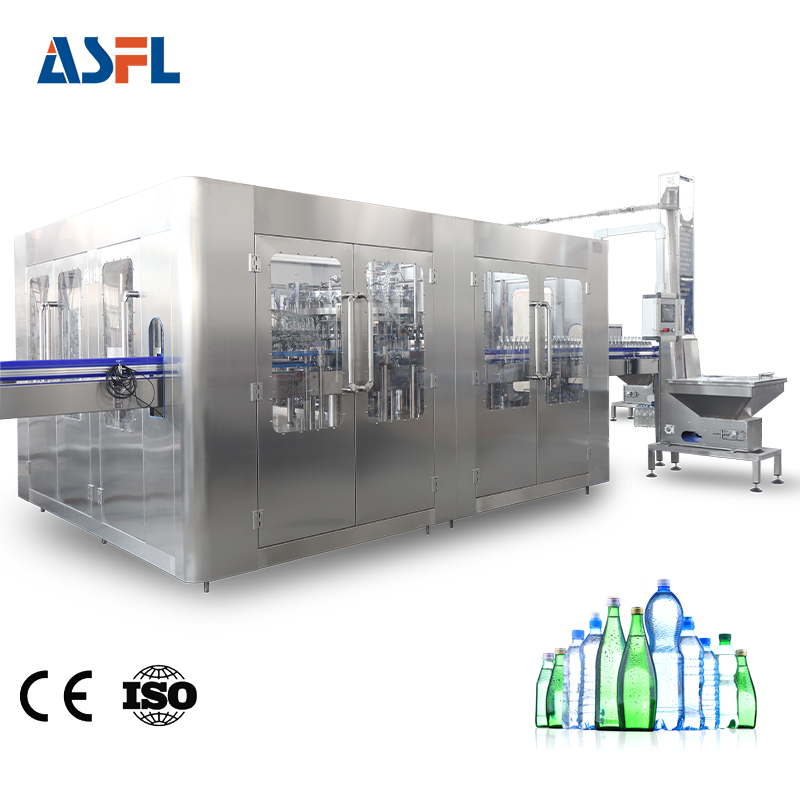
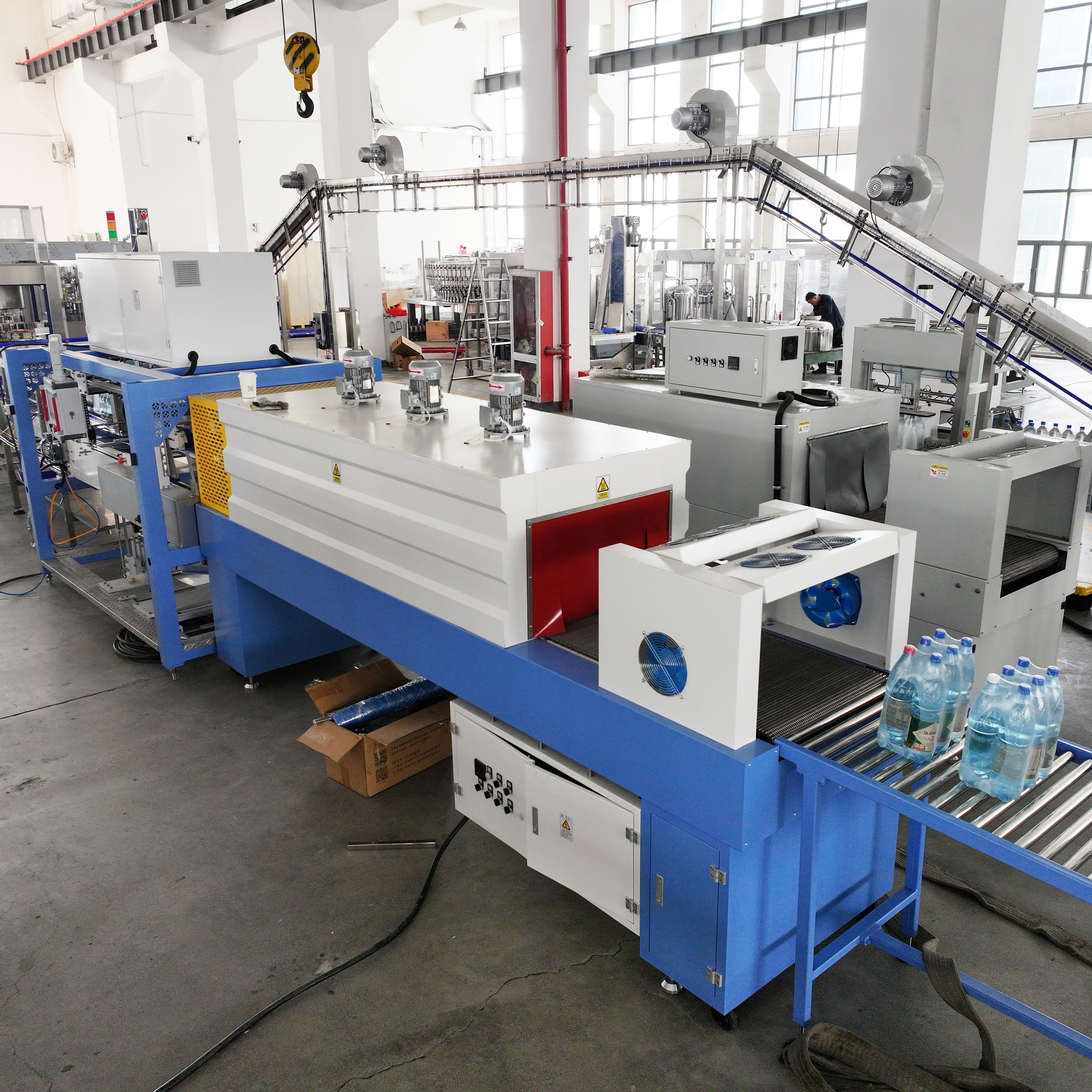
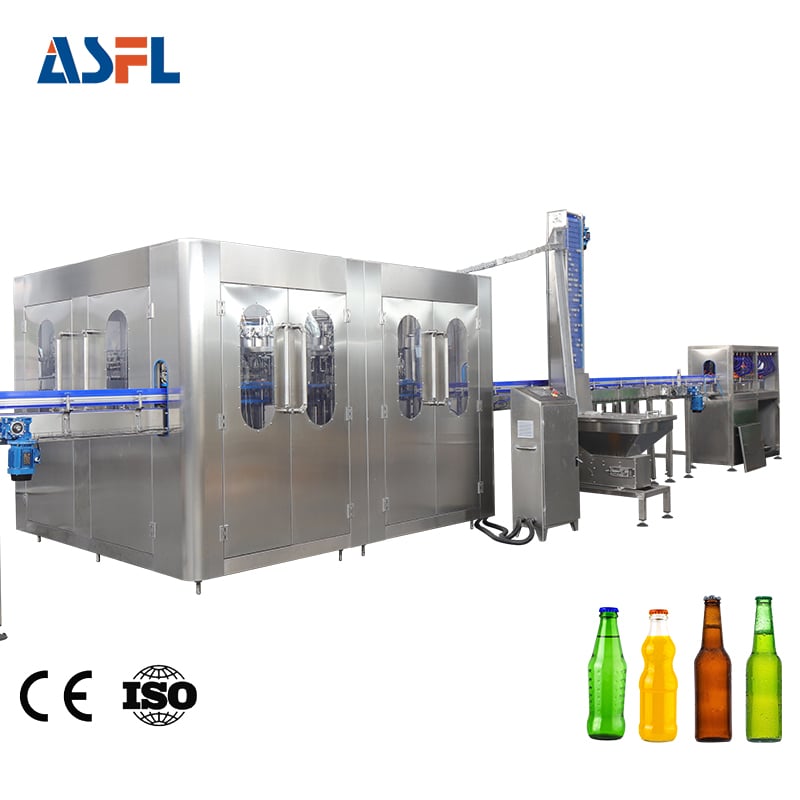
Establishing a modern eco friendly water bottle plant requires a strategic engineering shift from traditional high-waste manufacturing toward circular economy principles, energy reduction, and automated resource recovery. As global environmental regulations tighten and consumer demand for green packaging accelerates, beverage brand owners must engineer production facilities that minimize carbon footprints without sacrificing throughput or product safety. Constructing a successful sustainable water bottling line involves integrating lightweight container blow molding, closed-loop water treatment, and energy-efficient conveyor systems. Deploying certified green bottle manufacturing equipment enables plant operators to lower utility overheads while complying with international environmental management frameworks.
This technical, step-by-step engineering guide outlines the operational phases, machinery selection criteria, material standards, and sustainability protocols required to build a world-class eco friendly water bottle plant.
The foundation of any eco friendly water bottle plant begins upstream with raw material selection. Traditional virgin PET resin production consumes heavy fossil fuel resources, whereas integrating recycled materials transforms the supply chain lifecycle.
Transitioning to Recycled PET (rPET): Modern green facilities incorporate up to 50% to 100% food-grade rPET resin. However, processing rPET requires specialized pre-drying and crystallization units to eliminate volatile organic compounds (VOCs) and maintain structural intrinsic viscosity (IV) before injection molding or stretch blow molding.
Polymer Lightweighting Engineering: Reducing bottle wall thickness from 14 grams down to 9.8 grams for a 500 mL water container drastically cuts resin consumption. Advanced green bottle manufacturing equipment utilizes high-pressure micro-nozzles and servo-driven stretching rods to distribute rPET evenly without compromising top-load mechanical strength.
For comprehensive facility planning frameworks covering overall plant layout and infrastructure design, review our overarching [Liquid Packaging Line Pillar Guide].
Machinery energy consumption represents one of the largest operational costs in beverage manufacturing. Upgrading machine mechanics directly dictates the environmental rating of a sustainable water bottling line.
Servo-Driven Blow Molding Systems: Traditional pneumatic blow molders exhaust massive volumes of high-pressure compressed air into the atmosphere. Installing advanced energy-saving rotary blow molders equipped with air-recovery systems captures up to 40% of exhaust air, recycling it back into the low-pressure plant utility network.
Integrated Monoblock Efficiency: Combining container rinsing, filling, and capping into a compact monoblock machine engineered by ACE-FILLING eliminates intermediate conveyor transfers, reducing motor loads and minimizing the physical factory footprint within your eco friendly water bottle plant.
The comparative matrix below outlines key engineering differences and sustainability metrics between a legacy water bottling facility and a modern eco friendly water bottle plant configuration.
| Engineering & Sustainability Metric | Traditional Bottling Facility | Modern Eco-Friendly Water Bottle Plant |
| Resin Material Utilization | 100% Virgin PET Resin | 50% - 100% Food-Grade rPET Integration |
| Container 500mL Weight | 14.5 Grams per Bottle | 9.8 - 10.5 Grams (Lightweight Design) |
| Compressed Air Recovery | None (Direct atmospheric exhaust) | 40% - 50% Air Recovery & Re-injection System |
| Water Treatment Recovery Rate | 65% - 70% Effluent Yield | 88% - 92% Closed-Loop Water Reclamation |
| Sanitation Energy Consumption | High-temp chemical wash (90°C continuous) | Ozone & Low-Temp CIP Protocols (Eco-enzymes) |
| Overall Carbon Footprint Index | Baseline High (Standard OEE profile) | Reduced by 35% to 45% via Green Equipment |
Implementing these advanced technologies within a sustainable water bottling line ensures high-speed production while aligning corporate operations with global net-zero emission mandates.
Water stewardship is a critical pillar of green manufacturing. Beverage packaging operations consume significant water volumes during container rinsing, bottle cooling, and equipment sanitation.
Effluent Reclamation and RO Rejection Recovery: A professionally engineered eco friendly water bottle plant incorporates multi-stage reverse osmosis (RO) wastewater recovery systems. Instead of discharging reject water into municipal drains, secondary filtration channels capture rinse water for cooling tower makeup and floor washing, achieving a 90% water reclamation rate.
Ozone-Based Cold Sanitation: Traditional thermal sanitization requires continuous steam generation, consuming heavy electrical energy. Integrating automated ozone injection systems within the green bottle manufacturing equipment allows effective cold-water sanitation of fluid manifolds, eliminating thermal energy waste during daily startup routines.
To explore specialized container molding techniques that support lightweighting initiatives, consult our detailed technical guide on [PET Water Bottle Blowing Solutions].
Operating a sustainable water bottling line requires strict adherence to international quality management and environmental frameworks, including ISO 14001 (Environmental Management), ISO 22000 (Food Safety), and FDA guidelines for recycled food-contact plastics.
Building trust with consumers and regulatory bodies requires complete batch traceability. Advanced plant automation systems record raw material rPET batch numbers, blow molding thermal profiles, and inline fill weights in real time, ensuring absolute compliance with global sustainability audits.
All liquid contact components within the eco friendly water bottle plant utilize food-grade SUS316L stainless steel finished to Ra < 0.4 µm. This corrosion-resistant metallurgy prevents chemical degradation during eco-friendly cleaning cycles, extending machinery lifespan beyond two decades and reducing replacement equipment manufacturing waste.
Cutting operational carbon emissions further involves installing rooftop photovoltaic (PV) solar arrays paired with intelligent plant micro-grids. Powering auxiliary conveyors, lighting, and low-pressure air compressors with renewable solar energy transforms your green bottle manufacturing equipment ecosystem into a truly net-zero manufacturing hub.
Building a successful eco friendly water bottle plant requires a holistic engineering approach that merges rPET material adoption, energy-efficient machinery, closed-loop water conservation, and rigorous ISO compliance. By investing in a state-of-the-art sustainable water bottling line equipped with air-recovery blow molders and ozone sanitation systems, beverage producers minimize utility expenses while meeting strict international environmental regulations. Deploying advanced green bottle manufacturing equipment positions your enterprise as a trusted, forward-thinking industry leader capable of capturing high-value market share in the sustainable packaging economy.
 Hot News
2026-10-20
2026-10-20
2026-10-20
2026-10-20
2026-10-20
2026-10-20
 EN