 EN

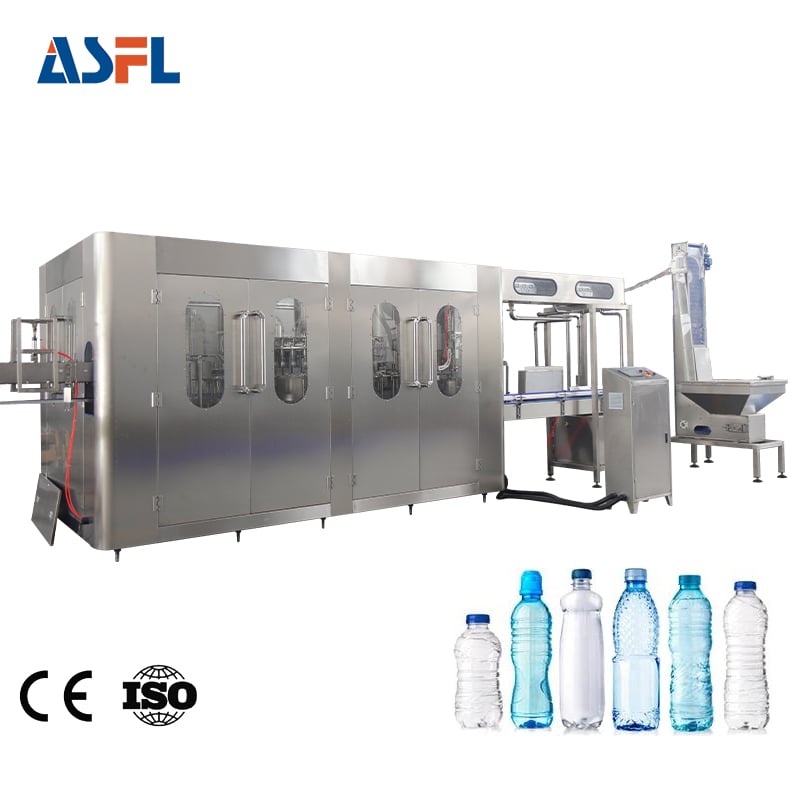
Choosing the right processing hardware determines long-term profitability and operational uptime in commercial beverage packaging. Investing in an integrated juice filling capping machine allows plant owners to replace fragmented conveyor systems with a compact monobloc frame. Traditional linear production lines require separate rinsing, piston filling, and magnetic capping stations joined by extended air conveyors. By contrast, an integrated juice filling capping machine combines rinsing, thermal or volumetric dosing, and high-torque capping into a single synchronized drive system.
Factory engineers seeking higher output, lower microbiological risk, and reduced footprint find that an integrated juice filling capping machine addresses major operational bottlenecks. From juice hot-filling at 85-92 degrees Celsius to cold aseptic dosing, an integrated juice filling machine maximizes yield while protecting juice flavor profile and shelf stability. Below is an operational analysis of why an integrated juice filling capping machine is essential for modern bottling lines.
ACE-FILLING Monobloc Architecture Overview
-
Bottle Infeed: Feeds containers directly into the rinsing turret.
-
Starwheel Transfer: Transfers containers seamlessly to the hot filling turret via precision starwheels.
-
Capping and Output: Liquid-filled containers move directly to the capping turret, then exit as product out.
-
Direct Synchronization: Direct starwheel synchronization eliminates transfer gaps and open conveyor contamination risks.
Eliminating Bottlenecks with Monobloc Integration
Conventional beverage layouts transfer PET or glass bottles across multiple independent machines. These transfers introduce neck-deformation risks, tipping errors, and cross-contamination exposure. Installing an integrated juice filling capping machine eliminates transfer tracks by using high-precision starwheels to move containers between star wheel pockets.
An integrated juice filling capping machine syncs filling valves with cap applicator heads using a continuous gear drive or direct servo system. When operating an integrated juice filling machine, container movement remains fully controlled during high-speed execution. This synchronization reduces container spills during juice filling capping operations, preventing sticky sugar residues from contaminating mechanical gears and conveyor chains.
Traditional Standalone Layout versus ACE Integrated Monobloc Layout
-
Traditional Standalone Layout: Rinsing to conveyor to filling to conveyor to capping. Footprint is approximately 120 square meters with high spillage risk from open conveyors.
-
ACE Integrated Monobloc Layout: Rinsing to starwheel to filling to starwheel to capping. Footprint is approximately 45 square meters with zero spillage risk due to closed transfer starwheels.
Furthermore, an integrated juice filling machine optimizes container holding. Neck-handling technology allows an integrated juice filling capping machine to handle various container sizes without extensive height adjustments. Operators run efficient juice filling capping routines across diverse stock-keeping units (SKUs) while minimizing mechanical changeover downtime.
Thermal Dosing, Hygiene, and Standards Compliance
Sanitation and thermal management dictate product shelf life for natural fruit juice and botanical tea beverages. Modern production environments require rigorous adherence to food safety frameworks such as FDA 21 CFR Part 110, Good Manufacturing Practice (GMP) principles, European Hygienic Engineering & Design Group (EHEDG) design guidelines, and ISO 22000 Food Safety Management Standards. An integrated juice filling capping machine complies with these hygienic standards through sealed enclosure zones and automated cleaning-in-place (CIP) circuits.
Hot-Fill Thermal Regulation Loop
-
Juice Tank: Maintains product temperature at 88 degrees Celsius.
-
Recirculation Valve: Routes liquid through the high-temp filling valve.
-
Thermal Return Flow: Loops back to the tank to maintain constant sterilization temperature during standby periods.
Hot-fill operations demand steady product recirculation temperatures of 85-92 degrees Celsius to maintain commercial sterility. An integrated juice filling machine maintains precise liquid flow through continuous thermal loops. During brief line interruptions, an integrated juice filling capping machine automatically redirects hot juice to pasteurization units, preventing thermal degradation or under-temp filling inside the juice filling capping turret.
Engineering Standards and Specifications Table
-
Contact Material Grade: AISI 316L Stainless Steel
-
Temperature Tolerance Range: 85°C to 92°C (Hot-Fill Compliant)
-
Fill Level Accuracy: ±2 mm (Volumetric/Magnetic Valve)
-
Capping Torque Precision: ±0.2 Nm (Magnetic Clutch Servo)
-
Sterilization Standard: FDA 21 CFR / EHEDG / ISO 22000
All liquid-contact parts on an integrated juice filling machine are constructed from AISI 316L stainless steel, featuring electro-polished surfaces with surface roughness Ra under 0.4 micrometers. This construction prevents bacterial buildup during long juice filling capping runs. Additionally, HEPA laminar air hoods over the integrated juice filling capping machine create positive pressure isolation, protecting exposed juice containers against airborne pathogens before cap sealing.
ROI and Technical Specifications
Upgrading to an integrated juice filling capping machine reduces utility consumption, floor space demands, and direct labor overhead. Operating an integrated juice filling machine consolidates control onto a single centralized PLC touchscreen interface.
Operational Cost Savings Model
-
Footprint Reduction: Achieves a 35% reduction in factory floor space usage.
-
Energy Efficiency: Delivers a 30% decrease in electricity demand via a single motor drive.
-
Labor Consolidation: Requires only 1 operator per monobloc instead of 3 standalone stations.
-
Floor Space Optimization: An integrated juice filling capping machine cuts line footprint requirements by up to 35% compared to separate machinery blocks.
-
Power Efficiency: Powered by a unified main drive motor, an integrated juice filling machine uses less electricity than three separate machine drives.
-
Labor Savings: A single machine technician manages the entire integrated juice filling capping machine through an intuitive human-machine interface (HMI), reducing labor requirements across juice filling capping stages.
-
Reduced Product Loss: High-accuracy magnetic flowmeters or volumetric dosing valves on an integrated juice filling machine keep dosing accuracy within plus-or-minus 2 millimeters, avoiding overfill waste.
Real-world factory installations confirm that swapping old equipment for a high-speed integrated juice filling capping machine delivers full investment payback within 12 to 18 months through raw material preservation, energy savings, and higher throughput per shift.
Real-World Case Study: High-Speed Production Upgrade
A high-volume tropical juice producer in Southeast Asia replaced three aging linear lines with an integrated juice filling capping machine designed by
-
The Challenge: The old setup suffered frequent cap jam downtime, thermal loss during open transfers, and fill volume variances exceeding plus-or-minus 5 milliliters.
-
The Solution: ACE-FILLING supplied a 3-in-1 monobloc integrated juice filling capping machine equipped with non-contact magnetic flowmeters and a steam-injection capping head.
-
The Result: The plant stabilized its hot-fill operation at 88 degrees Celsius across 18,000 bottles per hour. The integrated juice filling machine reduced container breakage by 98% and improved volume consistency across all juice filling capping runs. The compact monobloc integrated juice filling capping machine also saved 40 square meters of floor space, allowing the factory to add a downstream secondary packaging system.
Integration with Core Industry Frameworks
This technical analysis serves as a specialized sub-page within our complete beverage packaging architecture hub. While our core pillar page covers overall factory planning, procurement strategy, and utility requirements, this article focuses specifically on integrated juice filling capping machine mechanics.
Whether configuring a new production plant or upgrading an existing line, integrating rinsing, filling, and capping into an integrated juice filling machine provides a reliable path to high operational yield and commercial success. Explore
This video demonstrates how an integrated monobloc beverage machinery framework synchronizes washing, filling, and capping cycles within a single high-speed system to optimize overall line efficiency.
 Hot News








