EN

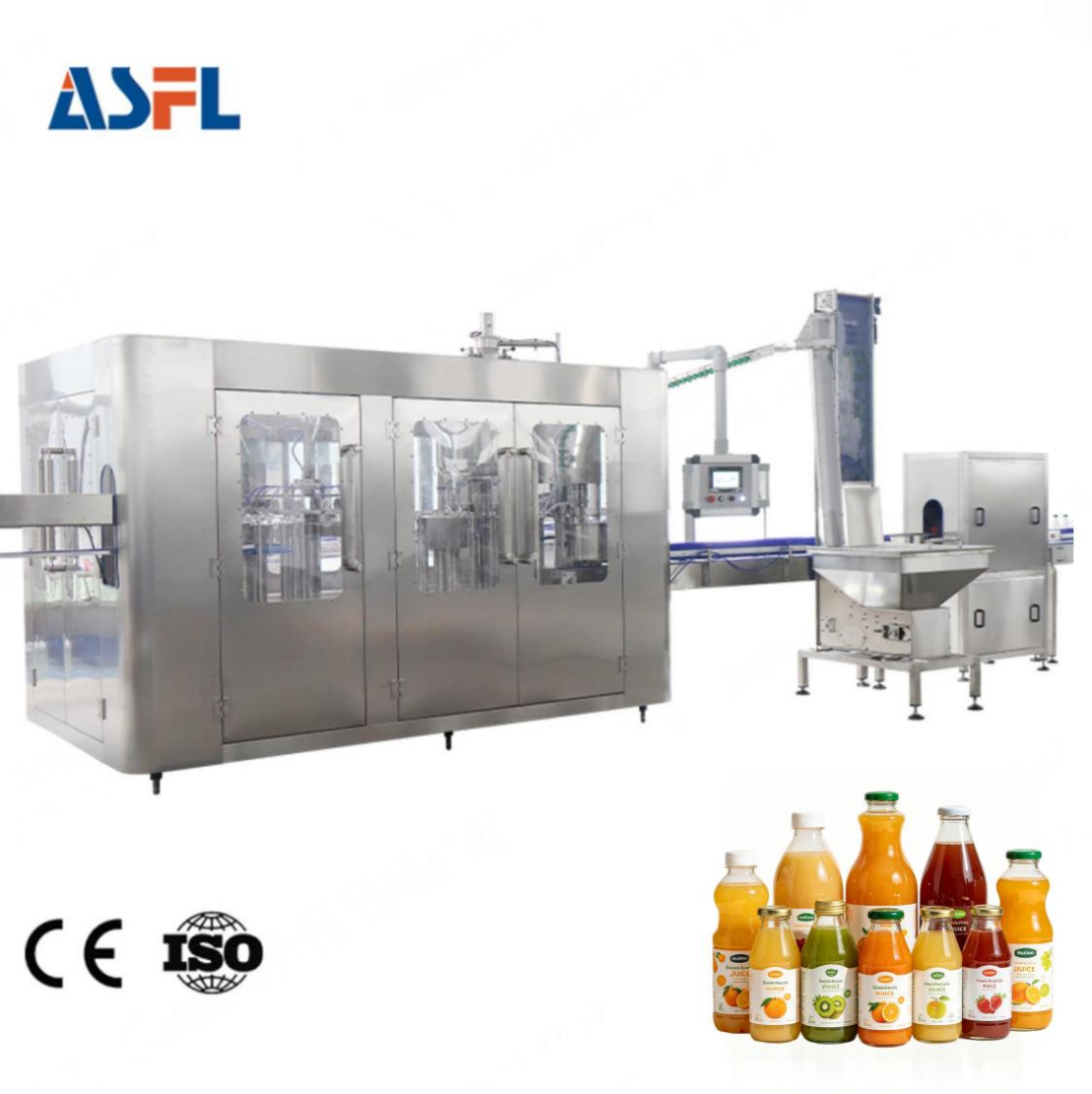
An edible oil filling machine can show unstable net weight even when its displayed setting looks correct. The reason is that weighing, product supply, bottle handling, and cutoff timing act together. A reliable weighing and filling machine calibration therefore verifies both the measurement signal and the filled package under normal running conditions.
This procedure is written for production and quality teams. It does not replace the OEM manual, local legal-metrology rules, product specifications, or the plant’s safety procedure. Use the approved target weight and tolerance for the actual SKU; do not borrow limits from another package.
What calibration should prove
For an edible oil filling machine, calibration should prove three things: the scale reads reference masses correctly, the container tare is controlled, and filled bottles meet the approved net-weight target. A weighing and filling machine may dose against a load cell or may use a separate scale to validate a volume or flow-based dose. Either way, the final check is the mass of product in the finished package.
Define the test before touching settings. Record target net weight, allowed variation, sample size, product grade, oil temperature, bottle and closure, head number, line speed, and tank level. This record is the baseline for each edible oil filling machine adjustment.
1. Stabilize normal production conditions
Run the edible oil filling machine with the intended oil, normal product level, correct bottles, and normal conveyor speed. Allow the feed system and valves to settle after start-up or a product change. Calibration with an empty hopper, cold product, or stationary containers may not describe normal operation.
- Confirm the product temperature is within the plant’s approved operating range.
- Inspect product lines for air, leaks, pulsation, restrictions, or wide tank-level swings.
- Clean the weighing platform, bottle supports, nozzles, and any contact points.
- Verify bottles arrive squarely at each station and are dry before sampling.
- Check that nozzles, clamps, anti-drip devices, and conveyors move freely.
An accurate scale cannot compensate for an unstable product feed. First ask whether every head receives oil consistently; then consider changing a fill setting.
2. Verify zero, tare, and reference weights
Follow lockout and guarding rules before inspecting the edible oil filling machine. With the weighing station clean and unloaded, perform the approved zero check. If the process uses tare, establish it with representative empty bottles and closures from the current packaging lot. Changes in package mass can appear as product-weight drift when gross weight is used carelessly.
Verify the machine with approved, traceable reference weights that cover the relevant working range. Place each weight as instructed by the OEM and record the reference value, displayed value, difference, and pass/fail result. Where required, check several load positions to identify corner-loading effects.
Remove the weights and check zero again. If zero does not return, do not apply a random offset. Inspect for dirt, mechanical binding, vibration, cable strain, or a disturbed support. An edible oil filling machine with an unresolved scale verification failure should not move to fill-control adjustment.
3. Make a controlled fill adjustment
After scale verification, run a settling quantity of bottles on the edible oil filling machine. Then collect samples at normal speed and calculate net weight using the approved tare method. Keep samples separated by head. Combining every result into one average can hide a local issue on a multi-head unit.
- Take the planned samples from every active head or lane.
- Compare each net weight with the approved target and record the deviation.
- Look for a common pattern or a head-specific pattern.
- Adjust only the validated parameter: target mass, coarse cutoff, fine cutoff, dribble, or controller trim.
- Run a new settling quantity, then repeat the same sampling method.
Make modest changes. A small adjustment and a repeat test make the response of an edible oil filling machine easier to understand. The HMI target is not proof by itself; the verified filled bottle is the proof.
4. Find the source of variation
All heads move together
If all heads on an edible oil filling machine shift in the same direction, review the common causes first: product temperature, supply pressure, tank level, shared target settings, and the reference scale. Oil flow can change when temperature or viscosity changes. Stabilize the condition before repeatedly changing the setpoint.
One head differs from the others
If one head differs, inspect its valve, nozzle, timing, bottle support, and local mechanical motion. Misalignment, nozzle contact, delayed closure, or vibration can create repeatable error. The calibration record should identify each head so maintenance can trace the pattern rather than adjust all heads blindly.
The result changes through the shift
Take samples at start-up, mid-run, after normal interruptions, and after a major tank-level change. This shows whether the edible oil filling machine drifts over time. If a downstream checkweigher is installed, compare its trend with the approved reference method; both devices need their own controlled verification.
5. Document release checks
Use a standard record for each edible oil filling machine event: date, operator, SKU, product temperature, line speed, reference-weight ID, tare method, head number, settings changed, and sample results. A useful calibration record makes it possible to tell a genuine calibration change from a temporary supply disturbance.
| Check | Purpose | Record |
|---|---|---|
| Zero and reference weight | Verify measurement | Reference ID and difference |
| Container tare | Protect net-weight calculation | Package lot and tare method |
| Head-by-head samples | Reveal local drift | Head, net weight, deviation |
| Repeat after adjustment | Validate the correction | Setting and repeat results |
Set the frequency of these checks through the quality system, OEM guidance, risk assessment, and applicable regulations. Typical triggers include pre-start verification, product or bottle changes, speed changes, maintenance, and periodic in-process checks. The responsible team should confirm the local packaging and sanitation requirements before release.
Final checklist
- The edible oil filling machine passed zero and reference-weight verification.
- The equipment uses the current bottle and closure tare method.
- Samples cover all active heads at normal operating speed.
- Every adjustment is followed by stabilization and repeat samples.
- The production record captures deviations and the final release decision.
Consistent net weight comes from verified measurement and stable operating conditions. Treat an edible oil filling machine as a linked process, use a documented weighing and filling machine routine, and validate every change with filled-package samples. That approach makes the source of variation easier to find and the production decision easier to support.
 Hot News