 EN

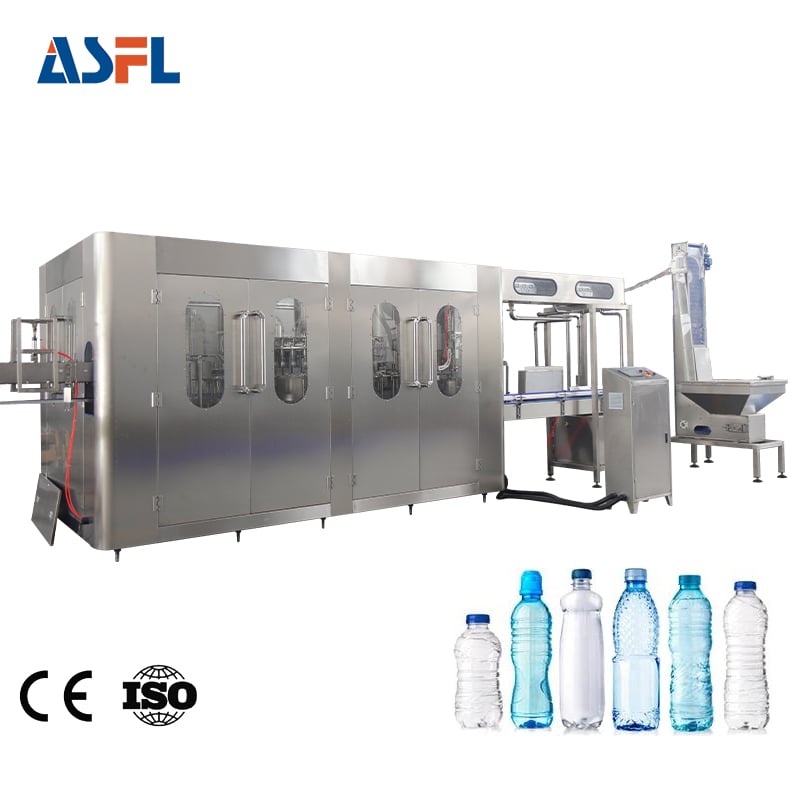
An automatic rinsing filling and capping machine is not a substitute for a beverage safety plan. It is the controlled passage between three sensitive operations: preparing the container, dosing the product, and closing the package. When that passage is engineered, cleaned, monitored, and validated as one process, it can reduce opportunities for contamination and packaging defects. When it is treated as three isolated stations, problems can travel with the bottle.
From a packaging-line engineering perspective, the integrated system should be evaluated by the controls it makes practical: hygienic access, repeatable bottle handling, cleanable product paths, cap protection, and records that show whether the line ran as intended. The right configuration still depends on beverage formulation, bottle geometry, closure type, and the plant’s documented hazard controls.
Safety begins before the bottle reaches the filler
In an integrated rinser-filler-capper, the rinser is the first process point that directly touches the inside of a bottle. Its role is not merely cosmetic. It should remove loose particles and prepare containers according to the plant’s validated process, using the specified rinse medium, pressure, contact time, and drainage pattern. Those settings need to be meaningful for the package and product rather than copied from another line.
Good design also keeps the rinsing circuit manageable. Operators need access for inspection, a defined way to verify nozzle condition, and a clear response when a bottle is missing, tipped, or incorrectly positioned. A line with positive bottle control can help keep the rinse sequence aligned with the container; it does not excuse poor incoming-bottle handling or an unverified rinse supply.
For bottled drinking water, U.S. current good manufacturing practice requirements in 21 CFR Part 129 apply to the facilities, methods, practices, and controls used in processing and bottling so the product is handled under sanitary conditions. That is a useful reminder for any beverage project: equipment is one part of a wider program involving water, sanitation, people, and documented controls.
Protect the product path during filling
The filling section of the monoblock should be assessed as a hygienic product path, not just a throughput module. Product-contact components, seals, valves, manifolds, and transfer lines need materials and finishes suitable for the beverage and the cleaning method. Dead legs, difficult-to-drain pockets, and fittings that cannot be inspected can complicate cleaning verification.
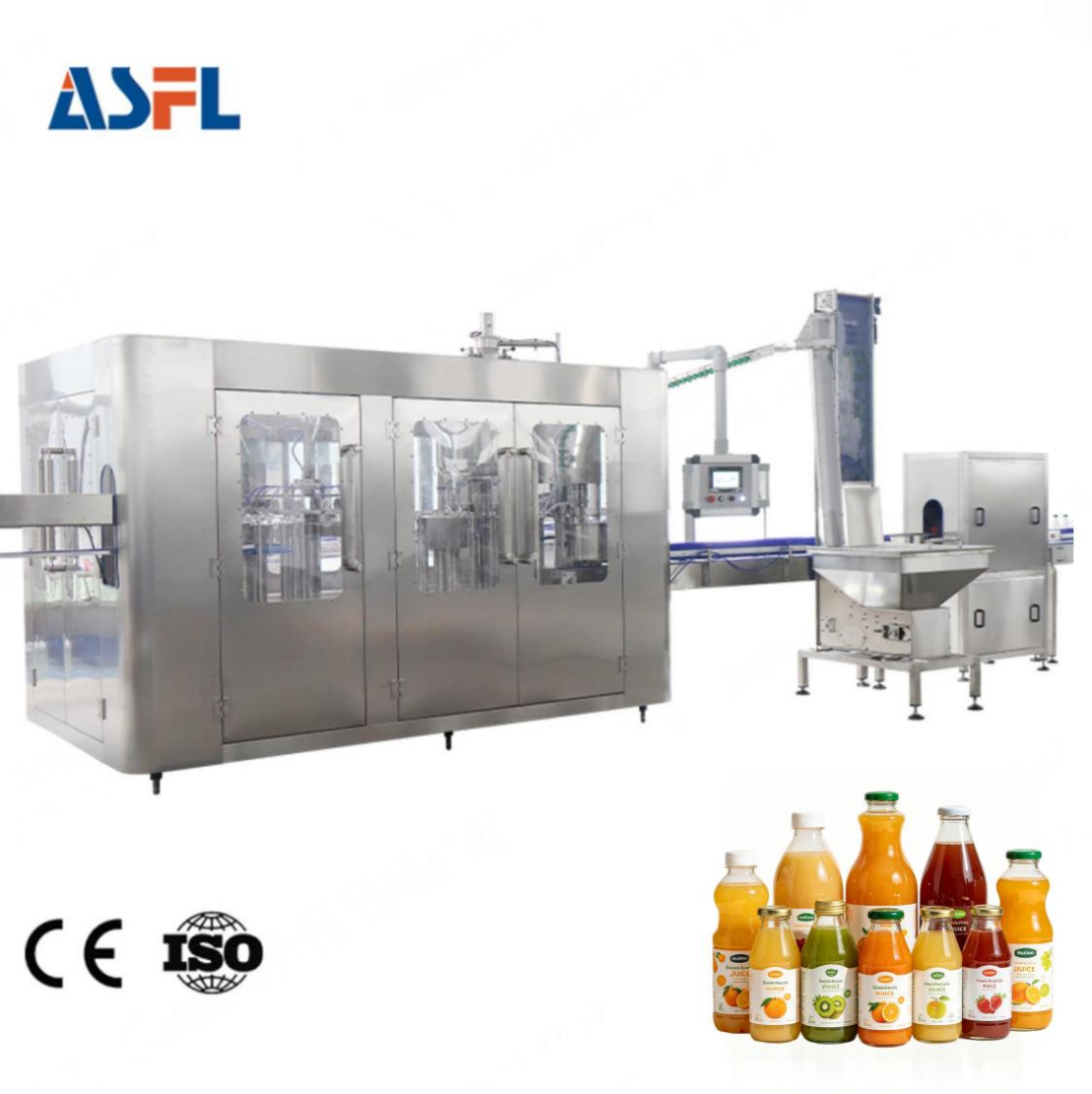
Before selecting this equipment, define the product conditions: still or carbonated beverage, acidity, pulp or particulates, temperature at filling, foaming behavior, and required fill volume. Those details influence filling principle, valve selection, tank arrangement, and cleaning sequence. More accurately, speed comes after those conditions are understood; a high nominal output does not demonstrate hygienic performance.
Line controls matter as well. Bottle-present sensing, no-bottle/no-fill logic, controlled start-up and shutdown, and rejection of abnormal containers can reduce uncontrolled events at the filling zone. The plant should define what a fault means operationally: whether production stops, product is segregated, or an inspection is required. An automatic liquid filling and capping machine should support that decision process with accessible alarms and traceable settings.
Capping protects the work completed in prior stages
Once a bottle is filled, the capping station is the final barrier before downstream handling. In an automatic rinsing filling and capping machine, cap orientation, cap-feed cleanliness, closure application, and torque verification deserve the same attention as the filler. A loose or damaged closure can affect package integrity even when the rinse and fill stages were controlled.
Practical verification may include routine checks of cap appearance, tamper-evident feature engagement where applicable, and closure application against the package supplier’s specification. The exact test and frequency belong in the producer’s quality plan. The capping module supplies repeatable mechanical action; it should not be described as independently certifying a finished beverage.
Why integration can strengthen control
An integrated monoblock layout can reduce handoffs between rinsing, filling, and capping. Fewer transfers may mean fewer exposed points and simpler synchronization, provided the enclosure, drainage, airflow, and cleaning access are designed for the process. This is why this configuration is often considered for beverage lines where consistent bottle movement is important.
The benefit is conditional. If a jam occurs, the team needs to know how bottles are removed, how the affected area is cleaned, and how restart authorization works. If product changes are frequent, the line must allow a realistic changeover and cleaning procedure rather than an abbreviated one that operators struggle to execute.
A verification checklist for beverage projects
Move the discussion from brochure claims to a verification checklist. During factory acceptance, commissioning, and routine production, review the integrated line against the following questions:
- Can the team inspect and clean the bottle rinser, product-contact route, and cap-handling area without improvised access?
- Are rinse settings, fill controls, and closure settings documented with product- and package-specific acceptance criteria?
- Does the line detect missing bottles, misfeeds, and selected capping faults, and is the response defined?
- Can product and cleaning fluids drain from the relevant circuits as intended?
- Are changeover parts identified and stored in a way that avoids mixing mistakes?
- Do quality and maintenance teams agree on calibration, sanitation verification, and restart responsibilities?
These questions turn the equipment from a nominal category into a controllable production system. They also reveal where site procedures, utility quality, or container supply need work before a line is released.
Build safety into the operating routine
Safe beverage packaging is sustained by routine discipline. Operators should understand the normal condition of the line, maintenance teams should inspect components that affect hygiene and bottle control, and quality personnel should review the records that demonstrate the process stayed within its limits. A planned stop, cleaning cycle, or investigation is often more responsible than continuing through an unexplained deviation.
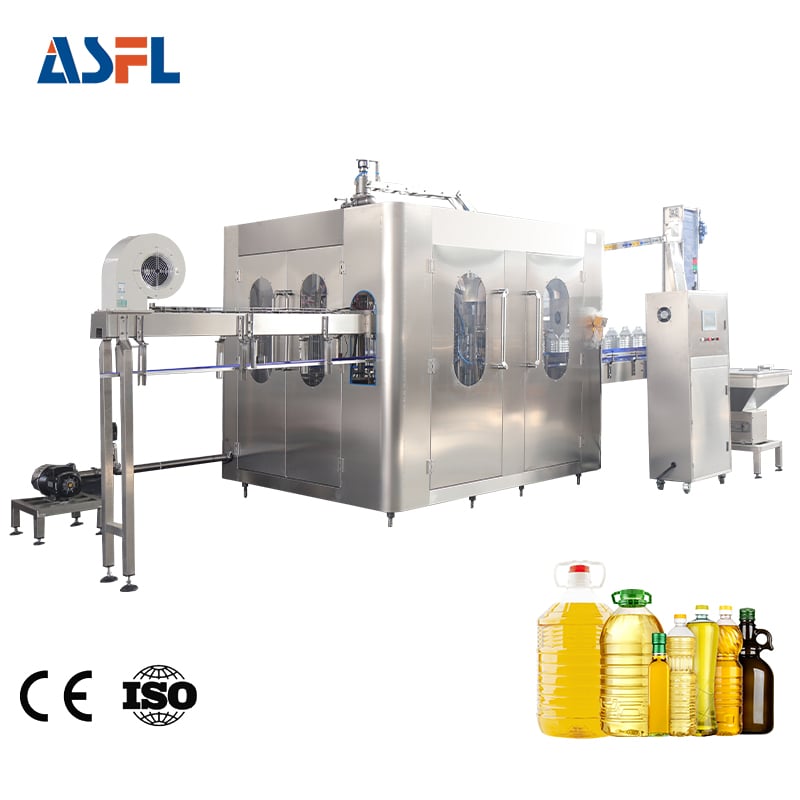
The most useful procurement conversation is therefore not “Which machine is fastest?” but “Which configuration lets our team verify the controls that matter for this beverage and package?” This type of integrated system can support product safety when its design, utilities, sanitation method, and operating procedures are validated together. That same disciplined approach applies when comparing an automatic liquid filling and capping machine for a different liquid or closure format.


 Hot News








