 EN

The Agility Challenge in Launching New Craft Beverage Concepts
Entering the commercial beverage market requires balancing creative recipe formulation with demanding manufacturing logistics. When an emerging startup or an established drink developer creates a novel functional beverage, kombucha, cold brew coffee, or craft botanical tonic, the immediate priority is testing consumer demand without committing massive capital expenditures to full-scale automated packaging lines. Fulfilling initial beverage brand small batch trial orders allows companies to distribute sample inventory to retail buyers, investors, and focus groups without risking thousands of dollars on unproven formulations. However, manual hand-filling with funnels and pipettes introduces severe inaccuracies, inconsistent fill heights, and unhygienic exposure.
Deploying a professional benchtop liquid filling machine bridges the critical gap between kitchen-scale R&D and high-speed industrial manufacturing. A compact, precision-engineered small scale beverage filling machine provides emerging brands with the repeatable dosing accuracy, sanitary fluid handling, and operational flexibility needed to execute small batch trial orders flawlessly. By investing in versatile benchtop equipment from ACE-FILLING, beverage creators maintain absolute control over their product development timeline, eliminating long lead times and high minimum order quantities usually demanded by contract packing facilities.
The Economics of Prototyping Versus Full-Scale Commercial Line Setup
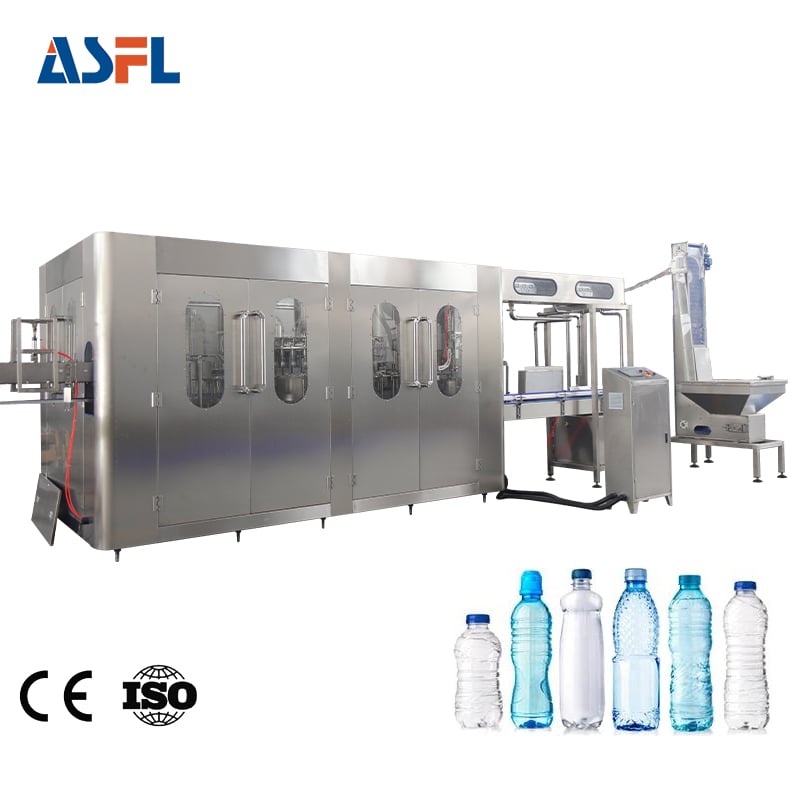
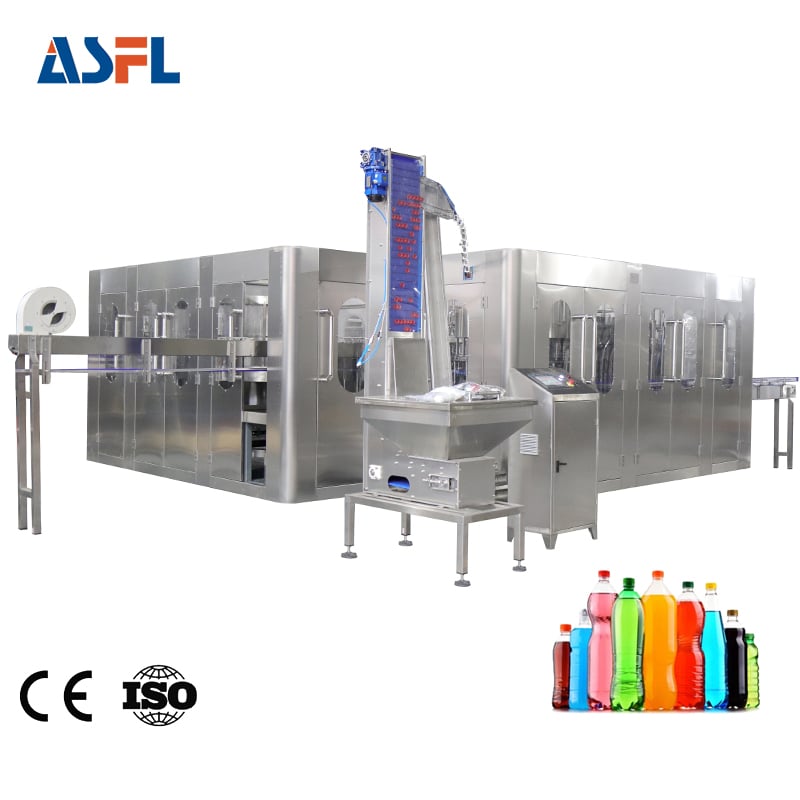
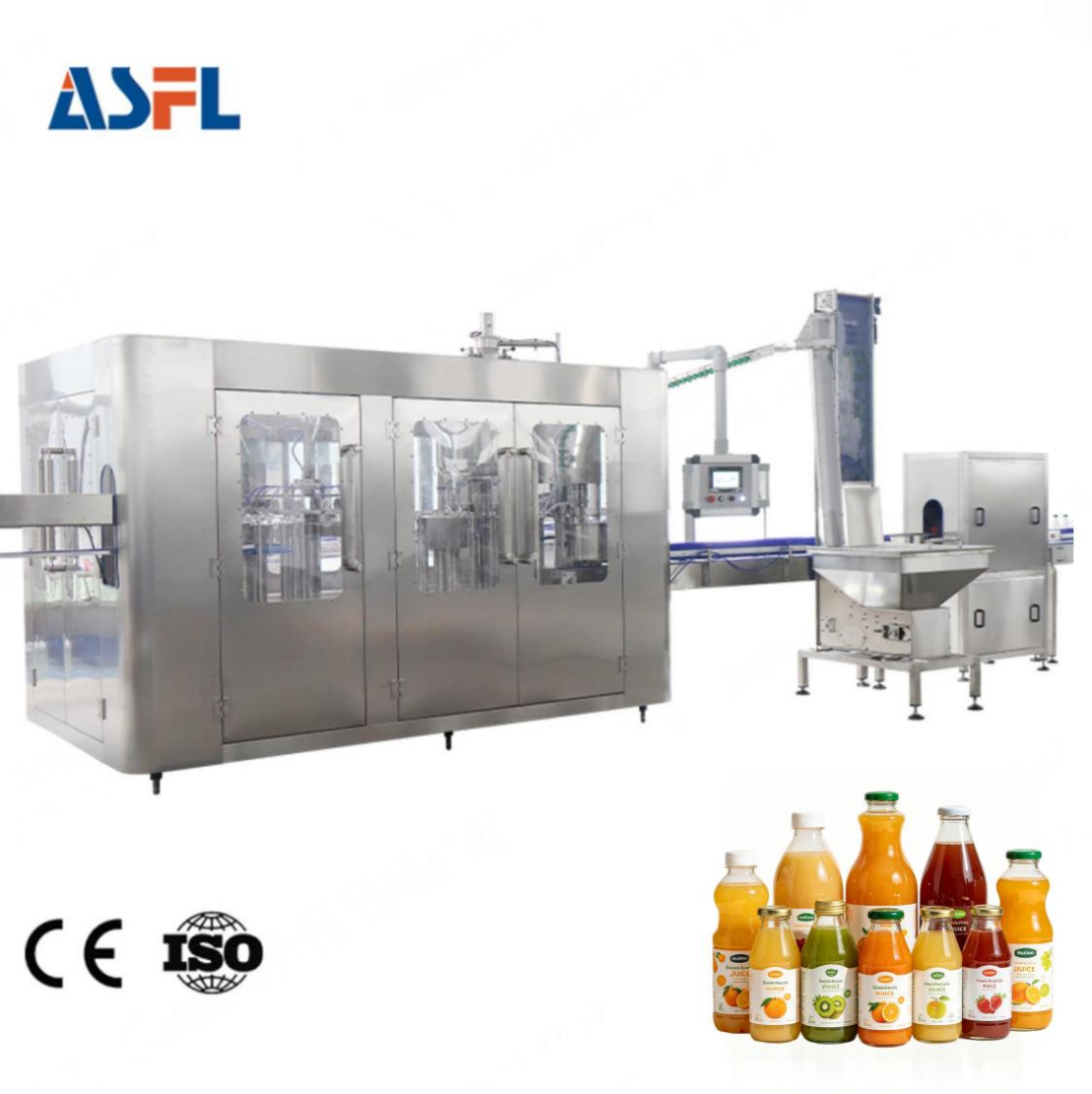
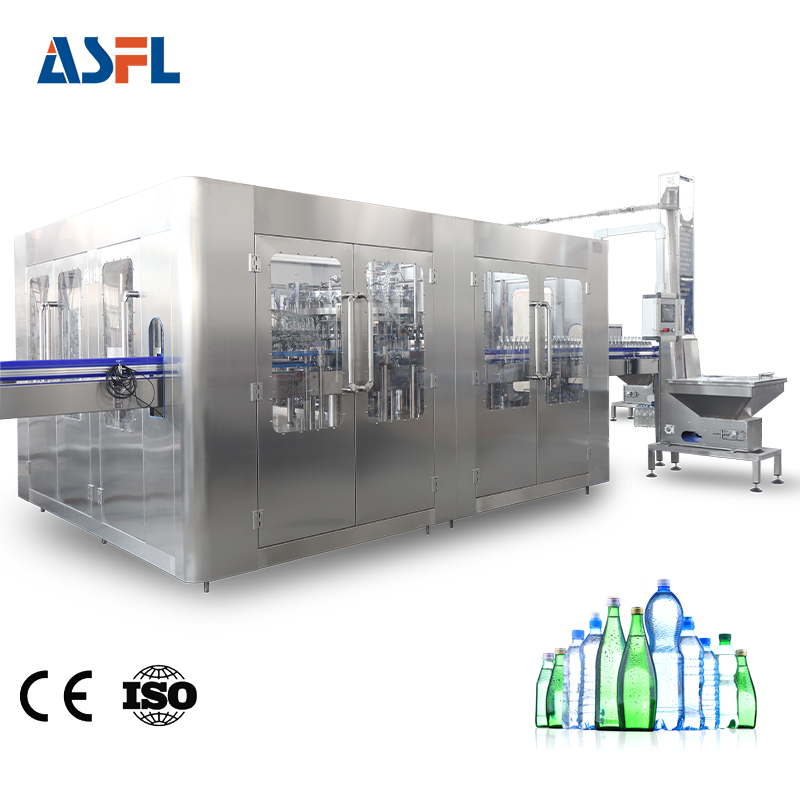
For any beverage brand preparing for a market launch, financial prudence is paramount. Renting time on a massive rotary bottling line or purchasing an industrial-grade monoblock system for initial trial production is economically unviable. Industrial lines require substantial floor space, high electrical power loads, extensive clean-up cycles, and massive product volumes just to prime the fluid circuits.
Using a benchtop liquid filling machine fundamentally alters the economic equation of product rollout:
-
Capital Expenditure Reduction: Trial equipment requires a fraction of the investment needed for automated industrial conveyors and automated capper turrets, preserving cash flow for marketing and ingredient sourcing.
-
Zero Minimum Product Loss: Industrial lines waste liters of liquid during priming and line clearing. A precision small scale beverage filling machine operates with minimal dead volume, allowing developers to test batches as small as five liters.
-
Rapid Recipe Iteration: If a flavor profile requires adjustment during early trial runs, developers can modify the formula and test a new batch within minutes rather than waiting days for external co-packer schedule availability.
-
Low Footprint and Utility Demand: Benchtop units operate on standard single-phase electrical outlets and compressed air lines, fitting easily onto standard stainless steel laboratory or kitchen prep tables.
Comparative Technical Matrix: Benchtop Systems Versus Industrial Lines
To evaluate how compact packaging equipment compares to industrial manufacturing setups during early-stage product launches, the technical comparison table below outlines key operational parameters.
| Operational Parameter | Industrial Rotary Bottling Line | Professional Benchtop Liquid Filling Machine |
| Minimum Batch Requirement | 2,000 to 5,000 liters per run | 5 to 50 liters for agile trial batches |
| Equipment Changeover Time | 2 to 4 hours (Starwheels, guides, valves) | 5 to 10 minutes (Tool-less quick-release fluid paths) |
| Cleaning and Sanitization (CIP) | Complex multi-stage automated CIP loops | Direct manual flush or short CIP recirculation loop |
| Volumetric Dosing Precision | High-speed flow meters or mechanical pistons (+/- 0.5%) | Servo-driven piston or peristaltic dosing (+/- 0.2%) |
| Capital Investment Scale | High six-figure commercial expenditure | Low-cost entry point for emerging beverage brands |
Core Engineering Features of Advanced Benchtop Filling Machines
Achieving professional packaging quality on a compact footprint requires sophisticated internal engineering. A high-performance benchtop liquid filling machine incorporates several critical technological features designed to handle diverse beverage viscosities, ranging from thin citrus juices to thick, pulpy smoothie nectars:
-
Positive Displacement and Peristaltic Options: Depending on whether the beverage contains suspended solids like pulp or chia seeds, operators can select peristaltic tube pumps that prevent mechanical shear damage or ceramic piston pumps that ensure absolute volumetric repeatability.
-
Anti-Drip Spring-Loaded Nozzle Shut-Offs: Sticky beverages like energy drinks or botanical syrups tend to string and drip after dispensing. Engineered cut-off valves seal the nozzle tip instantly upon fill completion, preventing product spills on container threads.
-
Digital PLC Touchscreen Controls: Modern benchtop units feature intuitive digital interfaces where operators input exact fill volumes, dosing speeds, and delay intervals, eliminating manual calibration guesswork.
-
Food-Grade Hygienic Construction: All fluid contact components, including manifolds, valves, and tubing, are fabricated from electropolished AISI 316L stainless steel and food-grade silicone, meeting stringent hygiene requirements.
Real-World Case Application: From Kitchen Test to Retail Pilot Batch
Consider the operational journey of a boutique cold-pressed juice startup aiming to secure shelf space in regional grocery chains. The brand needs to produce two hundred 250ml glass bottles of a seasonal turmeric ginger elixir for a buyer presentation within forty-eight hours. Hand-pouring the batch would result in uneven fill lines, potential oxidation, and an unprofessional presentation that could jeopardize the contract.
By integrating a benchtop liquid filling machine into their preparatory kitchen, the founding team successfully executed their beverage brand small batch trial orders in under two hours. The precision dosing pump ensured every bottle maintained an identical fill height, while nitrogen purging attachments minimized headspace oxygen to preserve vibrant color and fresh flavor profiles. The professional presentation impressed retail buyers, leading directly to a formal distribution contract without requiring immediate investment in an automated co-packing facility.
Quality Assurance and Regulatory Compliance for Small Batch Prototyping
Producing trial batches for market validation does not exempt a beverage brand from health, safety, and regulatory compliance standards. Regulatory bodies such as the US FDA and international food safety auditors require strict adherence to hygiene and traceability protocols, even at small production scales.
When utilizing a small scale beverage filling machine, operators must maintain rigorous quality assurance practices:
-
Pre-Operation Sanitization: Flush all fluid contact lines with approved sanitizing agents or hot water sterilization cycles prior to filling operations.
-
Batch Weight Verification: Use calibrated benchtop analytical scales to verify that volumetric liquid dispensing translates accurately into net weight compliance on final packaged goods.
-
Material Traceability: Ensure all plastic tubing, seals, and container materials comply with FDA Title 21 food-contact regulations to prevent chemical leaching into consumable beverages.
By combining disciplined sanitation protocols with precision equipment engineering provided by ACE-FILLING, emerging beverage brands can confidently scale their operations from initial trial batches to full commercial manufacturing success.
 Hot News








