 EN

Buying a water filling line for today’s order book can feel prudent, especially when a new brand, package format, or distribution channel is still taking shape. Yet a line is not only a filler. It is a connected system of water treatment connections, bottle handling, rinsing, filling, capping, conveying, inspection, and packing. If growth arrives before those interfaces have room to grow, the apparent savings from a smaller installation can be offset by layout changes, repeated commissioning work, and interruptions to production. From a packaging-line engineering viewpoint, the practical question is not simply “How many bottles per hour do we need now?” It is “What needs to remain possible when demand changes?”
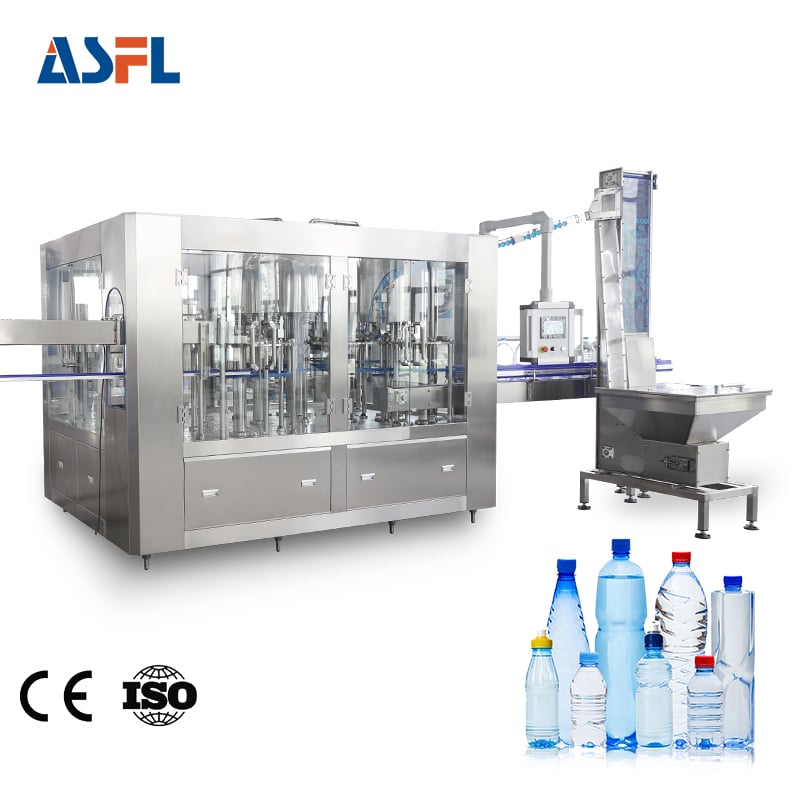
A well-scoped water filling line does not require a buyer to install every future module on day one. It does require a phased plan: define the current operating case, identify the components that set the later ceiling, and reserve the physical, utility, and control provisions that make an upgrade realistic. This approach is useful for a still-water or mineral water filling line project because bottles, caps, cleaning expectations, and downstream handling all influence usable output.
Capacity is a whole-line condition, not a filler nameplate
When comparing a water filling line, buyers often begin with a stated filling speed. That number matters, but it is only one part of sustained throughput. A line can have a fast filler and still lose output when bottle supply is uneven, cap feeding is constrained, labels or packs back up, or operators need frequent changeovers. More accurately, future capacity depends on the slowest repeatable condition across the line, including planned cleaning and normal interventions.
Start by mapping the current product mix: bottle volume, bottle geometry, neck finish, cap type, expected production hours, and likely seasonal peaks. Then create two additional cases: a credible growth case and a stretch case. For each case, ask whether the water filling line can hold a stable rhythm from infeed through packing. This turns expansion into an engineering discussion instead of a vague request for “extra speed.”
- Current case: the products, shifts, and output that must run at startup.
- Growth case: the volume or SKU mix that the business expects after market development.
- Stretch case: the upper scenario that identifies where a later upgrade would first be needed.
Choose a phased configuration, not an oversized guess
A scalable water filling line is usually built around a documented upgrade path. Some elements may be selected for the current case, while other foundations are sized or arranged for later additions. The aim is not to overbuy equipment. It is to avoid choices that lock the project into a narrow ceiling.
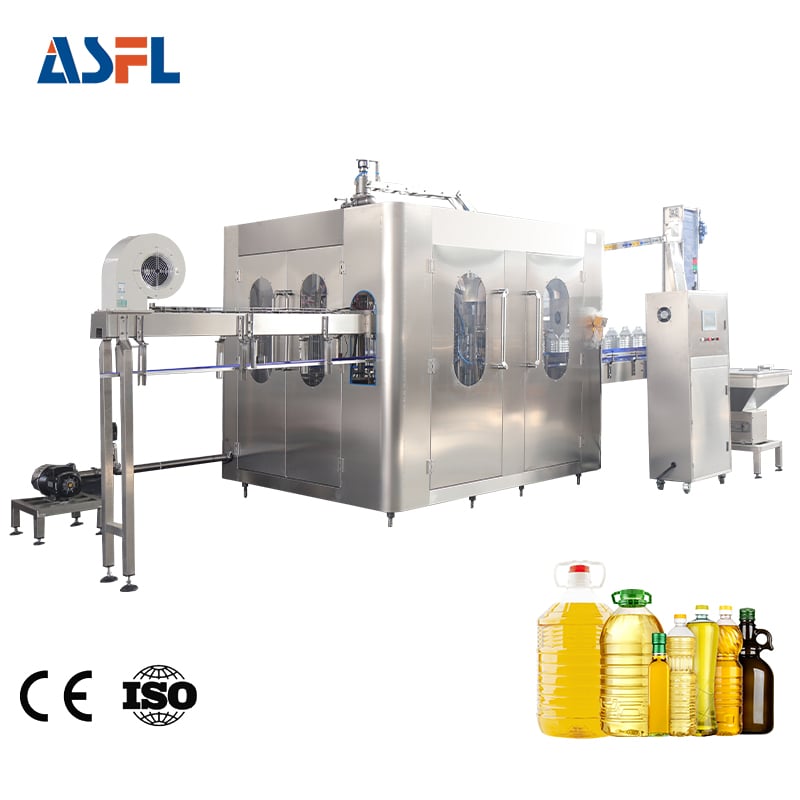
For example, ask the supplier to explain which modules can be added, replaced, or reconfigured without rebuilding the entire water filling line. Discuss the filler platform, bottle-air or conveyor interfaces, cap feeder provision, electrical cabinet capacity, controls architecture, and space for accumulation. The answer should distinguish confirmed configuration options from matters that require site-specific engineering. If a proposed future rate requires a different bottle format or a different process arrangement, record that condition rather than assuming a simple speed adjustment will solve it.
This is especially important for a mineral water filling line where package choices may expand from one bottle size to several. A change part strategy, stored recipes where applicable, and access for adjustment can influence whether a new format becomes a manageable project or a lengthy interruption.
Protect floor space, service access, and utilities early
Floor layout is often the first expansion constraint. A water filling line needs more than a straight path for bottles. It needs safe access for cleaning, inspection, maintenance, and material handling. It may also need room for buffer conveyors, future pack handling, or a revised infeed route. Ask for a layout that marks operating clearance, maintenance clearance, and reserved growth zones separately. A blank area on a drawing is not necessarily usable space if it becomes an aisle, a door swing, or access to another machine.
Utilities deserve the same treatment. Confirm the current and future assumptions for electrical supply, compressed air, water, drainage, ventilation, and any process connections relevant to the project. Capacity expansion can expose a utility bottleneck that was invisible at startup. It is far simpler to reserve connection points, panel capacity, cable pathways, and drainage routes during the first installation than to disrupt a running water filling line later.
Where applicable requirements govern the project, sanitation must also shape layout decisions. In the United States, bottled drinking water operations are addressed in 21 CFR Part 129, while 21 CFR 117.40 includes cleanability, maintenance, and installation considerations for food equipment. These references do not establish compliance for a particular plant or machine; their practical lesson is to verify cleaning access and service clearances with the project’s own regulatory and quality teams.
Plan line connections before adding speed
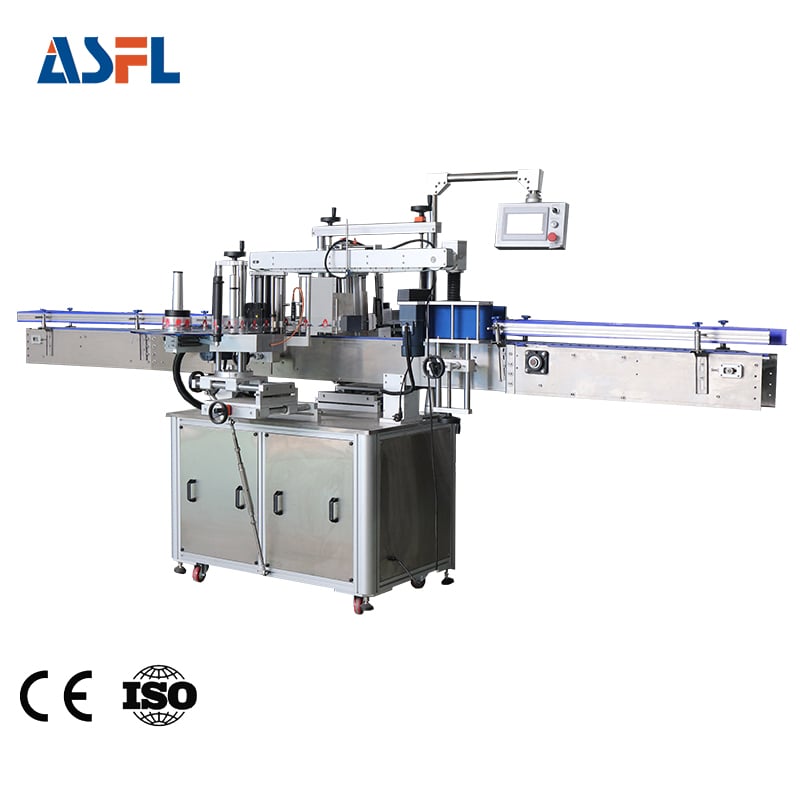
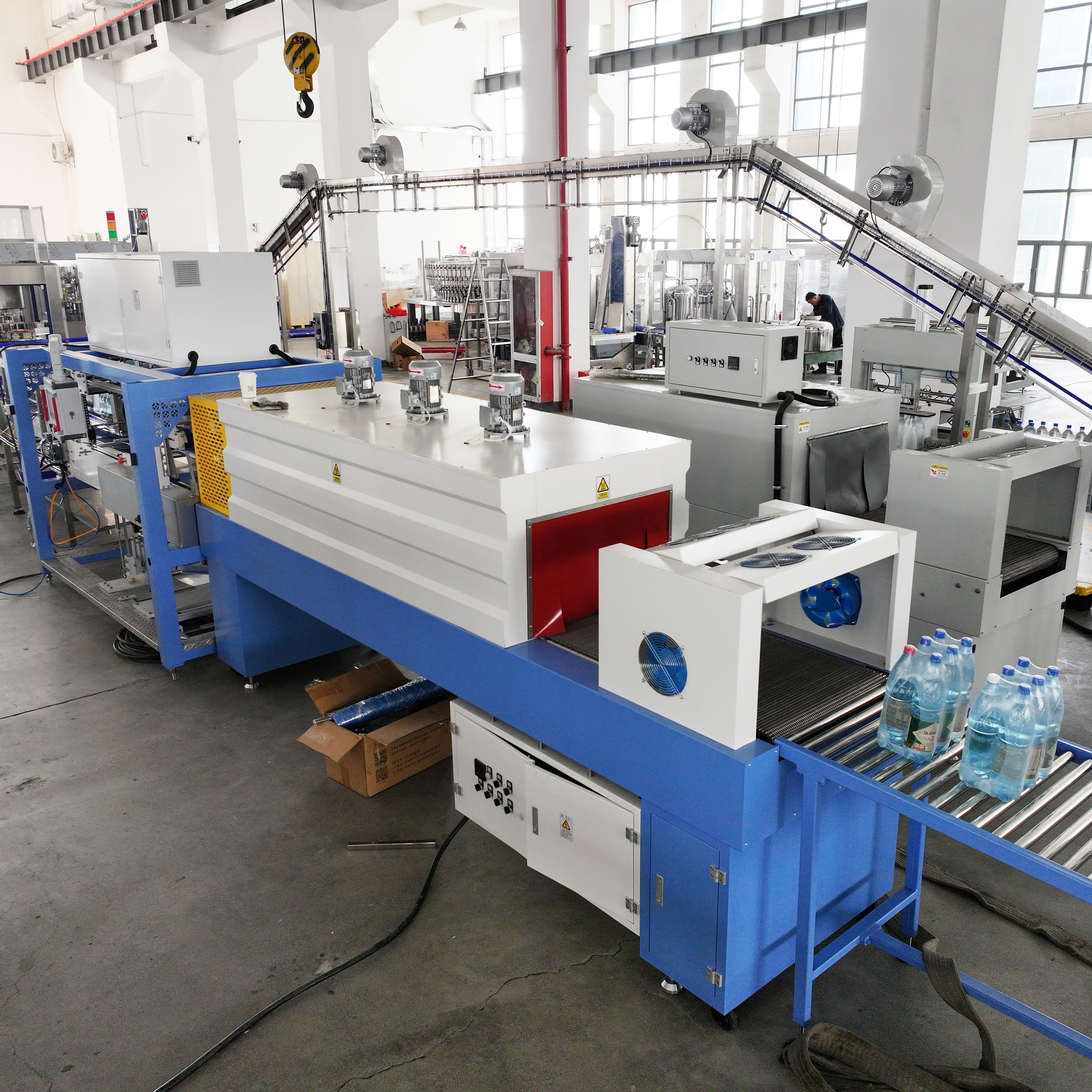
Future output is often limited by a line connection rather than the filling valve itself. Review the water filling line as a chain: upstream bottle delivery, rinsing or preparation, filling, capping, discharge, inspection, labeling where used, and secondary packaging. At every handoff, define the expected bottle orientation, transfer height, control signal, accumulation behavior, and fault response.
Pay particular attention to buffers. A carefully placed accumulation section can absorb short interruptions and isolate parts of the water filling line during routine adjustments. Its value depends on the package, conveyor design, and operating pattern, so it should be validated rather than assumed. The same principle applies to sensor logic and line control: a later module should have a defined place in the system architecture, not be connected as an afterthought.
| Expansion question | What to verify before purchase |
|---|---|
| Higher future output | Likely bottleneck, buffer location, and affected downstream modules. |
| More bottle formats | Change parts, guide adjustments, recipe needs, and verification time. |
| New packing format | Discharge connection, floor space, control signals, and material flow. |
| Longer operating hours | Cleaning access, maintenance windows, wear-part planning, and operator workload. |
Make capacity claims part of the acceptance plan
A useful water filling line proposal states the conditions behind its output target. Request a test and acceptance plan that identifies bottle type, liquid characteristics, cap, ambient conditions where relevant, run duration, quality checks, and the definition of an acceptable stop. This makes it easier to compare proposals fairly and to see which assumptions need confirmation before a future expansion.
Do not treat a projected expansion as a promise detached from operating conditions. Instead, ask for an expansion checklist: which mechanical parts, utilities, software changes, controls work, and commissioning steps would be needed; what information must be reconfirmed; and what downtime window may be required. This is not pessimism. It is a way to make the next decision easier.
A practical buying checklist
- Define current, growth, and stretch production cases for the water filling line.
- Map the line bottleneck across filling, capping, conveying, inspection, and packing.
- Ask for a phased layout with marked service clearance and future module zones.
- Document utility headroom and connection provisions for the growth case.
- Confirm which format changes need parts, settings, trials, or revised handling.
- Specify controls and safety connection requirements so later modules can be integrated methodically.
- Use a condition-based acceptance plan rather than comparing speed figures alone.
Build room for the next decision
The right water filling line for a growing operation is not necessarily the largest available configuration. It is the one whose current setup meets the defined need while leaving a credible route to the next phase. By separating today’s requirements from future provisions, a buyer can focus the budget on useful capacity and retain options when product mix or demand changes. Before selecting a water filling line, gather sample bottles, liquid details, target schedules, site drawings, utility information, and the growth scenarios that matter. Those inputs give an engineering team a sound basis for discussing a phased solution.


 Hot News








