 EN

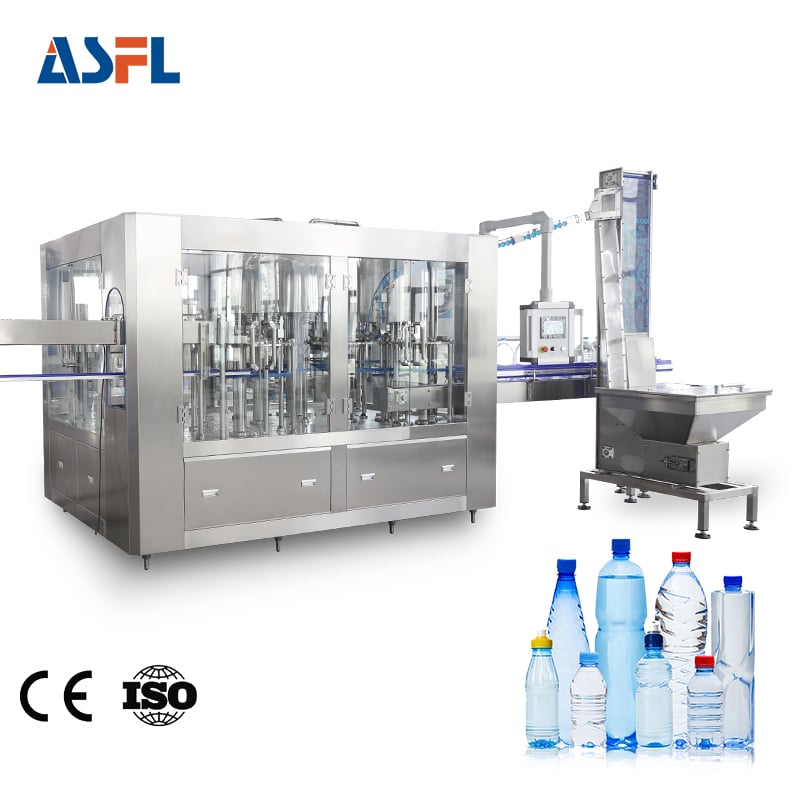
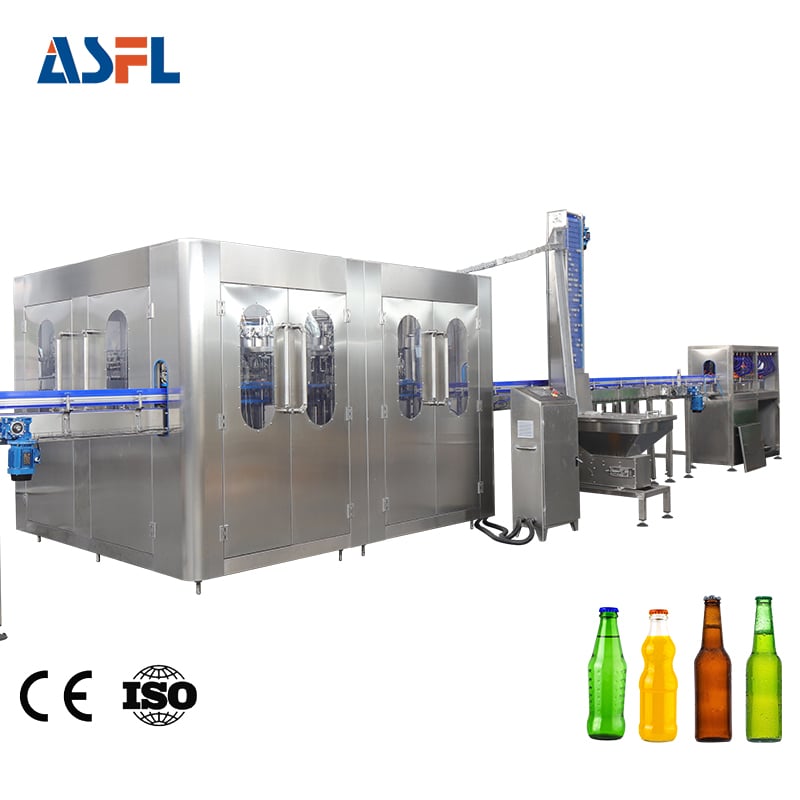
For a buyer evaluating a stainless steel automatic liquid filling machine, the material question is really a process question. The useful starting point is not “Is the frame stainless?” but “Which parts contact the liquid, how will they be cleaned, and what conditions will they see every day?” That distinction matters for beverage, food, edible oil, personal-care, and many other liquid applications.
From a process-compatibility perspective, stainless steel is valued because it can support a cleanable, durable filling environment when the grade, finish, welds, seals, and cleaning routine suit the product. A liquid filling machine automatic system also has more repeated contact points than a hand-operated setup: tank surfaces, pipes, valves, nozzles, manifolds, fittings, and drip-management components all deserve attention.
Stainless steel supports hygienic design, not just a clean appearance
In a hygienic filling area, the goal is to make product-contact surfaces accessible for cleaning and to avoid features that hold residue. Stainless steel is widely used because a properly specified surface can resist routine moisture exposure, tolerate appropriate cleaning practices, and provide a smooth base for sanitary construction. It is therefore a practical material choice for a stainless steel automatic liquid filling machine where the product, container, and production schedule call for frequent washdown or controlled cleaning.
Material alone does not settle the issue. A rough weld, an unsealed crevice, poor drainability, or a hard-to-reach valve body can make cleaning more difficult even when the visible panels are stainless steel. Buyers should ask for a drawing or walkthrough of the full product path rather than accepting a general claim about the machine body.
Why product-contact parts deserve first priority
When comparing a stainless steel automatic liquid filling machine, separate the equipment into three zones: direct product-contact parts, splash or vapor-exposed parts, and the supporting frame. The first zone usually has the highest process and hygiene relevance. Confirm the material of the hopper or tank, transfer piping, pump wetted components, valve seats, filling nozzles, tri-clamp fittings, and any return line.
The second zone matters when products foam, spray, contain sugar, oil, salts, acids, or cleaning residues. The frame still affects washdown durability and housekeeping, but it should not distract from the liquid path. This simple review prevents a common procurement mistake: paying for a stainless exterior while leaving critical wetted parts or seals unspecified.
Corrosion resistance depends on the whole operating condition
Stainless steel can be a sound choice for many filling duties, yet it is not a universal answer for every liquid or every cleaning program. Product acidity, chloride exposure, temperature, dwell time, abrasive cleaning methods, and sanitizer chemistry can all change the material decision. That is why a liquid filling machine automatic line should be reviewed with the actual formulation and cleaning method in hand.
In practice, a buyer may compare common stainless grades such as 304 and 316, but the grade label should lead to questions rather than end them. Ask the equipment supplier which grade is used in each wetted zone, why it fits the stated liquid, and whether the proposed cleaners and sanitizers have been considered. If the liquid recipe is still changing, state that uncertainty early and schedule a compatibility review before the final build.
Cleanability protects repeatable operation
For an automatic filler, cleaning time affects more than appearance. Residue left in a tank, manifold, hose, or nozzle can complicate changeovers, influence product quality, and add work for operators. Stainless surfaces are useful when paired with a design that drains, opens, or supports the site’s clean-in-place or manual-cleaning method. Smooth accessible surfaces and sensible routing are typically more valuable than decorative polish on non-contact covers.
During a factory review, ask the supplier to demonstrate the cleaning sequence for the proposed stainless steel automatic liquid filling machine. Watch where liquid drains, which parts are removed, what tools are required, and whether nozzles and valves can be inspected after cleaning. This turns a material discussion into an observable acceptance point.
Material choice also affects maintenance and uptime planning
Automatic equipment is exposed to repeated cycles of filling, rinsing, adjustment, and inspection. A corrosion-resistant, cleanable construction can make routine maintenance more manageable, especially around guards, drip trays, conveyors, and product-contact assemblies. Still, stainless steel does not remove the need for a maintenance plan. Gaskets, seals, flexible hoses, sensors near washdown zones, and fasteners may have different limits from the metal surfaces.
Include cleaning chemicals, inspection frequency, spare-part access, and passivation or surface-care guidance in the handover documents. It is also sensible to record the conditions behind any discoloration, pitting, or residue rather than assuming the filler is at fault. The cause may be product chemistry, rinse-water quality, a cleaning concentration, or a mechanical cleaning practice.
A procurement checklist for stainless filling equipment
- Map every product-contact component and confirm its material, finish, and seal material.
- Provide the liquid’s key properties, including viscosity, acidity or alkalinity, temperature, solids, and foaming behavior.
- Share the intended cleaning and sanitizing chemicals, concentrations, temperatures, and contact times.
- Review weld finishing, drainage points, dead-leg risks, and access to nozzles, valves, and manifolds.
- Ask how the proposed stainless steel automatic liquid filling machine handles product changeover and post-cleaning inspection.
- Define trial-run acceptance criteria that reflect the real product, container, and operating rhythm.
Make the final decision with a process review
Stainless steel is essential in many automatic liquid filling applications because it provides a workable foundation for hygienic construction, cleanability, and long-term service. However, the right decision is not simply to specify “stainless steel” everywhere. It is to match the material and design of each relevant component to the liquid, cleaning routine, production environment, and verification method.
Before placing an order for a liquid filling machine automatic system, bring the product specification and sanitation procedure into the technical review. A detailed materials list, a look at the wetted path, and a witnessed cleaning or trial-fill discussion give purchasers more useful evidence than a broad material claim. That is the practical way to assess whether a stainless steel automatic liquid filling machine fits the job.
 Hot News








