 EN

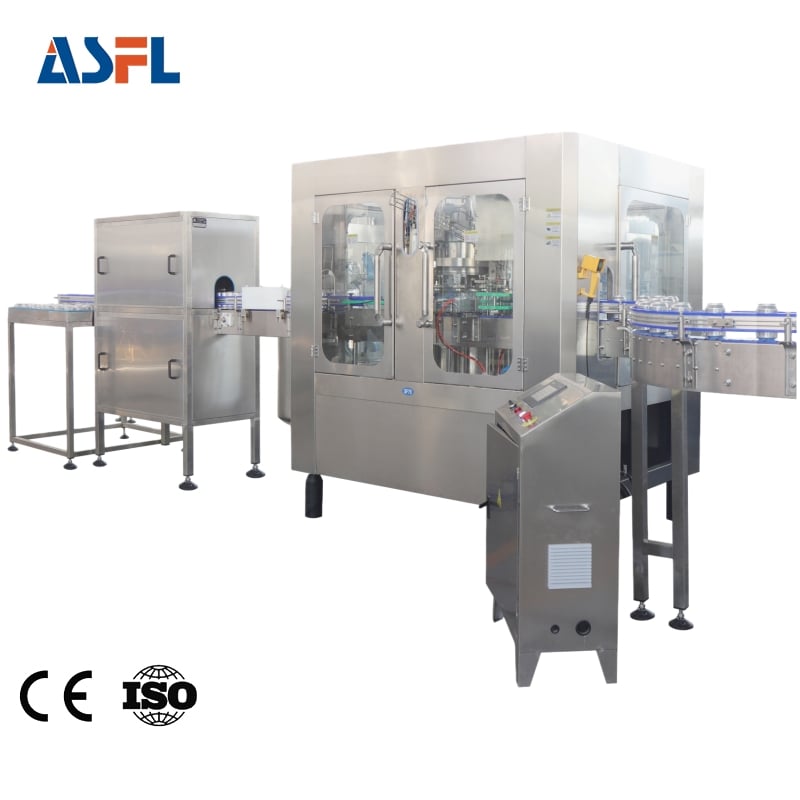
In high-speed carbonated beverage manufacturing, packaging efficiency and package reliability are inextricably linked to the mechanics of container closure. When producing carbonated soft drinks, colas, sparkling waters, or energy drinks, internal pressures can range from 2.5 to 4.0 bars due to dissolved carbon dioxide. When a container exits the filling bowl and enters the seaming station, the closure lid must hermetically seal the pressurized liquid instantly. If a soft drink canning machine lacks exact mechanical calibration during this critical phase, catastrophic seal failures, flat beverages, or exploding cans can occur along the distribution chain.
Maintaining exact mechanical tolerances is not just a matter of operational speed; it is the fundamental barrier protecting product quality and consumer safety. A modern soft drink canning machine relies heavily on calibrated seam pressure control to forge a flawless double seam without crushing the thin aluminum body wall or fracturing the end curl. At ACE-FILLING, our packaging systems integrate advanced electronic cam actuation and pneumatic pressure regulation, ensuring that every container manufactured meets rigorous international standards like FDA and ISO food contact guidelines.
The Physics of Carbonation and Seam Stress
Carbonated beverages exert continuous outward pressure against the walls and lid of an aluminum can. During the seaming operation, the first operation roll and the second operation roll must mechanically interlock the cover hook of the lid and the body hook of the container flange under immense downward and lateral forces.
When operating a high-speed soft drink canning machine, the seaming chuck holds the lid firmly in place while the first operation roll gently curves the curl of the lid around the flange of the can body. Immediately following this, the second operation roll flattens and compresses the interlocking metal layers, ironing out microscopic voids and activating the sealing compound pre-applied inside the end curl. If seam pressure control is uncalibrated or unstable, the resulting double seam will fail to counteract the internal gas pressure of the carbonated drink, leading to slow gas leakage, loss of carbonation, and premature product staling on retail shelves.
Consequences of Incorrect Seam Pressure Settings
Operating industrial beverage packaging equipment without strict mechanical feedback loops introduces severe manufacturing risks. Both excessive and insufficient pressure create distinct structural defects that compromise double seam integrity.
-
Excessive Seam Pressure Risks: If the cam pressure or roller force is set too high, the hardened steel rolls squeeze the metal layers past their elastic limit. This results in dangerous defects known as cut-overs or fractured seams, where the metal slices through itself, exposing the liquid to the outside environment and causing immediate line rejection.
-
Insufficient Seam Pressure Risks: Conversely, low roller force creates loose seams with inadequate overlap between the body hook and cover hook. Under ambient temperature fluctuations or warehouse stacking weight, these loose seals allow carbon dioxide to escape, turning carbonated soft drinks flat before they reach store shelves.
Implementing precise seam pressure control eliminates these production anomalies, ensuring uniform hermetic sealing across millions of consecutive operating cycles.
Parameter Comparison of Seam Pressure Settings
| Operational Parameter | Under-Pressure (Loose Seam) | Optimal Target Window | Over-Pressure (Cut-Over Risk) |
| First Operation Force | Below nominal mechanical spec | Balanced engineering tolerance | Exceeds metal fatigue threshold |
| Second Operation Force | Inadequate metal compression | Optimized compound activation | Extreme crushing force |
| Seam Overlap Percentage | Less than 40 percent | 45 to 60 percent verified | Distorted or sheared hook grain |
| Gas Retention Capability | High risk of CO2 gas leakage | 100 percent hermetic seal | Prone to stress cracking and leaks |
Technological Advances in Automated Pressure Regulation
Traditional mechanical cam-driven seaming turrets require manual shims and frequent wrench adjustments by skilled technicians to maintain pressure calibration. Modern engineering has revolutionized this process by integrating servo-driven and pneumatic feedback systems directly into the soft drink canning machine architecture.
-
Electronic Cam Profiles: Servo-controlled seaming heads replace traditional fixed mechanical cams. Plant operators can adjust roller force profiles directly from the touchscreen human-machine interface (HMI) without stopping production or dismantling the turret housing.
-
Dynamic Load Sensors: Integrated strain gauges monitor real-time pressure exerted by each seaming roll during every container cycle. If thermal expansion or mechanical wear causes pressure drift, the PLC automatically compensates or halts the line before defective cans are produced.
-
Integrated Clean-In-Place Compatibility: Because beverage packaging facilities require strict daily sanitation, automated pressure-regulating assemblies are constructed from food-grade stainless steel (AISI 316L) equipped with hygienic seals, preventing caustic CIP chemicals from degrading internal pneumatic actuators.
Quality Assurance Protocols and Routine Testing Workflows
Achieving sustained packaging excellence requires pairing advanced machinery with rigorous quality control procedures. Beverage plant technicians must pull sample cans at regular intervals throughout every production shift to verify double seam geometry.
-
Non-Destructive Micrometer Measurements: Technicians measure external seam thickness, seam length, and countersink depth using digital point micrometers to ensure roller clearance remains within strict tolerance bands.
-
Destructive Seam Scope Analysis: Sample cans are stripped using specialized nippers, and the internal hook structures are projected onto high-resolution optical video screens to calculate exact body hook overlap percentages and tightness ratings.
-
Pressure Testing Validation: Thermal shock water baths and pneumatic burst testers verify that the finished containers can withstand retail handling and internal carbonation pressure without structural compromise.
Sustaining Operational Excellence in Beverage Packaging
Investing in a high-performance soft drink canning machine equipped with active seam pressure control is essential for beverage brands scaling their production capabilities. By maintaining exact mechanical tolerances, eliminating micro-leaks, and preserving authentic product carbonation, manufacturers protect their brand reputation and ensure long-term profitability.
To explore advanced rotary seaming technologies, sanitary engineering specifications, and complete turnkey solutions for your production facility, explore our comprehensive range of



 Hot News








