 EN

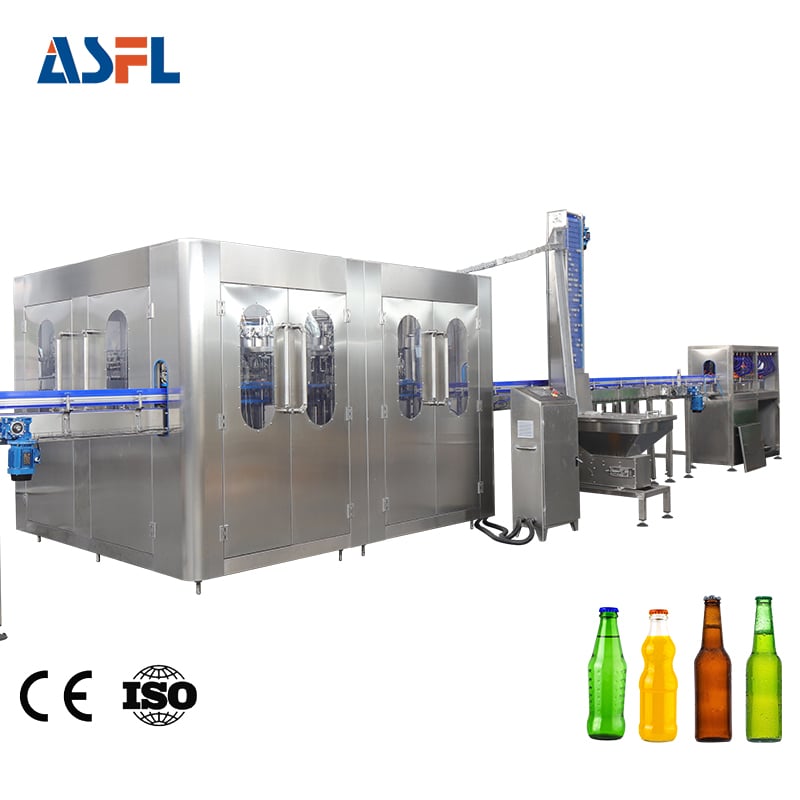
In commercial beverage manufacturing, container pre-treatment is the foundational safeguard that dictates final product purity, microbiological stability, and consumer safety. Unlike flexible plastic PET containers, heavy glass bottles present unique mechanical and thermal challenges during the washing and rinsing phase. Whether packaging premium spring water, purified mineral water, or sparkling beverages, deploying an efficient glass bottle water filling machine requires a meticulously engineered pre-rinsing station. If improper washing pressures or incompatible chemical agents are selected, residual glass micro-dust, manufacturing debris, or chemical sanitizers can contaminate the water batch, resulting in line rejections and severe quality failures.
Selecting the optimal bottle rinsing method depends on multiple variables, including container weight, neck finish configuration, production speed, and factory water availability. Modern beverage packaging facilities cannot rely on generic, one-size-fits-all washing protocols. Instead, plant engineers must analyze technical parameters such as water temperature differentials, nozzle spray dynamics, and dwell times. At ACE-FILLING, our packaging systems integrate customizable rotary rinsing turrets designed to support diverse operational demands while complying with strict international food safety frameworks like FDA and ISO hygienic standards.
Understanding Rinsing Mechanics in Glass Packaging Lines
The primary objective of the rinsing zone on a glass bottle water filling machine is to eliminate physical particulates, neutralize airborne microbial spores, and condition the internal glass surface before it encounters the filling valves. Because glass containers undergo annealing and cooling during manufacturing, inner walls frequently retain microscopic silica dust and carton residues.
To achieve thorough cleansing without causing container breakage, specialized mechanical grippers clasp the neck finish of each glass bottle, lifting and rotating the container 180 degrees into a downward-facing vertical orientation. Once inverted, precision spray nozzles penetrate the bottle neck to deliver targeted jets of washing fluid. Gravity then assists in draining loosened debris downward, ensuring that contaminants never re-enter the bottle cavity prior to sealing.
Comparative Analysis of Bottle Rinsing Technologies
Different water production facilities require specific washing protocols depending on source water quality and bottle reuse cycles. Evaluating alternative rinsing configurations ensures optimal operational performance.
-
Single-Stage Water Rinsing: Utilizes treated municipal water or RO water sprayed at ambient temperature. This is the standard method for single-use, newly manufactured glass bottles where gross particulate removal is the primary requirement.
-
Multi-Stage Sterilizing Rinsing: Combines an initial warm water pre-rinse with a secondary antimicrobial rinse (using ozonated water or dilute peracetic acid). This configuration is essential for returnable glass bottle (RGB) washing circuits where organic residues must be aggressively sanitized.
-
Air-Water Combined Rinsing: Integrates a sterile compressed air blast prior to water injection. High-pressure air dislodges stubborn glass fragments and paper dust, followed immediately by a water rinse to flush debris out of the container completely.
Parameter Comparison of Glass Bottle Rinsing Methods
| Rinsing Method Parameter | Single-Stage Water Flush | Multi-Stage Chemical Sanitizing | Air-Water Combined Rinsing |
| Primary Target Contaminant | Surface dust, light cardboard lint | Micro-organisms, organic residues | Glass shards, stubborn static dust |
| Water Consumption Rate | Moderate (1.2 to 1.8 L/bottle) | High (Recirculated & filtered) | Low water / High compressed air |
| Sanitization Efficacy | Mechanical particulate removal | High microbiological reduction | Superior particulate clearance |
| Ideal Bottle Application | New, single-use premium glass | Returnable glass bottles (RGB) | Heavyweight or custom-molded glass |
| Integration Complexity | Standard rotary valve setup | Advanced multi-tank filtration | Requires sterile air filtration skid |
Key Factors for Selecting the Optimal Rinsing Method
When engineering a new production line or retrofitting an existing glass bottle water filling machine, plant managers must evaluate several core operational criteria to determine the correct bottle rinsing method:
-
Container Thermal Shock Threshold: Glass is sensitive to sudden temperature shifts. If incoming wash water is significantly colder or hotter than the ambient glass temperature, micro-cracks or catastrophic shattering can occur on the rotary turret. Maintaining a controlled thermal window (typically within 5 degrees Celsius of room temperature) is vital.
-
Nozzle Technology and Spray Dynamics: Advanced rinsing nozzle technology utilizes non-contact injection tubes that extend deep into the bottle neck without touching the glass inner walls. This prevents mechanical wear and eliminates scratching risks.
-
Water Recovery and Filtration Systems: Sustainable water management is crucial for modern industrial plants. Utilizing multi-stage recovery tanks equipped with UV sterilizers and 0.2-micron membrane filters allows facilities to recycle rinsing water safely while minimizing overall utility expenses.
Quality Control Protocols and Operational Best Practices
Ensuring long-term packaging reliability requires embedding strict testing and maintenance protocols into daily plant operations. Technicians should regularly inspect mechanical neck grippers for pad wear, verify spray pressure gauge readings, and perform microbiological swab tests on rinse water discharge lines.
Furthermore, executing proper Clean-In-Place (CIP) cycles across all internal rinsing manifolds prevents biofilm accumulation and guarantees that the selected bottling sterilization process remains fully compliant with food safety regulations.
Achieving Long-Term Packaging Efficiency
Selecting the correct pre-treatment protocol directly influences downstream product quality, operational uptime, and brand reputation. By pairing robust mechanical design with advanced washing technology, beverage producers can eliminate contamination risks and maintain uncompromised product purity.
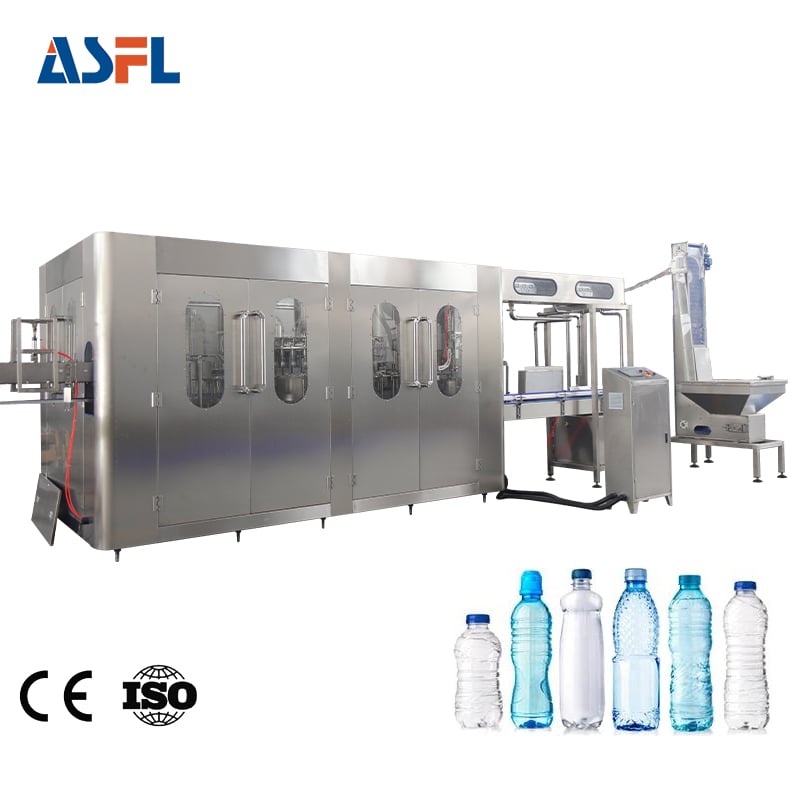
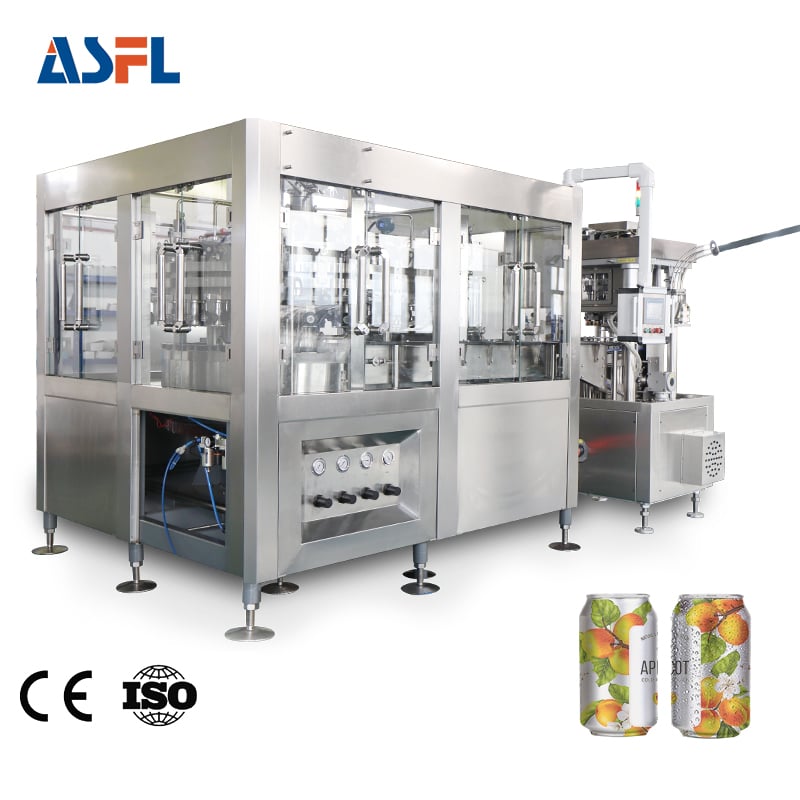
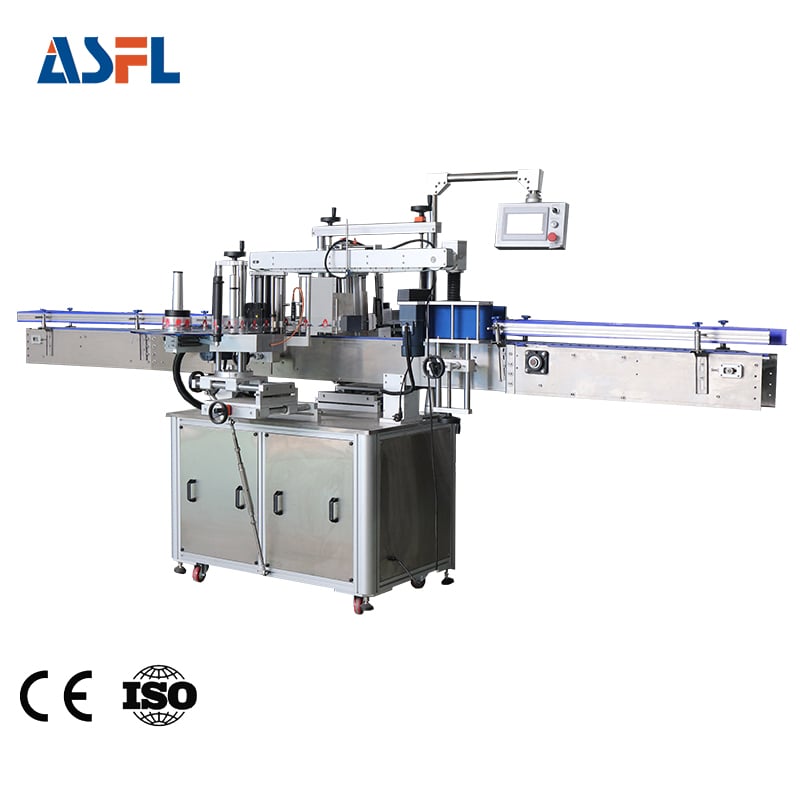
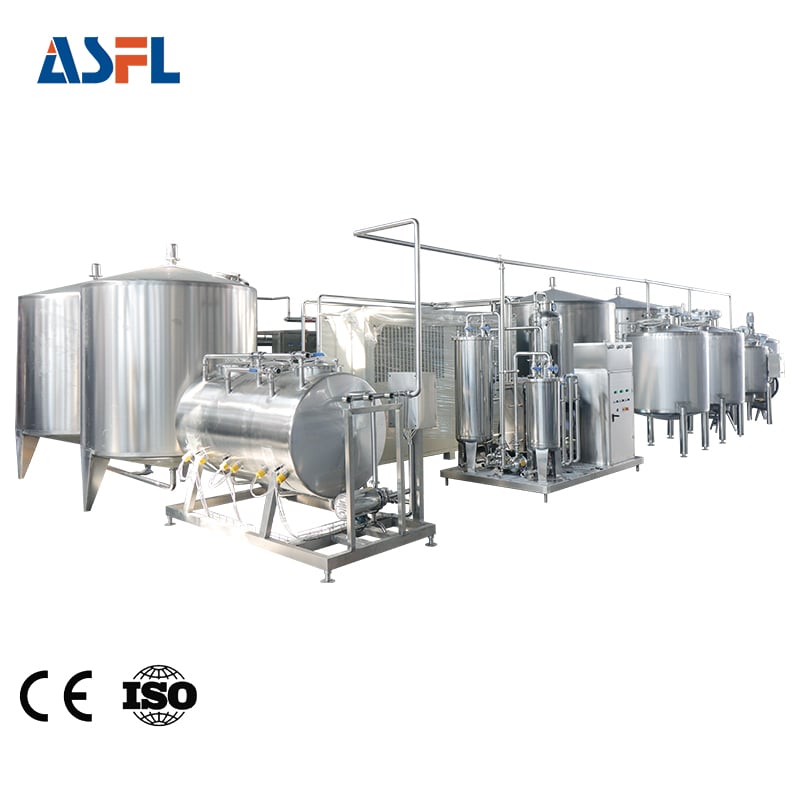
To explore customized machinery configurations, technical layout drawings, and complete turnkey solutions tailored to your production facility, explore our comprehensive range of
 Hot News








