 EN

Why Sanitize Mechanisms Are Essential in a Juice Bottle Filling and Sealing Machine
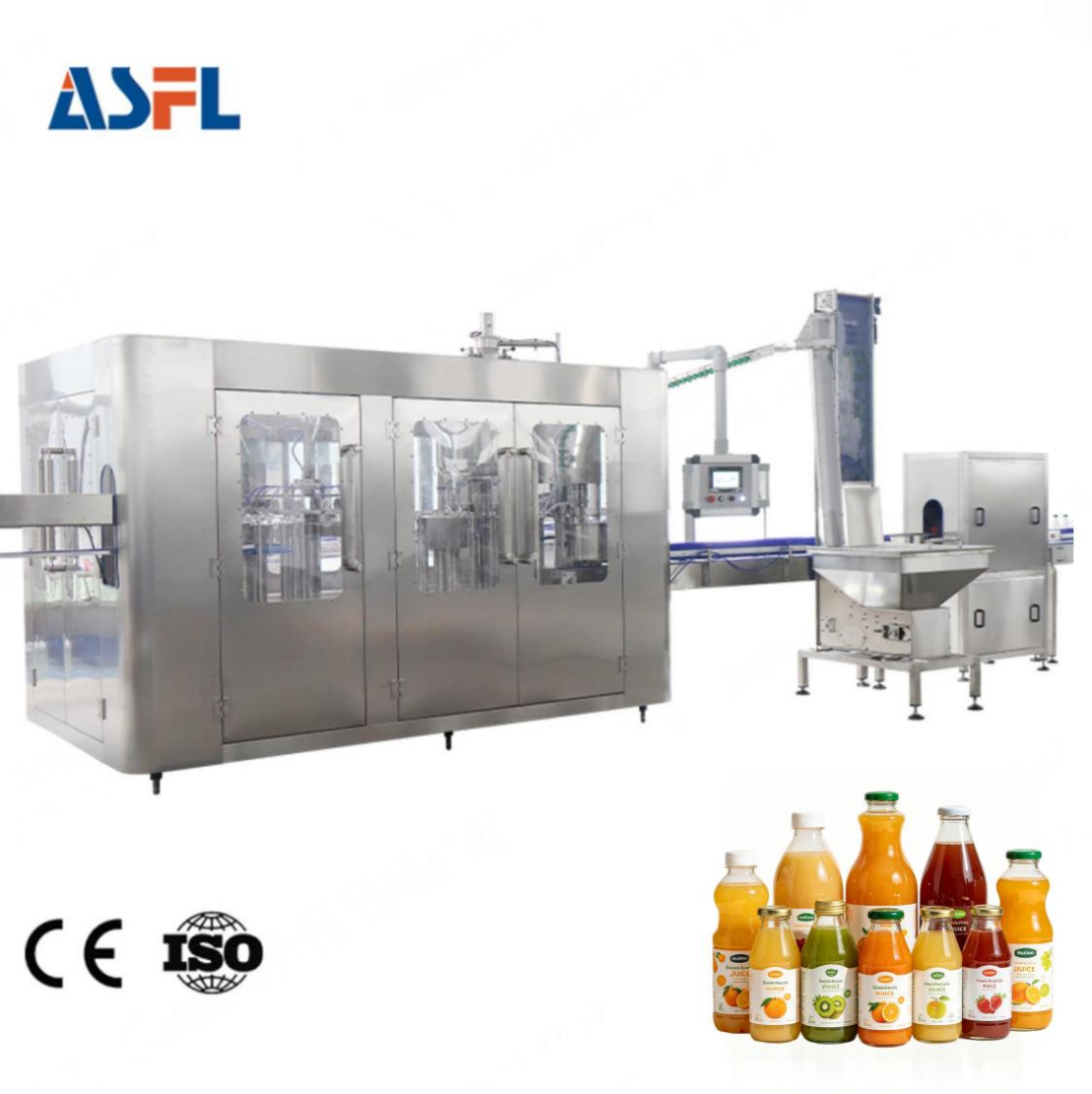
In commercial beverage manufacturing, high-acid fruit juices, natural nectars, and cold-pressed juice formulations are highly vulnerable to biological spoilage. Without robust sanitize mechanisms, microbial cross-contamination during the bottling process can destroy entire production batches, trigger costly product recalls, and harm brand reputation. A high-performance juice bottle filling and sealing machine relies on automated cleaning, thermal barrier isolation, and multi-stage rinse protocols to preserve liquid safety from liquid tank to sealed cap.
Understanding the critical role of automated sanitize mechanisms helps plant managers and process engineers optimize equipment uptime, maintain strictly compliant hot filling hygiene, and lower total cost of ownership across beverage lines.
The Biological Risks in Juice Bottling Operations
Fruit juices contain natural fructose, ascorbic acid, and organic solids that create an optimal breeding ground for acid-tolerant bacteria, yeasts, and mold spores. When juice flows through an automated juice bottle filling and sealing machine, any residual liquid trapped in valve seats, dead legs, or dynamic gaskets can harbor dangerous biofilms.
Traditional manual washing methods fail to eliminate resilient heat-resistant mold spores. Integrating advanced sanitize mechanisms directly into the filling architecture ensures that every contact point—including liquid holding tanks, dosing valves, filling nozzles, and capping chucks—undergoes continuous micro-sterilization. Implementing a modern CIP sanitation system automates recirculated chemical washing, steam sterilization, and hot water flushing without necessitating line teardowns.
Core Components of Modern Sanitize Mechanisms
To meet stringent food safety regulations like US FDA 21 CFR Part 110 and BRCGS global standards, an industrial juice bottle filling and sealing machine integrates specialized hardware components engineered specifically for automated sanitation.
-
Automated Clean-in-Place (CIP) & Sterilization-in-Place (SIP) Stations: A fully automated CIP sanitation system utilizes dedicated return channels, spray balls, and automated switching manifolds. During a CIP cycle, caustic wash strips organic pulp residues, followed by an acid rinse to neutralize inorganic scale. SIP routines then inject pressurized saturated steam through the filling manifolds to achieve full thermal sterilization.
-
Tri-Fluid Internal Bottle Rinsing Nozzles: Before juice enters the container, high-pressure rinsing turrets blast internal bottle surfaces with ozonated water, peracetic acid sanitizer solutions, or sterile ionized air. This step removes particulate dust and neutralizes airborne fungal spores prior to product contact.
-
Positive-Pressure Class 100 (ISO 5) Laminar Flow Enclosures: Airborne contamination poses a major threat during open filling operations. Modern hot filling hygiene protocols require HEPA-filtered positive-pressure airflow over the filling and capping turrets to prevent factory air, dust, and micro-particles from entering exposed bottle necks.
Technical Comparison: Standard vs. Advanced Sanitize Configurations
Selecting the right sanitary configuration directly impacts cleaning efficiency, water consumption, and batch changeover speed. The technical matrix below compares standard liquid filling platforms with advanced juice bottle filling and sealing machine designs built with integrated sanitize mechanisms.
| Technical Parameter | Standard Bottling Line Platform | ACE-FILLING Advanced Sanitize Platform |
|
CIP System Integration |
External / Manual Hookup |
Internal Automated Loop (CIP sanitation system) |
|
Product Contact Steel Grade |
AISI 304 Stainless Steel |
Premium AISI 316L Electro-polished Steel |
|
Surface Finish Roughness (Ra) |
Ra <= 0.8 micrometer |
Electro-polished Ra <= 0.4 micrometer |
|
Bottle Sterilization Method |
Water-only Single Flush |
Tri-stage (Sanitizer Solution + Sterile Water + Air) |
|
Air Enclosure Rating |
Open Frame / Basic Guarding |
ISO Class 5 HEPA Laminar Flow Canopy |
|
Sanitation Cycle Downtime |
90 to 120 Minutes |
30 to 45 Minutes (Fully Automated Routine) |
|
Hygienic Valve Design |
Standard Diaphragm / O-Ring |
Sanitary Non-contact Magnetic / Piston Valves |
By replacing standard manual washing methods with an automated CIP sanitation system, high-throughput beverage plants reduce water consumption by up to 35 percent while maintaining strict sanitary control.
Engineering Considerations for Hot Filling Hygiene
In hot fill operations (typically 85 degrees Celsius to 92 degrees Celsius), hot filling hygiene serves a dual purpose: pasteurizing the interior bottle container while maintaining absolute sanitary integrity along the filling valves. Thermal dynamics must be carefully balanced.
Key engineering considerations for maintaining sterile operation in hot filling lines include:
-
Continuous Product Recirculation: When the bottle transport line pauses, juice inside the filling bowl must continuously recirculate back to the pasteurizer heating loop. This prevents product stagnation, temperature drops, and microbial growth within the filling valves.
-
Steam Injected Cap Sterilization: Caps are fed through an automated UV sterilization tunnel and exposed to direct steam injection before placement. This process sterilizes the cap liner while creating a vacuum seal upon cooling.
-
Electro-polished 316L Contact Surfaces: All liquid routing pipes, valves, and manifolds feature electro-polished 316L stainless steel. This ultrasmooth surface finish prevents pulp fibers from adhering to internal walls, making automated sanitize mechanisms drastically more effective.
For a comprehensive overview of complete bottling architectures, explore our primary guide on Juice Tea Hot Filling Machine, which details line layouts, capacity ranges, and thermal processing setups.
Real-World Case Study: Eliminating Batch Contamination
A commercial citrus processor in Southeast Asia experienced periodic batch spoilage in their hot-filled PET juice line. Off-flavor development and package swelling resulted in a 4.2 percent batch loss rate, traced directly to residual mold spores lingering inside the filling valve seals during changeovers.
The processor upgraded their facility by installing an integrated juice bottle filling and sealing machine equipped with automated sanitize mechanisms and an ISO Class 5 HEPA enclosure from ACE-FILLING.
Results Achieved:
-
Spoilage Reduction: Unplanned product spoilage dropped from 4.2 percent to less than 0.01 percent within the first 90 days.
-
Cleaning Efficiency: Total CIP cycle time decreased from 110 minutes to just 35 minutes per shift.
-
Regulatory Compliance: The production facility passed direct FDA export inspection and achieved BRCGS AA-level food safety certification.
Conclusion & Next Steps
Implementing advanced sanitize mechanisms in your beverage processing facility is essential to protect product purity, comply with international food safety standards, and prevent costly batch rejections. From automatic CIP sanitation system cycles to positive-pressure air filtration, dedicated sanitation technologies ensure long shelf life without relying on chemical preservatives.
To learn more about optimizing your beverage production facility, consult the engineering team at ACE-FILLING to evaluate custom sanitary bottling solutions tailored to your operational requirements.
 Hot News








