 EN

Technical Overview of High-Speed Bottling Scalability
Scaling a regional beverage brand into a national distributor requires overcoming a critical operational bottleneck: packaging speed and overall equipment effectiveness (OEE). While low-speed linear lines suffice for small-batch production, expanding consumer demand requires continuous high-volume output. Investing in a high speed water filling machine allows growing beverage enterprises to maximize bottle throughput, minimize unit operational costs, and satisfy strict retail supply chain commitments.
Evaluating high-speed rotary bottling platforms involves analyzing unit economics, microbiological hygiene, line automation balance, and long-term capital investment return.
Economic Math of High-Speed Bottling Operations
For an expanding bottled water company, margins depend heavily on volume, energy consumption per bottle, and raw material utilization. A low-speed linear filling setup operating at 2,000 to 4,000 bottles per hour (BPH) creates structural constraints that limit labor efficiency and total market reach.
| Operational Metric | Semi-Auto / Low-Speed Line | High Speed Bottling Line |
| Production Capacity | 3,000 BPH | 24,000 BPH |
| Labor Required (Shift) | 5-7 Operators | 2-3 Systems Operators |
| Labor Cost per 1k Units | High | Ultra-Low |
| Volumetric Filling Error | ± 1.5% - 2.0% | ± 0.2% - 0.5% |
| Overall Line OEE | 60% - 70% | 85% - 94% |
Transitioning to a high speed water filling machine capable of 12,000 to 36,000 BPH transforms your cost structure. By spreading fixed overhead—such as facility power, plant lighting, and supervisory labor—over millions of filled units, the direct packaging cost per bottle drops dramatically.
Core Engineering Features Behind High-Speed Water Lines
High throughput cannot come at the expense of liquid precision or bottle stability. Modern high-speed filling equipment achieves rapid cycle times through advanced mechanical and electronic integration.
Continuous Rotary Monoblock Architecture
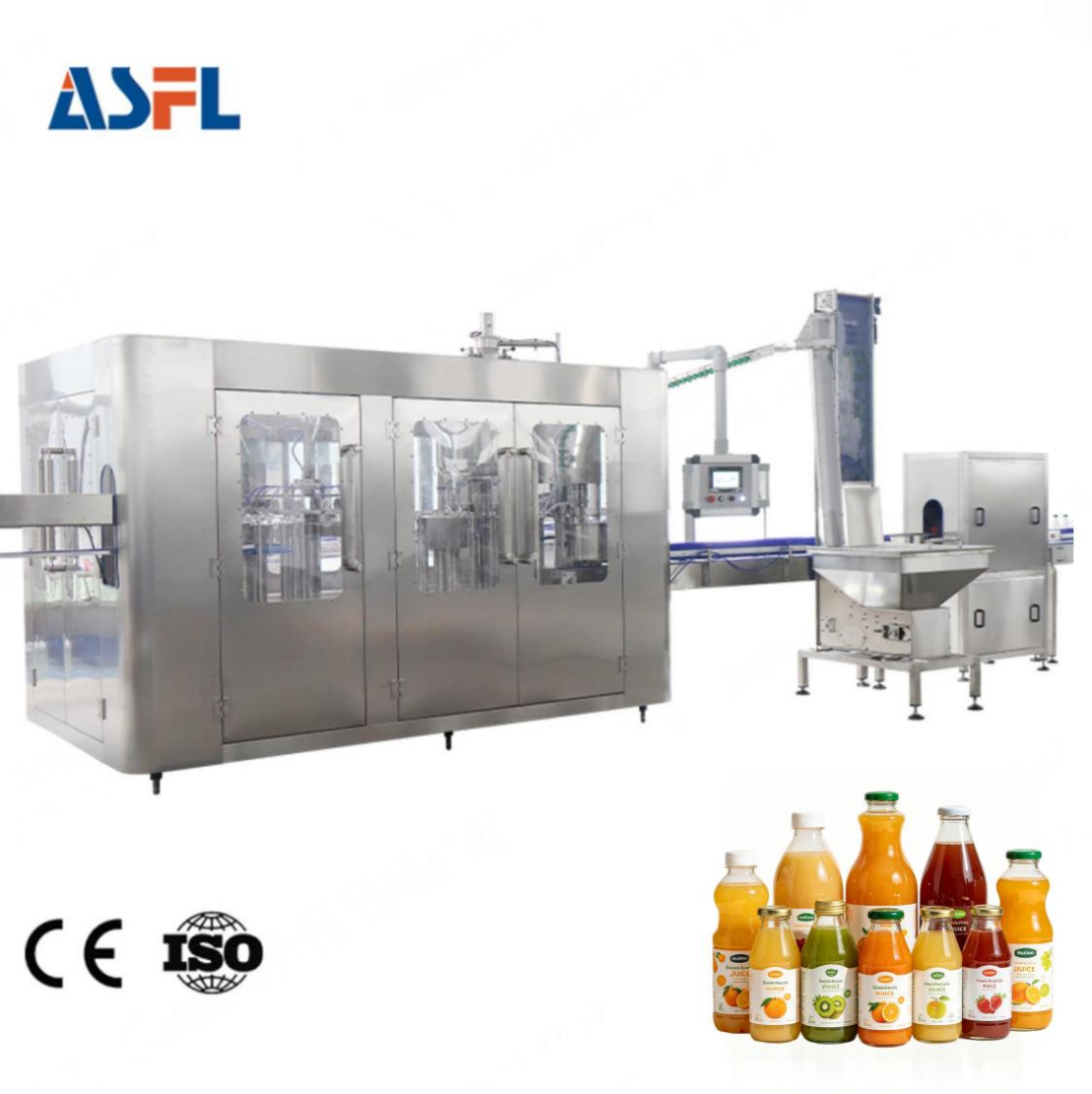
Linear fillers pause container movement during the liquid discharge phase, creating start-stop inertia that causes spillage at higher speeds. High-speed systems utilize continuous rotary monoblock architecture, seamlessly integrating bottle rinsing, filling, and capping on a single synchronized turret framework. This eliminates bottle collisions and stabilizes light-weighted PET containers moving at high peripheral speeds.
Contactless Dosing & Controlled Enclosures
Modern automatic lines replace mechanical spring-loaded valves with high-precision flow meter dosing or low-pressure gravity filling valves:
-
Electromagnetic / Mass Flow Meters: Measure precise liquid volume electronically without contacting the bottle finish, eliminating mechanical valve wear and achieving ±0.2% fill level precision.
-
Positive Pressure Clean Air Enclosures: HEPA-filtered cleanrooms (Class 100 / ISO 5) enclose the rotary carousel to maintain sterile bottling conditions during high-velocity liquid transfer.
Suspended Neck-Handling Starwheels
To process light-weighted PET bottles designed for environmental sustainability, a high speed water filling machine utilizes neck-suspension technology. Starwheels and guide rails support bottles under the neck ring rather than the body, preventing structural buckling when bottles pass through rapid rinsing, filling, and capping cycles.
Technical Comparison of Water Filling Technologies
Comparing mid-speed linear operations to advanced high-speed rotary water packaging systems:
| System Engineering Metric | Mid-Speed Linear Filler | Advanced High Speed Rotary Filler |
| Output Speed Range | 2,000 – 6,000 BPH | 12,000 – 48,000 BPH |
| Dosing Control | Mechanical Level Piston / Gravity | Contactless Flow Meter / Electro-Pneumatic |
| Changeover Time | 45 – 90 Minutes (Manual setup) | 10 – 20 Minutes (Toolless quick-change parts) |
| Hygienic Standard | Standard Covered Frame | ISO 5 HEPA Enclosure & CIP Automatic Cup |
| Capping Turret Type | Single-head Pneumatic | Multi-head Rotary Magnetic Hysteresis Clutch |
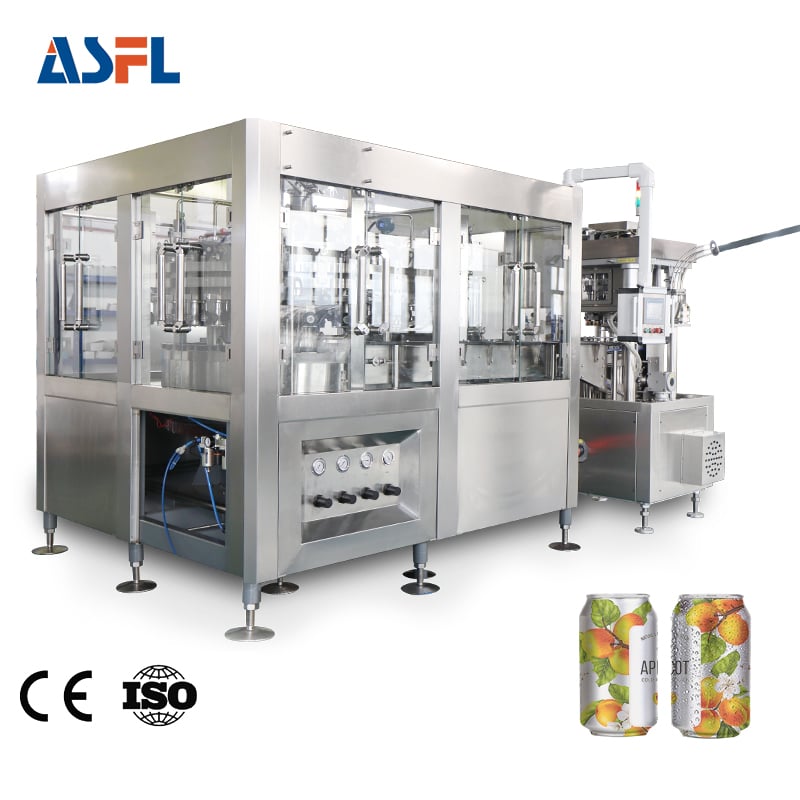
| Container Compatibility | Rigid PET / Glass | Light-weighted PET, Glass, & Aluminium |
Global Hygiene Standards & Quality Assurance
Speed must align with stringent food safety parameters. Expanding beverage brands face intense distributor audits and must comply with internationally recognized beverage manufacturing standards.
Integrating a high-performance high speed water filling machine ensures compliance across key global benchmarks:
-
FDA 21 CFR Part 129: Strict processing and bottling regulations for bottled drinking water, ensuring contact parts use AISI 304 or 316L stainless steel with surface roughness Ra < 0.8 µm.
-
ISO 22000 / FSSC 22000: Food Safety Management Systems compliance, requiring automated Clean-In-Place (CIP) circulation manifolds that sanitize internal liquid pathways without disassembling piping.
-
IBWA (International Bottled Water Association): Sanitary design guidelines enforcing touchless filling valves to prevent cross-contamination between container rims and filling heads.
Real-World Case Study: Bottling Line Expansion
A regional spring water enterprise faced severe stockouts during peak summer demand. Operating an aging 4,000 BPH linear packaging line, their plant suffered from frequent neck jam downtime and bottle fill height variations exceeding ±3mm.
Implementation Strategy
ACE-FILLING engineered and installed an integrated 3-in-1 monoblock high speed water filling machine rated at 18,000 BPH for 500ml PET bottles, featuring neck-handling starwheel transfer, automatic CIP dummy cups, and magnetic torque capping heads.
Production Results
-
Capacity Expansion: Daily production surged from 32,000 bottles per 8-hour shift to 135,000 bottles per shift.
-
Rejection Reduction: Fill height variation dropped under ±0.5mm, decreasing retail bottle rejection rates from 2.4% to less than 0.05%.
-
OEE Optimization: Line Overall Equipment Effectiveness rose from 62% to 91%, delivering full return on capital investment within 14 months.
Critical Pre-Investment Evaluation Checklist
Before finalizing your high-speed bottling line capital budget, audit your facility for the following operational prerequisites:
-
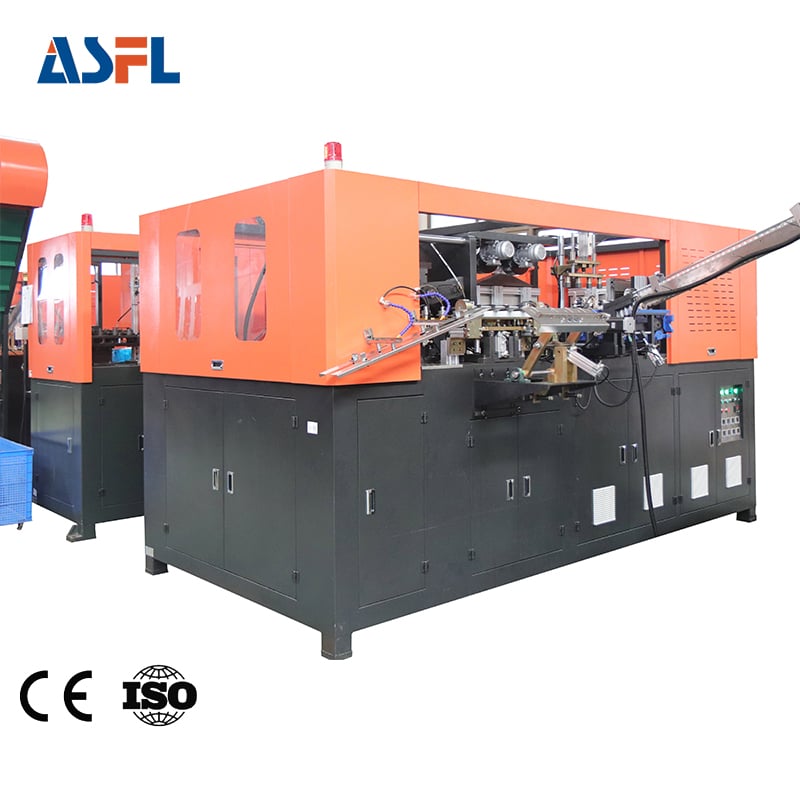
Upstream Blow Molding Integration: Ensure your PET stretch blow molding system can directly feed the high-speed filler via air conveyor to eliminate manual bottle feeding bottlenecks.
-
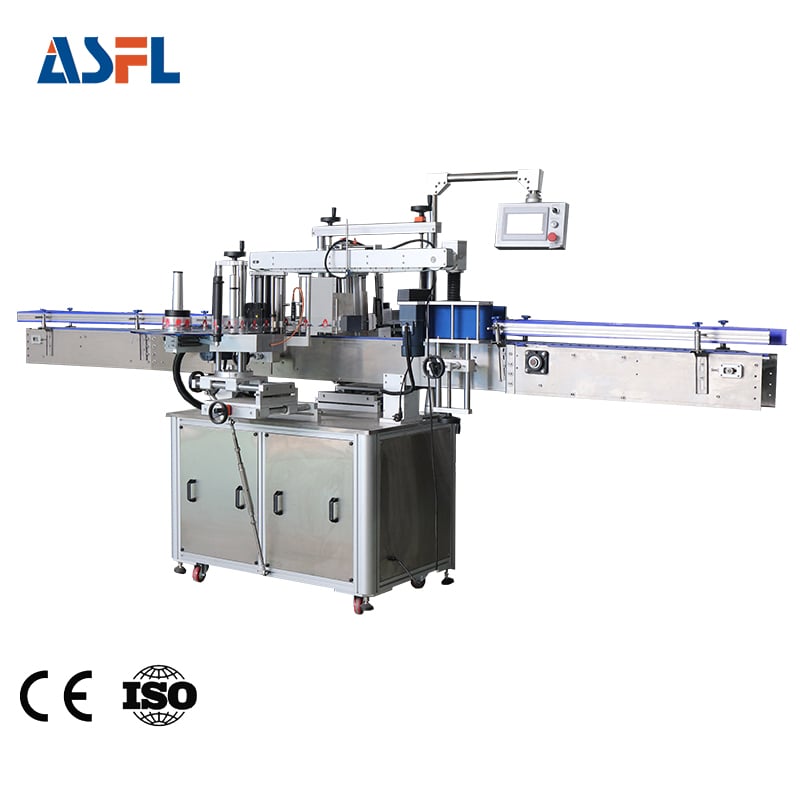
Downstream Automation Readiness: High-speed filling requires synchronized automatic labeling, shrink wrapping, and robotic palletizing to match output capacity.
-
Utilities & Water Supply: Confirm process water treatment plants (RO/Ozone/UV disinfection) can deliver purified water at continuous peak flow rate without pressure drops.
-
Maintenance Skills Training: Verify plant technicians receive certified operational training for PLC touchscreen diagnostics, servo torque adjustments, and hygienic CIP validation.
To explore customizable rotary monoblock configurations, high-capacity water lines, and technical layout designs, visit
 Hot News








