 EN

In beverage, pharmaceutical, and liquid packaging operations, maintaining microbial purity between liquid dosing, bottle sealing, and outer labeling is a major engineering challenge. Traditional standalone packaging layouts rely on exposed conveyor tracks between individual machines. This layout exposes open container necks to ambient air, particulate settling, and operator contact, significantly increasing biological and physical cross-contamination risks.
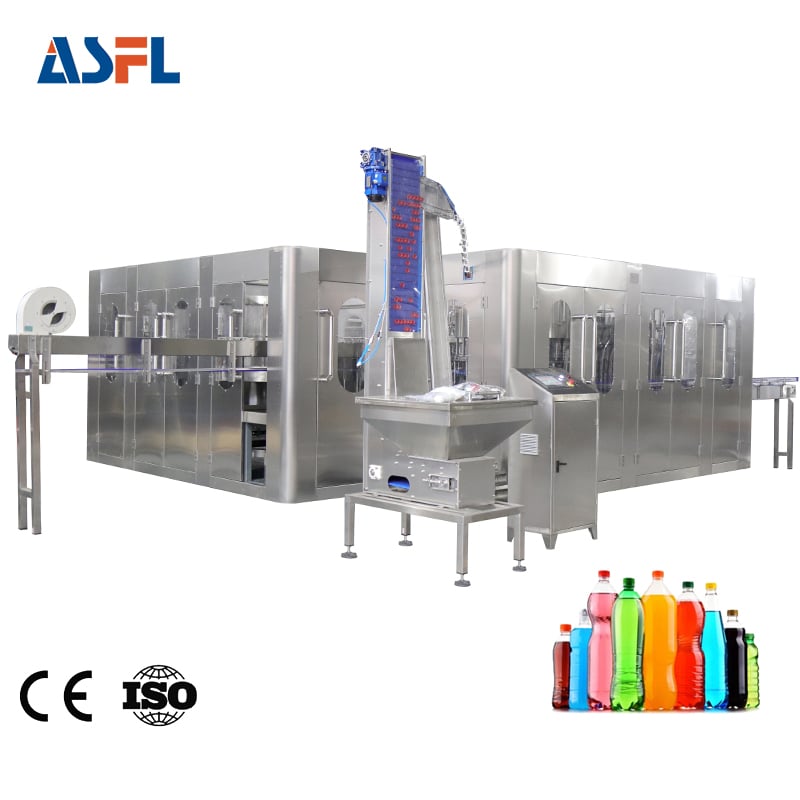
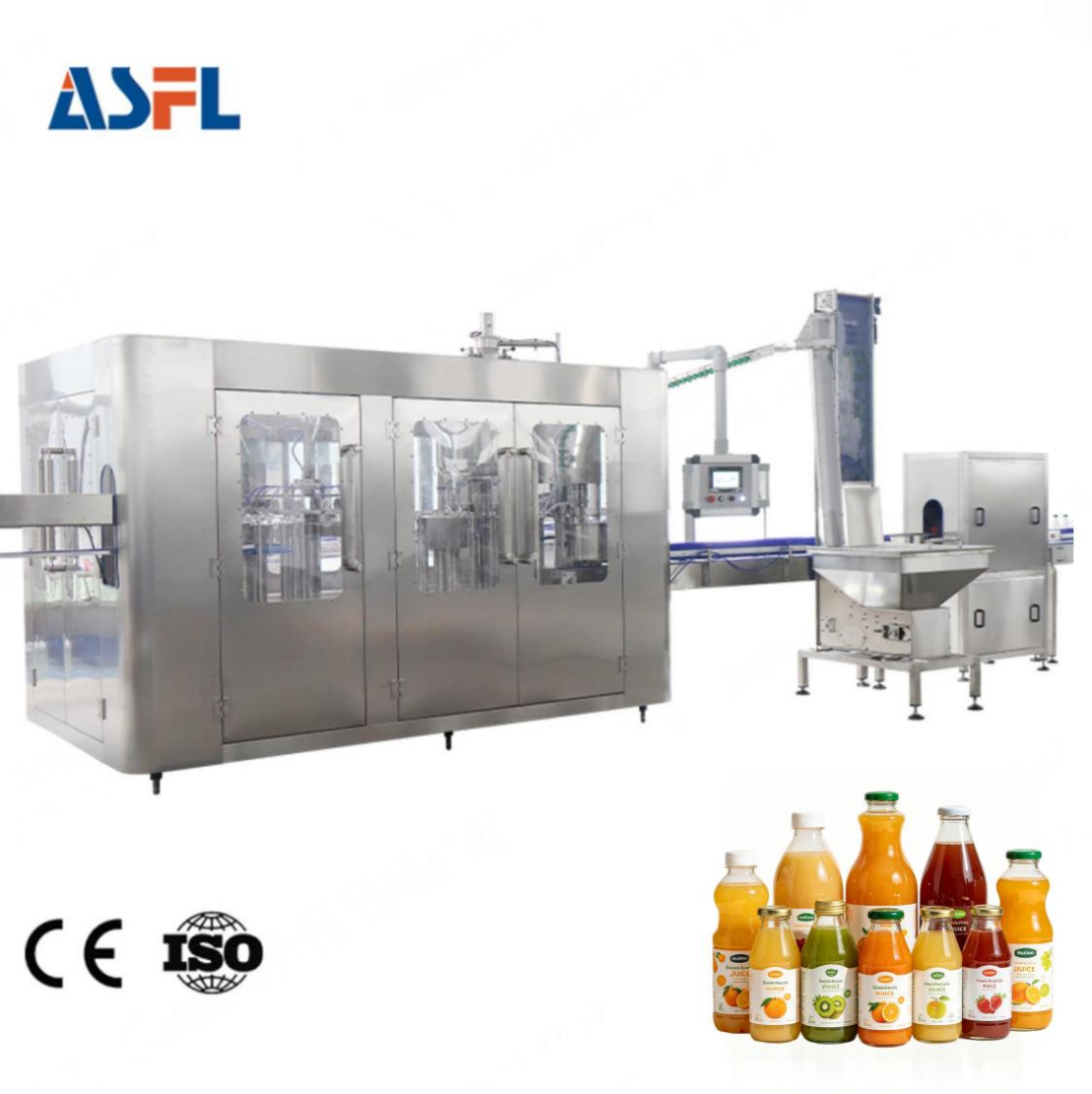
Adopting an integrated filling capping and labeling machine monoblock system eliminates open-air transport bottlenecks. By housing liquid rinsing, precise volumetric dosing, instant mechanical capping, and high-speed labeling within a continuous, enclosed hygienic boundary, modern packaging lines mitigate cross-contamination while maximizing overall equipment effectiveness (OEE).
Technical Mechanisms Reducing Cross-Contamination Risks
An integrated filling capping and labeling machine minimizes contamination vectors through structural isolation, mechanical synchronization, and controlled atmospheric environments.
1. Zero-Buffer Instant Neck Closure
The highest contamination risk occurs during the time gap between liquid dosing and closure application. In decoupled packaging setups, filled containers travel along open conveyors for 3 to 10 seconds before reaching the capping station.
An integrated filling capping and labeling machine utilizes synchronized starwheels that transfer filled bottles directly to the capping turret within milliseconds. This rapid transfer minimizes the exposure window of the liquid surface, blocking airborne micro-organisms, airborne mold spores, and factory dust particles.
2. ISO Class 5 HEPA Enclosure & Positive Pressure Isolators
Integrated monoblock frameworks enclose the rinsing, filling, and capping zones under a continuous stainless steel laminar hood equipped with High-Efficiency Particulate Air (HEPA/ULPA) filters.
-
Positive Air Pressure: The system maintains higher air pressure inside the filling enclosure than in the external factory floor, ensuring air flows outward to prevent untreated ambient air ingress.
-
Automated CIP/SIP Circulation: Sanitary electro-polished AISI 316L manifolds support closed-loop Clean-In-Place (CIP) and Sterilize-In-Place (SIP) cycles without opening machine guards or exposing liquid pathways to atmospheric contamination.
3. Touchless Container Handling & Downstream Labeling Isolation
Manual container adjustments introduce human microbial transfer. Integrated lines use continuous neck-handling starwheels and servo-driven transfer turrets. Containers pass directly into the labeling module only after being hermetically sealed by the capping head. Splashing during transit is eliminated, keeping the outer bottle surface dry and clean for label application without contaminating the product inside.
Architectural Comparison: Integrated Monoblock vs. Standalone Line
The table below contrasts operational and hygienic metrics between separate standalone machines and a fully integrated filling capping and labeling machine system:
| Performance & Hygiene Metric | Standalone Decoupled Line | Integrated Monoblock System |
| Open Container Exposure Time | 3.0 – 12.0 Seconds | < 0.3 Seconds (Instant sealing) |
| Cleanroom Classification | ISO Class 8 (Requires full cleanroom) | ISO Class 5 (Localized HEPA hood) |
| Contamination Rejection Rate | High (0.8% - 1.5% batch risk) | Ultra-Low (< 0.005% batch risk) |
| Footprint Requirements | Large (Requires long conveyor buffers) | Compact (Up to 45% floor space savings) |
| Changeover & Cleaning Time | 60 – 120 Minutes (Manual setup) | 15 – 30 Minutes (Automated CIP cups) |
| Label Application Surface | Risk of wet bottle surface contamination | Applied on fully sealed dry containers |
Transitioning to an integrated filling capping and labeling machine platform eliminates critical hygiene vulnerabilities while reducing physical plant space requirements.
Global Hygienic Compliance & Quality Standards
Deploying an integrated filling capping and labeling machine system helps beverage, chemical, and pharmaceutical processors meet strict regulatory standards during facility audits.
Core International Standards
-
FDA 21 CFR Part 117 & CGMP: Enforces sanitary design principles, touchless fluid transfers, and complete protection of food contact surfaces against environmental particulates.
-
EHEDG Guidelines (Doc 8 & 14): Mandates smooth internal surface finishes (Ra < 0.4 µm to 0.8 µm), self-draining geometries, and dead-leg-free valve construction to prevent biofilm formation.
-
ISO 22000 / FSSC 22000: Requires documented Hazard Analysis Critical Control Point (HACCP) monitoring along filling lines, backed by SCADA data logging for every filling, capping, and labeling batch.
Real-World Case Study: Dairy & Plant-Based Beverage Facility Upgrade
A commercial producer of pasteurized plant-based milk beverages experienced shelf-life reduction due to mold spore contamination during warm weather packaging runs. Their existing line used separate filling, capping, and labeling units connected by 15 meters of open tabletop chain conveyor.
Implementation Strategy
ACE-FILLING replaced the open setup with a fully enclosed monoblock filling capping and labeling machine featuring:
-
Integrated 3-in-1 rotary monoblock architecture operating under an ISO Class 5 HEPA laminar flow enclosure.
-
Direct starwheel transfer from non-contact electromagnetic flow meter filling valves to magnetic hysteresis torque capping heads.
-
In-line wrap-around labeling module positioned immediately downstream of the sealed capping station.
Quantitative Hygiene and Efficiency Gains
-
Microbial Contamination Rate: Spoilage rates dropped from 1.2% to less than 0.001%, extending product shelf life from 21 days to 45 days.
-
Line Footprint Optimization: Plant floor space utilization decreased by 40%, allowing room for an additional secondary packaging unit.
-
OEE Performance: Line efficiency surged from 68% to 93% due to the elimination of bottle tipping and conveyor jams.
Practical Pre-Purchase Checklist for System Engineers
Engineering teams specifying an integrated filling capping and labeling machine line should review this technical checklist prior to vendor selection:
-
Audit HEPA Air Velocity: Verify laminar airflow speeds inside the filling hood maintain stable positive pressure (0.45 m/s ± 20%) to prevent vortex turbulence.
-
Verify CIP Dummy Cup Automation: Ensure automated dummy cups seal filling nozzles completely during high-temperature CIP sanitization cycles.
-
Inspect Capping Torque Control: Check that capping heads feature magnetic hysteresis clutches or servo controls to prevent cap overtightening and seal deformation.
-
Evaluate Labeler Synchronization: Confirm the downstream labeling unit matches the exact linear speed of the capping outlet starwheel to prevent bottle backups and neck stress.
To explore custom monoblock designs, sterile line configurations, and integrated machinery specifications, visit




 Hot News








