EN
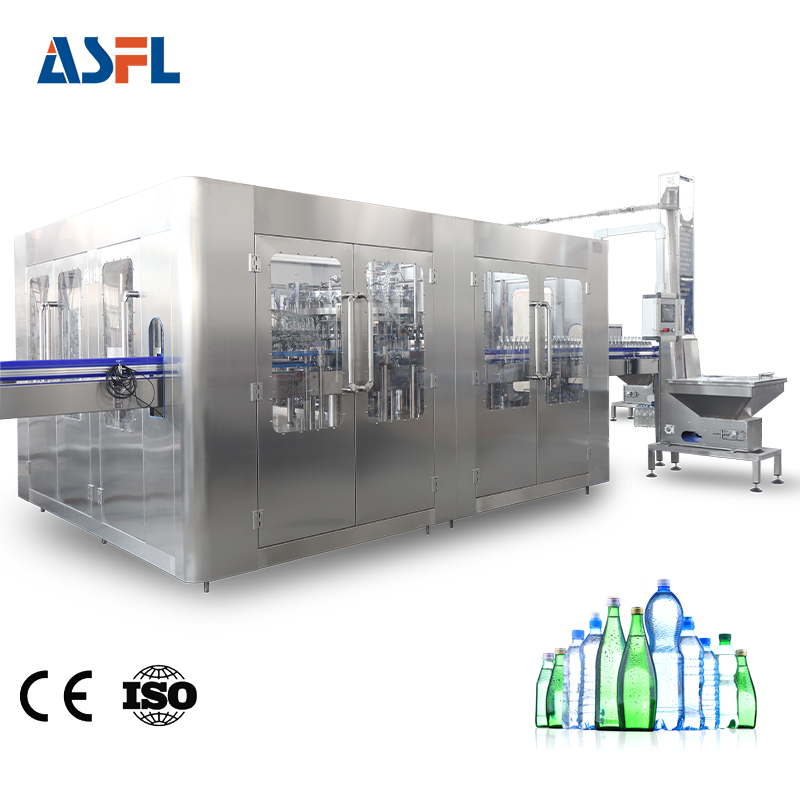
A pre-shipment test for a glass bottle filling and capping machine should show more than that motors run and bottles move. It should demonstrate, under agreed production conditions, that the machine fills consistently, applies closures correctly, rejects nonconforming containers, and can be handed over with useful records. For a glass bottle line, bottle handling deserves the same attention as filling and capping because variation in bottle height, base shape, neck finish, or conveyor transfer can change the result.
From a production-line engineering view, the practical question is not whether a glass bottle filling and capping machine can run briefly. The question is whether it can run a representative test batch with the agreed product, bottle, cap, speed, and operating sequence. The purchase specification should state the acceptance limits before the test begins. That keeps the factory acceptance test focused on evidence rather than opinions.
Start with an agreed factory acceptance test protocol
Before power is applied, prepare a protocol for the glass bottle filling and capping machine. List the bottle drawing or approved samples, closure type, liquid characteristics, target production rate, fill-volume tolerance, cap-performance method, inspection sample size, and acceptance decision. If actual product is unavailable, the substitute liquid and its limits should be documented; water may not reproduce foaming, viscosity, temperature, or cleaning behavior.
The protocol should also identify who witnesses the run, which instruments will be used, how samples are labelled, and what happens when a result falls outside the agreed range. An attribute-sampling plan, such as a plan agreed with reference to ISO 2859-1, can help organize visual checks. It does not replace the machine specification. The important point is to set the lot, sampling method, and acceptance rule before the run starts.
Test bottle infeed, alignment, and transfer
The equipment should be tested with the intended bottle format, not only an easy sample. Observe bottle separation, star-wheel or guide engagement, neck support, transfer into the filling zone, and discharge after capping. Look for scuffing, chipped finishes, unstable travel, bottle-to-bottle contact, jams, and any condition that changes bottle position.
Run both normal-speed and planned operating-speed trials. The goal is to see whether the bottle remains stable when line speed changes and when the conveyor has a short disturbance. Record the settings used. If several formats are in scope, conduct a changeover and verify that guides, height adjustments, recipes, and format parts are identified and repeatable.
Verify filling accuracy and product control
The central filling test is fill consistency. Take samples across the run rather than collecting consecutive bottles from a single moment. Measure by the method agreed for the product: net weight, volume, fill level, or another defined method. Record each sample, calculate the result against the stated tolerance, and retain enough information to trace a result to the test conditions.
Check for drips, stringing, splashing, foam, wet bottle exteriors, and irregular levels. These observations matter because a machine can meet an average fill result while producing bottles that create downstream handling or label-application issues. For carbonated, hot-filled, viscous, or foaming products, include the relevant temperature, pressure, product-feed, and dwell conditions in the record. A short test with an unsuitable liquid does not establish the same evidence.
Verify capping quality, not just cap presence
The capping section needs a closure test that matches the selected cap and product. Inspect cap presence, thread engagement, cap angle, visible damage, tamper-band condition where applicable, and seal appearance. Measure application torque or another agreed closure-performance measure using a documented sampling method and timing window. Cap behavior can shift after application, so the record should state when the measurement was taken.
Then examine filled, capped bottles for leakage using the project’s agreed method. Where practical, include a hold period or orientation test because a cap that looks acceptable immediately after application may show a different result later. Do not assign a universal torque target in a generic checklist; closure supplier guidance, bottle finish, cap design, liner, product, and transport conditions all affect the agreed target.
Challenge the inspection and reject functions
Run intentional, safe test samples through the line to verify the relevant inspection and rejection functions. Depending on the supplied configuration, these may include no-bottle/no-fill logic, low-fill detection, cap-presence detection, misapplied-cap detection, jam detection, and reject confirmation. Document each challenge, the expected response, the actual response, and whether the rejected item was reliably separated from good production.
Also verify count accuracy, alarm messages, interlocks, guards, emergency-stop functions, and restart behavior. The test should not rely on a single successful reject. Repeat the agreed challenges enough times to show that the response is consistent under the witnessed test conditions.
Confirm output with a sustained representative run
A nominal cycle rate is not the same as verified output. For the glass bottle filling and capping machine, run long enough to capture normal feeder replenishment, bottle accumulation, cap feeding, and minor operator interactions. Record start and stop times, good-bottle count, rejected-bottle count, planned speed, and causes of any stoppage. Separate planned pauses from unplanned interruptions so the result is useful for commissioning discussions.
This is also the time to observe whether filling, capping, and discharge remain synchronized. A line can appear fast at the filler while a transfer or cap-feed issue limits stable output. When an issue occurs, record it by process node rather than describing it only as a general machine problem.
Review cleanability, documentation, and handover evidence
Before shipment, inspect product-contact areas, drain points, access for cleaning, lubrication points, cable routing, and the completeness of manuals, electrical drawings, spare-parts lists, and format-part identification. If a cleaning sequence is included in scope, witness the agreed sequence and record its outcome. The review should distinguish a demonstrated function from an item that remains for site acceptance.
The final FAT package should include the approved protocol, completed test sheets, sample results, instrument identification, alarm and safety checks, punch-list items, photos where permitted, and signed disposition. Any deviation should state the owner, corrective action, and closure target rather than being hidden in a general comment.
A practical release decision
Release a glass bottle filling and capping machine only after the agreed tests have been reviewed against the purchase requirements. If all acceptance criteria are met, the records become a useful baseline for installation and site acceptance. If an item is open, decide whether it is corrected and re-tested before shipment or explicitly transferred to a controlled site-acceptance action. This disciplined approach gives both supplier and buyer a clearer handover and a more reliable starting point for commissioning.

 Hot News