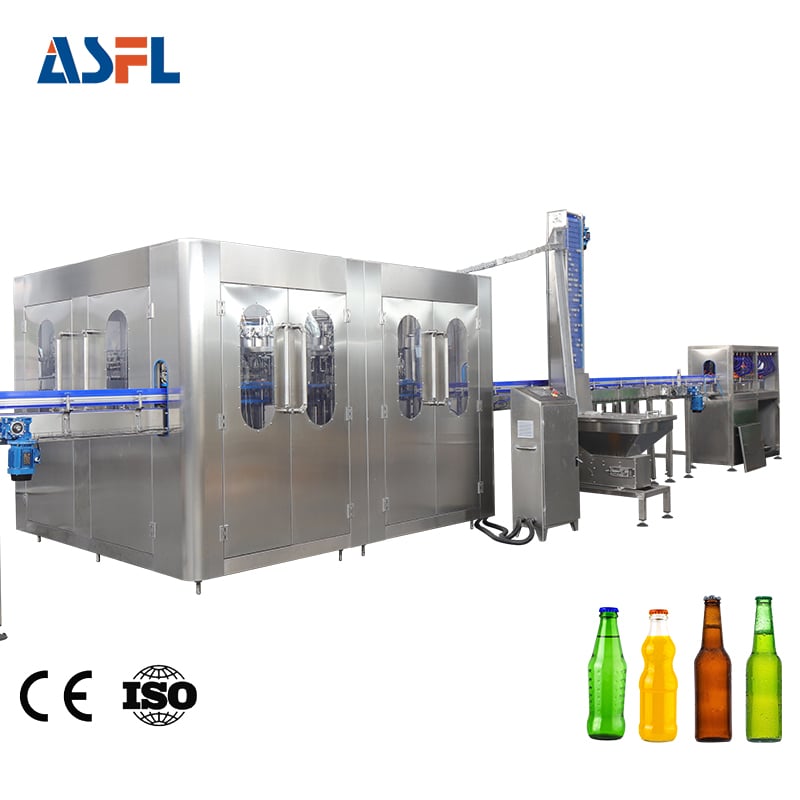
Passing a U.S. Food and Drug Administration (FDA) inspection or a FSMA Current Good Manufacturing Practice (CGMP) audit requires more than having clean stainless steel machinery on your plant floor. Inspectors demand a continuous, traceable paper trail proving that your liquid packaging line is designed, constructed, installed, and validated according to strict food safety protocols.
When sourcing equipment from a beverage filling machine manufacturer, securing a complete compliance documentation package is mandatory prior to line commissioning. Missing material test reports, unverified CIP sanitization protocols, or incomplete qualification logs can lead to 483 warning letters, delayed facility licensing, or costly operational shutdowns. This technical guide outlines the specific engineering and validation records you must obtain from your beverage filling machine manufacturer to guarantee seamless FDA audit sign-off.
Securing comprehensive compliance records from your beverage filling machine manufacturer requires auditing four distinct validation pillars prior to machine shipment and plant installation.
Under FDA 21 CFR Part 117 (CGMP for Food), all liquid contact components must be non-porous, corrosion-resistant, and inert under variable acid, sugar, and alcohol conditions. Your beverage filling machine manufacturer must supply full material traceability.
Mill Test Certificates (EN 10204 3.1): Stamped heat-number records matching raw stainless steel blocks (typically AISI 316L for wetted manifolds) directly to certified steel foundry lots, verifying surface roughness standards (Ra < 0.4 µm to 0.8 µm).
Elastomer & Polymer Compliance Declarations: Written certification that all seals, O-rings, gaskets, and flexible hoses comply strictly with FDA 21 CFR 177.2600 (rubber articles) and FDA 21 CFR 177.1550 (PTFE resins).
Food-Grade Lubrication Datasheets: NSF H1 registration certificates and Safety Data Sheets (SDS) for all greases used on seamer drives, capping spindles, and conveyor chains.
To satisfy FDA quality system requirements, your beverage filling machine manufacturer must execute and deliver a complete 4-Q validation package:
Factory Acceptance Test (FAT): Pre-shipment verification records documenting mechanical assembly, electrical wiring, dry runs, and initial dosing accuracy at rated speeds.
Site Acceptance Test (SAT): On-site verification confirming equipment survived transport without alignment shifts and integrates cleanly with utility hookups.
Installation Qualification (IQ): Detailed blueprints, P&ID schematics, electrical wiring diagrams, parts lists, and utility requirements verifying the machine was installed per engineering specifications.
Operational Qualification (OQ): Documented operational testing proving that temperature controls, CIP spray-ball coverage, emergency stop interlocks, and filling accuracy remain stable across upper and lower operating limits.
FDA inspectors scrutinize sanitization procedures to prevent bio-film buildup and cross-contamination. Request these operational protocols from your beverage filling machine manufacturer:
CIP/SIP Flow & Temperature Maps: Technical documentation verifying that automated CIP loops achieve turbulent liquid flow velocity (minimum 1.5 m/s to 2.0 m/s) across all filling valve channels.
Dead-Leg Engineering Schematics: Piping layout drawings demonstrating adherence to ASME BPE rules (keeping branch L/D ratios under 2.0) to eliminate stagnant liquid traps.
For automated bottling lines utilizing Programmable Logic Controllers (PLCs) and Supervisory Control and Data Acquisition (SCADA) systems, digital records must satisfy FDA 21 CFR Part 11 requirements.
Electronic Record Traceability: Verification that the control system logs every recipe change, operator login, CIP cycle time, and valve status in a secure, tamper-proof database.
User Authority Matrix: Functional description mapping access permissions across system operators, maintenance technicians, and quality managers.
The table below outlines the core document deliverables required from your beverage filling machine manufacturer before audit submission:
| Documentation Deliverable | Primary Content / Standard | Responsible Issuing Party | FDA Inspection Focus |
| Material Traceability Book | EN 10204 3.1 & FDA 21 CFR 177 declarations | Machine Manufacturer / Metallurgical Foundry | Chemical inertness & leaching prevention |
| IQ/OQ Execution Protocols | Step-by-step signed validation checklists | Vendor Field Engineers & Plant Team | Verification of operational limits |
| P&ID & ASME BPE Drawings | Piping schematics, slope angles, Ra finishes | Vendor Machinery Design Engineering | Cleanability & bio-film prevention |
| Part 11 Software Certificate | Automated audit trail & password validation | Controls Software Vendor | Data integrity & record security |
| User Operational Manual | Standard Operating Procedures (SOPs) & maintenance | Machine Manufacturer Technical Team | Operator safety & routine sanitization |
Requiring this structured package from your beverage filling machine manufacturer guarantees full preparedness during unannounced regulatory audits.
Obtaining certified documentation from your beverage filling machine manufacturer aligns your plant with international food safety and machinery safety standards.
FDA 21 CFR Part 117 (CGMP): Enforces sanitary design, equipment cleanability, and protection against foreign contamination in U.S. beverage production facilities.
EHEDG Guidelines (Doc 8 & Doc 14): Defines European standards for sanitary machine geometry, self-draining surfaces, and shadow-free welding.
ISO 22000 / FSSC 22000: Requires documented Hazard Analysis Critical Control Point (HACCP) verification records for all bottling, capping, and cleaning operations.
A regional juice co-packer expanding into high-acid beverage distribution faced a strict FDA plant registration audit to begin commercial supply. During preliminary reviews, quality auditors identified missing mill test reports for filling manifold valves and an unvalidated manual CIP process.
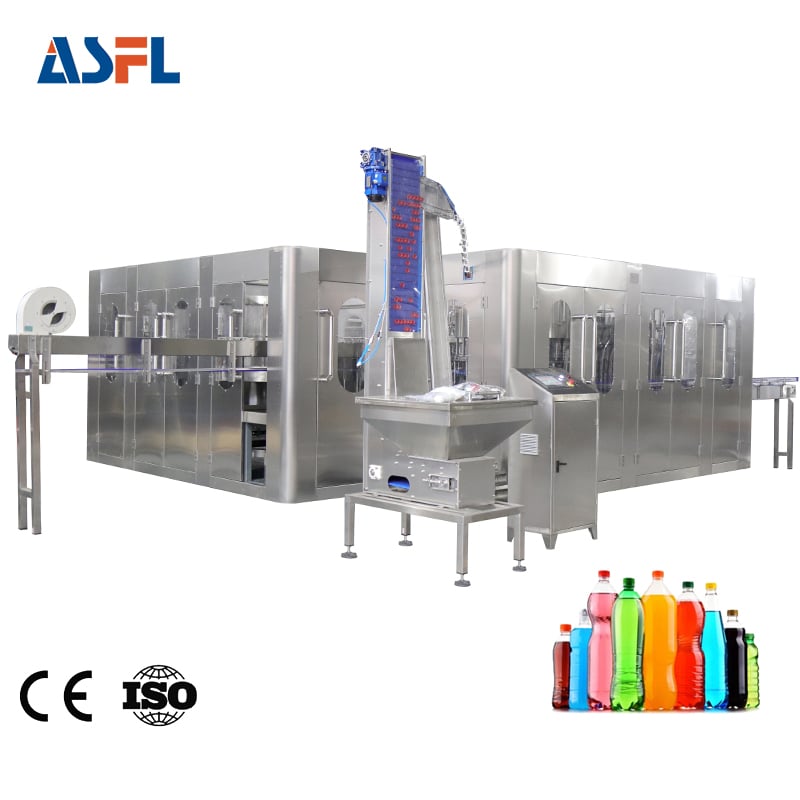
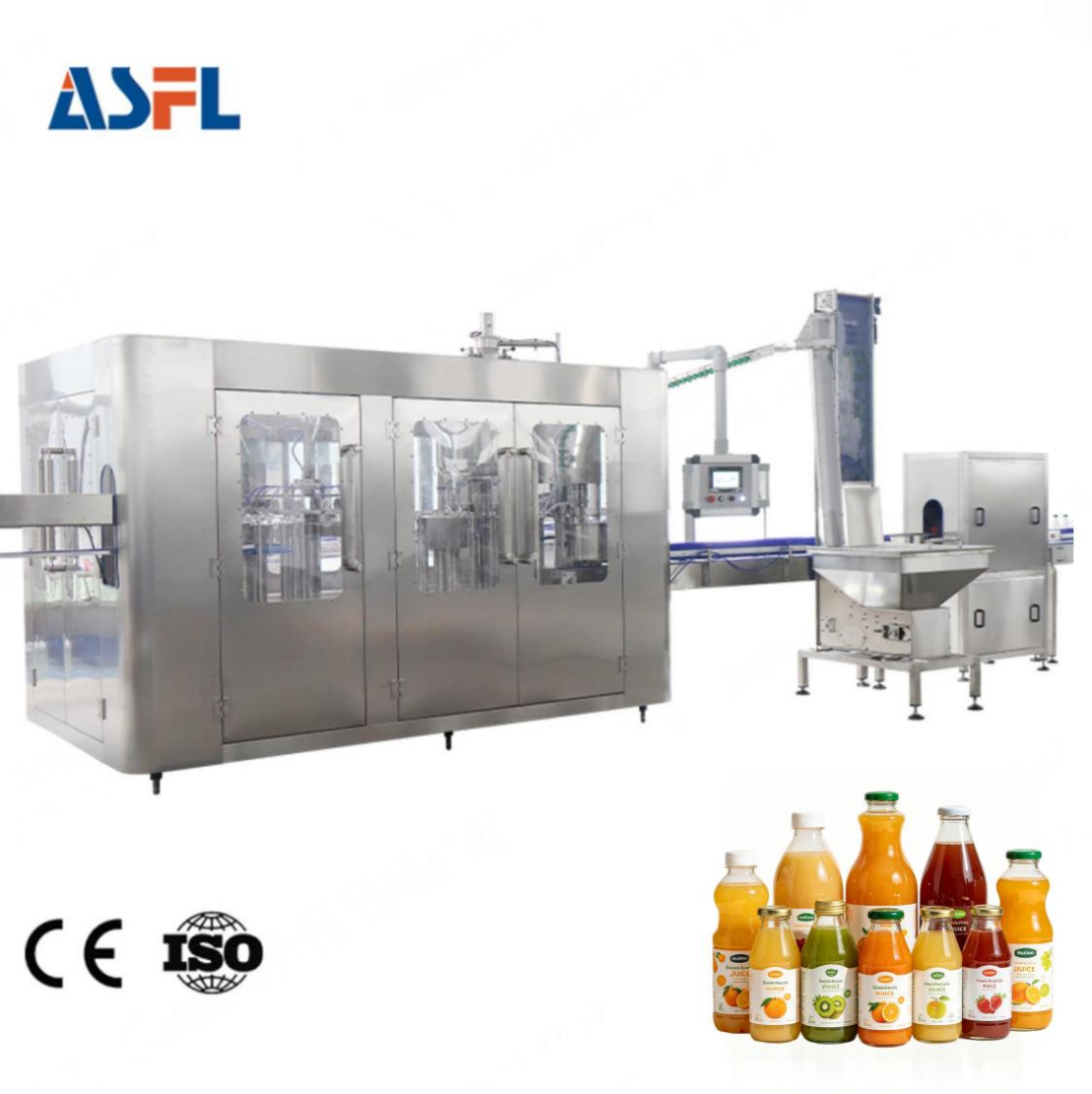
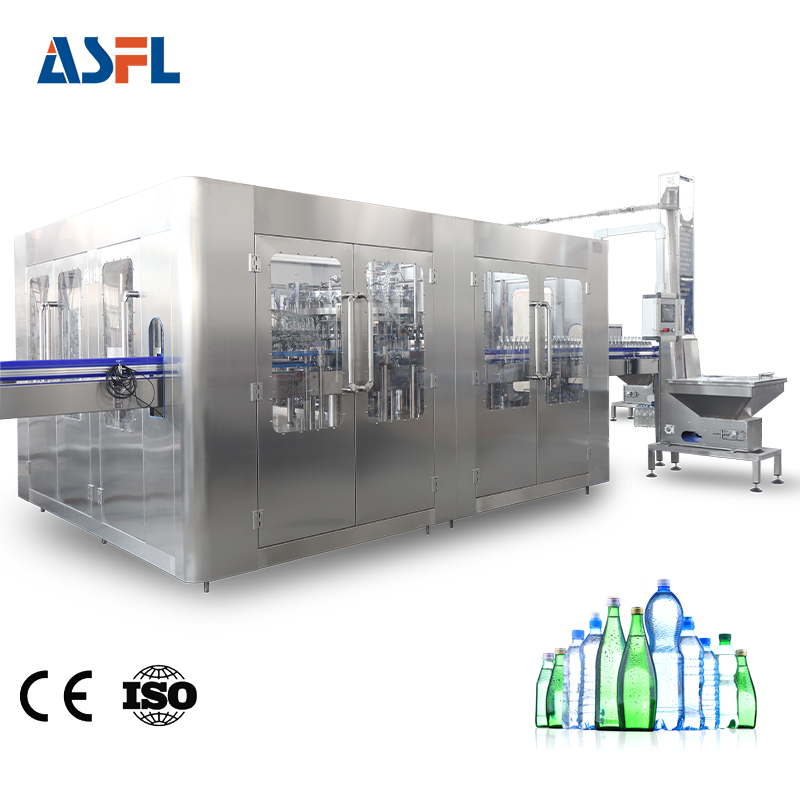
ACE-FILLING, acting as the primary beverage filling machine manufacturer, provided an upgraded monoblock filling platform alongside a complete, audit-ready compliance binder:
Supplied EN 10204 3.1 material certificates and FDA 21 CFR 177.2600 elastomer declarations for all wetted components.
Executed complete FAT and on-site IQ/OQ protocols, providing signed calibration logs for electro-magnetic flow meters.
Integrated automated CIP dummy cups connected to a SCADA system that generated Part 11-compliant electronic wash records.
FDA Audit Approval: The facility passed its formal FDA inspection with zero 483 observations recorded.
Validation Speed: Line qualification timeline was reduced by 6 weeks due to pre-packaged IQ/OQ protocols.
Batch Traceability: Achieved 100% digital batch auditing, securing long-term export supply contracts.
Before scheduling your formal FDA facility inspection, verify that your beverage filling machine manufacturer has supplied the following items:
Audit Wetted Part Certificates: Confirm every gasket, O-ring, valve seat, and manifold tube has a corresponding FDA compliance declaration on file.
Verify Signed IQ/OQ Protocols: Ensure all validation test steps are signed and dated by both vendor technicians and plant quality personnel.
Review Spare Parts Traceability: Confirm replacement seals and valves ordered from your beverage filling machine manufacturer maintain identical material grades.
Test Data Backup Controls: Audit the PLC control panel to verify historical batch logs and CIP wash data back up to secure off-site servers daily.
To review sanitary monoblock options, request FAT/SAT validation templates, or consult on FDA-compliant machinery specifications, visit
 Hot News
2026-11-20
2026-11-20
2026-11-20
2026-11-20
2026-11-19
2026-11-19
 EN