 EN

New intelligent technology is changing the way a soda water filling machine is specified, operated, and improved. The shift is not simply about adding a screen or connecting a machine to the internet. For a carbonated-water producer, useful intelligence links the condition of the soda water filling machine to decisions about fill consistency, carbonation handling, sanitation routines, downtime response, and traceable production records.
For operations teams, the practical question is: which functions produce evidence that helps people act sooner? A well-planned soda water filling machine should make abnormal conditions visible, give technicians usable context, and retain the records needed to review a batch or a shift. That is a more durable goal than buying automation for its own sake.
From isolated equipment to a connected process view
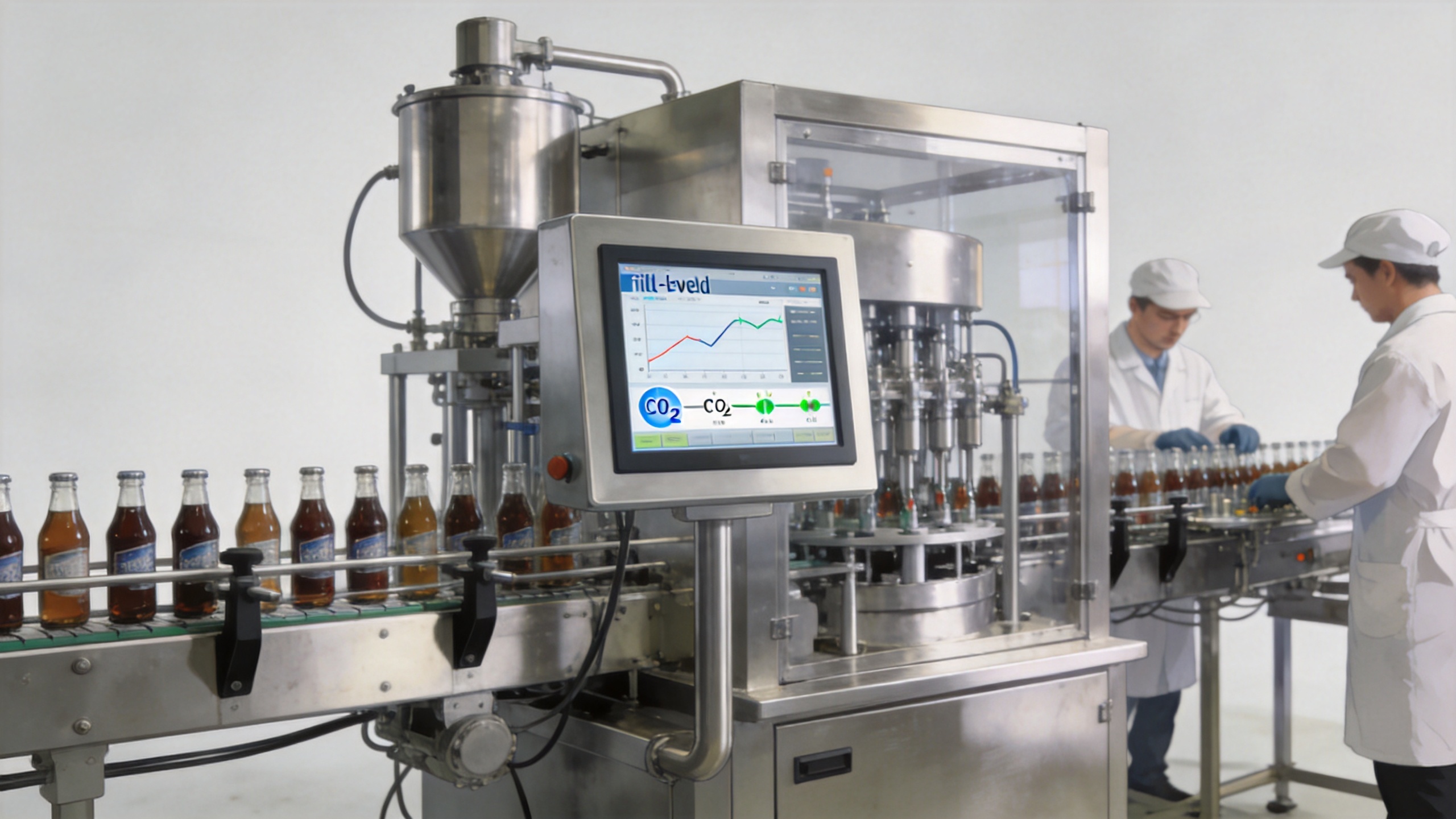
Traditional controls can run a filling sequence reliably, yet they often leave data inside separate stations. Intelligent controls can bring selected signals from rinsing, filling, capping, conveyors, and utility interfaces into one production view. On a soda water filling machine, that may include line speed, rejection events, alarms, recipe status, and operator actions.
The value is context. Instead of receiving a generic stoppage message, a supervisor can review when it occurred, what changed shortly before it, and whether the issue repeated after a format or recipe change. A connected soda water filling machine does not diagnose every problem by itself; it shortens the path from a symptom to a focused check.
What intelligent technology can change on the line
1. More disciplined recipe and changeover control
Carbonated products often involve different bottle formats, closures, carbonation targets, and production conditions. A soda water filling machine with role-based recipe handling can help ensure that an approved setting set is selected, recorded, and reviewed. This is useful when a team needs to compare performance across runs without relying solely on handwritten notes.
It still requires process ownership. Before using a recipe in routine production, the plant should define who approves it, how it is validated, and what happens when an operator needs to make a controlled adjustment. Digital recipes make a change easier to trace; they do not replace commissioning work.
2. Earlier response to process variation
Trend displays can help a soda water filling machine turn individual readings into a pattern. When fill-related checks, machine speed, or reject activity move outside the normal operating window, teams can investigate before a small drift becomes a longer interruption. The right window and response rule must be set by the producer for its product, container, and quality plan.
For carbonated drinks, CO2 handling is part of that wider process discipline. Beverage-industry guidance notes that gas purity and careful handling matter to beverage character and contamination control. Intelligent monitoring is most useful when it connects operating signals to defined checks rather than making unsupported quality promises.
3. Maintenance based on condition and history
When alarms, run hours, stoppage categories, and maintenance actions are recorded consistently, a soda water filling machine can support a more structured maintenance discussion. Teams can distinguish recurring faults from one-off events and plan inspections around actual operating history. The result is not automatic maintenance; it is a clearer basis for spare-parts planning, technician handovers, and service conversations.
Buyers should ask which signals are available, where they are stored, who can access them, and how long the records remain available. A data feature that cannot be understood or maintained on site may add complexity without improving the line.
4. Better production records and accountability
A soda water filling machine can also become a useful record point for batch and shift information. In food operations, regulations such as 21 CFR Part 117 illustrate the importance of current good manufacturing practice, hazard analysis, and risk-based preventive controls. The exact legal obligations depend on the facility and market, but the operational lesson is broad: records should support a real control plan, not become a separate administrative task.
For a producer, this may mean associating a production run with approved recipes, operator actions, key alarms, cleaning verification steps, and quality checks. The data model should be agreed with the site’s quality team before the soda water filling machine is installed or upgraded.
What remains unchanged: physical process discipline
Even a highly connected soda water filling machine still depends on sound mechanical setup, hygienic design, correct utilities, trained operators, and a realistic maintenance plan. Sensors need calibration. Cleaning procedures need verification. Container and closure supply variation still needs to be managed. Intelligence can make these activities easier to observe and document, but it cannot compensate for an unstable upstream process.
This matters when comparing an automated carbonated beverage filling machine or an aseptic carbonated beverage filling machine. The right configuration depends on product characteristics, target capacity, packaging format, sanitation requirements, and the controls the site is prepared to own. The conversation should begin with the process, then map technology to measurable decisions.
A procurement checklist for intelligent upgrades
- Define the operational decisions the soda water filling machine must support: quality checks, changeovers, maintenance, or reporting.
- List the signals needed for each decision and identify who will review them during a shift.
- Confirm how recipes, alarms, and access permissions are managed and backed up.
- Ask how the system handles data export, remote support boundaries, and local troubleshooting.
- Plan acceptance testing around the producer’s containers, beverage, utilities, and documented control requirements.
The practical change for beverage producers
The most meaningful change is that a soda water filling machine can become a source of usable operational evidence, not only a piece of production equipment. When the data points are selected around real tasks, teams can make faster, more consistent decisions about variation, maintenance, and traceability.
For manufacturers evaluating an automated water bottle filling machine or an aseptic water filling machine, the next step is to translate broad intelligent-technology claims into an acceptance checklist. Specify the process signals, records, responsibilities, and validation criteria that matter to your plant. That approach keeps the soda water filling machine aligned with the people and procedures that run it every day.
 Hot News








