 EN

Evaluating mechanical motion architecture is a fundamental decision when selecting a linear liquid filling machine or a high-speed rotary liquid filler for bottling operations. Linear systems index containers in a straight line along a stop-and-go conveyor, whereas rotary systems transfer bottles continuously using starwheels and a rotating center carousel. Understanding the structural dynamics, footprint requirements, container stability thresholds, and maintenance cost profiles of these two designs allows plant managers to choose the optimal automatic liquid filling equipment. Making the correct selection directly impacts production line speed, overall equipment effectiveness (OEE), and long-term operational profitability across diverse beverage, sauce, or pharmaceutical applications.
This technical comparative guide analyzes the engineering mechanics, speed thresholds, container versatility, and sanitary maintenance criteria separating linear and rotary filling systems.
Kinematics and Container Transfer Mechanisms
The fundamental distinction between a linear liquid filling machine and a rotary liquid filler lies in how containers enter, pause, and exit the dosing zone during operation.
-
Linear Motion Dynamics: In a straight-line system, containers arrive via conveyor and are held in position by pneumatic gating pins beneath a fixed valve manifold. Dosing occurs while containers remain completely stationary. Once filled, the gating pins release the batch, and new empty containers index forward. This intermittent start-stop motion limits speed but offers exceptional container versatility and low mechanical complexity in automatic liquid filling equipment.
-
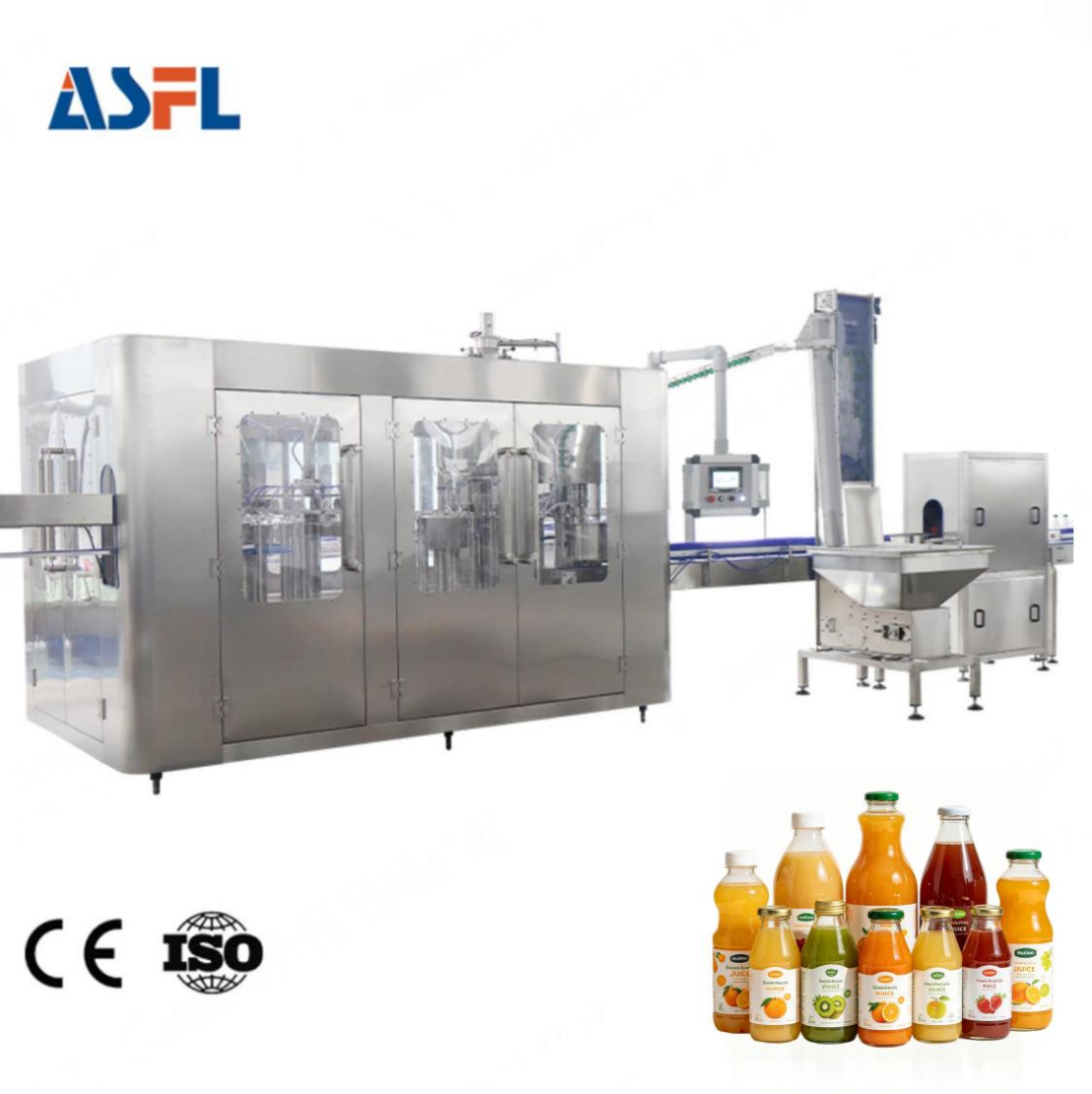
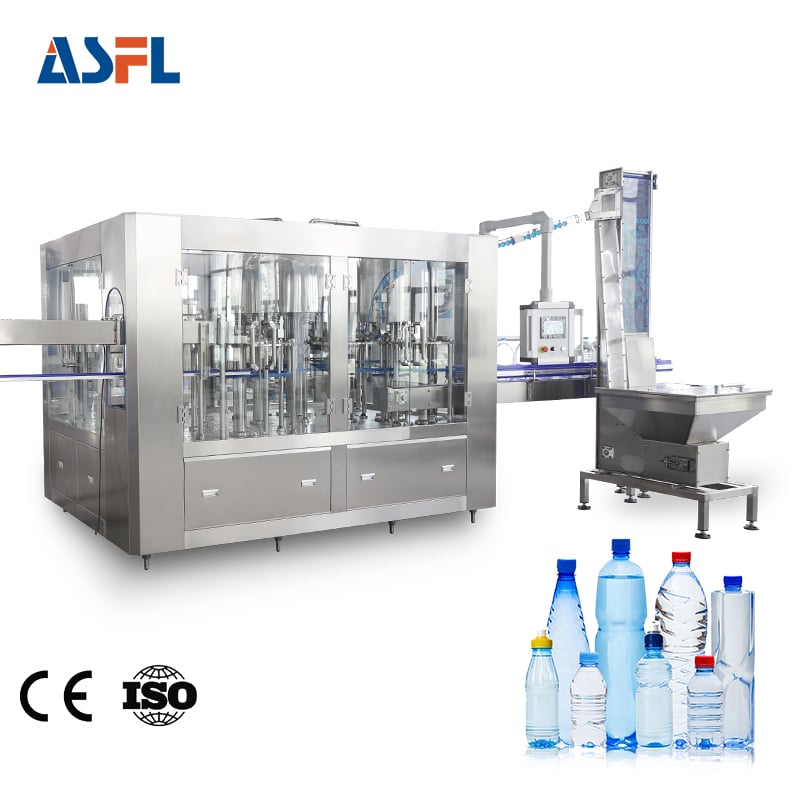
Rotary Continuous Motion Dynamics: A rotary system channels incoming containers into an infeed scroll screw and starwheel, pitching bottles into individual pockets on a continuously revolving filler bowl. Dosing happens while containers travel around the carousel pitch circle. Because fluid transfer occurs in smooth continuous motion without indexing pauses, a rotary liquid filler achieves significantly higher throughput speeds without sloshing or tipping unstable bottles.
For broader plant layout recommendations and multi-machine integration strategies, refer to our comprehensive [Liquid Packaging Line Pillar Guide].
Technical Performance Matrix: Linear vs. Rotary
Selecting between a linear liquid filling machine and a rotary liquid filler requires balancing production speed goals against capital expenditure, floor space availability, and changeover downtime.
| Engineering Metric | Linear Liquid Filling Machine | Rotary Liquid Filler |
| Output Speed Capacity | 1,000 to 6,000 Bottles/Hour | 6,000 to 48,000+ Bottles/Hour |
| Motion Profile | Intermittent Indexing (Stop-and-Go) | Continuous Rotary Motion |
| Floor Space Footprint | Elongated / Narrow Footprint | Compact / Circular Footprint |
| Container Changeover Time | 10 - 20 Minutes (Tool-less adjustments) | 30 - 60 Minutes (Requires change parts) |
| Dosing Technology Options | Piston, Peristaltic, Gravity, Flowmeter | Gravity, Isobaric, Flowmeter, Net Weight |
| Initial Capital Investment | Cost-Effective / Lower Entry Barrier | High-Speed Investment / Premium ROI |
When specifying automatic liquid filling equipment, matching the kinematics to daily batch volumes prevents over-investing in unused speed or causing downstream packaging bottlenecks.
EEAT Engineering Standards, CIP Compliance, and Quality Control
High-precision packaging machinery must conform to global food safety standards, including FDA Title 21 CFR, EHEDG sanitary guidelines, and ISO 22000 manufacturing standards. Both linear and rotary architectures engineered by ACE-FILLING strictly integrate food-grade metallurgical and mechanical quality protocols.
1. Sanitary Material Construction and Fluid Contact Parts
Whether operating a linear liquid filling machine or a high-capacity rotary liquid filler, all fluid-contact components are manufactured from certified food-grade SUS316L stainless steel. Surfaces undergo mechanical polishing to achieve Ra < 0.4 µm roughness, eliminating micro-cracks where bacteria or residual fruit pulp could accumulate during product runs.
2. Clean-In-Place (CIP) and Washdown Flexibility
Linear systems feature accessible valve manifolds, making them easy to clean manually or connect to semi-automated CIP loops. In contrast, advanced rotary automatic liquid filling equipment incorporates automated CIP manifolds with pneumatically actuated dummy cups. These cups automatically seal over the rotating nozzles, allowing high-velocity 85°C caustic wash solutions to sanitize internal fluid channels at 1.5 m/s fluid velocity without disassembling machine components.
3. Container Stability and Anti-Spill Fluid Control
At high filling speeds, liquid sloshing during sudden stopping motions causes fill-level variance and conveyor contamination. While a linear liquid filling machine uses soft-start servo conveyor drives to minimize fluid movement in wide-mouth jars, a rotary liquid filler eliminates sudden acceleration stops entirely. Smooth circular motion allows high-speed filling of narrow-neck glass and light PET bottles without liquid splash-out before downstream capping.
For specific equipment selection criteria tailored to viscous, high-pulp beverages, explore our detailed analysis on [What Key Factors Influence the Selection of a Juice Bottle Filling Machine].
Operational Pitfalls and Selection Criteria for Plant Managers
Choosing improper automatic liquid filling equipment can lead to operational bottlenecks, excessive changeover downtime, and elevated maintenance costs.
-
Frequent SKU and Container Format Swaps: Operations that run 10 to 15 different bottle shapes daily benefit from a linear liquid filling machine. Adjusting conveyor guide rails, nozzle pitch, and fill volumes on a linear platform requires minimal tool changeover, whereas a rotary machine requires changing starwheels, center guides, and neck-handling clamps for every distinct bottle diameter.
-
Floor Space Constraints vs. Throughput Demands: High-speed production lines requiring over 12,000 bottles per hour cannot physically deploy linear systems without creating excessively long, inefficient multi-lane indexing lines. A compact rotary liquid filler maximizes output per square meter of factory floor space.
-
Maintenance Complexity and Wear Components: Linear fillers utilize fewer rotary seals and gears, resulting in lower wear and simplified local maintenance. Rotary machines utilize central slip rings, rotary fluid distributors, and complex mechanical cams that require trained maintenance technicians and disciplined preventive lubrication routines.
Conclusion: Aligning Architecture with Production Scale
Deciding between a linear liquid filling machine and a high-speed rotary liquid filler depends on target production volume, container diversity, and available facility space. Linear systems offer unmatched agility, low capital entry costs, and rapid SKU changeovers ideal for small-to-medium packaging operations. Conversely, rotary automatic liquid filling equipment remains the industry standard for high-volume, continuous manufacturing environments where maximum speed, precise fill accuracy, and footprint efficiency are paramount. Selecting the right motion architecture ensures long-term operational reliability and maximum yield across your bottling plant.

 Hot News








