 EN

Buying beer bottling equipment is not simply a matter of comparing filler prices or choosing the highest stated output. For a brewery, the purchase affects carbonation retention, package appearance, cleaning routines, labor, and the way every upstream and downstream station works together. A useful purchasing conversation starts with the beer, bottle, production schedule, and validation plan—not with a catalog model.
This checklist is aimed at commercial breweries and growing beverage producers. It helps a buyer turn a broad beer bottling equipment request into questions a supplier can answer and a production team can test.
1. Buying capacity instead of stable line output
A stated bottles-per-hour figure is meaningful only when its conditions are clear. One supplier’s published beer bottle-line categories range from 3,000–6,000 bottles per hour to much higher bands, which illustrates why capacity labels alone are not a purchasing specification. Your actual output depends on bottle format, fill level, beer temperature, CO2 condition, cap supply, operator interventions, changeovers, and the pace of rinsing, labeling, and packing.
The mistake is selecting beer bottling equipment around a peak figure while overlooking the rate that can be maintained across a normal shift. Ask for a test plan that states bottle size, product condition, target speed, planned stops, and the criteria used to count acceptable bottles. Then check where accumulation and transfer occur. A filler can be fast while the full beer bottling line is limited by a capper, labeler, or conveyor transition.
2. Treating carbonated beer like a still beverage
Beer has different filling constraints from still drinks. Counter-pressure filling is commonly used because filling under controlled pressure can reduce carbonation loss. Temperature also matters: colder beer generally holds CO2 more readily and can reduce foaming during transfer. Those facts do not make one filling method right for every brewery; they show why product condition must be discussed before machine configuration.
Do not buy beer bottling equipment without defining the beer styles, carbonation range, delivery conditions, and acceptable foam behavior you expect to handle. Include a representative beer in the factory acceptance test where practical. Watch purge, pressurization, fill, snift or relief behavior, and capping as one sequence. If these settings are evaluated separately, an apparently good filler can still produce unstable results on the finished beer bottling line.
3. Assuming one bottle format means no changeover work
Even a brewery that starts with one glass bottle may add another size, neck finish, or label later. Bottle geometry, neck handling, infeed guides, star wheels, sensors, and discharge handling can all affect the fit. A low initial price can become costly if every change requires custom parts, lengthy adjustment, or a technician visit.
Before committing to beer bottling equipment, list the current package and the likely next two or three packages. Ask which change parts are needed, how they are identified, who performs the conversion, and how long the supplier expects it to take after training. More importantly, ask for a demonstration or documented sequence. “Quick changeover” should be broken into measurable steps rather than accepted as a broad promise.
4. Leaving cleaning and sanitation questions until commissioning
A purchasing team may inspect stainless surfaces yet miss the parts that determine day-to-day cleanability: product-contact paths, valve access, drainability, seals, dead zones, and the practical connection to the brewery’s cleaning process. Materials and surface finish matter, but so does whether the crew can reach, inspect, and reassemble routine service points consistently.
When comparing beer bottling equipment, ask the supplier to map the cleaning route and show which components require manual removal. Confirm what cleaning media, utilities, and time windows the configuration assumes. A machine that is difficult to prepare between runs can erase the value of a high nominal speed. Include cleaning verification and an operator maintenance walk-through in your acceptance criteria.
5. Comparing quotes without matching the scope
Two quotations for beer bottling equipment may describe very different projects. One may cover the filler and capper; another may include rinsing, conveyors, controls integration, installation support, training, spare parts, and change parts. Comparing the totals without a scope matrix can lead to surprise work after delivery.
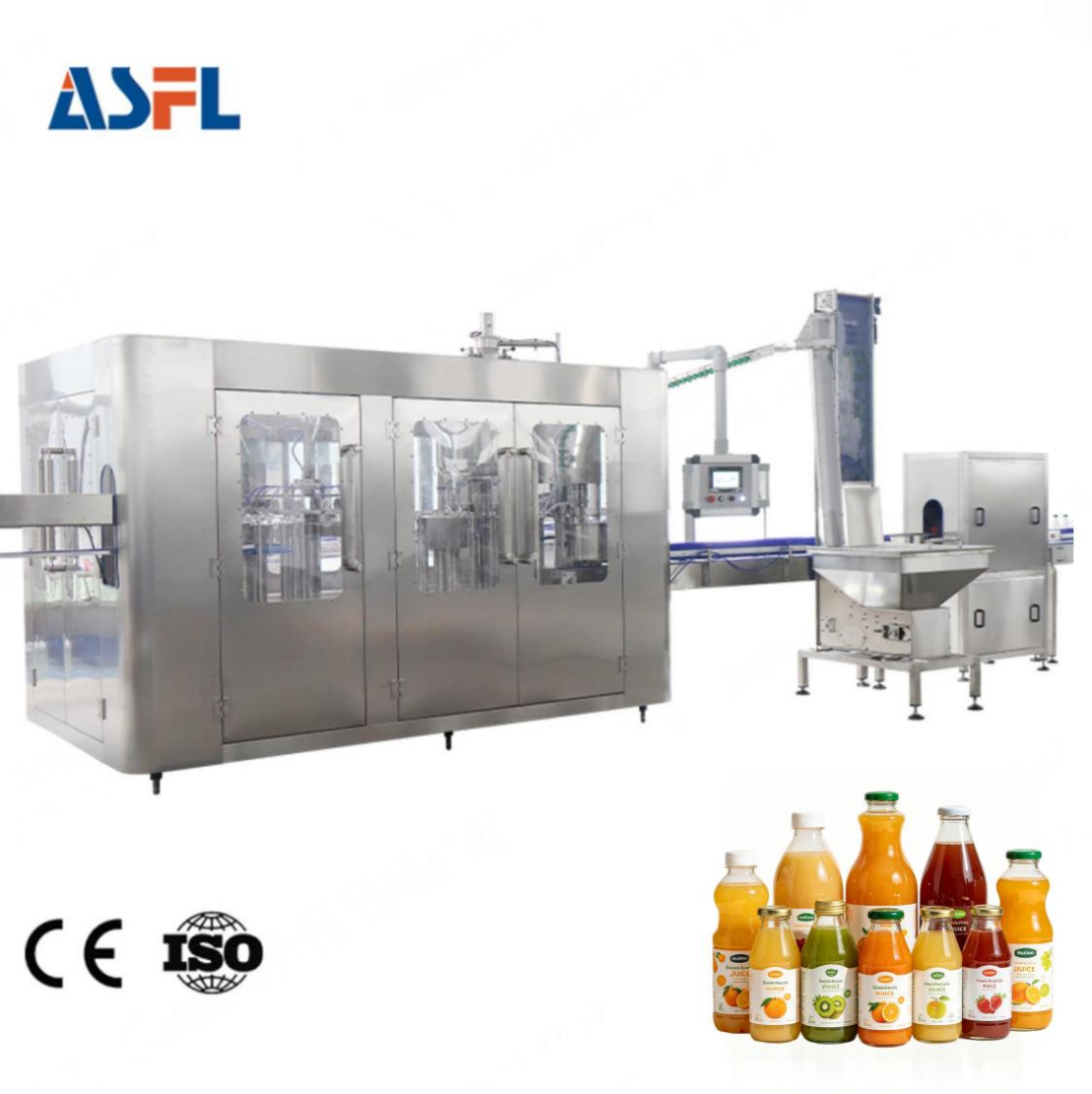
Build a line-by-line table with columns for included equipment, utilities, installation boundaries, documentation, commissioning support, recommended spares, and exclusions. Keep the package flow visible: bottle infeed, rinse or air treatment if used, filling, capping, inspection, labeling, date coding, packing, and discharge. That approach exposes where the proposed beer bottling line begins and ends.
6. Ignoring utilities, floor space, and access
Equipment layout is an operating decision, not just a drawing exercise. Compressed air, CO2, electrical supply, water, drainage, ventilation, floor loading, clearance around guards, and access for maintenance all affect whether the machine can be used as planned. Tight layouts may look efficient but can make cleaning, bottle changeovers, and fault recovery slower.
Share an accurate floor plan before ordering beer bottling equipment. Mark incoming and outgoing material paths, pallet movement, cleaning connections, operator positions, and the clearance needed to service valves or drives. Ask for the final utilities schedule and a layout review that includes your production and maintenance staff, not only the purchaser.
7. Skipping a written factory acceptance test
A factory acceptance test is the point where assumptions become observable. The mistake is arriving with no agreed test protocol and relying on a general demonstration. A better protocol names the bottle, closure, beer condition or approved substitute, target rate, acceptable leakage and appearance criteria, fill-level method, safety checks, and the documents to be handed over.
For beer bottling equipment, record exceptions during the test and assign an owner and due date for each one. If production conditions cannot be replicated at the factory, define what will be checked at site acceptance. This protects both buyer and supplier by turning expectations into a shared validation list.
8. Underestimating service, spares, and operator ownership
A machine is only useful when the brewery can keep it running. Ask how quickly wear parts can be identified and supplied, what preventive tasks are expected by shift, week, and month, and what troubleshooting information operators receive. Also clarify the escalation route for controls or mechanical questions.
The right beer bottling equipment package should match the maintenance capability you actually have. If staffing is lean, prioritize clear access, understandable alarms, documented changeovers, and a practical starter-spares list. A complex configuration can be appropriate, but only when its operating demands are visible before purchase.
A practical buying checklist
- Define beer styles, carbonation conditions, bottle formats, closures, and shift output.
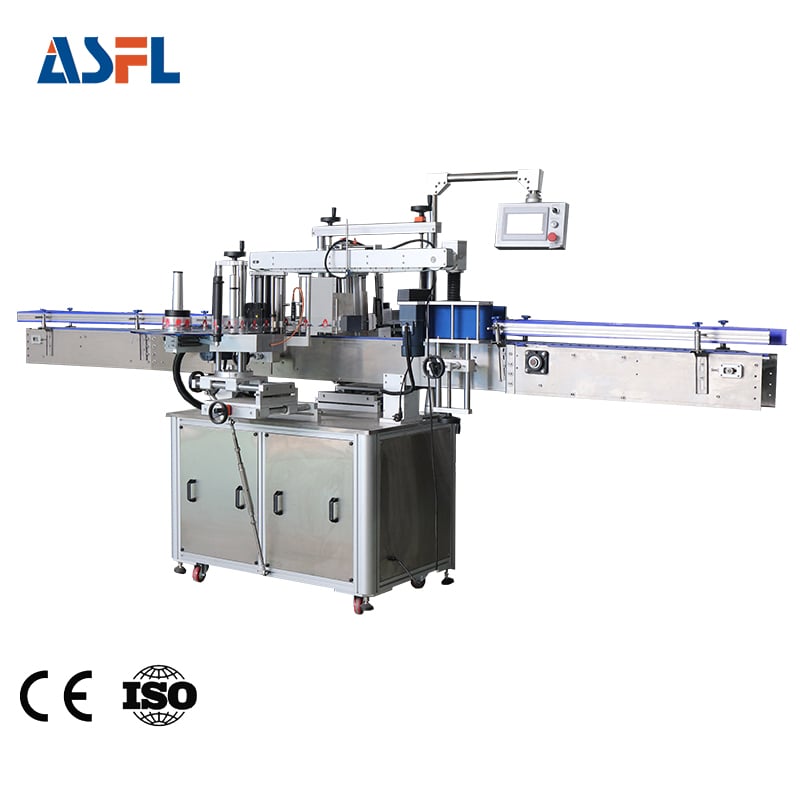
- Evaluate the whole beer bottling line, including infeed, capping, inspection, labeling, and packing interfaces.
- Request a scope matrix, utilities schedule, layout, and change-part list with the quotation.
- Agree on factory and site acceptance criteria before the order is released.
- Have operations and maintenance teams review cleaning access, service tasks, and training requirements.
A sound purchase of beer bottling equipment is based on verified operating conditions rather than headline speed or a short quote. A defined test, an honest scope comparison, and an integrated view of the beer bottling line give the project a clearer path from delivery to routine production.

 Hot News








