EN
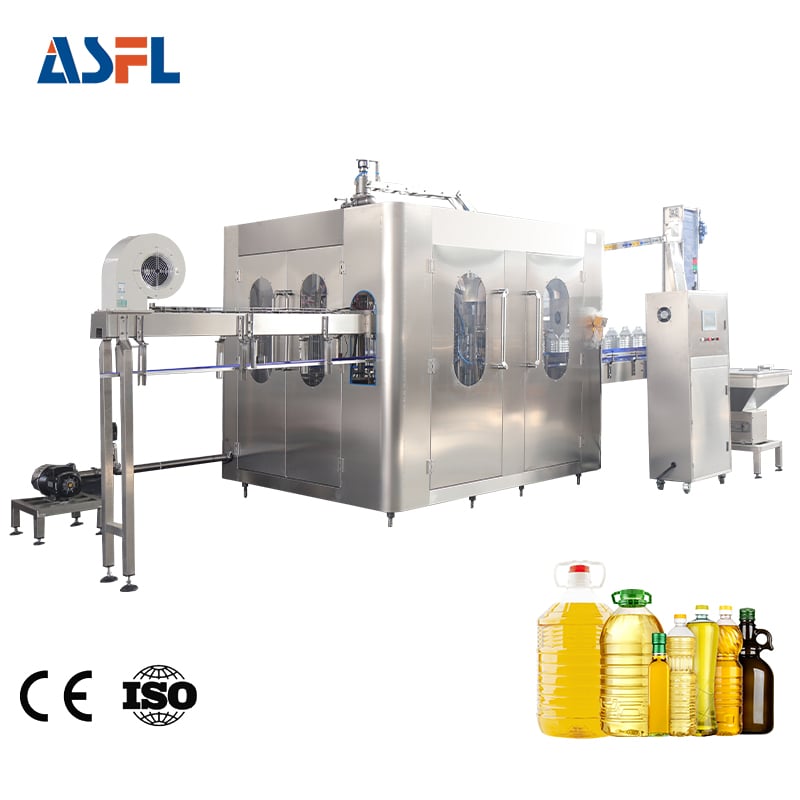
Expanding an edible-oil bottling operation is not simply a matter of buying a faster filler. The suitable edible oil filling machine has to work with the oil, bottle, closure, cleaning routine, and the pace at which the full line can run without creating queues. A production-line engineer normally starts with the operating conditions, then turns them into a configuration and a validation plan. That approach is more useful than choosing by a headline speed alone.
An automatic edible oil filling machine can be appropriate when demand and labor planning support automation, but it still needs to match the real production mix. Before requesting quotations, make the operating brief specific: oil types, fill volumes, bottle materials and shapes, cap styles, target output by SKU, shift pattern, and planned growth. If those inputs are not settled, an apparently suitable edible oil filling machine can become difficult to set up, clean, or change over.
Start with the expansion target, not the rated speed
Convert the business plan into a stable hourly requirement. Begin with the daily or shift volume for each SKU, then allow time for start-up, cleaning, changeovers, quality checks, and normal interruptions. This gives a working target rather than a theoretical maximum. A filler rated for a high number of bottles per hour is useful only if the infeed, capper, labeler, packing equipment, and operators can sustain the same rhythm.
For an expanding operation, ask suppliers to describe the conditions behind a stated capacity: bottle size, number of filling heads, viscosity range, product temperature, and allowable changeover time. Discussing an edible oil filling machine means checking the move from rated speed to stable running conditions before deciding on the configuration. This keeps the project focused on saleable output instead of a single number on a specification sheet.
Match the filling principle to the oil and pack format
Edible oils may look straightforward, yet their behavior changes with formulation and temperature. Viscosity, entrained air, filling temperature, and the required net content all affect the filling method and settings. Share representative product samples and the acceptable fill tolerance with the equipment team. It is also sensible to explain whether the line will run one refined oil or a broader mix of vegetable oils, blends, and seasonal products.
Package information matters just as much. Record bottle material, neck finish, height, diameter, handle design, fill volume, cap type, and carton format. A machine that handles a single 1 L round bottle smoothly may need different guides, starwheels, or recipes for smaller bottles or square containers. The practical question is not whether an edible oil filling machine can fill a bottle once; it is whether the full list of packages can run repeatedly with manageable adjustments.
Choose an automation level that your operation can support
Automation should remove the constraint that is limiting expansion. A semi-automatic station can fit low-volume, limited-SKU work where operators can handle frequent changes. An automatic edible oil filling machine becomes more relevant when production calls for repeatable feeding, filling, capping coordination, and traceable settings over longer runs. Automation is not a substitute for clear operating procedures, trained staff, or dependable material flow.
- For stable, high-repeat SKUs: prioritize synchronized bottle handling, repeatable recipes, and line controls that communicate with downstream equipment.
- For frequent SKU changes: prioritize accessible adjustment points, clear change parts, documented settings, and realistic changeover trials.
- For phased growth: ask what can be added later without rebuilding the layout, such as additional heads, conveying sections, or inspection points.
Your bottle, oil, and target line rate should be confirmed before choosing the automation level. This simple question often exposes gaps in a purchase brief early enough to correct them.
Make hygiene and cleanability part of the purchase decision
Food-contact equipment should be selected with cleaning access, maintenance, and contamination control in mind. In the United States, 21 CFR Part 117 requires equipment and utensils to be designed, constructed, and used appropriately to avoid adulteration of food; its related guidance also emphasizes cleanable construction and corrosion-resistant food-contact surfaces where applicable. Local rules and the destination market may add requirements, so the project team should confirm the applicable standards rather than assume one standard covers every sale.
During review, inspect the product path, seals, valves, hoses, tank connections, drains, and areas beneath the filling zone. Ask how the system is emptied between products, what disassembly is needed, and how cleaning steps are verified. A useful edible oil filling machine selection brief names the intended cleaning method and the time available for it. This avoids choosing a line that looks compact but creates long sanitation or maintenance stops.
Plan for the complete line, not just the filler
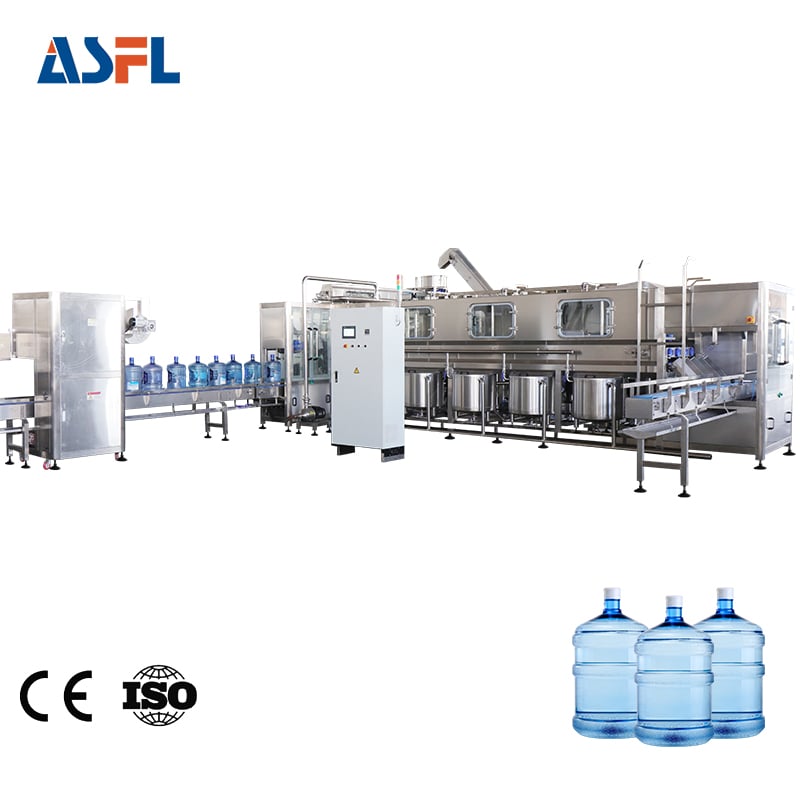
Filling performance depends on the equipment around it. Check bottle supply, air conveying or conveyors, cap feeding, capping torque control, coding, labeling, inspection, case packing, and pallet flow. Map where bottles may accumulate and where a short stop could back up the system. The layout should also leave room for safe access to controls, maintenance points, change parts, and cleaning tasks.
Expansion projects often lose time when bottle geometry is not confirmed, or when a capping system is selected separately from the filler. For that reason, review the bottle and closure together. Ask for a line drawing that shows elevations, transfer points, utilities, guards, and operator access. An automatic edible oil filling machine should fit the production cell, not force the entire facility to work around an isolated unit.
Validate accuracy, changeovers, and acceptance conditions
Before placing an order, agree on a test plan using representative oil, bottles, and closures whenever possible. Define the target operating speed, fill-volume verification method, cap application checks, reject handling, and the records needed at acceptance. Ask what happens at start-up and after a stoppage, because those moments can reveal how easily the process returns to a controlled condition.
Do not leave acceptance conditions until shipment. Missing an early agreement on acceptance conditions can lead to different expectations about samples, tolerances, production rate, and changeover demonstration. A good factory acceptance test is a shared decision document: it states what will be run, how results are measured, who approves them, and what configuration is being accepted.
Use a comparison sheet before making the final selection
Compare each edible oil filling machine candidate against the same checklist rather than comparing brochure claims side by side. The table below helps purchasing, engineering, and quality teams see trade-offs clearly.
| Decision area | Questions to confirm | Why it matters |
|---|---|---|
| Oil and filling method | What oils, temperatures, viscosity conditions, and fill tolerances will be used? | These inputs shape filling stability and setup. |
| Output | What stable hourly rate is needed after planned stops and changeovers? | It connects capacity with realistic line operation. |
| Packages | Which bottles, neck finishes, caps, and volumes are required now and later? | It reveals change parts and flexibility needs. |
| Hygiene | How will product-contact parts be cleaned, inspected, and maintained? | It supports food-safety controls and usable uptime. |
| Acceptance | Which samples, tests, records, and performance conditions will be witnessed? | It gives the project a common approval basis. |
Next step: turn operating facts into a machine brief
The right edible oil filling machine is the one that aligns with your actual oil, packaging mix, production target, hygiene plan, and expansion sequence. Start by organizing samples and the desired stable line rate, then use them as inputs for technical discussion. This gives the supplier enough information to propose a configuration that can be tested against your business plan rather than against a generic capacity claim.
 Hot News