 EN

Selecting the correct filling method is critical for beverage plant managers when engineering or upgrading high-speed packaging equipment. In carbonated soft drink (CSD) operations, improper valve selection leads to excessive product foaming, flavor degradation, pressure imbalance, and elevated container breakage rates. While basic gravity liquid filler mechanisms perform well for still liquids, sensitive carbonated liquids require controlled, pressure-equalized environments during the dosing phase. Understanding the mechanical differences between an isobaric beverage filling machine and a traditional gravity liquid filler allows plant engineers to optimize line efficiency, maintain dissolved carbon dioxide levels, and minimize daily operational downtime across complex production environments.
This technical comparative analysis evaluates valve dynamics, fluid physics, sanitation requirements, and container stability for CSD glass bottle packaging installations.
Understanding the Fluid Physics: Isobaric vs. Gravity Mechanics
The fundamental difference between these two filling systems resides in how each system handles atmospheric and internal container pressure during liquid transfer.
-
Gravity Liquid Filler Mechanics: A gravity filler relies strictly on head pressure within the fluid bowl. When the pneumatic or mechanical valve opens, liquid descends into the container driven purely by gravity, while internal air escapes through a vent tube. This process takes place at standard atmospheric pressure.
-
Isobaric Beverage Filling Machine Mechanics: Isobaric (equal pressure) filling operates under a high-pressure seal regime. The valve seals tight against the bottle mouth, charging the container interior with inert gas or carbon dioxide to match the exact pressure inside the filling bowl (typically 0.2 MPa to 0.4 MPa). Only after internal pressures equalize does the liquid valve lift.
If a producer uses a gravity liquid filler for carbonated beverages, the pressure differential between the pressurized tank and the open-air bottle causes rapid release of dissolved carbon dioxide. This sudden flashoff creates excessive foam, incomplete volume fills, and unstable bottle transport. Therefore, a specialized isobaric beverage filling machine is mandatory for carbonated soft drinks, beer, and sparkling cider lines.
Technical Performance and Parameter Comparison
The operational boundaries of both valve technologies impact machine speed, fill precision, and energy consumption across standard factory setups.
| Technical Parameter | Isobaric Beverage Filling Machine | Gravity Liquid Filler |
| Operating Pressure Range | 0.2 MPa - 0.5 MPa (Counter-pressure) | 0.0 MPa - 0.05 MPa (Atmospheric/Low gravity) |
| Primary Fluid Compatibility | CSD, Sparkling Water, Beer, Cider | Still Water, Non-carbonated Juices, Vinegar |
| CO2 Loss During Filling | Near Zero (< 0.05 vol loss) | High (Rapid degassing) |
| Filling Accuracy (Glass) | +/- 1.5 mm fill level | +/- 3.0 mm fill level |
| Valving Complexity | Multi-stage (Purge, Equalize, Fill, Snift) | Single-stage (Open/Close vent mechanical) |
| Bottle Wall Stress | High (Requires pressurized glass inspection) | Low (No axial compression pressure) |
For comprehensive selection criteria on overall factory layout and end-to-end line integration, refer back to our core [Liquid Packaging Line Pillar Guide].
EEAT Quality Control Standards & Factory Engineering
Operating a high-speed glass bottle filling line requires strict adherence to international safety and quality protocols. Unlike plastic PET containers, glass bottles exhibit rigid tolerances but can break under unequal axial stress or thermal shocks.
1. Mechanical Snifting and Pressure Relief
An essential feature built into every commercial isobaric beverage filling machine engineered by ACE-FILLING is controlled multi-stage snifting. After liquid fills the bottle, residual high-pressure gas above the liquid neck must be vented gradually to standard atmospheric pressure. Rapid depressurization causes instant liquid surging and cap blowout. Controlled snifting valves vent residual CO2 over a calculated 1.2 to 2.0 second ramp, eliminating foam overflow before the bottle moves to the crown capper or aluminum ROPP capping head.
2. Sanitary Construction & CIP Compliance
To maintain global food safety standards such as ISO 22000, FDA guidelines, and BRC global standards, fluid contact components must utilize sanitary food-grade SUS316L stainless steel. Seals must be manufactured from certified EPDM or PTFE materials capable of withstanding automated Clean-In-Place (CIP) cycles at temperatures exceeding 85°C with 2% caustic soda solutions.
3. Glass Bottle Integrity and Anti-Explosion Shielding
Glass bottle filling under counter-pressure introduces structural risks if containers have micro-cracks from transportation. Premium CSD packaging lines integrate automated bottle-burst flushing channels. If a glass bottle fractures during pressurization, water spray jets immediately clean the filling valve, seal rubber, and adjacent starwheels while collecting glass debris in a lower catchment trough, preventing glass contamination in subsequent packaging steps.
Avoiding Integration Pitfalls in CSD Packaging Lines
When upgrading CSD glass bottle packaging lines, facility engineers frequently encounter operational bottlenecks caused by improper auxiliary alignment.
-
Inadequate Temperature Control: Filling carbonated beverages at temperatures above 4°C to 6°C severely weakens carbon dioxide solubility. Even a state-of-the-art isobaric beverage filling machine will experience foam management issues if the upstream beverage mixer or chiller fails to deliver product within tight temperature tolerances.
-
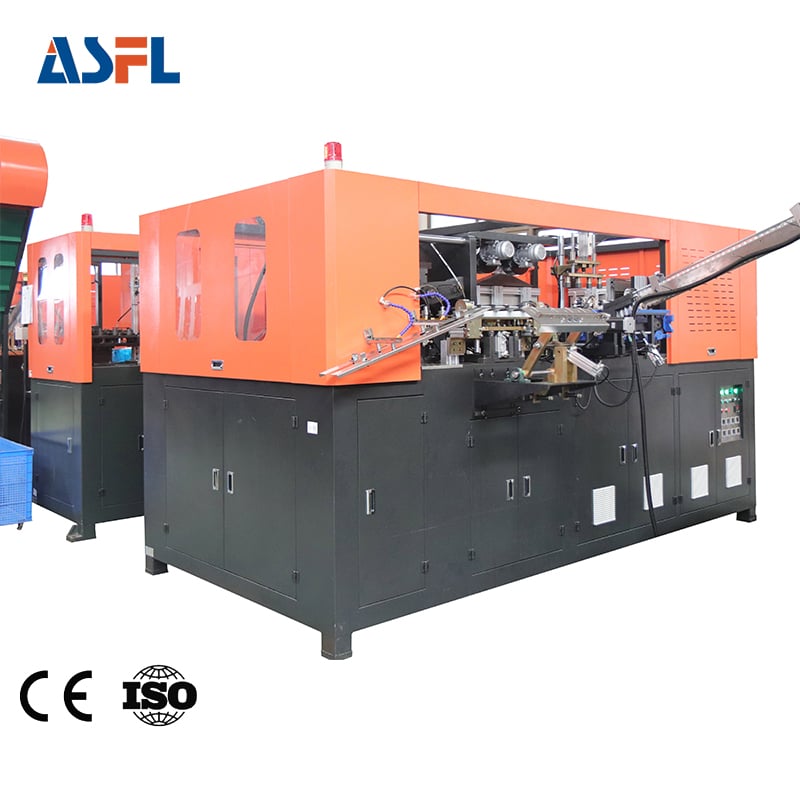
Mismatched Upstream Container Handling: Mismatches between container blow molding or glass depalletizing speeds and filling valve counts create backpressure line jams. Ensure smooth container feeds by combining your filler with coordinated container handling or complementary [PET Water Bottle Blowing Solutions] for multi-format facilities.
-
Incorrect Vent Tube Calibration: In isobaric filling, the vent tube height directly sets the final liquid fill line. Selecting incorrect vent lengths causes inconsistent fill volumes across multi-head rotary machinery.
Conclusion: Selecting the Right Solution for Your Line
For any commercial plant running carbonated beverages in glass or heavy-duty containers, investing in a robust isobaric beverage filling machine is the industry standard for preventing product oxidation, preserving carbonation volume, and ensuring exact fill accuracy. Conversely, standard gravity liquid filler machinery remains the cost-effective benchmark strictly for non-carbonated applications like mineral water and non-pulp juices. By matching valve mechanics to fluid thermodynamics and strict international sanitary codes, beverage producers can achieve reliable, continuous throughput with minimal product loss.

 Hot News








