 EN

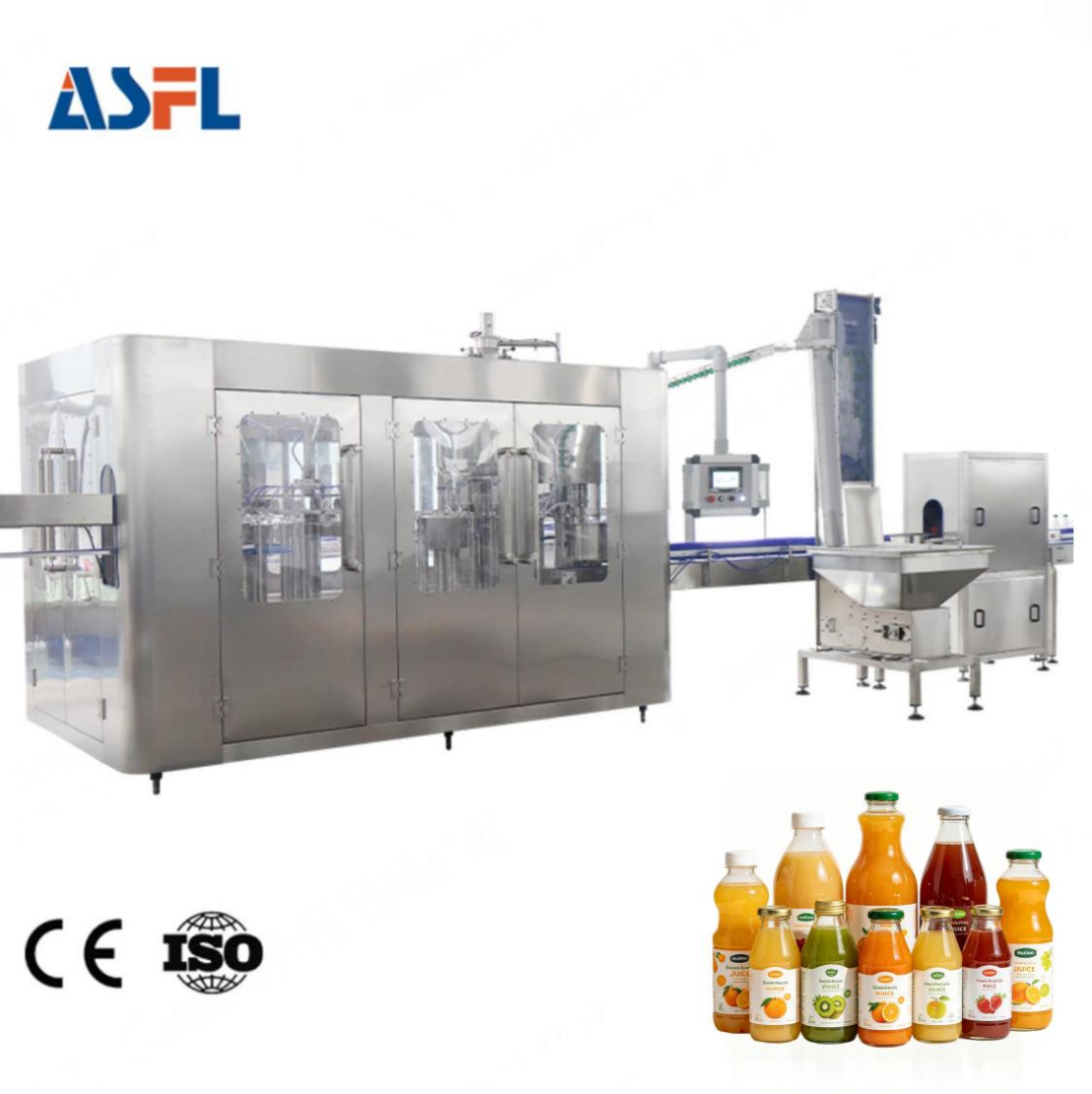
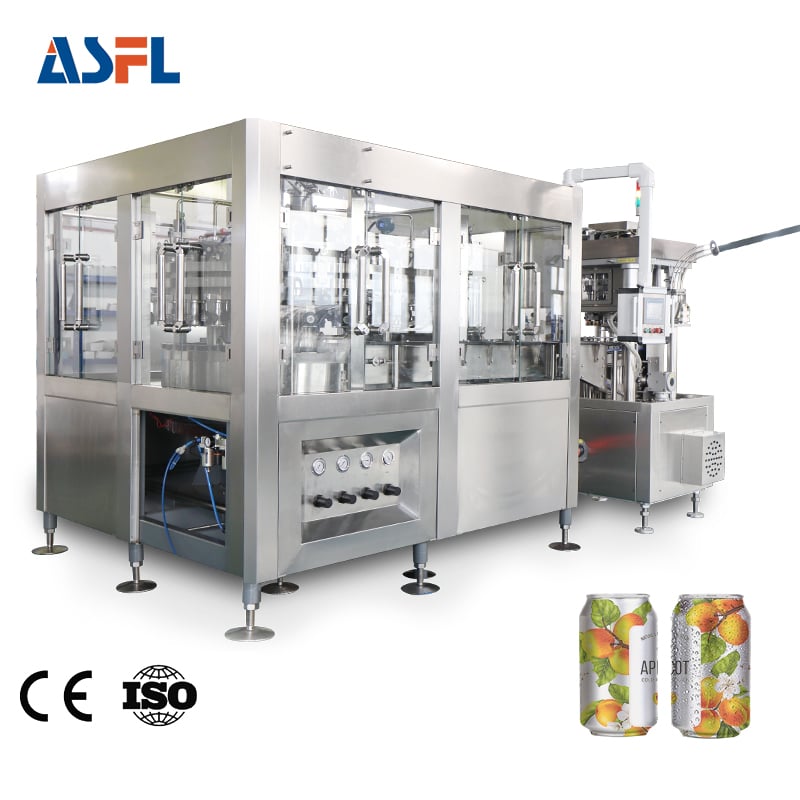
Rapid shift in global market trends requires beverage brands and liquid contract manufacturers to scale production output without compromising volumetric accuracy or sanitary safety. While the foundational pillar page at ACE-FILLING outlines our full industrial catalog, equipment sizing principles, and plant integration workflows, this dedicated technical breakdown answers one specific operational demand: how a high speed liquid filling machine maintains continuous, high-efficiency output to keep pace with soaring consumer demand.
When beverage lines scale production from 6,000 bottles per hour (BPH) up to 36,000 BPH, conventional mechanical systems fail due to line turbulence, bottle tipping, thermal fluctuations, and excessive down-time during recipe changeovers. Solving these high-volume challenges requires integrating multi-axis servo motion controls, dynamic flowmeter dosing valves, automated Clean-In-Place (CIP) systems, and strict compliance with global manufacturing standards like FDA 21 CFR and EHEDG.
Eliminating Production Bottlenecks Through Multi-Axis Servo Control
In traditional low-speed liquid packaging, mechanical cams, chains, and line shafts govern container indexing and valve actuation. At elevated speeds, these physical linkages introduce mechanical play, excessive vibration, and bottle breakage. Modern high-output lines replace mechanical drives with synchronized multi-axis servo motion architectures:
-
Infeed Starwheel Synchronization: Independent servo drives match bottle entry speeds dynamically to prevent bottle-to-bottle collisions and starwheel jams on lightweight PET containers.
-
Dynamic Diving Nozzle Motion: To avoid liquid sloshing and surface foaming during ultra-fast fills, servo-controlled diving nozzles follow an electronic S-curve profile—submerging into the bottle base and lifting in sync with the rising liquid level.
-
Instant Format Changeovers: Operators select pre-configured bottle recipes directly on the HMI touchscreen. The system automatically adjusts fill volume, starwheel height, and nozzle stroke in under 10 minutes without manual mechanical tweaking.
Advanced Valve Engineering: Flowmeters vs. Volumetric Piston Systems
Maintaining volumetric fill accuracy at rapid cycle times requires non-contact, high-precision dosing technology. Operating a high speed liquid filling machine under variable factory temperatures demands specialized valve mechanics:
| Dosing Mechanism | Valve Actuation Type | Fill Precision | Flow Velocity & Anti-Foam Control | Ideal Product Application |
| Piston / Mechanical Cup | Physical Pneumatic Stroke | ±0.5% | Fixed velocity; prone to splashing at high speeds | High-viscosity sauces, pastes, non-food oils |
| Electromagnetic Flowmeter (Magmeter) | Non-Contact Sensor | ±0.2% | Laminar flow valve design; zero splashing up to 400 BPM | Conductive liquids, mineral water, functional drinks |
| Mass Flowmeter (Coriolis) | Real-Time Mass Sensor | ±0.1% | Automatic temperature & density compensation | Pure juice, milk, spirits, temperature-sensitive beverages |
By eliminating sliding seals inside the product pathway, flowmeter-based dosing systems drastically cut valve friction, allowing an automatic liquid packaging line to achieve continuous high speeds with minimal maintenance wear.
High-Speed CIP Automation and Sanitary Standard Compliance
High throughput means little if a plant loses 3 to 4 hours every shift to manual cleaning and line sterilization. Leading equipment engineering from an established
-
Automated CIP Cup Engagement: Fake bottles (CIP cups) automatically swing into position beneath the filling nozzles via pneumatic actuators, creating a sealed closed-loop recirculation path.
-
High-Temperature Chemical Wash: Alkaline (NaOH) and acid washes circulate through liquid manifolds at velocities exceeding 1.5 m/s to remove organic residues and bio-films without manual disassembly.
-
FDA and BRCGS Certification: All liquid contact surfaces use 316L stainless steel with electro-polished internal finishes (Ra ≤ 0.4 µm), fully adhering to FDA 21 CFR Part 177 food safety rules and BRCGS Packaging Materials guidelines.
Line Integration, Buffer Conveyors, and Smart Factory Analytics
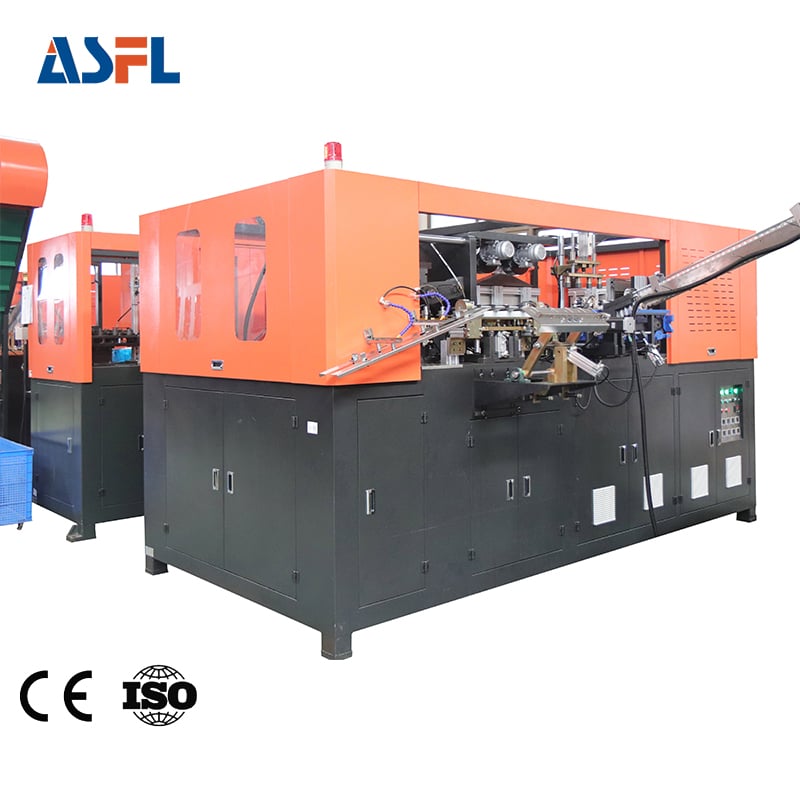
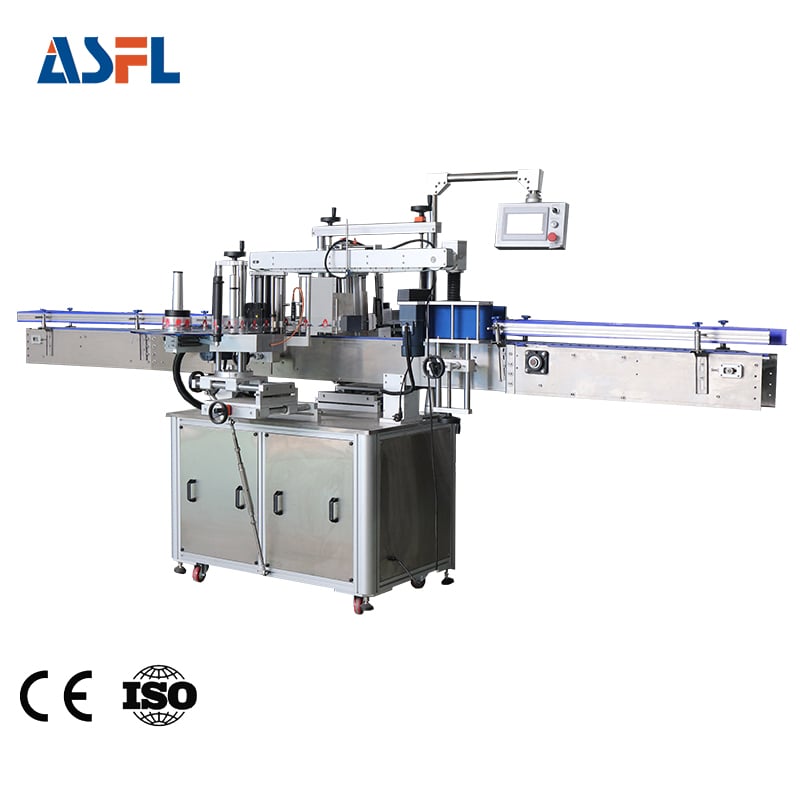
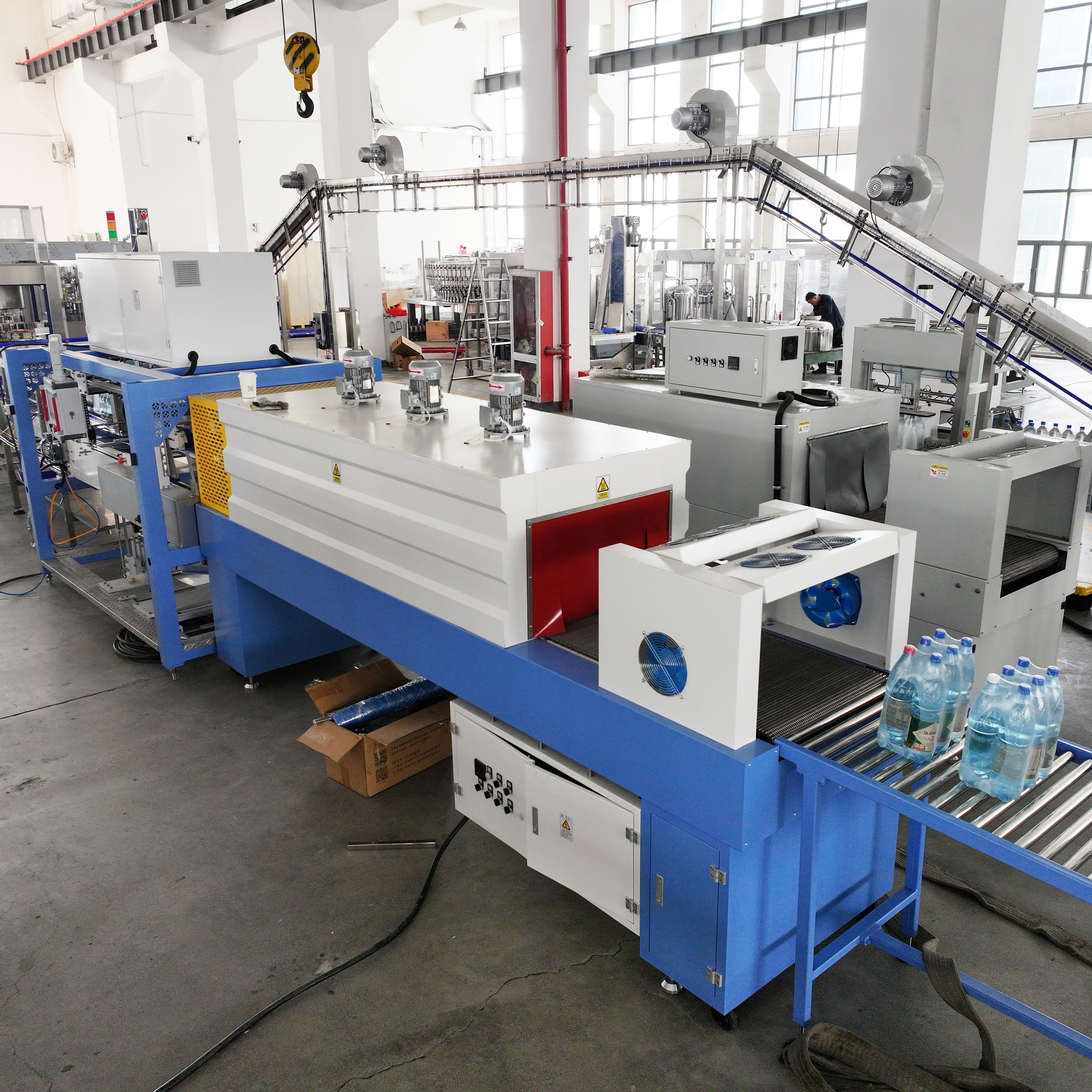
Operating a high speed liquid filling machine at peak capacity requires seamless interaction with upstream bottle blow molders and downstream labeling, shrink wrapping, and palletizing stations. Any single micro-stoppage downstream can cause line backup and force the filling monoblock to shut down.
To insulate the core filler from conveyor disruptions, ACE-FILLING integrates smart pressureless conveyor loops and real-time SCADA/OEE analytics:
-
Dynamic Infeed Buffering: Variable-speed air conveyors dynamically expand or shrink bottle buffer zones, absorbing downstream micro-stops without stopping the filling carousel.
-
Predictive Maintenance Diagnostics: Vibration sensors and thermal monitoring on main drive bearings alert plant engineers to potential mechanical wear weeks before a failure occurs.
-
Automated Reject Stations: In-line optical cameras and high-speed pneumatic reject pushers remove under-filled, mis-capped, or un-sealed containers instantly without slowing line linear velocity.
Field Case Study: Juice Producer Doubles Daily Production Output
Factory Challenge
A commercial fruit juice processor in South America faced overwhelming market demand during peak harvest season. Their existing legacy filling line ran at 8,000 bottles per hour, but frequent valve clogging, manual changeovers, and foam spillage limited total daily output, leading to product backlog and missed distribution deadlines.
Integrated Solution & ROI Results
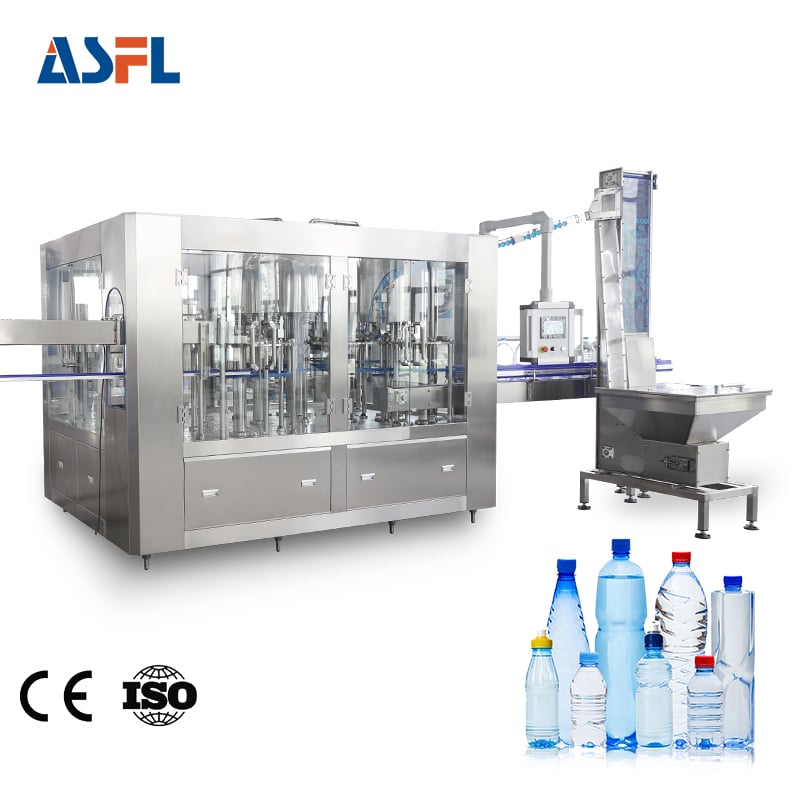
The processor upgraded their facility by installing an ACE-FILLING 32-head rotary liquid filling machine monoblock equipped with magnetic flowmeter dosing and servo-driven diving nozzles:
-
Throughput Multiplication: Production speed jumped from 8,000 BPH to 18,000 BPH on 500ml PET bottles, effectively doubling daily output.
-
Product Loss Elimination: Overflow and foaming losses dropped from 2.1% to under 0.08%, saving thousands of liters of juice concentrate per week.
-
Changeover Efficiency: Format changeover times between 250ml single-serve and 1.5L family bottles were cut from 55 minutes to just 12 minutes.
Summary & Scalable Upgrades for Modern Bottling Plants
Meeting rapid consumer demand requires more than just pushing mechanical motors to run faster—it demands engineered motion control, flowmeter accuracy, sanitary CIP automation, and intelligent conveyor buffering. Partnering with a proven
To explore full packaging automation options, facility layout designs, and companion equipment (such as bottle blow molders, capping turrets, and sleeve labelers), visit our main
 Hot News








