 EN

Technical Fundamentals of Dosing Viscous Fluids
High-viscosity liquid packaging demands precise fluid displacement dynamics to ensure consistent container filling without product shear or drip contamination. In an automated packaging hall, a servo based liquid filling machine utilizes precision motor rotation to govern product discharge. However, the servo drive is only half of the dosing equation. The mechanical pump selected to interface with the servo system dictates whether high-viscosity fluids—such as fruit concentrates, honey, syrups, heavy sauces, or cosmetics—flow smoothly or suffer from cavitation, foaming, and volumetric inaccuracy.
Selecting the wrong pump type for a servo based liquid filling machine creates immense system friction. Viscous liquids exhibit non-Newtonian flow behavior, shear thinning, or temperature-dependent viscosity changes. When pumping dense fluids through narrow liquid contact channels, fluid drag increases exponentially. The ideal pump must deliver positive displacement, handle high back-pressure, interface seamlessly with dynamic servo encoder feedback, and maintain sanitary hygiene standards like EHEDG and 3-A Sanitary Standards.
Comparative Analysis of Positive Displacement Pump Technologies
Matching dynamic fluids with the correct pump mechanism requires evaluating internal clearances, shear rates, CIP cleanability, and dosing accuracy limits.
| Pump Technology Type | Viscosity Handling Range | Dosing Precision Tolerance | Shear Sensitivity Profile | CIP and SIP Hygiene Compatibility | Ideal Product Application |
| Rotary Lobe Pump | 1,000 to 100,000 cP | +/- 0.5 percent | Very low shear strain | Excellent (EHEDG / 3-A certified) | Fruit purees, honey, sauces with particulates |
| Rotary Gear Pump | 500 to 50,000 cP | +/- 0.25 percent | Moderate shear stress | Moderate (requires specialized tear-down) | Oils, syrups, smooth cosmetic creams |
| Peristaltic Pump | 1 to 10,000 cP | +/- 1.0 percent | Zero shear (sterile barrier) | Superior (disposable hose paths) | Biological syrups, reagents, delicate liquids |
| Progressive Cavity Pump | 5,000 to 1,000,000 cP | +/- 0.5 percent | Extremely low shear | Good (longer footprint required) | Heavy pastes, peanut butter, thick creams |
As shown in the technical matrix, the rotary lobe pump and progressive cavity pump stand out as the top choices when configuring a servo based liquid filling machine for high-viscosity media, offering superior fluid displacement with minimal product degradation.
Key Criteria for Matching Pumps with Servo Motors
Achieving seamless motion control between a high-torque servo motor and a positive displacement pump requires assessing four primary mechanical parameters:
-
Volumetric Displacement Consistency: The pump must deliver a predictable fluid volume per rotation. Slippage between internal rotors or gears under high back-pressure compromises the acceleration curves programmed into the servo drive.
-
Torque and Inertia Matching: Viscous fluids demand high starting torque. The servo motor must overcome initial static resistance without triggering over-torque faults or position errors.
-
Dynamic Reversal and Anti-Drip Suck-Back: High-viscosity liquids tend to string or drip at the filling nozzle tip. The pump must withstand rapid reverse rotation driven by the servo motor to pull product back into the nozzle without drawing air bubbles into the fluid path.
-
Hygienic Surface Passivation: For food, beverage, and pharmaceutical packaging, pump interiors must feature electropolished AISI 316L stainless steel with a surface roughness Ra below 0.4 micrometers to prevent product adhesion and facilitate automated CIP cleaning.
Common Pitfalls in Viscous Liquid Pump Selection
Engineers and procurement teams frequently encounter costly operational failures when pump selection relies solely on fluid viscosity ratings at room temperature. Real-world filling environments introduce dynamic variables that must be accounted for during system specification.
Typical selection mistakes include:
-
Underestimating Inlet Net Positive Suction Head (NPSH): Highly viscous liquids flow slowly into pump suction ports. Inadequate inlet pipe diameters or long feed lines cause pump cavitation, introducing air bubbles and severe volumetric underfilling.
-
Ignoring Shear Heating Effects: High-speed rotation in gear pumps can overheat shear-sensitive emulsion products, altering viscosity and causing phase separation inside the filling manifold.
-
Choosing Non-Sanitary Internal Seals: Standard mechanical shaft seals can trap organic particulates, creating harborage zones for bacterial growth that survive routine automated CIP flushing.
-
Over-sizing the Pump Displacement: Installing an excessively large pump forces the servo motor to operate at low rotational resolution, diminishing precision dosing control during micro-fills.
Real-World Application and Integrated Engineering
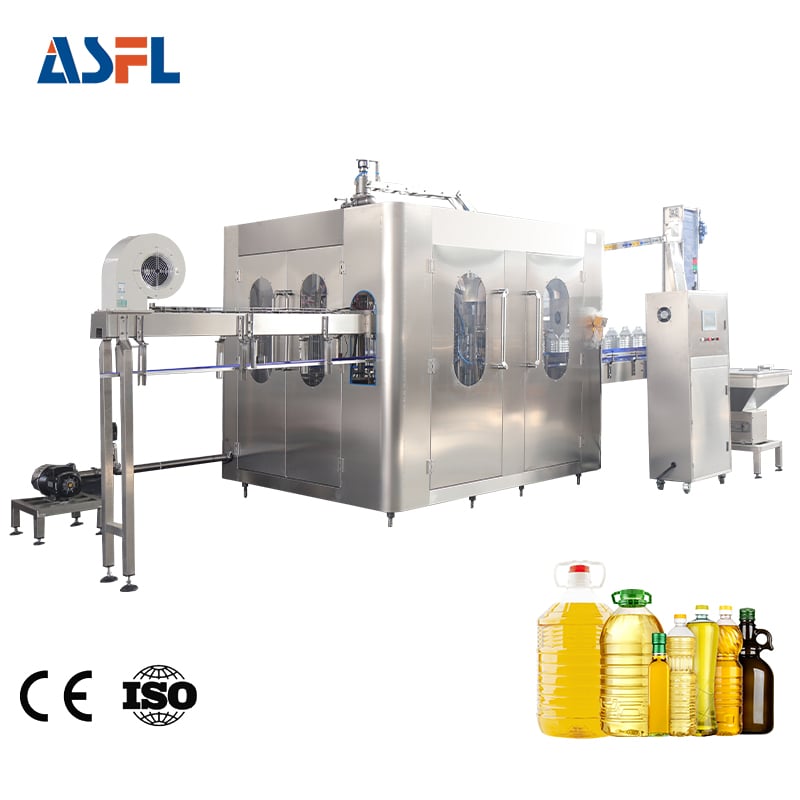
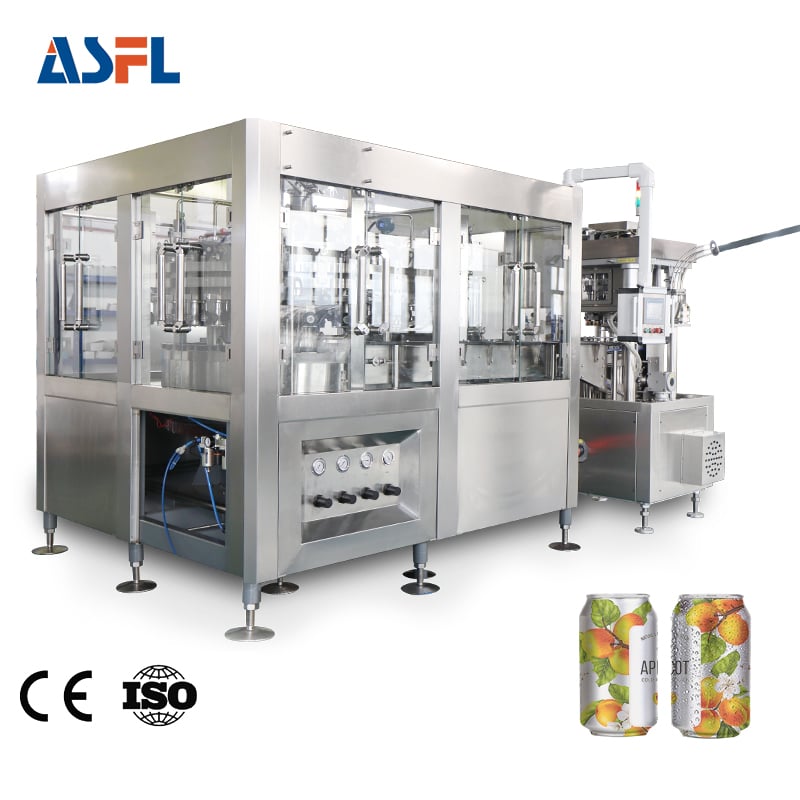
Integrating advanced pump mechanics with precision servo control allows modern beverage and food packaging plants to achieve exceptional output efficiency. Equipment manufacturers like ACE-FILLING design specialized servo based liquid filling machine systems fitted with quick-dismantle rotary lobe and piston pumps designed specifically for viscous liquid operations.
By pairing direct-drive servo motors with electropolished hygienic pump heads, these systems eliminate mechanical backlash, allow tool-less changeover, and maintain precise fill volumes across varying production temperatures. Packaging engineers and plant specifiers can review specialized viscous liquid machinery configurations and technical capabilities by visiting
Summary of Pump Selection Steps
Selecting the ideal pump for a servo based liquid filling machine handling viscous liquids requires following a structured technical evaluation workflow:
-
Define Fluid Dynamics: Measure true fluid viscosity under operating temperatures, shear sensitivity, and particulate sizes.
-
Calculate Inlet Suction Pressure: Ensure positive head pressure to prevent pump cavitation and aeration during suction strokes.
-
Select Pump Architecture: Choose rotary lobe pumps for large particulates, progressive cavity for extreme viscosities, or gear pumps for smooth oils.
-
Verify Servo Motion Compatibility: Ensure the pump design permits instant reverse rotation for anti-drip suck-back control.
-
Confirm Sanitary Compliance: Require AISI 316L stainless steel, electropolished finishes, and full CIP/SIP validation certifications.
Following these structured engineering principles guarantees reliable machine operation, consistent volumetric accuracy, and maximum production uptime across all viscous fluid packaging lines.

 Hot News








