 EN

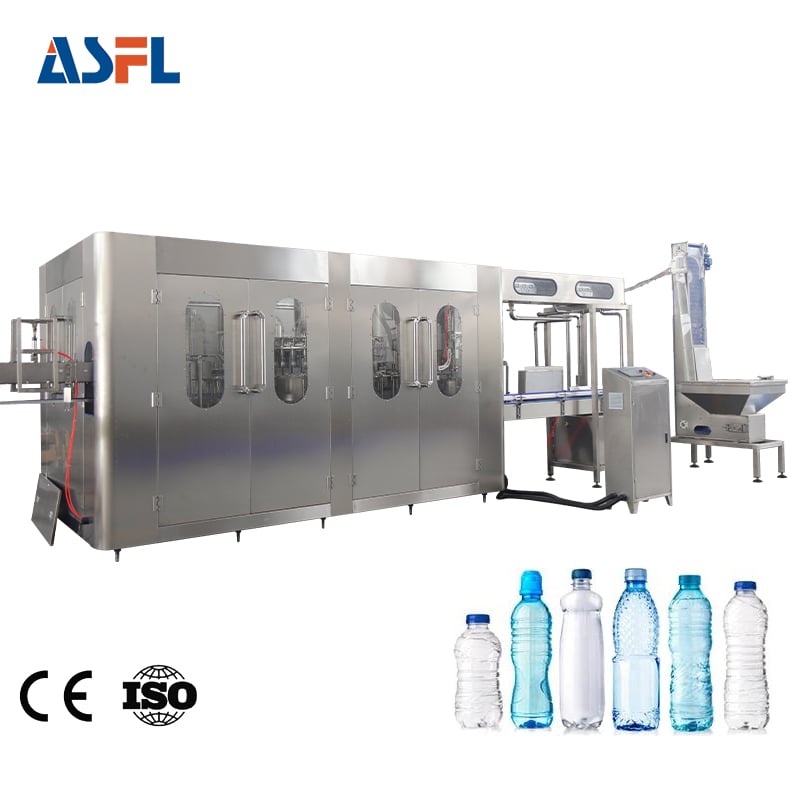
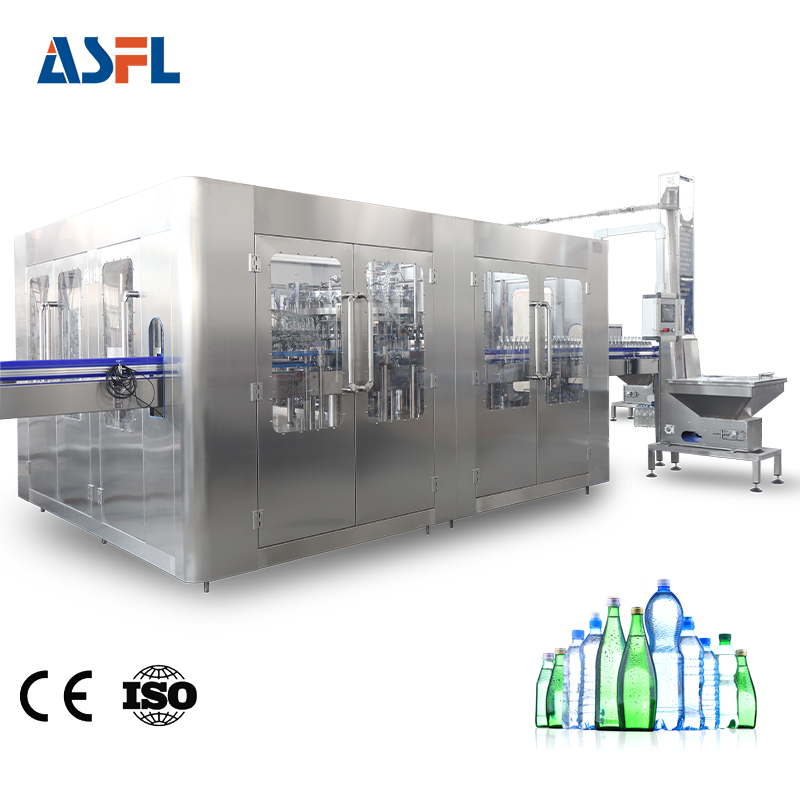
For beverage manufacturing plant managers and new bottling startup investors, determining the exact output potential of a water bottle filling machine is critical for financial forecasting, labor scheduling, and supply chain planning. A common miscalculation in industrial procurement is relying solely on the manufacturer's maximum theoretical nameplate speed. If a rotary packaging system is rated for 12,000 bottles per hour (BPH), expecting it to constantly deliver 12,000 finished 1-liter bottles every single hour of operation leads to severe production bottlenecks, unfulfilled orders, and inaccurate revenue projections.
Accurate production capacity calculation requires moving beyond simple nameplate metrics and analyzing real-world operational variables, including mechanical rotary cycle times, container sizing factors, planned maintenance downtime, and overall bottling line OEE (Overall Equipment Effectiveness). At ACE-FILLING, our engineering consultants guide global beverage producers in sizing industrial liquid packaging machinery based on verified empirical data, strict ISO manufacturing standards, and transparent plant floor efficiency assessments.
Theoretical Capacity Versus Effective Real-World Output
The foundation of any robust production audit begins by distinguishing between nominal speed and net operational throughput.
-
Theoretical Nameplate Speed: This is the maximum mechanical velocity at which the rotary rinsing, filling, and capping monoblock can execute cycles under ideal laboratory conditions. For a standard 1-liter PET water bottle, this speed is dictated by the number of filling valves on the turret and the rotational RPM of the drive motor.
-
Effective Net Output: This represents the actual volume of saleable product packaged during a standard shift, accounting for micro-stoppages, bottle jams, cap feeding rejections, and Clean-In-Place (CIP) sanitation cycles.
To calculate net capacity accurately, plant engineers apply a standardized formula factoring in operational efficiency:
Net Hourly Capacity = Theoretical Speed (BPH) multiplied by Availability, Performance Rate, and Quality Yield.
When evaluating a new water bottle filling machine, applying a realistic operating coefficient (typically between 80% and 85% for well-maintained modern lines) ensures your production capacity calculation reflects genuine factory performance rather than idealized assumptions.
Key Variables Influencing 1-Liter Bottling Performance
Calculating output for 1-liter containers involves specific physical and mechanical constraints that differ significantly from smaller 330ml formats or large 5-gallon carboys.
-
Rotary Valve Count and Turret Pitch: The physical circumference of the rotary filling bowl limits the number of individual filling valves that can be installed. For 1-liter bottles, the wider body diameter requires a wider pitch spacing on the starwheels compared to 500ml bottles, slightly reducing the maximum valve density on a given pitch circle diameter. A professional water bottle filling machine supplier must configure the valve count to match the target volumetric flow rate without causing liquid splashing or laminar flow disruption.
-
Liquid Dynamics and Fill Times: Filling 1,000 milliliters of purified or mineral water requires precise volumetric displacement. Gravity-assisted or electronic mass flow meter valves must open, stabilize, fill to the exact meniscus level, and close without dripping. If the liquid flow rate is too aggressive, foaming occurs, triggering sensor rejections and lowering the overall bottling line OEE.
Parameter Comparison of Bottling Machine Configurations
| Machine Configuration | Theoretical Speed (1L PET) | Average OEE Efficiency | Net Practical Output (BPH) | Daily Output (20 Operational Hours) |
| 24-24-8 Monoblock | 6,000 BPH | 82% | 4,920 BPH | 98,400 Bottles |
| 32-32-10 Monoblock | 10,000 BPH | 84% | 8,400 BPH | 168,000 Bottles |
| 40-40-12 Monoblock | 12,000 BPH | 85% | 10,200 BPH | 204,000 Bottles |
| 50-50-15 Monoblock | 15,000 BPH | 83% | 12,450 BPH | 249,000 Bottles |
Step-by-Step Methodology for Executing a Production Capacity Audit
To perform a rigorous production capacity calculation for your facility, follow this four-step engineering methodology:
-
Assess Equipment Specifications: Review the engineering manual provided by your liquid packaging machinery manufacturer to identify the maximum rated RPM, valve count, and maximum recommended bottle volume.
-
Measure Time Availability: Subtract scheduled maintenance, daily shift handovers, sanitation washdowns, and lunch breaks from total gross shift hours to determine Net Operating Time.
-
Monitor Micro-Stoppages via PLC Data: Track unplanned stoppages lasting less than five minutes (such as jammed labels or cap feeder hiccups). These minor disruptions are the primary reason actual output falls below nameplate ratings.
-
Calculate Quality Yield: Subtract rejected bottles (due to improper capping torque, low liquid fill levels, or damaged container threads) from the total gross filled bottles to calculate final saleable yield.
Ensuring Long-Term Reliability and Sustained Output
Maintaining high bottling line OEE over years of continuous multi-shift operation requires adherence to strict quality control and preventive maintenance protocols. Routine inspection of filling valves, automated lubrication of rotary bearings, and timely replacement of pneumatic seals prevent unexpected breakdowns that degrade plant productivity.
By utilizing precise mathematical formulas rather than guesswork when evaluating equipment, beverage entrepreneurs can select the ideal water bottle filling machine that perfectly aligns with their commercial growth targets. For customized machinery recommendations, technical drawings, and complete layout designs tailored to your plant footprint, explore our comprehensive range of
 Hot News








