EN
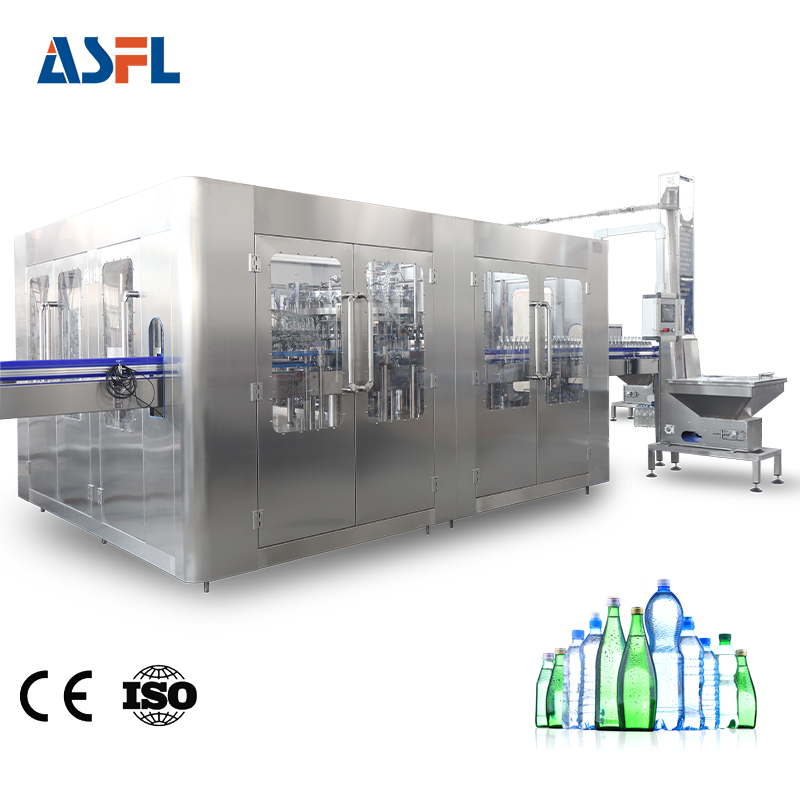
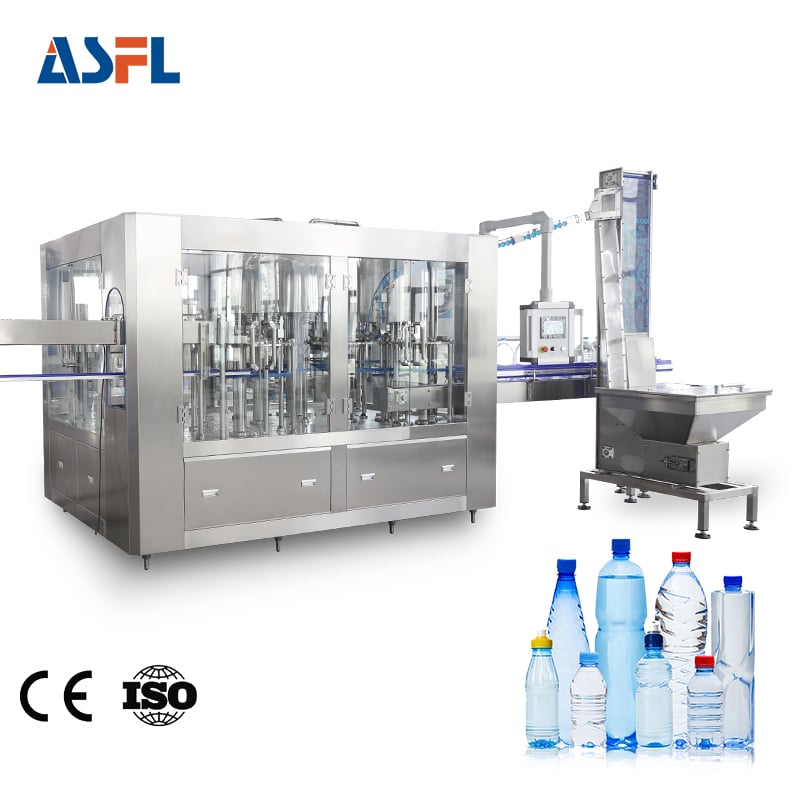
For a still-water producer, a drinking water filling machine is not only a speed decision. It is a control point for product loss, bottle rejects, cleanup effort, and line stability. From a packaging-line engineering view, the practical question is not whether gravity can move water into a bottle; it is whether the full filling sequence can do so with repeatable volume, a clean handoff, and few recoverable or discarded losses.
A gravity liquid filler can suit free-flowing still water because the liquid moves under a controlled head rather than requiring a high-viscosity pumping method. However, low waste comes from matching that principle to bottle geometry, valve timing, tank level, conveyor behavior, and sanitation procedures. A drinking water filling machine should therefore be assessed as part of a line, not as an isolated carousel or nozzle bank.
Where still-water loss usually begins
Waste is often visible as drips at the nozzle, splashes on the starwheel, wet bottles entering the capper, or a reject stream caused by fill-level variation. Less visible losses include water left in pipes during a changeover, water used to correct an unstable fill, and product held back while operators wait for a jam to clear. A drinking water filling machine can reduce these loss paths when its mechanical settings and operating routine are verified together.
It helps to separate three measures instead of treating all loss as one number:
- Filling loss: drips, splash, overfill, and liquid retained at shutdown.
- Packaging loss: bottles rejected for poor fill presentation, wet necks, cap application issues, or conveyor instability.
- Changeover and sanitation loss: material displaced during start-up, flushing, and product-path preparation.
This distinction makes root-cause work more useful. If the drinking water filling machine is accurate but bottles arrive tilted, changing a filling setpoint will not solve the underlying waste.
Why the gravity principle can support controlled fills
Gravity filling is commonly used for low-viscosity liquids. A stable liquid head and consistent valve action can help the filler deliver repeatable doses when the liquid condition and bottle presentation remain consistent. In a drinking water filling machine, the useful engineering objective is controlled cutoff: flow should stop at the intended point without a long tail that lands outside the bottle.
Gravity filling should not be confused with overflow filling. An overflow design may use a different nozzle and return path to establish a visual level. Whether recovered liquid may be returned, and under what sanitary controls, is a process-specific decision. For still drinking water, the producer should document the product path and applicable hygiene requirements rather than assume that every apparent overflow is reusable.
In the United States, bottled drinking water processing and bottling fall under current good manufacturing practice requirements in 21 CFR Part 129. Other markets have their own requirements. The point for equipment planning is straightforward: a waste-reduction change must preserve the validated sanitary design and cleaning routine of the drinking water filling machine.
Five controls that turn gravity filling into a lower-waste process
1. Keep the supply condition stable
Changes in tank level, pressure balance, or entrained air can change the way liquid leaves a filling valve. Operators should trend the supply condition during normal running and during start-up, then compare it with samples that show drips or short fills. For a drinking water filling machine, a stable supply condition gives valve timing a consistent starting point.
2. Match nozzle entry and bottle support
Water is easy to move but easy to splash when the nozzle-to-bottle relationship is poor. Confirm bottle height, neck finish, guide adjustment, and centering before treating a wet-bottle issue as a fill-volume issue. A drinking water bottle filling machine with correct bottle support can limit sidewall contact and reduce the chance that a small alignment error becomes a capper reject.
3. Tune cutoff for the actual line speed
Valve close timing, nozzle lift, and conveyor acceleration should be observed together. A setting that looks acceptable at a slow trial rate may leave a tail or create splash when the drinking water filling machine reaches planned output. Use a controlled speed change, inspect representative bottles, and record the setting that produces a clean cutoff. This is more reliable than making broad adjustments after rejects have accumulated.
4. Manage start-up, stops, and changeovers
Many plants focus on steady-state filling and overlook the first minutes after a stop. Define who checks the first bottles, how many samples are reviewed, and when the filler is released to full speed. During format changeover, confirm guards, guides, and bottle-handling parts before opening product flow. A drinking water filling machine gains little from accurate filling if the first run after a change creates tipped bottles or repeated cleanup.
5. Use a loss log that connects the filler to the line
A simple shift log can capture time, format, filler speed, observed loss location, likely cause, and corrective action. Review losses at the rinser-to-filler handoff, at nozzle discharge, and at the filler-to-capper transfer. This turns a drinking water filling machine from a source of isolated alarms into a measurable process step. More accurately, speed is only one signal; the loss location tells the team which handoff to inspect first.
A practical verification sequence
- Define the bottle size, target fill basis, water condition, and planned speed.
- Run a short controlled batch with the drinking water filling machine at a stable supply condition.
- Inspect fill consistency, nozzle cutoff, exterior wetness, bottle stability, and capper handoff.
- Record reject causes separately from liquid loss so one problem is not hidden inside another.
- Change one setting at a time, then repeat the same observations.
- Document the accepted configuration and the sanitation checks required before routine production.
This sequence also gives procurement and production teams a common language. Instead of requesting a “low-waste” drinking water filling machine, they can specify the bottle family, line speed, fill verification method, runoff handling, and acceptance observations that matter for their plant.
Questions to ask before selecting or upgrading equipment
- Which bottle diameters, heights, and neck finishes must the drinking water filling machine handle?
- What fill-volume tolerance and inspection method are required by the plant’s quality system?
- Where does water currently appear: at the nozzle, under the bottle, on the conveyor, or after capping?
- How is the product path drained, cleaned, and released after a stop or a changeover?
- What upstream and downstream handoffs need adjustment when production speed changes?
These questions move the discussion from a single machine parameter to the real operating conditions. Ace-Filling’s packaging-machinery context covers beverage and bottled-water line applications, where material, container, and line rhythm must be reviewed together. Configuration suitability should still be confirmed against the producer’s own bottle, water treatment, hygiene plan, and output target.
Conclusion: measure loss at the handoffs
A gravity drinking water filling machine can support lower-waste production for still drinking water when it provides controlled flow and is integrated with stable bottle handling and disciplined operating checks. The useful target is not an unsupported promise of zero loss. It is a repeatable process in which the team can locate, measure, and reduce avoidable drips, rejects, and changeover losses without compromising sanitation. Start by checking liquid conditions and container alignment, then verify the whole line around the filler.
 Hot News