 EN

In high-speed beverage packaging, handling carbonated liquids presents unique fluid dynamic challenges. When operating a cold drink filling machine, maintaining carbonation levels while eliminating product loss from excess foam is a critical engineering objective. The core solution relies on active pressure compensation during the container filling cycle. Without strict differential pressure control between the product bowl and the bottle interior, dissolved carbon dioxide (CO2) rapidly desorbs from the liquid, leading to fill-volume inaccuracies, container contamination, and degraded product shelf life.
For beverage manufacturers seeking reliable, high-yield production line setups, understanding isobaric principles and counter-pressure valving provides clear clarity on equipment selection and process optimization.
The Physics of CO2 Solubility in Cold Beverages
Carbonated soft drinks, sparkling waters, and fermented beverages depend on dissolved carbon dioxide gas to provide their characteristic mouthfeel and flavor profile. Henry's Law governs gas solubility: the amount of dissolved gas in a liquid is directly proportional to the partial pressure of that gas above the liquid, combined with lower product temperatures.
When filling carbonated drinks at lower temperatures (typically 2°C to 4°C), the liquid retains dissolved CO2 under pressure. However, if a standard gravity or atmospheric cold drink filling machine valve opens directly into a container at ambient atmospheric pressure, the sudden pressure drop destabilizes the gas solution. This sudden flash outgassing causes immediate foaming, overflow, and inconsistent fill heights.
An isobaric filling machine for beverages solves this breakdown by equalizing the air pressure inside the PET bottle or glass container with the filling tank pressure prior to liquid introduction.
Mechanics of Pressure Compensation in Isobaric Filling
The pressure compensation carbonated filling cycle utilizes a multi-phase mechanical valve sequence. Rather than allowing liquid to drop by gravity into an unpressurized vessel, the valve establishes a controlled pressure bridge.
Phase 1: Hermetic Sealing & Equalization
The container is lifted and clamped against the rubber neck gasket of the filling valve. The valve opens a pneumatic channel that charges the empty bottle with inert gas or CO2 from the filling bowl headspace. This continues until the internal bottle pressure matches the bowl pressure (typically between 0.2 MPa and 0.4 MPa).
Phase 2: Laminar Flow Liquid Transfer
Once equalize equilibrium is verified by internal pneumatic logic, the liquid valve orifice lifts. Because pressure compensation carbonated filling maintains identical pressure above and below the valve, gravity and liquid head pressure allow the cold beverage to glide down the interior container walls in a smooth, laminar sheet without turbulence or agitation.
Phase 3: Pressure Snifting (Controlled Venting)
After reaching the target fill level dictated by the vent tube height, the liquid valve seals. The residual pressure in the bottle neck headspace must be released slowly before the bottle unclamps. This controlled depressurization phase—known as "snifting"—prevents the sudden pressure release from triggering violent foaming right before capping.
Operational Comparison: Uncompensated vs. Pressure-Compensated Systems
Operating a carbonated beverage line without proper pressure compensation leads to high reject rates, excessive ingredient loss, and frequent line stoppages.
| Operating Parameter | Standard Atmospheric / Gravity Filling | Pressure-Compensated Isobaric Filling |
| Primary Target Application | Non-carbonated juices, still water, milk | Carbonated soft drinks (CSD), beer, sparkling water |
| Typical Operating Pressure | 0.00 MPa (Atmospheric gauge) | 0.20 MPa – 0.45 MPa (Adjustable counter-pressure) |
| Filling Speed Efficiency | Low for carbonated (Severe foam bottleneck) | High (Continuous laminar liquid transfer) |
| Fill Level Accuracy | ± 3.0 mm (Turbulent surface instability) | ± 1.0 mm (Stable liquid layer surface) |
| Dissolved CO2 Retention | Substantial loss during filling cycle | High retention (Matches batch formulation spec) |
| Oxygen Pickup Risk (DO) | Elevated ambient air contact | Extremely low (Optional pre-evacuation integration) |
As shown in the technical comparison above, deploying a pressure compensation carbonated filling configuration maintains high mechanical efficiency and strict fill precision.
Engineering Impact on Quality & Compliance Standards
In commercial beverage production, meeting international quality certifications such as FDA food contact guidelines and ISO 22000 food safety management relies heavily on repeatable equipment sanitation and pressure stability.
-
Dissolved Oxygen (DO) Control: In beer and delicate carbonated juice filling, ambient air inside the bottle causes rapid oxidation and off-flavors. Advanced isobaric filling machine for beverages designs integrate a double pre-evacuation vacuum cycle prior to pressure compensation, flushing oxygen down to sub-50 ppb levels.
-
Hygiene & CIP Cleanability: Pressure-compensated valve manifolds engineered by
ACE-FILLING -
Explosion & Structural Protection for Glass/PET: Sudden pressure spikes can stress lightweight PET preforms or micro-fractable glass bottles. Precision differential pressure regulation ensures smooth pressure ramps during both charging and snifting phases.
Integrating Pressure Compensation into Automated Lines
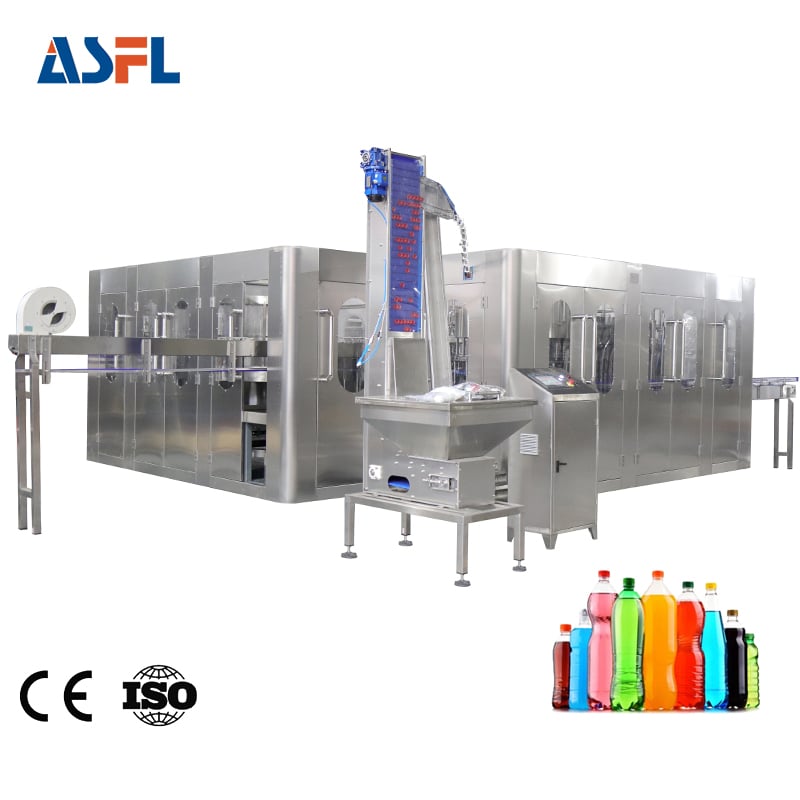
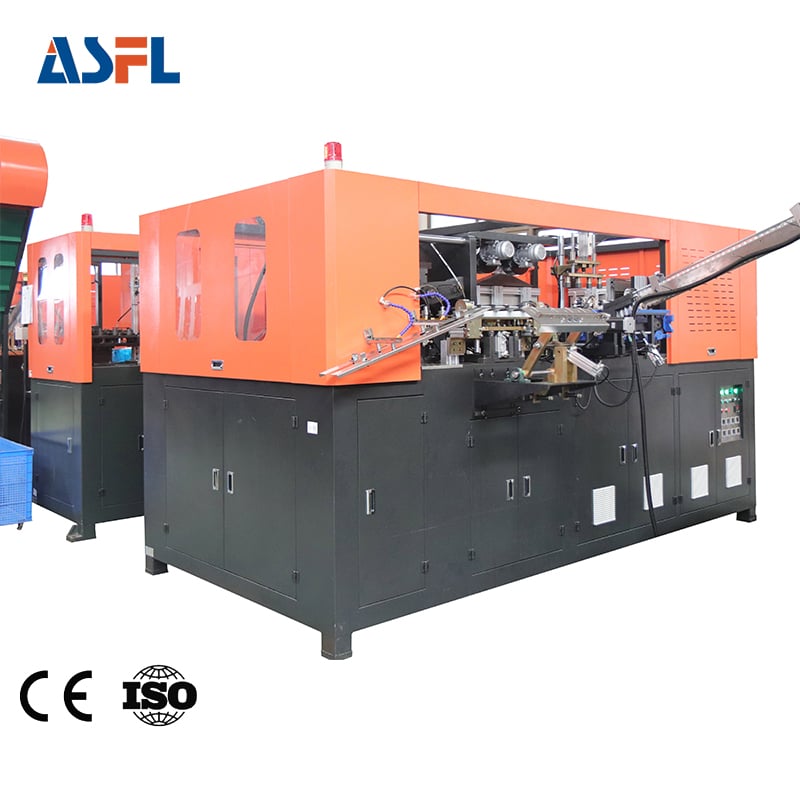
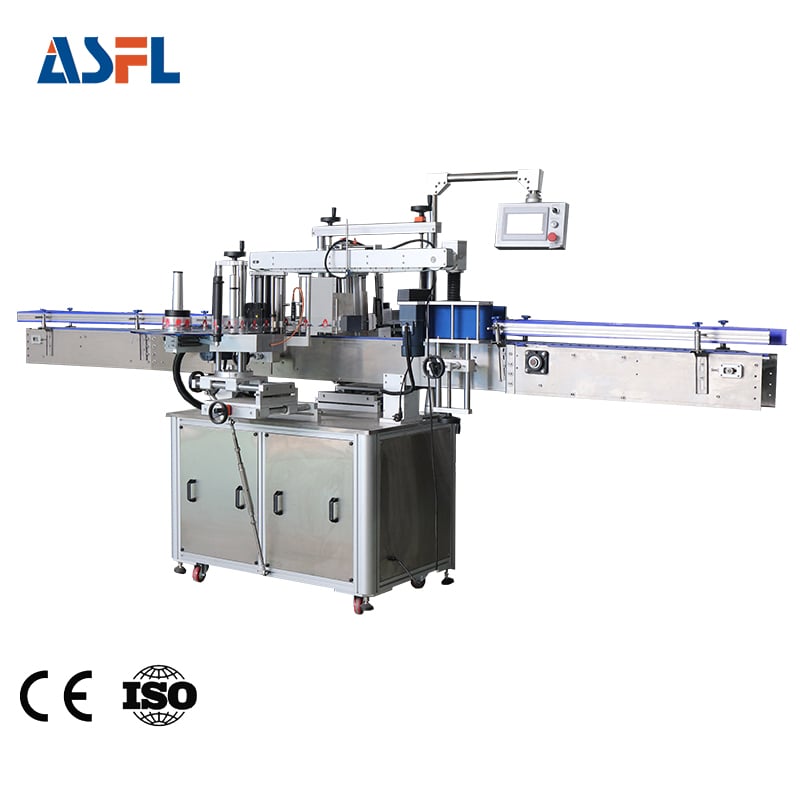
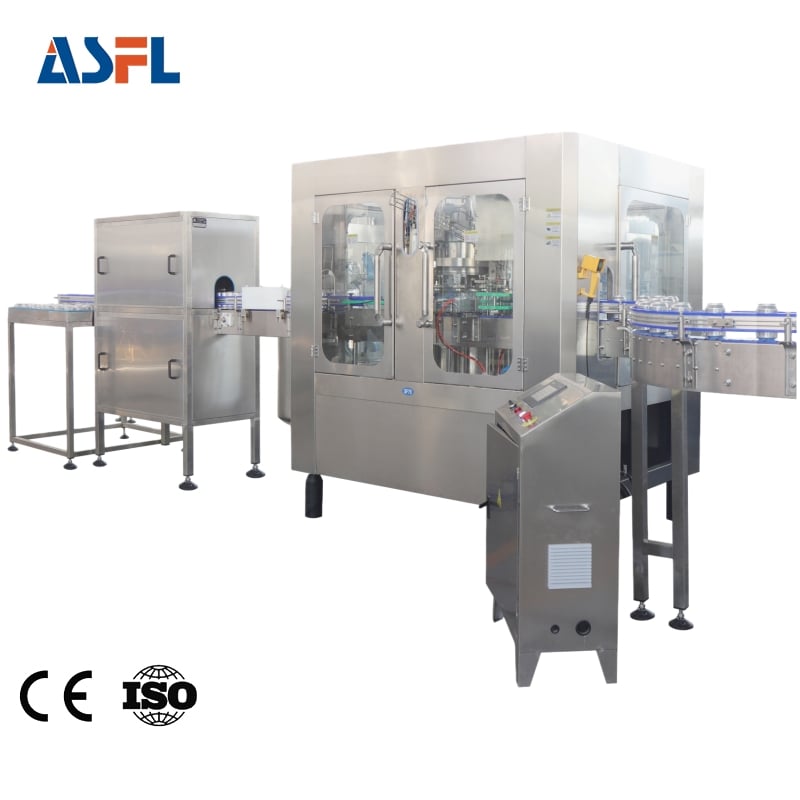
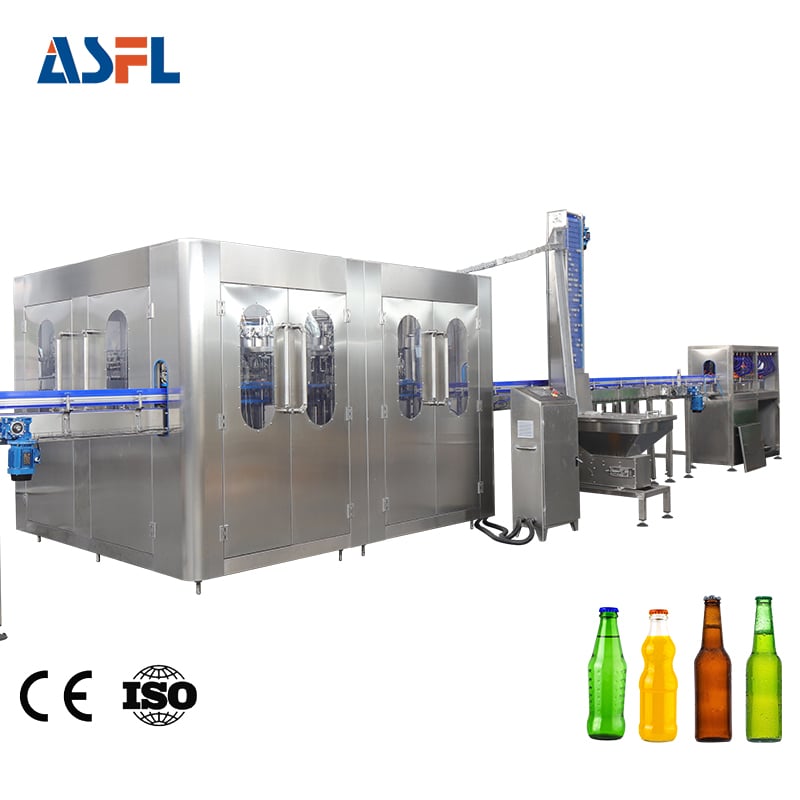
To maximize uptime and output, modern bottling lines integrate the cold drink filling machine directly with automatic blow molding, capping, and labeling modules.
Equipped with Siemens PLC automation and real-time electronic pressure sensors, contemporary pressure compensation carbonated filling valves dynamically adjust gas counter-pressure based on temperature fluctuations in the product supply line. If beverage temperature rises by 1°C during a shift, the system automatically elevates head pressure to keep carbonation dissolved without stopping production.
By choosing specialized isobaric equipment designed for carbonated beverages, bottlers protect product integrity, optimize gas consumption, and secure maximum yield per batch. Explore complete beverage turn-key line configurations and technical specifications at
 Hot News








